
OEM MATERIAL GUIDE
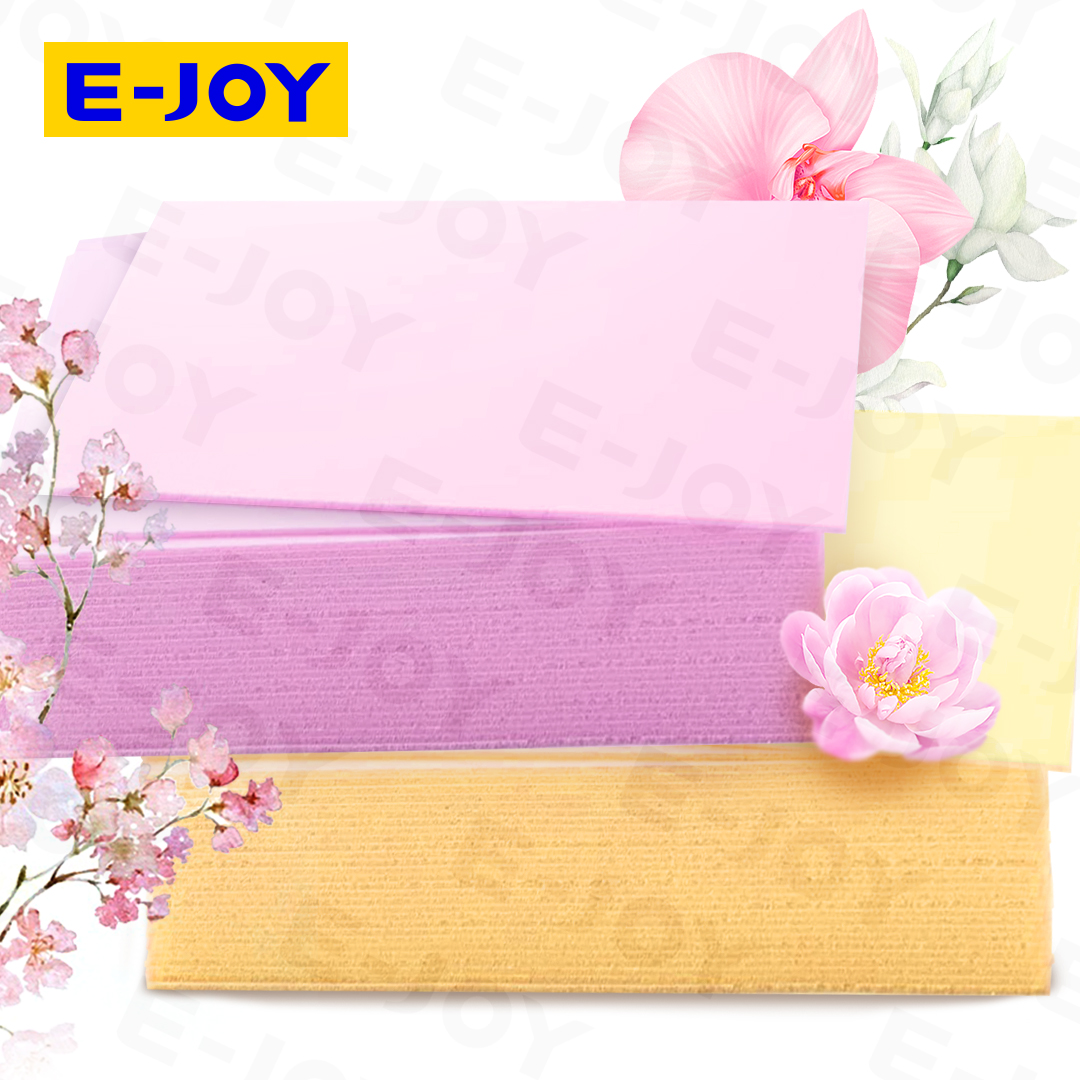
Laundry detergent sheet materials usually include a water-soluble sheet base, cleaning ingredients, builders, binders, fragrance, and packaging materials. For OEM buyers, each material should be confirmed during sampling and before bulk production.
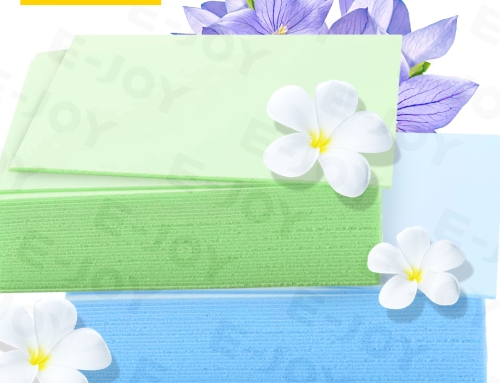
First, the sheet needs a base that can hold the detergent formula. The base must also release the ingredients during washing. In addition, it should remain stable during normal storage.
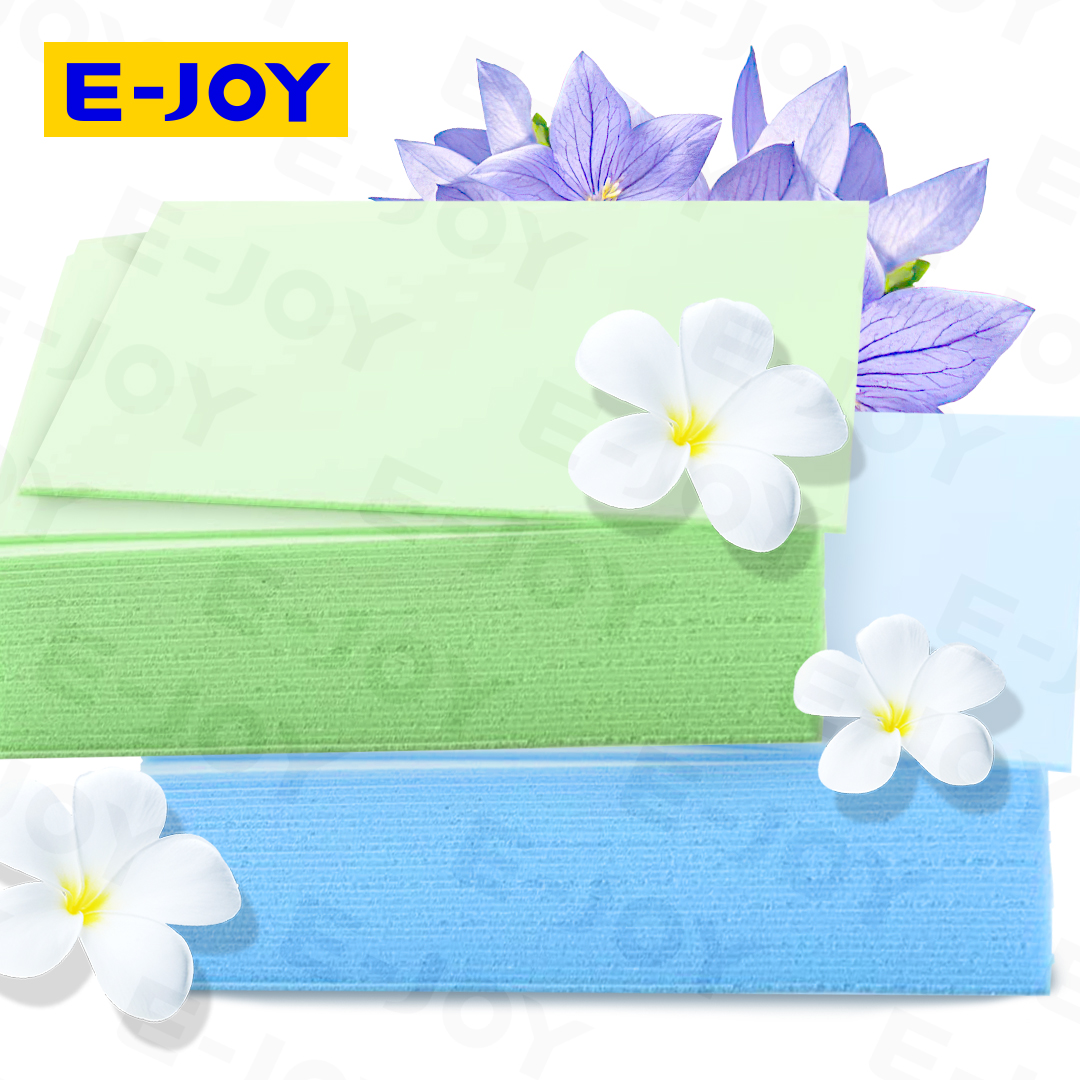
Water-Soluble Film
The film holds the detergent ingredients. Then, it dissolves in water during the wash cycle. Ask for the film type, thickness, and dissolving conditions.
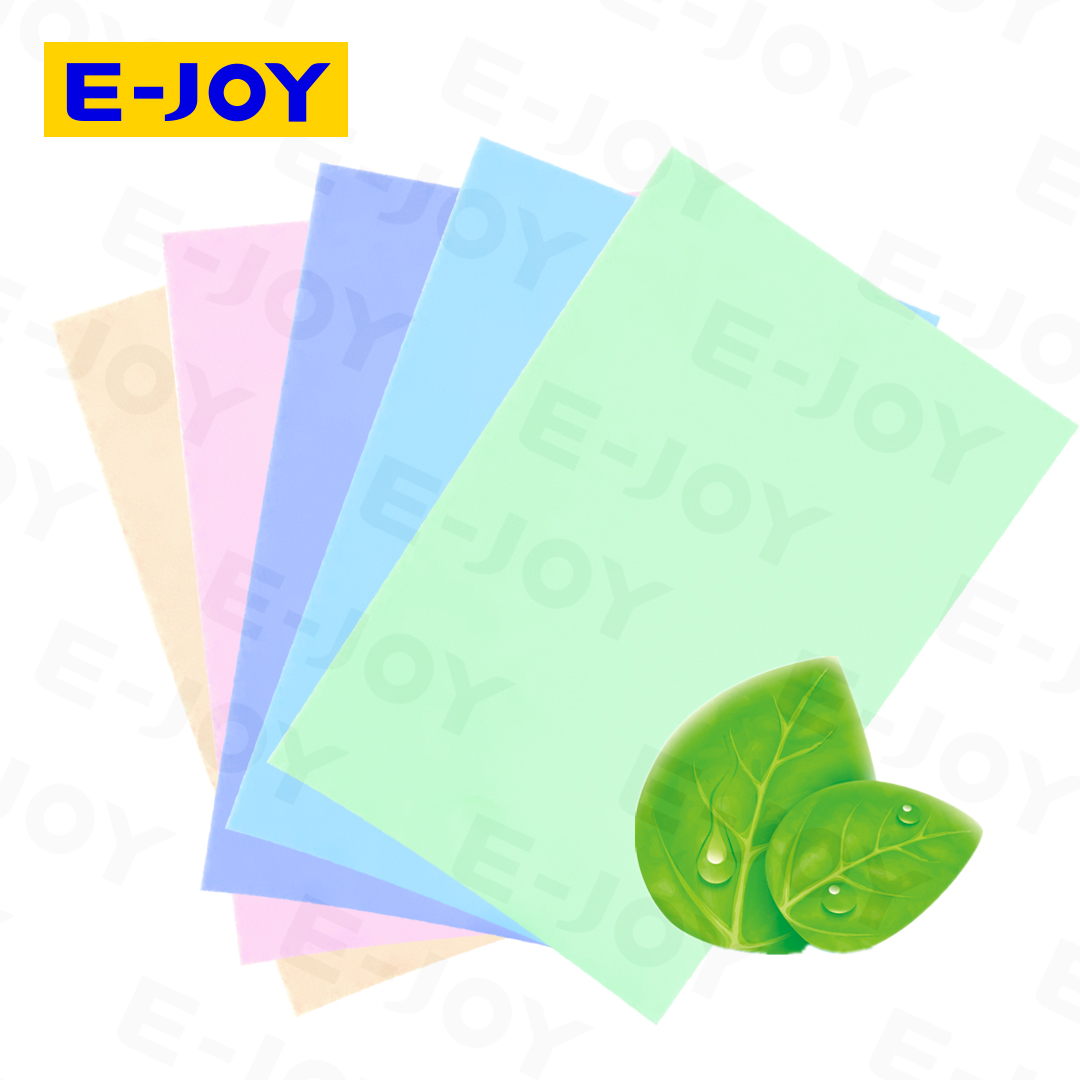
Sheet Structure
Some products use a thin sheet format. Others use a thicker or layered structure. Therefore, confirm the sheet weight, size, and handling method.
Moisture Control
Moisture can affect the sheet during storage. As a result, the supplier should control production humidity and use suitable moisture-resistant packaging.
What Formula Materials Are Used in Laundry Detergent Sheets?
Next, the supplier adds the cleaning formula. The exact ingredients depend on the product brief, target market, and required product claims.
- Cleaning agents: These ingredients help remove soil from fabric. The supplier should provide the agreed formula information.
- Builders: Builders can support cleaning performance. They can also help manage water hardness during washing.
- Binders: Binders help hold the formula together. They also support the sheet structure during handling.
- Fragrance: A scented product may use a fragrance selected by the buyer. However, the fragrance should match the target market and label requirements.
- Color or visual ingredients: Some products use color for appearance. If so, confirm the color standard during sample approval.
- Other functional ingredients: Depending on the brief, the formula may include ingredients for stain care, fabric care, or odor control. Each claim should match the available test information.
Which Packaging Materials Protect Laundry Detergent Sheets?
Packaging is also part of the material plan. First, it protects the sheets from moisture. Next, it carries the brand information and product instructions.
Inner Pack
The inner pack should limit moisture exposure. Check the material, seal, closure, and opening method.
Carton or Pouch
The outer package carries the brand artwork. Also, it protects the product during storage and transport.
Printed Label
The label may include usage instructions, warnings, barcode, ingredients, and market information. Review the artwork before printing.
What Should OEM Buyers Check Before Approval?
Finally, buyers should compare the sample with the agreed material specification. This step helps both sides use the same product reference.
- Sheet base: Confirm the film type, sheet size, weight, thickness, and moisture condition.
- Formula: Check the cleaning ingredients, fragrance, color, and required documents.
- Dissolving: Test the sheet under the agreed water temperature and wash cycle.
- Packaging: Check the moisture barrier, seal, closure, label, barcode, and carton.
- Change control: Ask the supplier to notify you before changing a material or formula.
What Documents Can Private Label Buyers Request?
In addition, ask the supplier which documents are available for the selected product. The document list depends on the target market and product specification.
For example, buyers may request a product specification sheet, ingredient information, safety documents, sample record, and batch inspection record.
Therefore, include the approved material specification in the purchase order. Also, record the sample number and artwork version.
Discuss Laundry Detergent Sheet Materials for Your Brand
Share your target market, formula preference, sheet size, fragrance, pack count, packaging format, and expected order volume. Ejoy can then discuss suitable materials and sample options for your private label project.
Contact Ejoy about OEM materials
You can also visit Ejoy’s Alibaba storefront for supplier and product information.