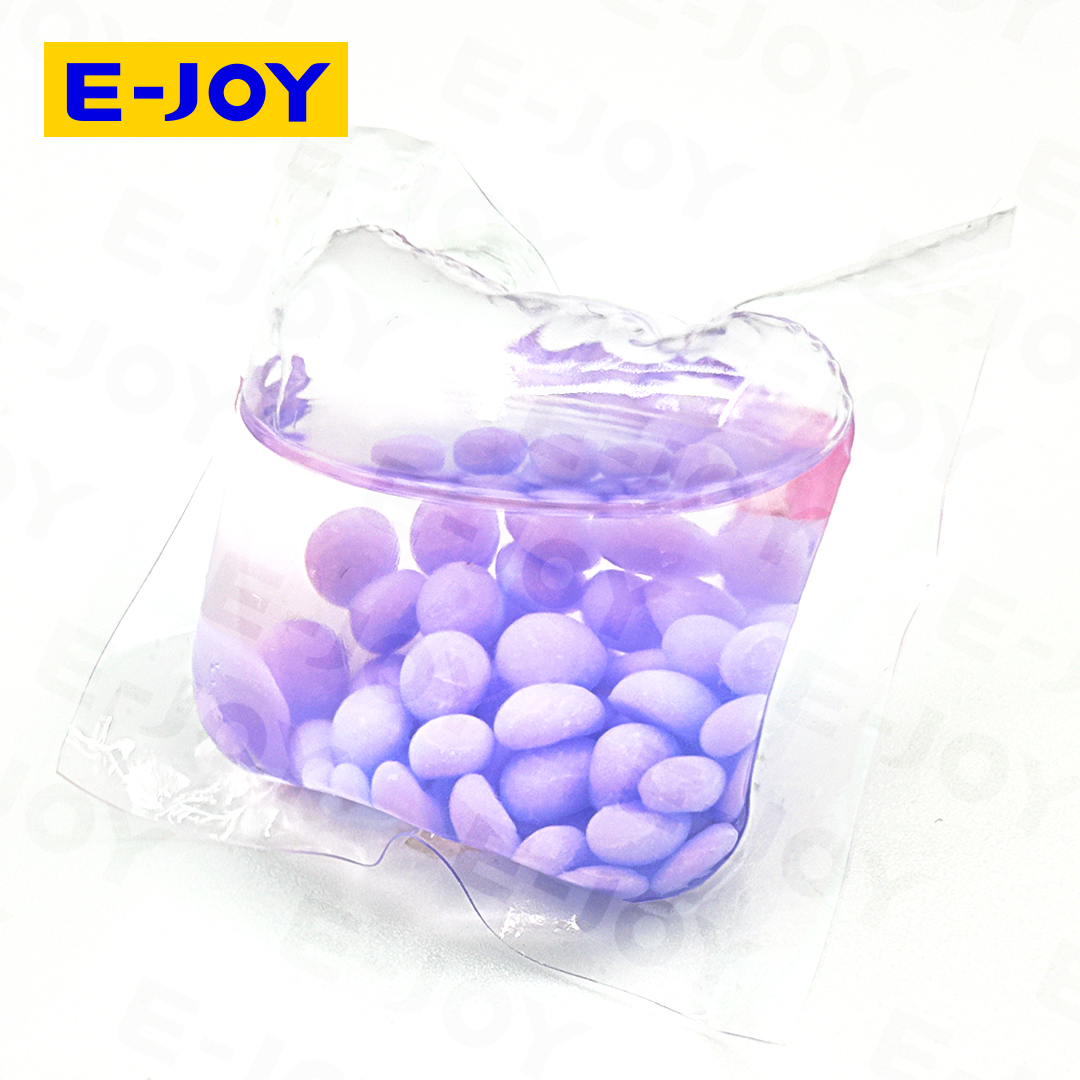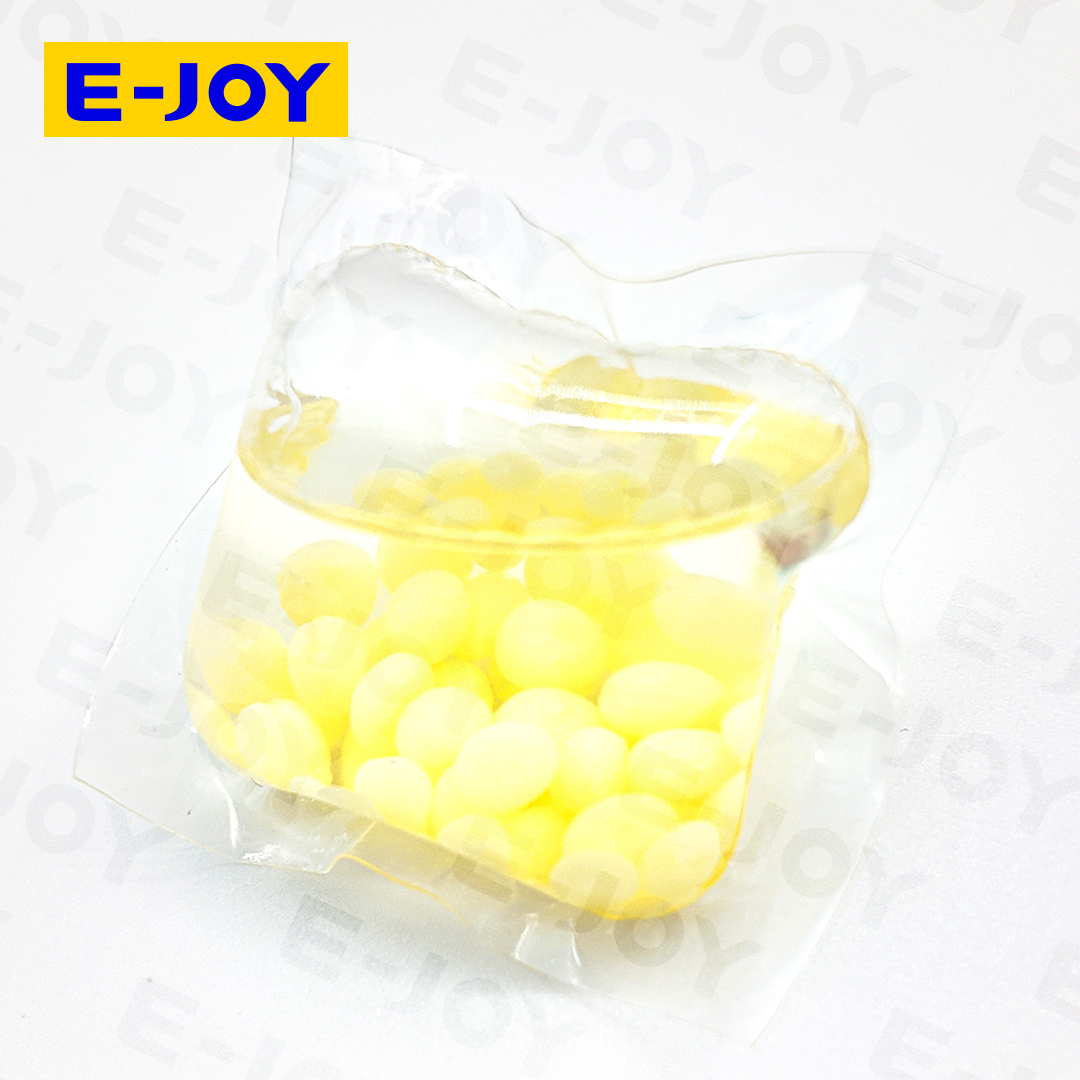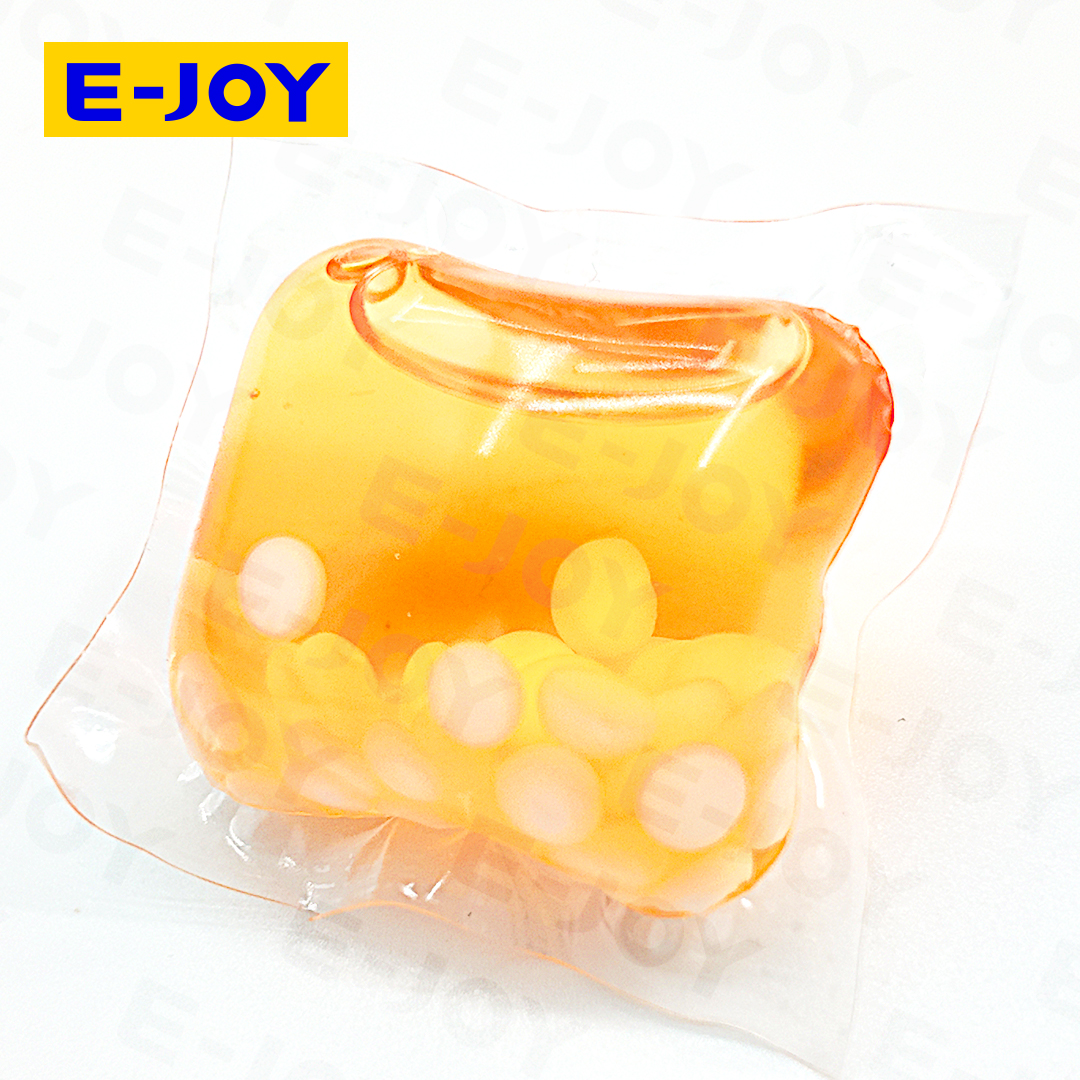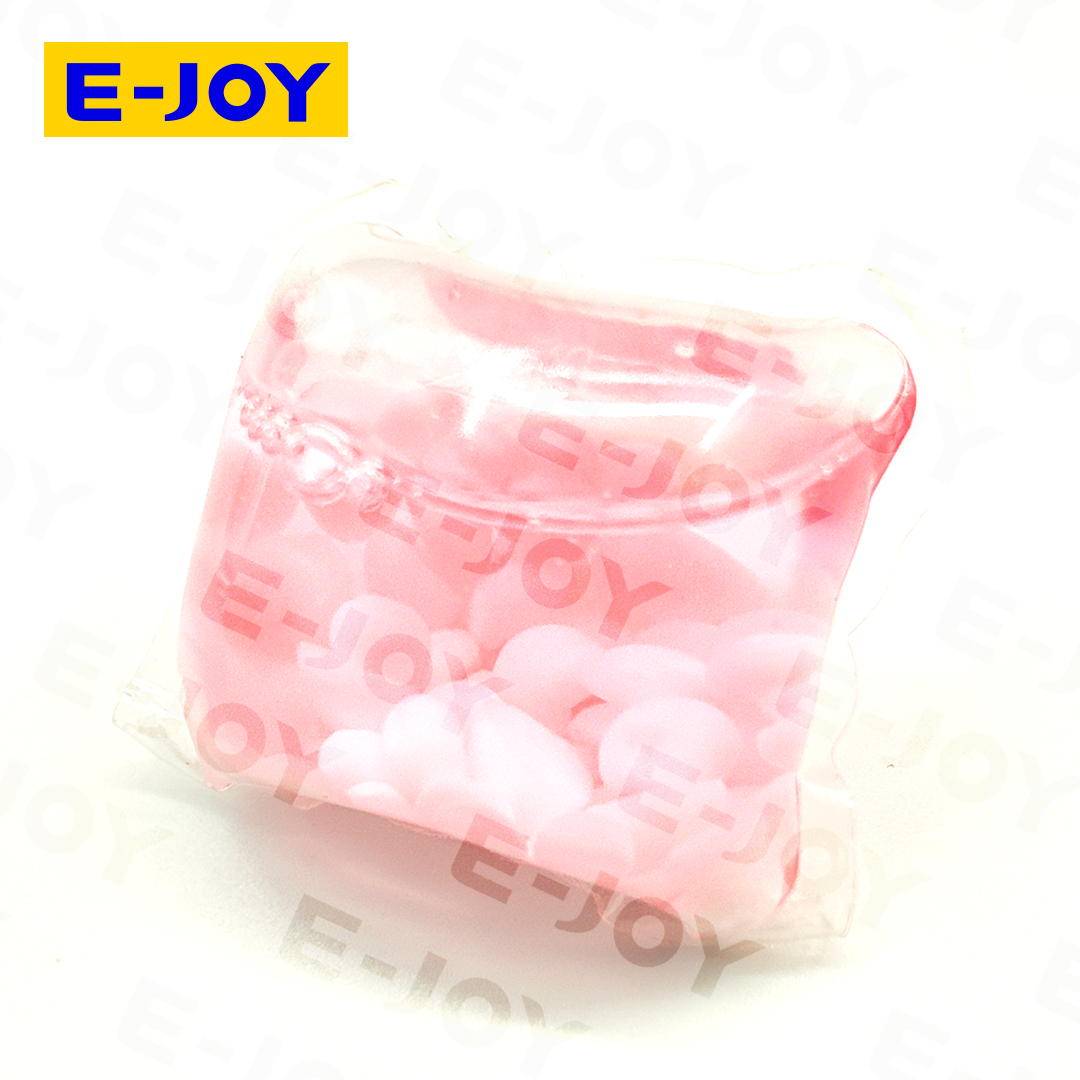

Detergent pods formula development starts with a clear brand brief. First, explain the product needs and sales market. Then, agree on sample options, review steps, and the evidence needed before approving an OEM order.
Review the result.
A useful project begins with clear questions. Also, each requested change needs a defined review step. Keep the chosen product linked to the brief your team approved.
Brand buyers do not need to write a technical recipe. Instead, describe the intended use, preferred scent, product goals, and restrictions. The supplier can then assess which routes are available.
First, separate essential needs from preferences. Next, ask what can be reviewed through samples. Finally, confirm what needs further testing or specialist review.
State the sales market, intended use, scent direction, ingredient restrictions, and cost target. Also, list planned claims and pack needs. Then, agree on samples, feedback rounds, and approval steps.
Start Detergent Pods Formula Development with Clear Goals
First, describe where the product will be sold. Also, identify the intended user and product range. These details help the supplier understand your project.
Next, state the intended laundry use. For example, list the wash conditions your brand wants to assess. Then, ask the supplier how those needs can be reviewed.
In addition, share the expected pack size, planned quantity, and budget range. Keep these as project targets until feasibility and costs are confirmed.
Where the product will be sold
The laundry needs your team wants to assess
Scent, appearance, and ingredient requirements
Budget, quantity, packaging, and target timing
Ask Whether an Existing Option Meets the Brief
First, ask which existing products are available for review. An existing option may match some or all of your needs. However, confirm its details rather than relying on a product name.
Next, list the changes you want to explore. Also, ask whether each change needs further sample work. Do not assume every request can be combined in one product.
Finally, agree on the development scope. State what the supplier will provide and what remains subject to review. Then, confirm the fees and expected steps.
Requested changes?
Further sample work?
Each route needs a clear scope. Therefore, ask the supplier to explain what the quote includes.
Put Preferences into Specific Requests
First, describe the scent direction your brand wants to explore. For example, use a named reference rather than “a nice fresh scent.” Also, list notes you want to avoid.
Next, put ingredient restrictions in writing. Ask the supplier to confirm which requests can be met. If a qualified reviewer needs more detail, agree on a suitable way to share it.
Finally, separate preferences from claims. A scent description does not confirm the presence of a named plant ingredient. Also, an ingredient choice alone does not prove a finished-product benefit.
Review Detergent Pods Formula Development Samples
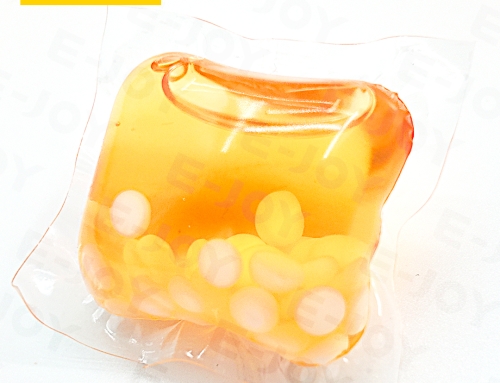
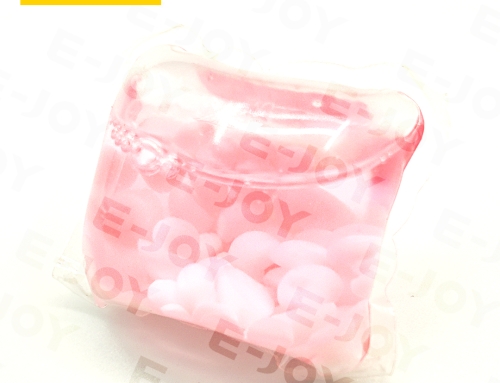
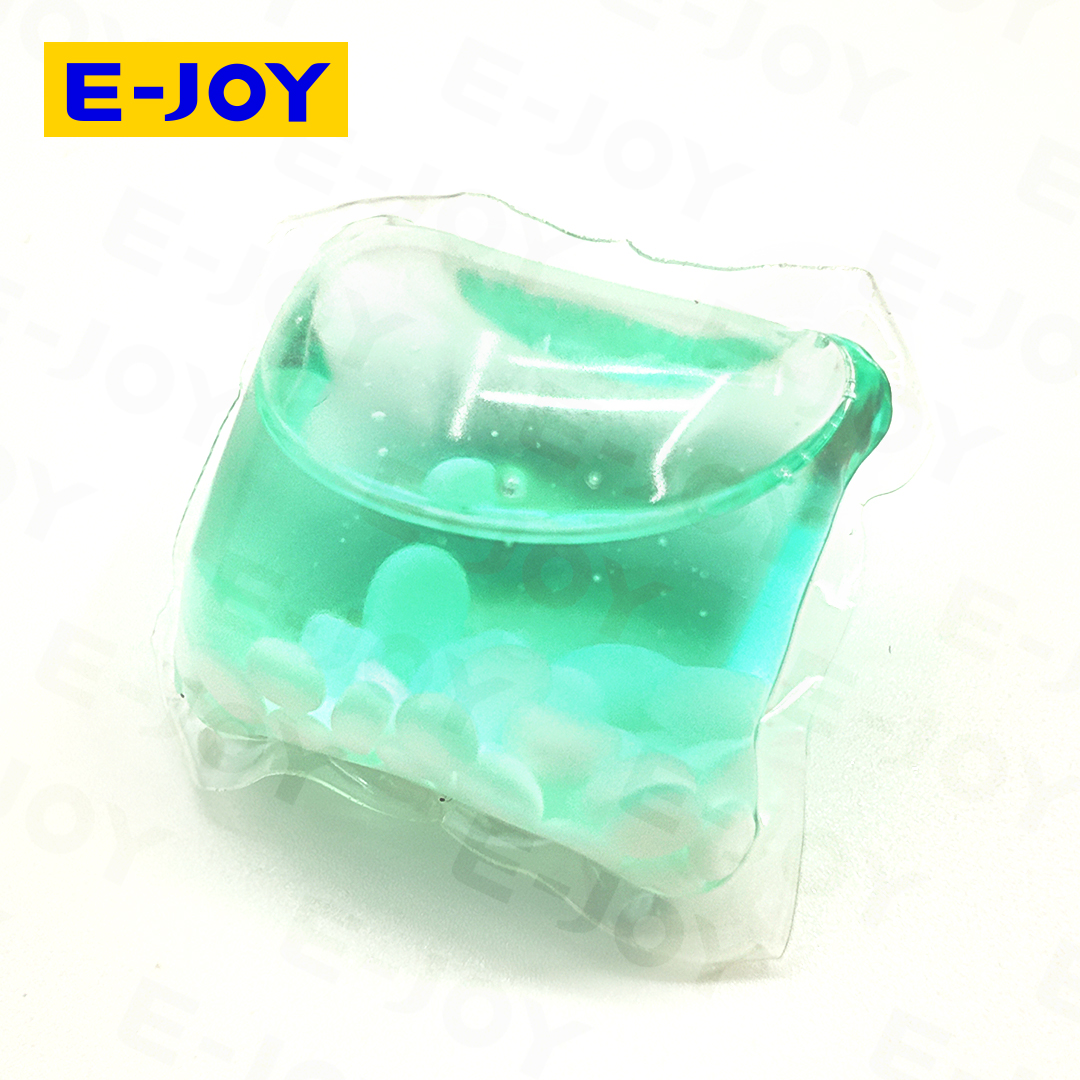
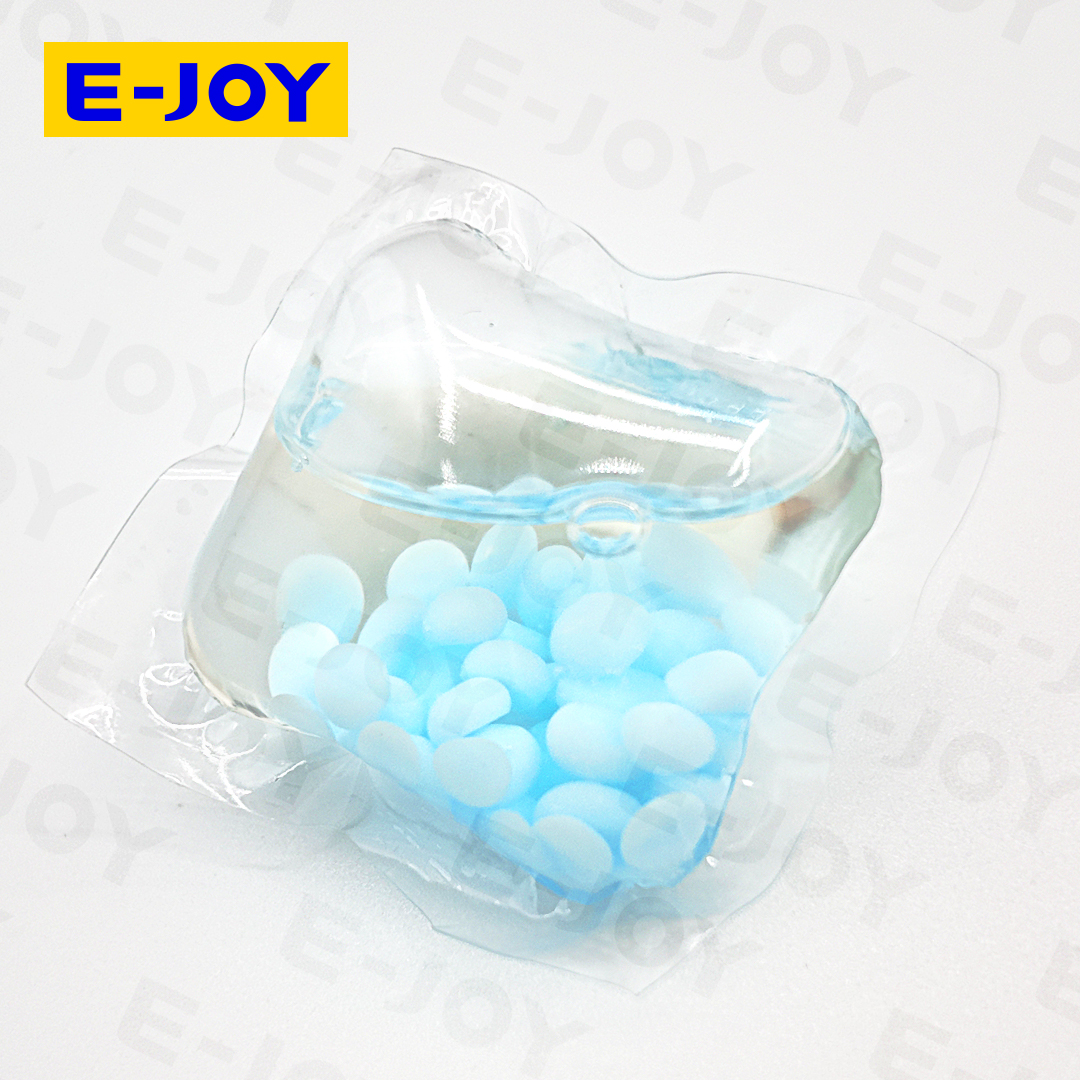
First, give each sample a clear code. Also, record what the sample represents. A stock sample may not be the final version proposed for your order.
Next, agree on how samples will be assessed. Use the same conditions for results you plan to compare. Then, link feedback to the sample code and review stage.
Finally, make comments specific. For example, identify whether the issue concerns scent, appearance, or another agreed requirement. This gives the next revision a clearer target.
First, identify the sample being reviewed.
Also, record how the review was carried out.
Next, state what meets the brief and what needs work.
Finally, approve, revise, or request more evidence.
Match Product Claims to Supporting Evidence
First, list claims planned for the pack and sales page. Then, ask which evidence is available for the chosen product. Keep the wording and supporting records linked.
However, a positive sample review does not support every marketing claim. Also, a report for another version may not cover the selected product. Confirm the scope before using it.
Finally, assign a suitable reviewer for your sales market. Then, complete the wording review before approving pack artwork. This keeps the product brief and brand message aligned.
What does the evidence show?
Do they match?
Confirm Detergent Pods Formula Development Terms
First, ask what the development fee covers. Also, confirm sample quantities, revision rounds, and any separate tests. Do not assume each new request is included in the first quote.
Next, request updated order terms for the selected version. Product choices may affect price, minimum quantity, and timing. Then, confirm which points remain open.
Finally, agree on ownership and any exclusivity terms. A custom project alone does not establish exclusive rights. Put the agreed scope in writing.
First, agree on the needs and project scope.
Next, identify the selected product version.
Finally, record specifications, costs, and dates.
Keep One Clear Reference for the Order
First, link the approved sample to the written product details. Also, include the chosen pack and relevant review records. Keep the final version easy to identify.
Next, agree on how later changes are handled. Then, state which changes need fresh samples or further review. Do not rely on informal messages to define the final product.
Finally, save the order approval and any remaining conditions. This gives both teams a shared starting point for repeat orders.
Selected sample.
Written approval.
Close the open points first. Then, place the order against the agreed product version.
Questions from Brand Buyers
Does every brand need a new formula?
Not necessarily. First, review existing options against your brand brief. Then, ask whether further development is needed for the unmet requirements.
Can buyers request ingredient restrictions?
Yes, include them in the inquiry. However, feasibility must be confirmed. Also, ask what information supports the supplier’s response.
How many sample rounds will a project need?
That depends on the brief and the changes requested. Therefore, agree on the initial scope and review points. Then, confirm any extra fees before further work begins.
Does sample approval confirm all product claims?
No. A sample review covers the points actually assessed. Therefore, review supporting evidence for proposed claims separately. Also, confirm that it covers the selected version.
A clearer review.
Keep sample versions, feedback, evidence, and order approval in the same project file.
Explain the need.
Discuss the options.
To discuss detergent pods formula development with E-JOY, share your market, product goals, scent preferences, and planned quantity through the E-JOY contact page. Then, request current options, sample terms, and a project-based quote.
You can also browse the E-JOY Alibaba storefront. Next, include the relevant product link. Finally, confirm the development scope, approval steps, and order terms in writing.
Buyer note: This guide covers project planning and buyer communication, not a technical formulation method. Available options, evidence, minimum quantities, costs, and timing need confirmation for the chosen project.