
PRIVATE LABEL BUYER GUIDE
Private Label Manufacturing
A Project Guide for Brands & Importers
The detergent pods private label manufacturing process involves several important decisions before a product is ready for the market. For brand owners and importers, the project usually starts with product requirements and supplier communication. Next, buyers need to consider specifications, sample evaluation, packaging design, and order details. Therefore, understanding these stages can help buyers organize their sourcing projects and communicate more clearly with an OEM manufacturer.
PROJECT OVERVIEW
01 REQUIREMENTS
Define product and market needs.
02 SAMPLES
Review product samples.
03 PACKAGING
Confirm branding and pack details.
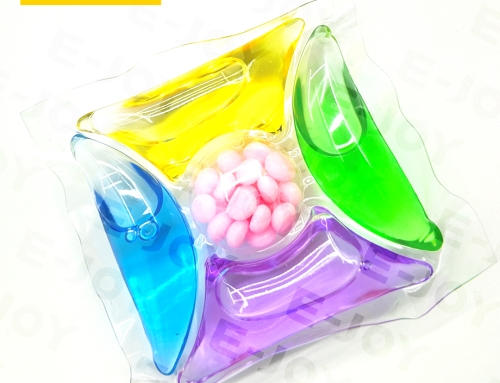
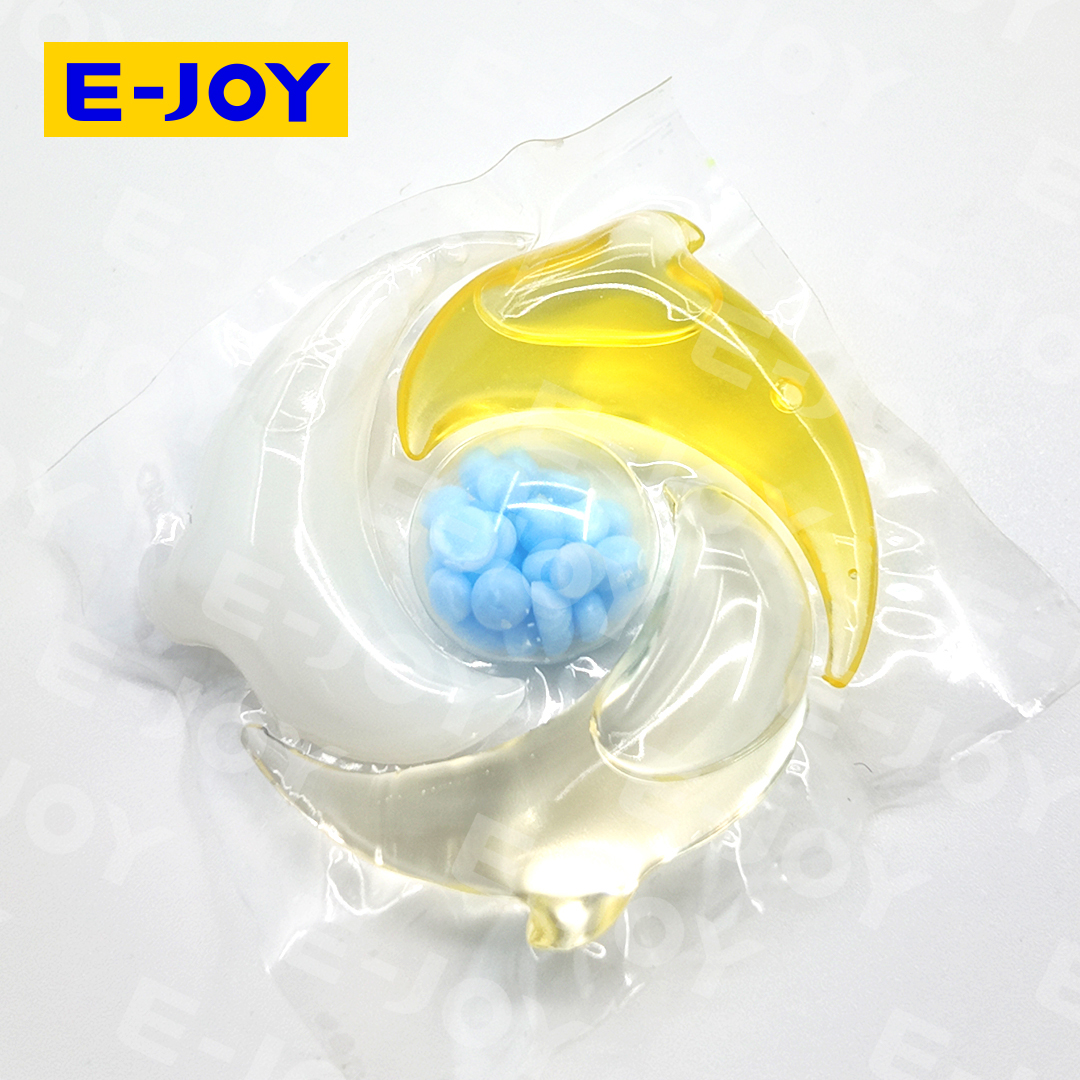
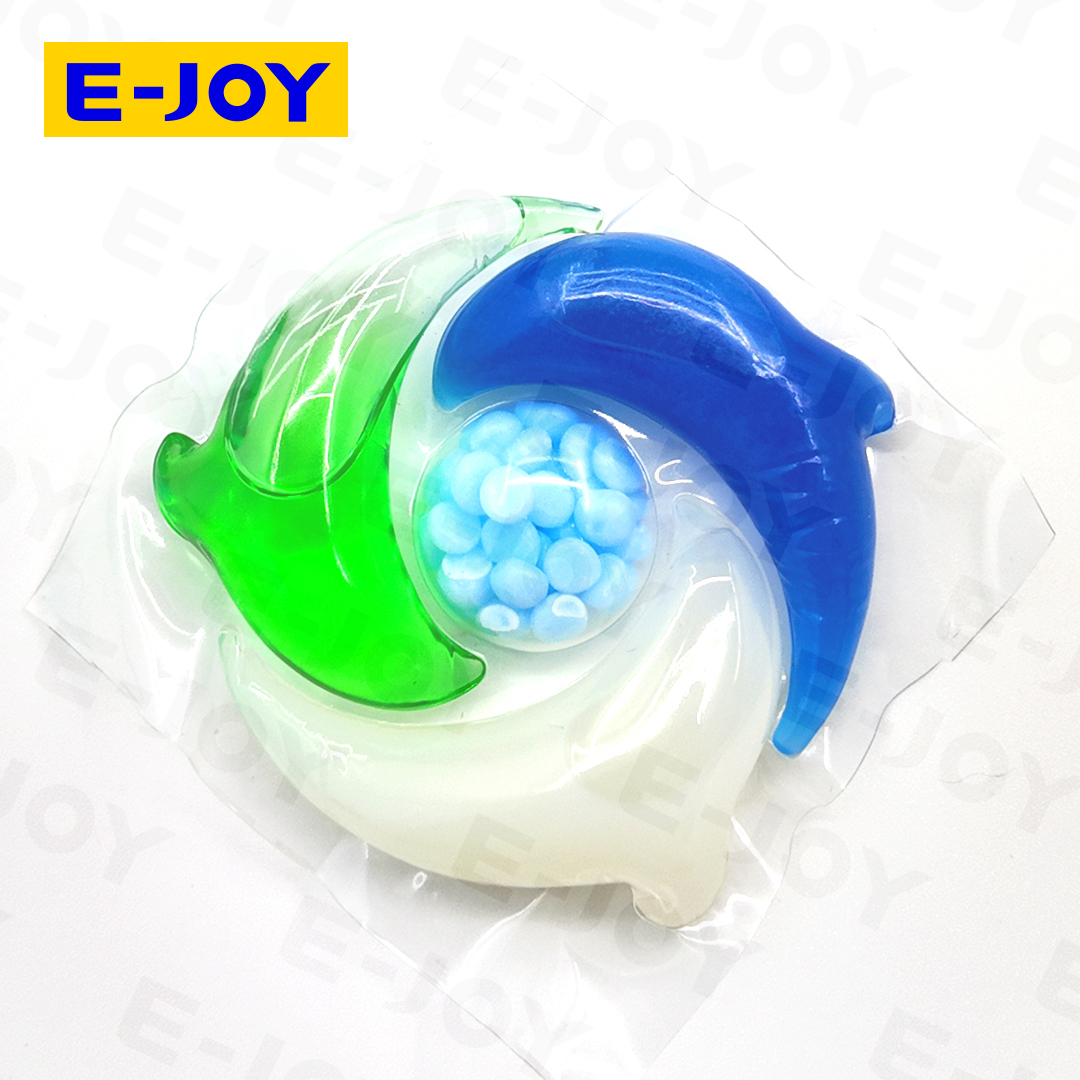
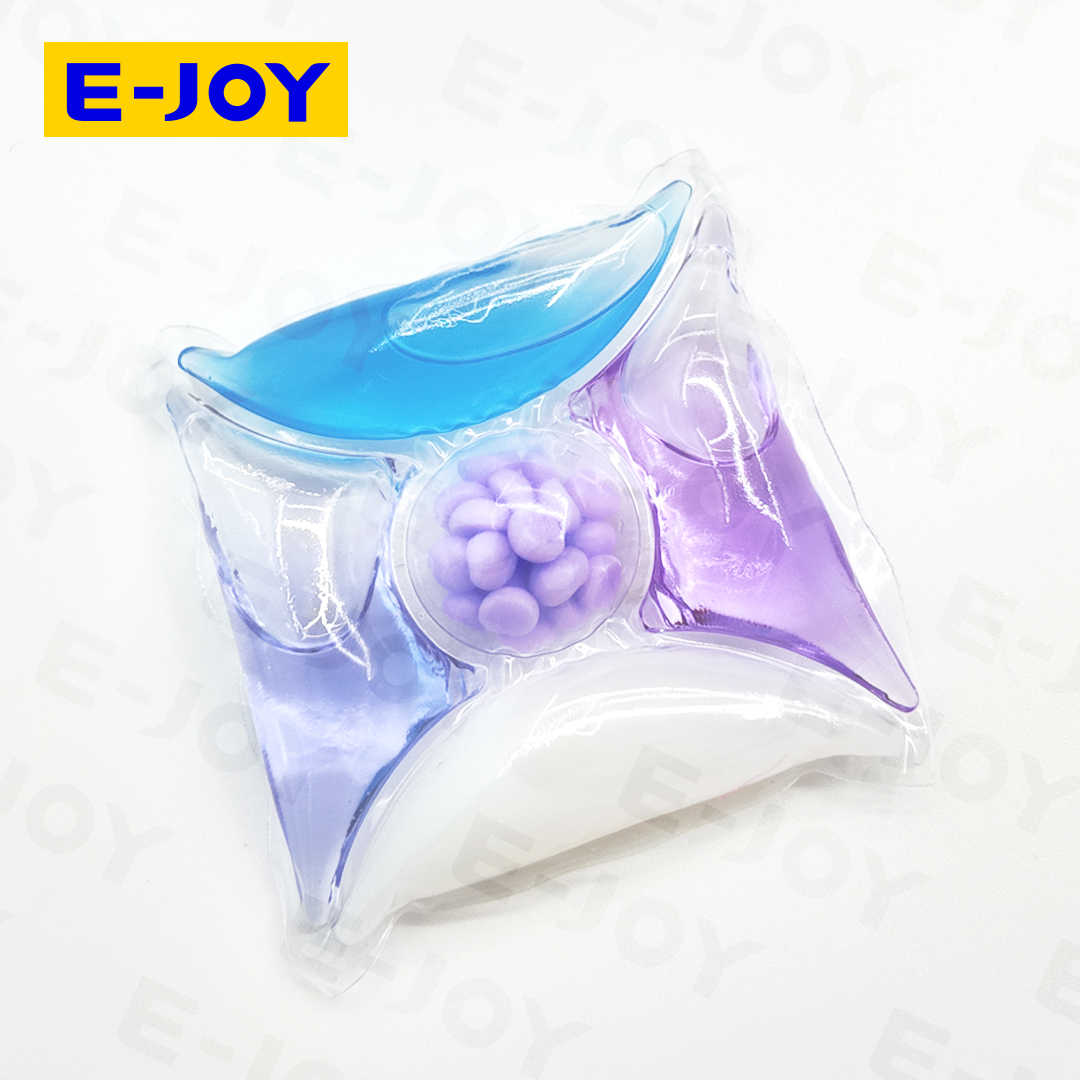
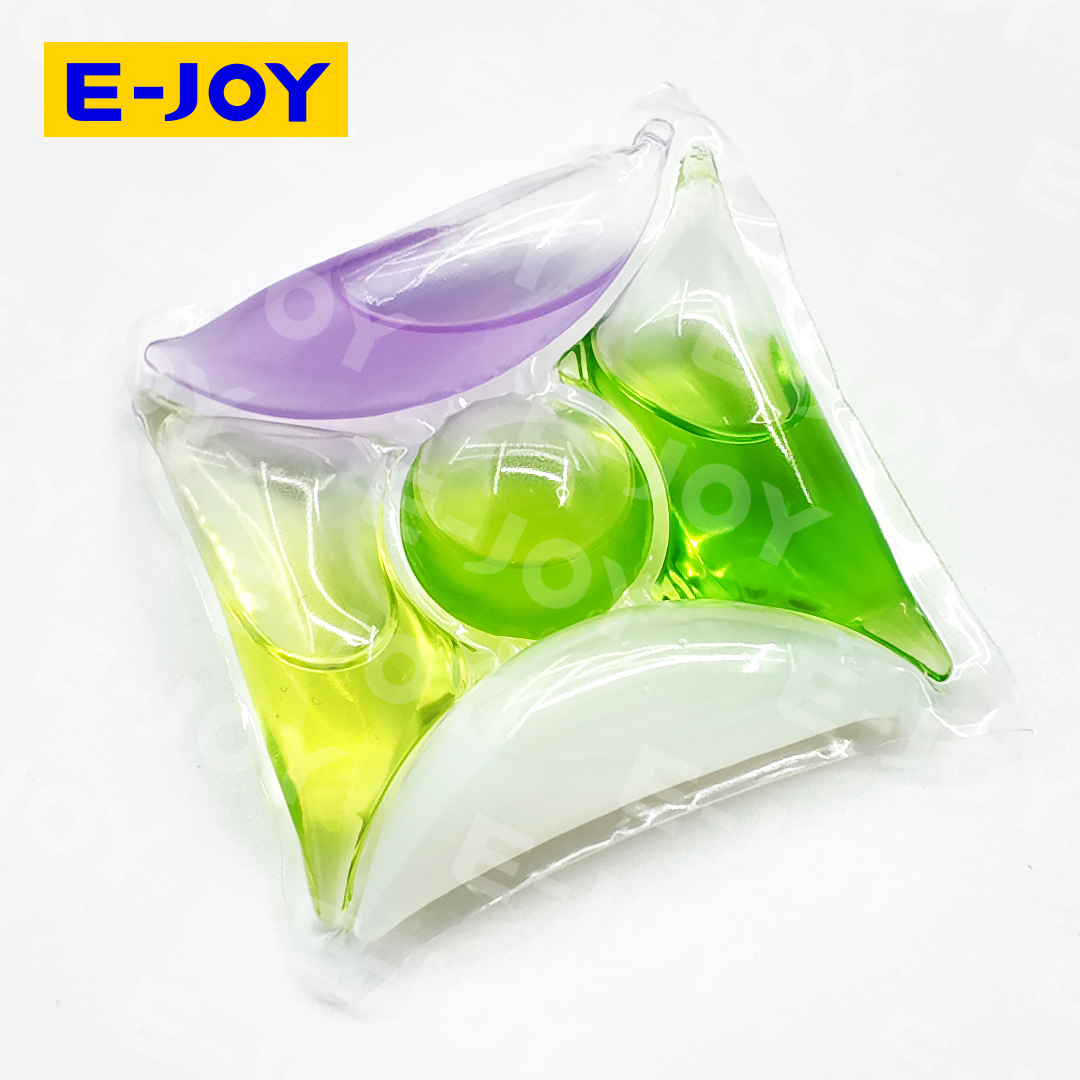
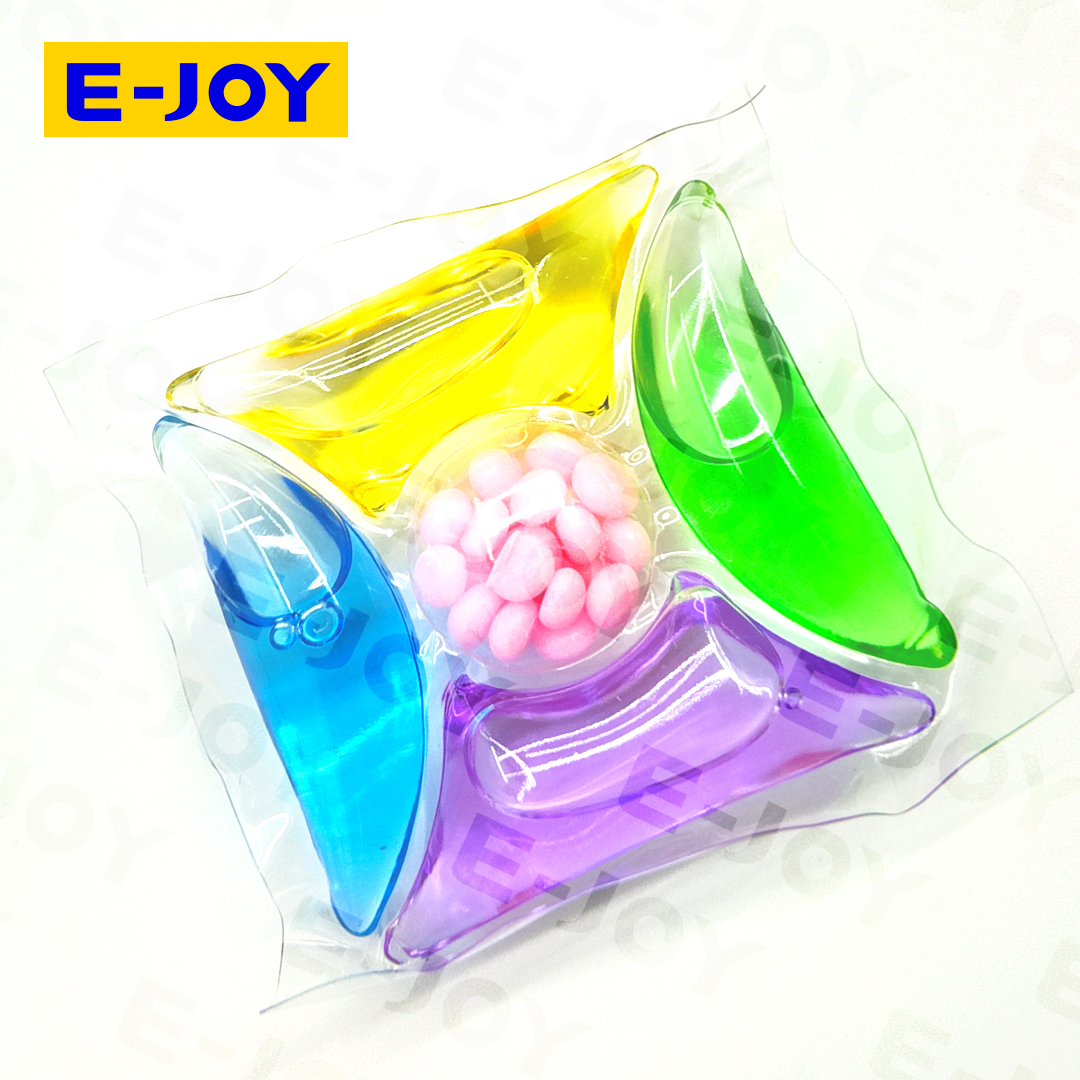
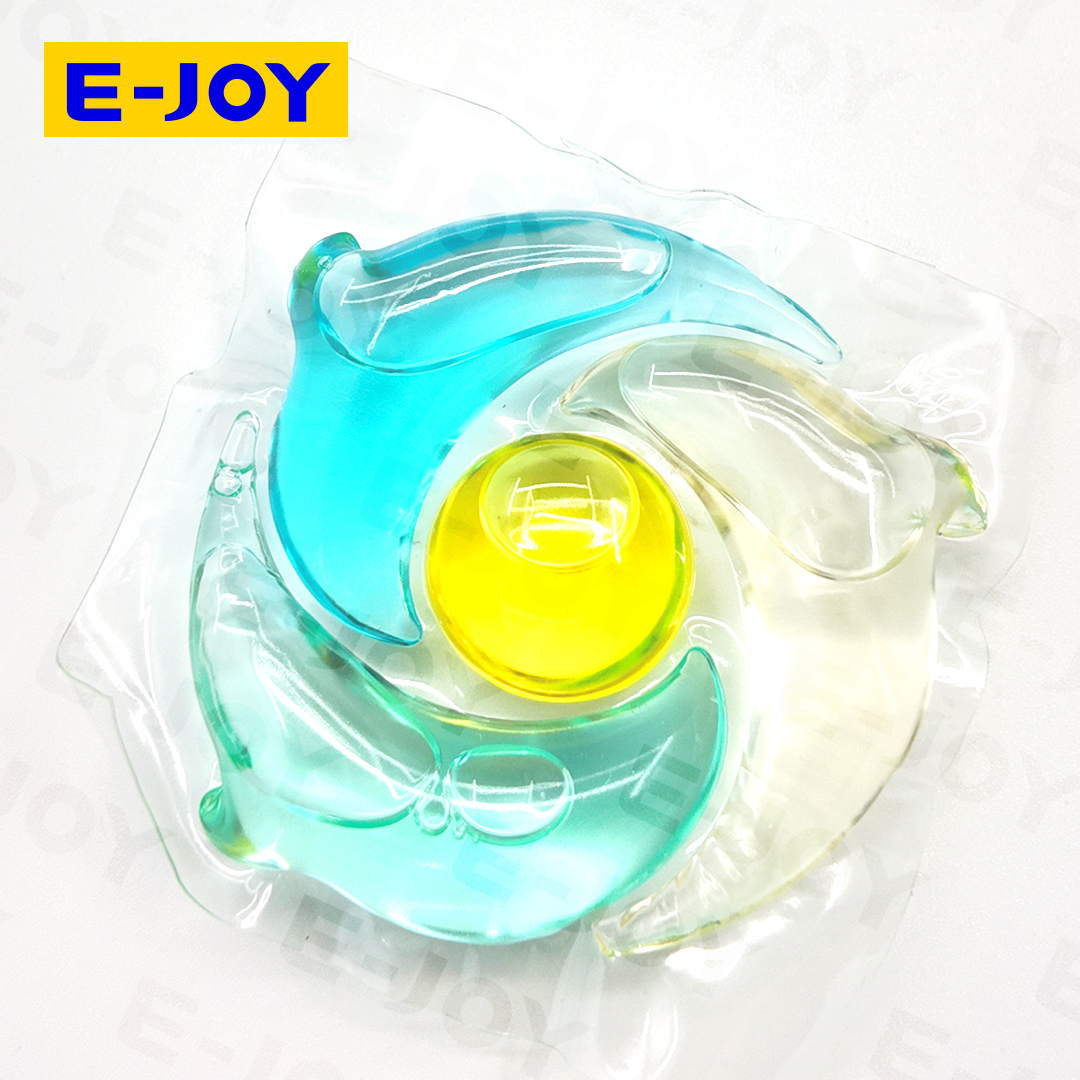
A private label project is not only about selecting a laundry product. Buyers also need to consider brand positioning, customer expectations, packaging preferences, and destination market requirements. Explore the E-JOY laundry pods product range for more product information.
01
Define Your Product Requirements
The first step in a detergent pods private label project is to define the product requirements. Buyers should consider the intended customers, target market, and product positioning. These factors help determine which product specifications are suitable for the brand.
For example, a brand targeting family households may have different product preferences from one serving a premium retail segment. In addition, buyers should consider fragrance preferences, product appearance, and pack quantity.
Therefore, preparing a clear product brief before contacting suppliers can make the initial discussion more efficient. It also gives both parties a common reference for the project.
BUYER CHECKPOINT
Have you defined your target customers and preferred product specifications?
02
Select an OEM Manufacturing Partner
Choosing a suitable OEM partner is an important decision for a private label project. Buyers should review the supplier’s product range, business information, communication, and ability to discuss the requested specifications.
In addition, overseas buyers may need to understand the supplier’s experience with export orders and private label requirements. Clear communication is particularly important when both parties are working across different countries and time zones.
Before moving forward, buyers should discuss the project scope, estimated order quantity, available customization options, and expected delivery arrangements. These discussions help establish realistic expectations.
BUYER CHECKPOINT
Can the supplier clearly explain the available products and customization options?
03
Review and Approve Product Samples
Sample evaluation gives buyers an opportunity to review a product before making a larger purchasing decision. During this stage, buyers can compare the sample with their original product brief and discuss any differences with the supplier.
Product appearance, fragrance, packaging presentation, and other agreed specifications may be included in the review. However, the evaluation criteria should depend on the product requirements established at the beginning of the project.
Once the sample meets the buyer’s expectations, both parties can confirm the agreed product details. Keeping a clear record of the approved sample and specifications can help avoid misunderstandings in later discussions.
BUYER CHECKPOINT
Does the sample match the product requirements agreed with your supplier?
04
Confirm Packaging and Brand Design
Packaging is an important part of private label product development. It communicates the brand identity and provides product information to customers. Therefore, buyers should consider the packaging format, pack quantity, design, and labeling requirements.
Different sales channels may have different packaging preferences. For example, supermarket products may require a different presentation from products sold through online retail platforms.
In addition, buyers should review the final artwork and product information before confirming the packaging details. The required language, labeling information, and applicable market requirements should also be considered.
BUYER CHECKPOINT
Have the packaging design and product information been reviewed and approved?
05
Confirm the Order Details
After the product and packaging requirements have been agreed, buyers can move on to order confirmation. Important details include the product specifications, order quantity, unit price, packaging information, and agreed commercial terms.
Furthermore, buyers should clarify the payment arrangements, estimated schedule, and responsibilities of both parties. Written confirmation helps keep the purchasing information consistent.
For international orders, it is also useful to discuss shipping arrangements and the documents required for the destination market. These details should be confirmed before the order is finalized.
BUYER CHECKPOINT
Are the product specifications, order quantity, price, and delivery terms clearly documented?
Frequently Asked Questions About Private Label Laundry Pods
QWhat is a private label laundry pods project?
A private label project allows a brand to develop laundry pods under its own brand identity. Buyers discuss product specifications, available customization options, and packaging requirements with an OEM manufacturer. The final project details depend on the agreement between both parties.
QCan I customize laundry pods for my own brand?
Customization options can be discussed according to the brand’s requirements. These may include product specifications, fragrance preferences, packaging formats, and brand artwork. Buyers should confirm the available options directly with their selected manufacturer.
QWhy should buyers review samples before ordering?
Sample review allows buyers to compare the proposed product with their requirements. It also provides an opportunity to discuss product preferences and clarify specifications before confirming an order.
QWhat information should importers prepare?
Importers should prepare their target market, estimated order quantity, preferred product specifications, packaging requirements, and brand information. In addition, they should communicate any specific documentation or labeling requirements for their destination market.
Final Thoughts
A detergent pods private label project involves more than choosing a product. Buyers also need to define their requirements, review samples, confirm packaging, and agree on order details. By preparing these details in advance, brands and importers can communicate more effectively with OEM suppliers. A clear project brief also provides a useful reference throughout the purchasing process.
Discuss Your Laundry Pods OEM Project
Are you planning to develop your own laundry pods brand? Contact E-JOY through our contact page to discuss your product requirements, packaging preferences, and OEM project details.
You can also visit the E-JOY Alibaba storefront to explore product information and contact our team about your sourcing requirements.