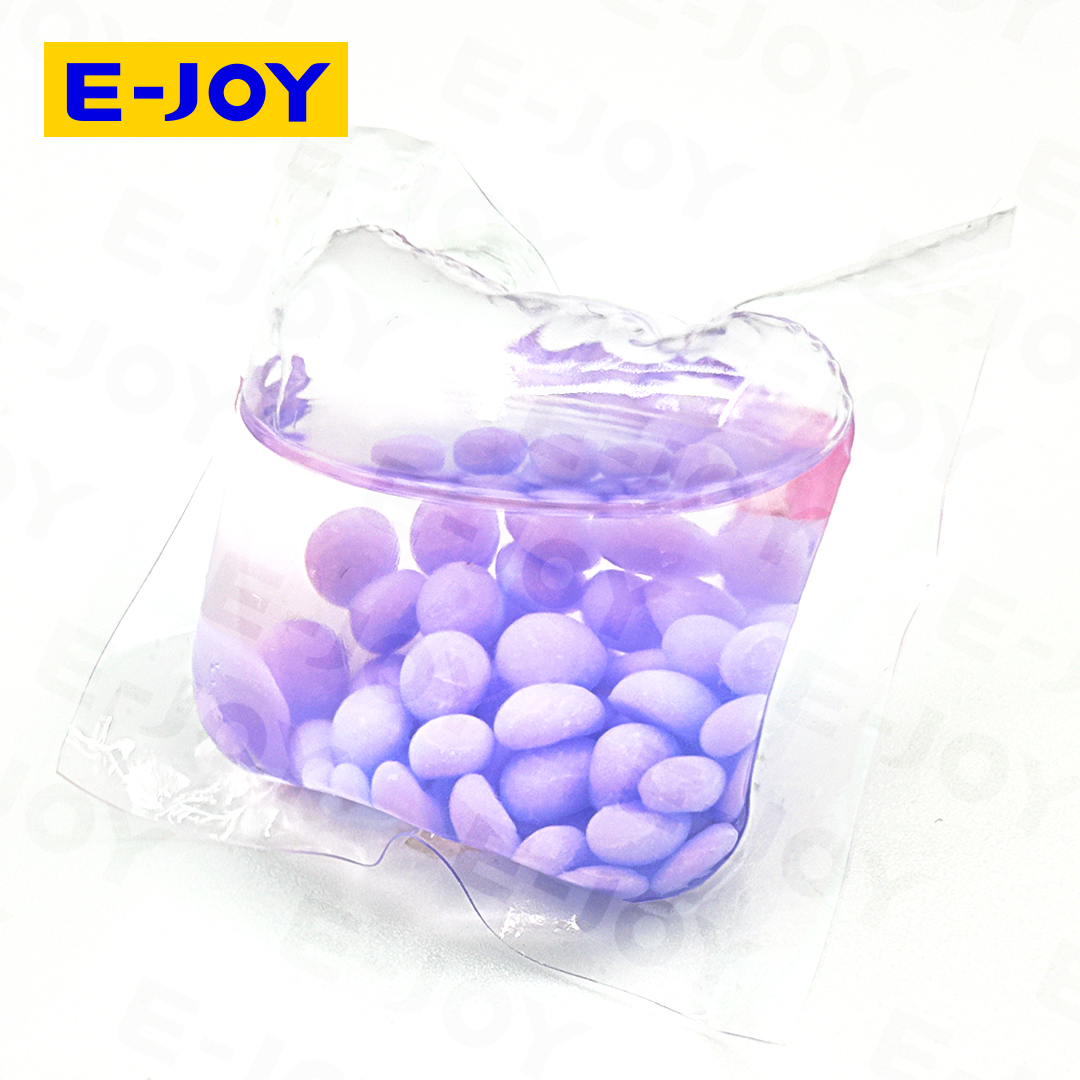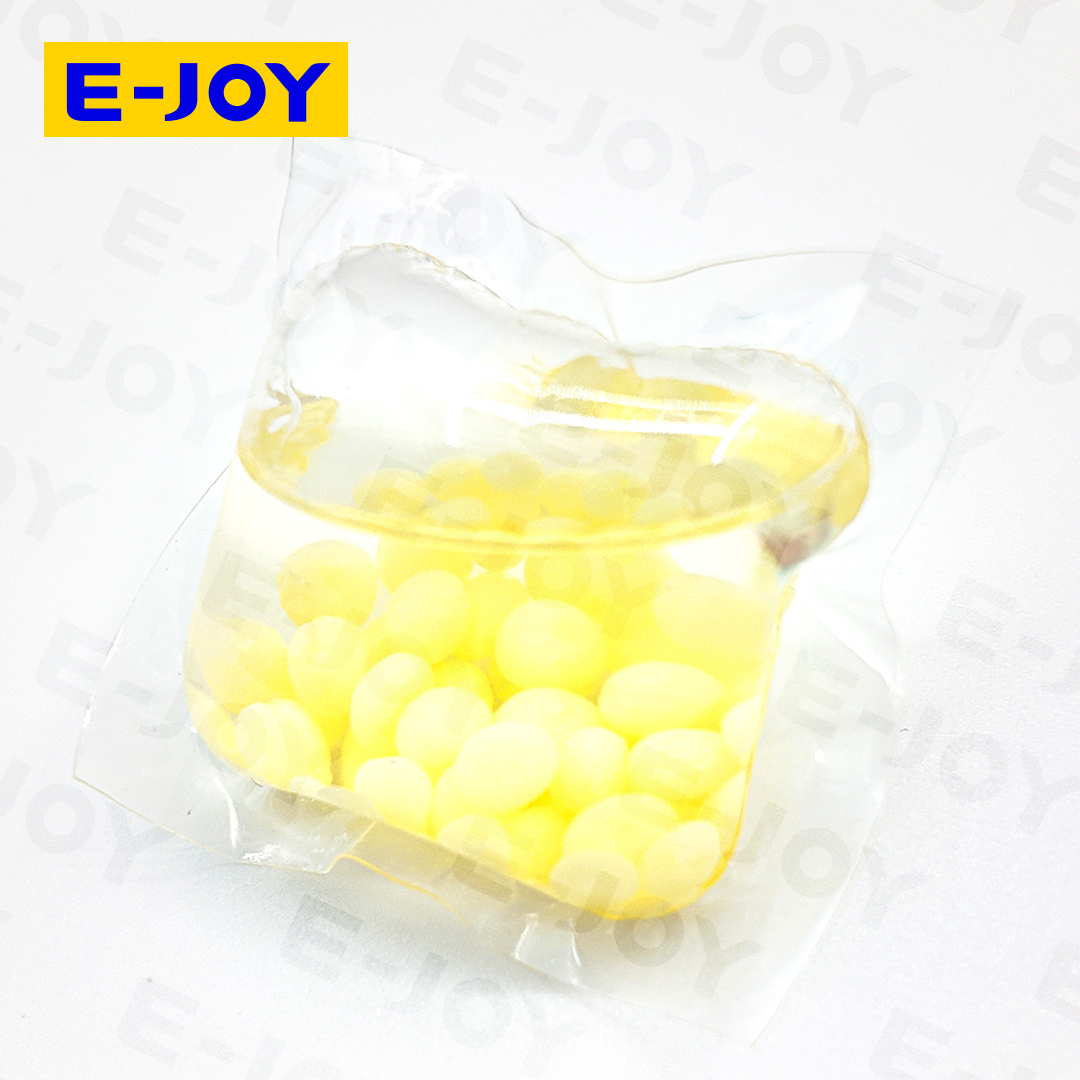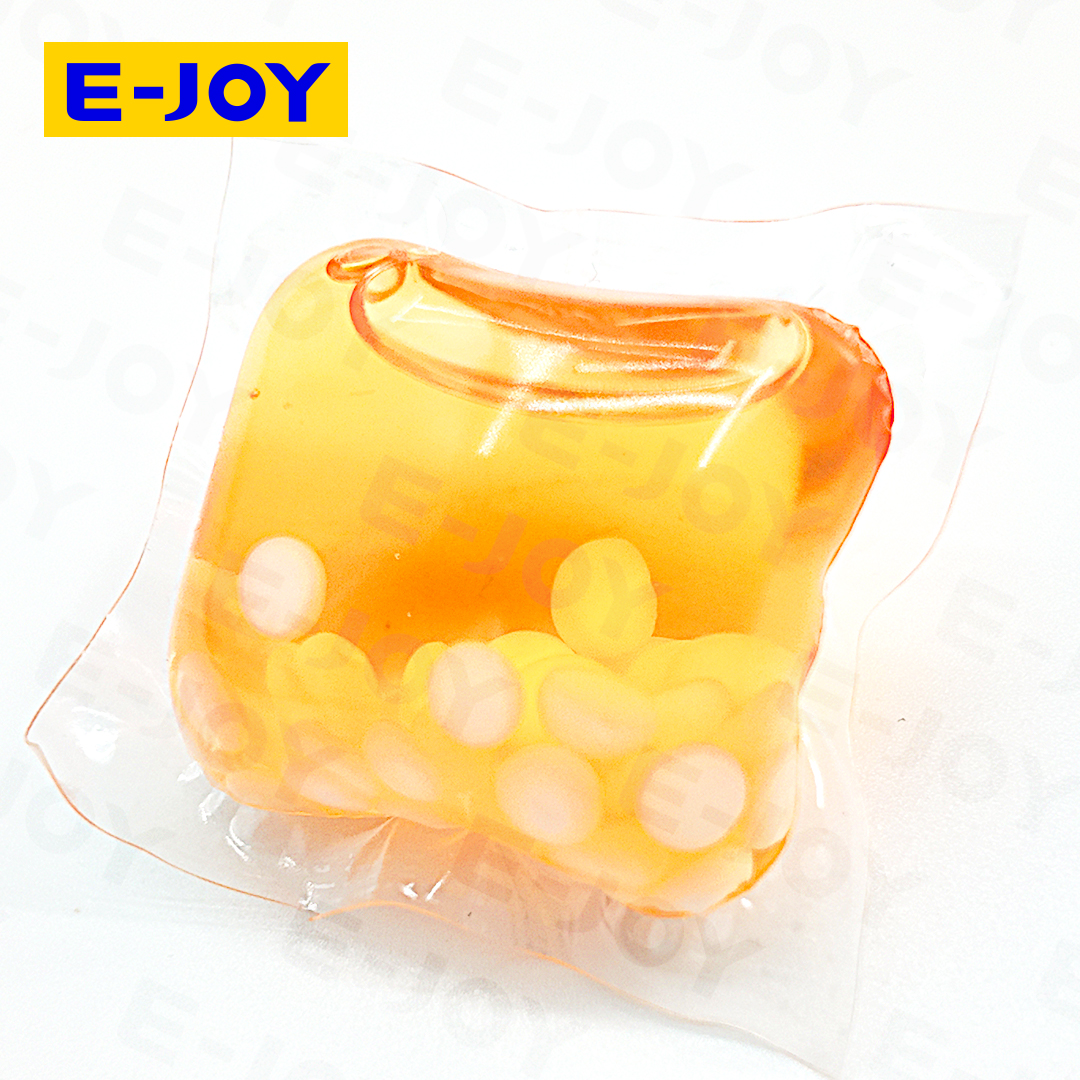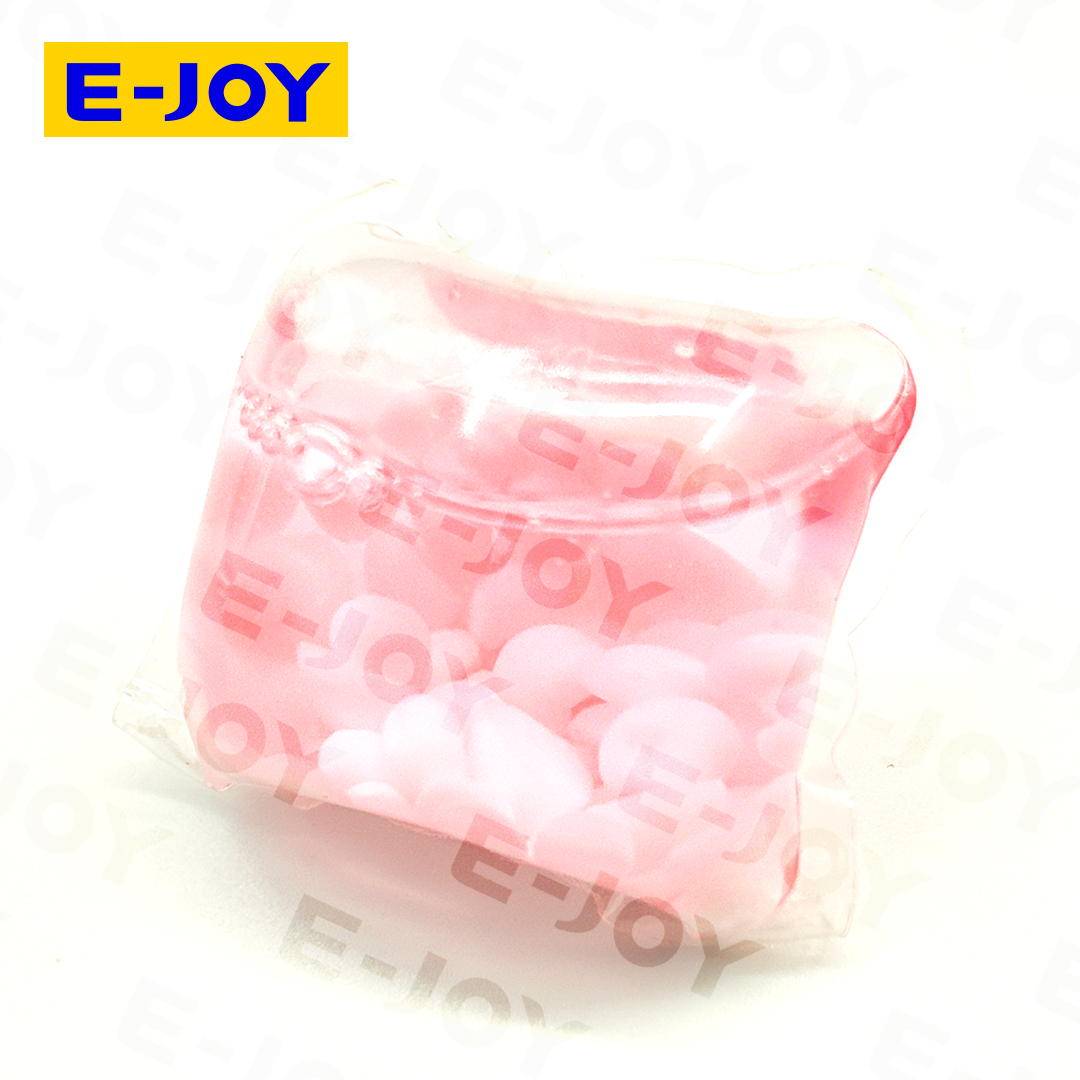

Detergent pods quality control starts with a clear agreement on what your brand will receive. First, approve the sample and pack details. Then, define the checks, records, and approval steps for the OEM order.
Recorded checks.
A good sample is a starting point. However, an order also needs written details and agreed review steps. Keep both linked to the goods you will buy.
For private label buyers, quality checks should answer practical questions. Is this the chosen product? Does the pack carry the correct label? Also, do the counts and records match the order?
Define the approved product, packaging, counts, and review records. Also, state how samples will be selected for inspection. Finally, agree on what happens if a requirement is not met.
Define Detergent Pods Quality Control Before Ordering
First, write down the product details your team has chosen. Include the product reference, scent, pack format, and pods per pack. Also, identify the final artwork version.
Next, give each review item a clear requirement. For example, “correct label version” is easier to check than “good packaging.” Then, agree on how the result will be recorded.
Finally, confirm which points the supplier accepts. If a detail remains open, assign an owner and due date. Resolve it before the relevant order stage begins.
Chosen item, scent, and sample version
Format, count, label, and carton details
Checks, records, and approval responsibilities
Keep Sample Approval Clear and Traceable
First, confirm what the sample represents. Is it a stock item or the proposed order version? Also, ask whether the sample pack uses your final artwork.
Next, record what your team has approved. For example, scent approval does not automatically approve the pack design. Keep separate notes where needed.
Finally, retain the approved reference under agreed storage conditions. Then, link it to the written product details. A sample alone cannot explain every order requirement.
First, name the selected version.
Next, list changes or missing details.
Finally, record who will close each point.
Include Packaging in Detergent Pods Quality Control
First, confirm the correct container and label are used. Also, check that the scent name, pack size, and artwork match the order. Similar-looking variants still need clear identification.
Next, review the agreed pack-condition checks. These may include damaged containers, loose closures, visible leakage, and unclear print. Define what counts as an unacceptable result.
In addition, confirm how pack counts are checked. Then, verify the number of retail packs per shipping carton. Record any difference from the agreed order.
First, match the product and scent to the order.
Next, review damage and other agreed pack issues.
Also, confirm units per pack and packs per carton.
Finally, check that the required batch code is readable.
Agree on Inspection Scope and Evidence
First, agree on when the inspection takes place. Also, define which goods will be ready and how samples will be selected. A few photos alone do not show the condition of an entire order.
Next, state how many units will be checked. Then, agree on how different faults affect the inspection result. Put those terms in writing before the review.
Finally, request the agreed evidence. This may include inspection notes, count records, and clear photos. Also, link each record to the correct order and batch.
What was found?
What happens next?
Clear records help both teams discuss the same issue. Therefore, use specific findings rather than a general “looks fine.”
Define Release Steps in Your Detergent Pods Quality Control Plan
First, identify who can approve shipment. Also, state which records must be reviewed. Do not leave this decision until the goods are ready to leave.
If a requirement is not met, identify the affected goods. Next, ask the supplier for a proposed action. Then, agree on any further checks before release.
Finally, record the decision and any revised dates. Also, confirm who will update the buyer. An open issue should have a clear owner and next step.
Keep the Current Order Version on File
First, save the approved product, artwork, and pack-count details. Also, keep the inspection records and shipment approval. These files provide a starting point for reorders.
Next, check whether anything has changed. For example, a new pack size needs updated order details. Then, confirm which checks or approvals must be repeated.
Finally, review feedback from the previous delivery. If a recurring concern was found, agree on a clear follow-up step. This keeps the next order focused on actual findings.
Clear records.
Written approval.
Close the agreed checks first. Then, release the order through the approval process you have defined.
Questions from OEM Buyers
Is sample approval enough for a bulk order?
A sample provides a reference. However, the order also needs written details and agreed inspection steps. Confirm both before the order proceeds.
Can photos replace a full inspection?
Photos can support a review. However, they show only what was photographed. Therefore, agree on the inspection scope and records your team needs.
Does a packaging check prove cleaning performance?
No. It checks the agreed packaging points. If your brief includes cleaning claims, request suitable supporting evidence separately. Also, confirm that it covers the chosen product.
What should buyers do after finding an issue?
First, record the order, batch, and affected quantity. Also, keep clear photos where useful. Then, contact the supplier and agree on the next review step.
A clearer review.
Keep the approved sample details, pack requirements, and inspection records linked.
Define the checks.
Agree on the records.
To discuss detergent pods quality control with E-JOY, share your product brief, pack format, order quantity, and review needs through the E-JOY contact page. Then, ask which checks and records can be agreed for your order.
You can also browse the E-JOY Alibaba storefront. Next, include the relevant product link. Finally, confirm the product details, inspection scope, and approval terms in writing.
Buyer note: This guide covers purchase and inspection planning. It does not state verified factory procedures or product test results. Agree on checks suited to your product and sales market.