
FORMULA PLANNING · OEM PROJECTS · PRIVATE LABEL
A laundry detergent pods formula should match the wash task, pod film, and planned product claims.
For OEM brands, formula choice starts with a clear brief. First, define the wash goals and target market. Then, review the available options with the factory.
This guide explains common formula routes. It also shows how to compare samples before private label production.
Quick Answer for Brand Owners
There is no single formula for every laundry pod. Brands can discuss wash goals, foam, scent, enzymes, and other formula needs. However, each option must suit the film and pack. Therefore, approve samples and test criteria before placing a bulk order.
How to Choose a Laundry Detergent Pods Formula
Start with how the product will be used. For example, note the machine type, wash temperature, load size, and common stains. These details give the factory a useful starting point.
Next, define your target cost and pack size. Also, list the claims you plan to print. The formula and test plan should support those claims.
Give Each Goal a Clear Meaning
A term such as “strong cleaning” is hard to assess. Instead, name the stain types and wash conditions. Then, agree on how the samples will be tested.
Formula Options to Discuss with Your OEM Supplier
The following options are starting points for discussion. They are not fixed grades. Also, some features may be combined in one formula. Ask which options the supplier can develop and test.
FORMULA ROUTE 01
Everyday Wash Formula
This route starts with routine laundry needs. First, define the soil types and intended dose. Then, review cleaning results under agreed conditions.
Also, check foam, rinse results, and scent. A balanced brief helps the supplier assess the product against your target cost.
FORMULA ROUTE 02
Enzyme-Based Formula
Enzymes may help with selected stain types. However, different enzymes have different roles. Therefore, ask which stains the proposed blend targets.
Next, review results in the finished product. Also, ask how enzyme activity holds up during storage. The presence of enzymes alone does not prove a cleaning claim.
FORMULA ROUTE 03
Low-Temperature Wash Formula
This brief focuses on a defined cool wash. First, state the temperature and cycle. Then, assess both cleaning and film dissolution.
These are separate checks. A pod may dissolve without reaching the cleaning goal. Therefore, both results need review before approval.
FORMULA ROUTE 04
Color-Care Formula
A color-care brief sets goals for colored fabrics. For example, buyers may want to assess shade change over repeated washes.
However, the claim needs a clear test method. Also, state the fabrics, wash cycles, and pass limits. This makes sample results easier to compare.
FORMULA ROUTE 05
Fragrance-Free or Scented Formula
Brands may discuss a fragrance-free route or a chosen scent profile. First, confirm what the proposed formula contains. Then, review the label wording.
A fragrance-free formula does not by itself prove a sensitive-skin claim. Likewise, a strong scent does not prove long wear. Any such claim needs suitable evidence.
Why Formula and Film Must Work Together
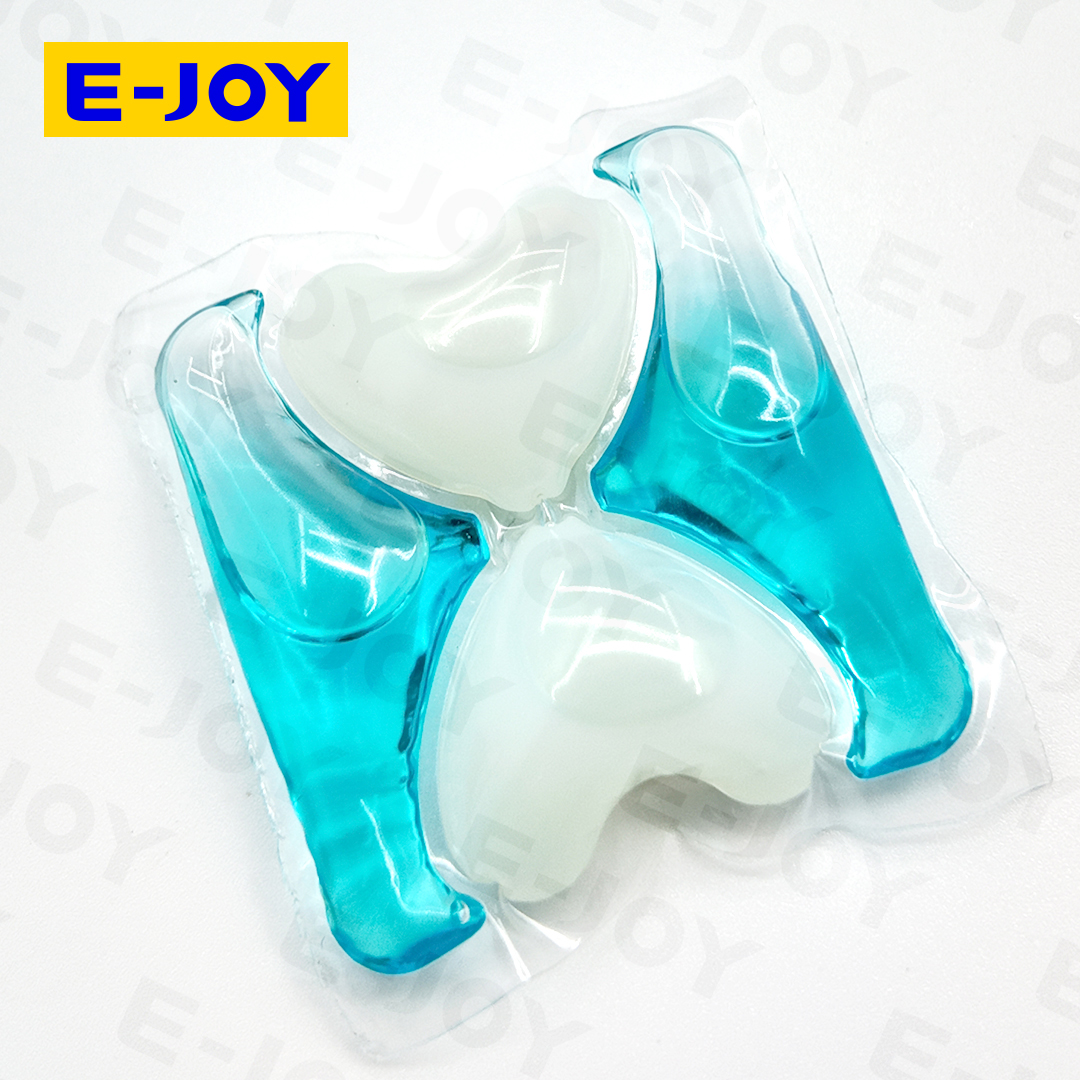
Laundry pods use water-soluble film. The liquid inside must suit that film. Therefore, a formula change may need more than a wash test.
For example, review the pod during storage. Check for leaks, changes in shape, and changes in film condition. Also, assess how the pod dissolves in the intended wash.
Review the Finished Pod
- Formula and film fit
- Seal condition and leakage
- Pod shape and appearance
- Dissolution in the planned wash
- Storage results in the final pack
The pack also plays a role. It should help protect the pods during storage and transport. So, test the approved product in the planned pack.
How to Compare Formula Samples
Use the same test conditions for each sample. Otherwise, the results may be hard to compare. Agree on the test plan before the review starts.
01. Set the Wash Conditions
Record the machine, cycle, temperature, and load. Also, note water hardness and the product dose. Keep these details the same for each comparison.
02. Use Clear Pass Criteria
Next, define what counts as a pass. This may cover cleaning, film residue, scent, or fabric appearance. Use a method that fits the claim.
03. Review Storage Results
Also, check the samples after agreed storage tests. Review scent, color, leaks, and film condition. Ask how these tests support the proposed shelf life.
04. Record the Approved Version
Finally, record the formula and sample codes. Keep the test results with the product spec. Then, use these records for the bulk order.
What Affects Formula Cost and MOQ?
Formula cost depends on the blend and intended dose. Scent, enzymes, and other ingredients may affect the quote. Also, new materials may have their own order minimums.
Therefore, compare quotes using the same product brief. Check the pod weight, formula reference, pack count, and test scope. A lower price may cover a different product.
Ask Before You Approve the Quote
- Is the formula existing or newly developed?
- Which sample and test costs are included?
- What is the MOQ for each formula and scent?
- Does the quote include the final pack?
- When does the agreed lead time begin?
Keep Claims and Formula Records Aligned
Review product claims before printing the label. For example, a cold-wash claim needs evidence under stated wash conditions. An ingredient list alone does not prove the result.
Also, check that product documents match the approved formula and market. If the formula changes, review the documents again. Some changes may need new tests or label updates.
Before a repeat order: Confirm the formula code, scent, film, and pack version. Then, agree on any changes in writing before production starts.
Common Formula Questions
Can we start with an existing formula?
Yes, if it fits your brief. However, you still need to review samples, test results, and planned claims. Also, confirm the pack and order terms.
Can the scent change without changing the formula?
A scent change may affect the finished blend. Therefore, ask the supplier to review the change. New samples or storage checks may be needed.
Does more foam mean better cleaning?
Foam level alone does not show cleaning performance. Instead, review wash results under agreed conditions. Also, choose a foam level suited to the intended machine.
Can one formula serve every market?
Do not assume that it can. Wash habits, product rules, and label needs may differ. Therefore, review each target market before approval.
Discuss Your OEM Formula Brief with Ejoy
Start with your wash goals, target market, scent needs, and expected volume. Then, use the Ejoy contact page to discuss laundry detergent pods formula options and sample review.
You can also visit the Ejoy Alibaba storefront to review listed products. Before ordering, confirm the available formula, test scope, MOQ, and lead time directly.
START WITH YOUR WASH GOALS
Build a Clear Formula Brief
Share your wash conditions, product claims, scent direction, and target cost. These details help guide the sample discussion.