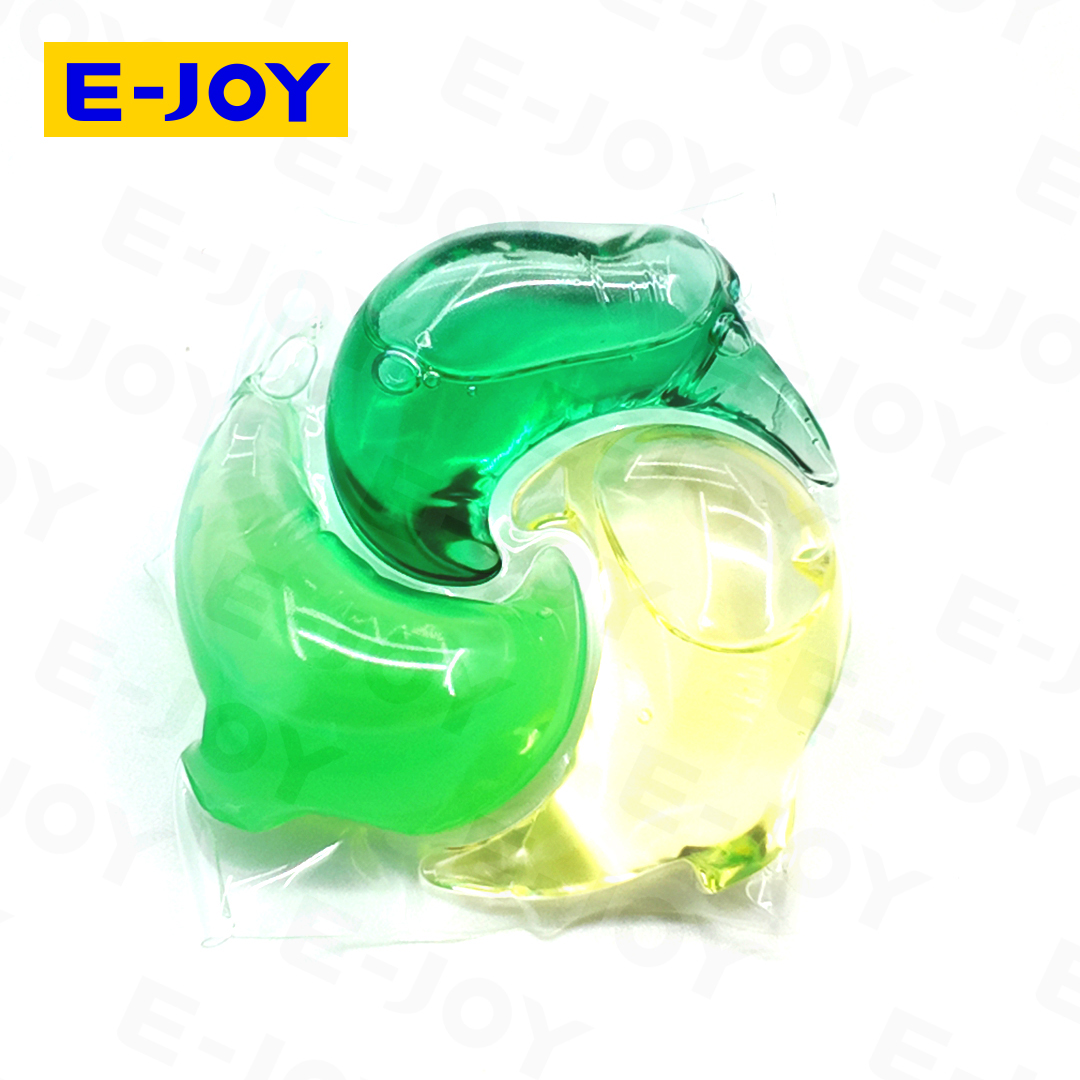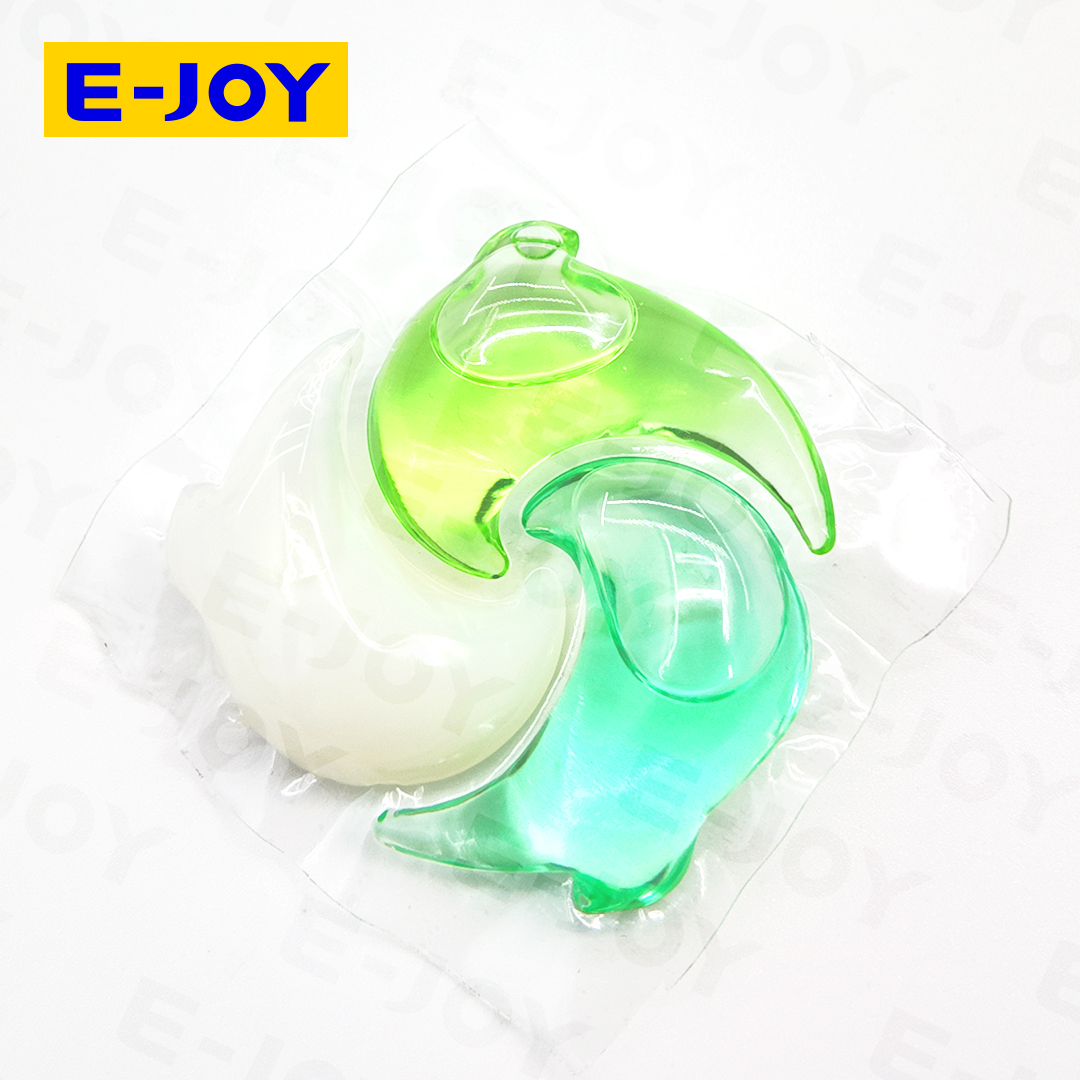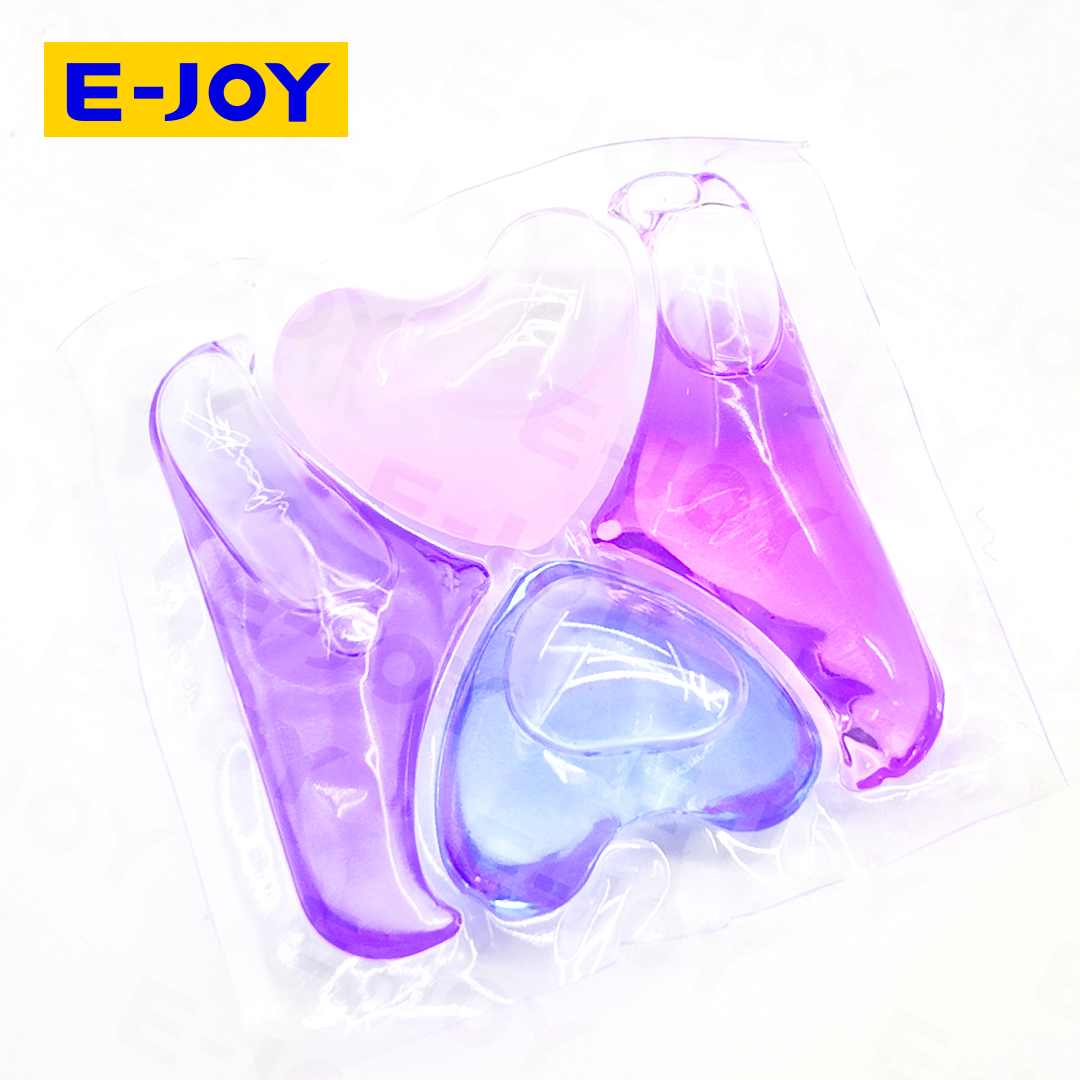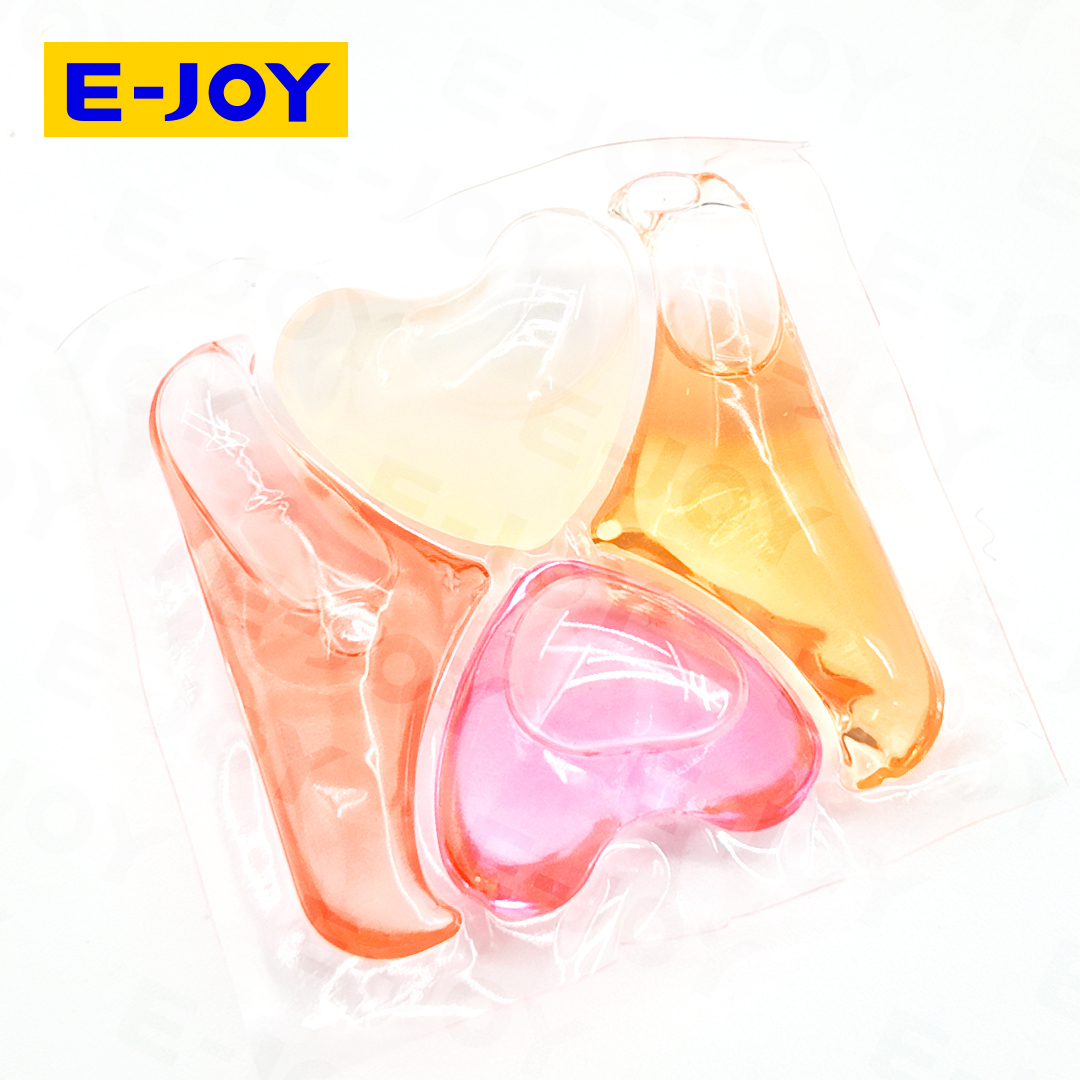

EJOY · OEM SAMPLE DEVELOPMENT
From the first sample
to the approved product.
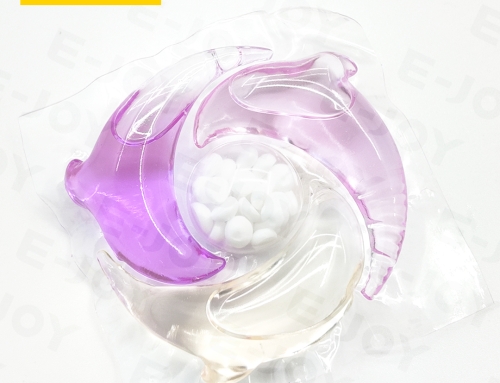
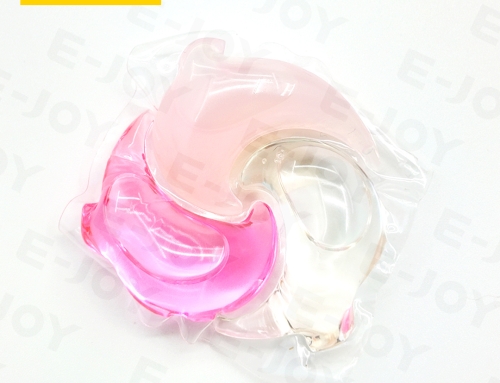
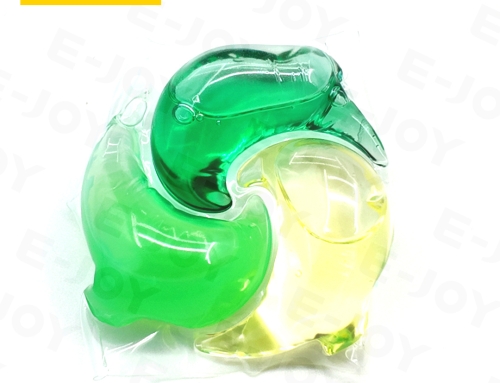
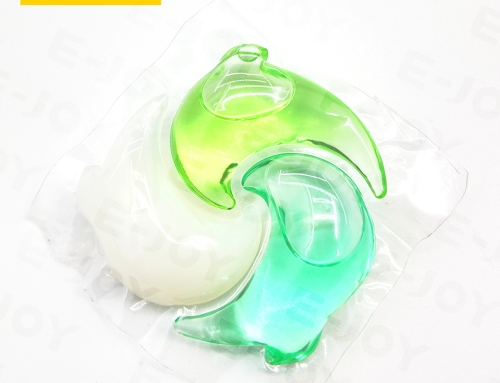
Laundry detergent pods sample development starts with a clear buying brief.
First, define the product goals. Then, agree on the tests and pass limits. This helps OEM buyers review samples before bulk production.
What should buyers check?
Review the formula, film, wash results, fragrance, and final pack. Also, record the approved sample code. Appearance alone is not enough to approve the product.
01. Begin with a clear brief
A clear brief helps the supplier choose a starting point. First, state the target market and sales channel. Then, add the pod weight, pack size, and expected order volume.
Also, describe the intended wash. Include the machine type, load size, and temperature. If you have a reference product, explain which features you want to compare.
Include these details
- Market: country and label language
- Product: pod weight and chamber format
- Wash goals: stains, cycle, and temperature
- Fragrance: scent direction and strength
- Order: pack size, target cost, and timing
Avoid broad goals such as “better cleaning.” Instead, name the stains and wash conditions. This makes the sample review easier to plan.
02. Choose your sample route
Laundry detergent pods sample development may start with an existing formula or a new brief. However, the work can differ. Ask the supplier what each route includes.
An existing formula
An available formula may reduce development work. However, you still need to review samples. Also, confirm that the scent, film, and pack match your intended order.
A new development brief
A new brief may require formula or material changes. Therefore, agree on the sample rounds and costs. Also, ask which changes may need more tests or extend the schedule.
03. Build the testing plan
First, agree on what will be tested. Then, define the methods and pass limits. The plan should match the intended use and the claims your brand plans to make.
Appearance, weight, and seals
Check the pod shape, colour, and fill weight. Also, review the seals and signs of leakage. Compare the results with the agreed limits.
Film dissolution
Test the pod under the intended wash conditions. Next, check for film residue. However, film dissolution alone does not prove that the product meets its cleaning goals.
Cleaning performance
Use agreed stains, fabrics, and wash settings. Also, keep the dose and load size consistent. Test any reference product under the same conditions.
Fragrance on fabric
First, assess the scent in the finished pod. Then, review washed and dried fabric. Also, keep the drying method the same. Any scent-duration claim needs suitable evidence.
Storage and pack performance
Review the pods in the planned sales pack. Check for leaks, scent changes, and changes in film condition. Also, agree on storage conditions and review dates.
Record the method and the result.
Keep test conditions, results, and pass limits together. This helps both teams understand what the sample has been assessed for.
04. Keep comparisons consistent
Small changes can affect a wash result. For example, water hardness or load size may differ. Therefore, record the conditions for each test.
Also, give each sample a unique code. Link it to the formula and sample records. This helps avoid confusion when several versions are under review.
Keep these test details
- Sample code and test date
- Machine type and wash cycle
- Water temperature and hardness
- Fabric load, stains, and dose
- Drying method, where relevant
- Results and agreed pass limits
05. Give clear feedback
Group feedback by issue. For example, separate scent comments from cleaning and film results. Then, state which changes are required.
Avoid vague comments such as “make it better.” Instead, refer to the test results. This gives the supplier a clearer basis for the next sample round.
Review the impact of each change
A new scent, film, or formula may need fresh tests. Also, a new pack may need storage checks. Therefore, agree on the review scope before approving the revised sample.
06. Approve the final version
Laundry detergent pods sample development should end with a written approval. First, confirm the final sample code. Then, link it to the product specification.
Final approval checklist
- Approved sample and formula codes
- Pod weight and chamber format
- Fragrance, film, and pack references
- Test methods and approved results
- Final artwork and labelling versions
- Approval date and responsible person
However, sample approval does not replace production quality checks. Agree on how the bulk batch will be inspected. Also, confirm which records and samples will be retained.
07. Plan costs and timing
Timing depends on the work required. An existing formula may need fewer development steps. However, new materials or claims may add work.
Therefore, ask what the sample fee includes. Also, confirm the number of sample rounds. Outside tests, printed packs, and shipping may carry separate charges.
Some storage tests take longer than an initial review. So, a quick sample check does not establish the full shelf life. Ask how the proposed shelf life is supported.
Common buyer questions
How many sample rounds are needed?
There is no fixed number for every project. It depends on the brief and test results. Therefore, agree on the included rounds and the cost of further changes.
Can we test samples in our own market?
Yes, local review can provide useful feedback. However, use a clear test plan. Also, record the conditions so the factory can review the results with your team.
Does every test need an outside lab?
Not every check needs an outside lab. However, some claims or market rules may call for specific evidence. Agree on the method and test provider first.
Begin with your sample brief
Share your target market, wash goals, pod format, and pack needs through the Ejoy contact page . Then, discuss sample availability, fees, test scope, and lead time.
You can also review listed products through the Ejoy Alibaba storefront . Confirm the final product details directly before placing an order.