
Detergent sheets contract supply gives retail brands a framework for repeat orders. It links the agreed product with batch checks, order terms, and delivery dates. Therefore, buyers should define these points before they approve the first bulk order.
This guide explains what to put in writing. It also covers sales forecasts, product changes, and quality claims. The aim is to help brand teams build a supply plan they can use from one shipment to the next.
First, approve the product standard and sample. Then, agree on batch checks and order terms. Also, define who approves changes and handles quality issues. Finally, set delivery milestones and review the plan as sales data comes in.
What Should Detergent Sheets Contract Supply Cover?
A supply agreement sets the shared rules. Each purchase order states what to make, how much to supply, and when it is needed. For this reason, both records should use the same product codes and agreed terms.
Also, identify the brand owner, seller, and production site. If several firms take part, define each role. This helps buyers know who handles orders, checks, shipment records, and claims.
Record the scope
- Products and SKUs covered by the agreement.
- Terms that apply to each purchase order.
- Named contacts for orders and approvals.
- Steps for reviewing changes and quality issues.
Keep One Approved Standard for Each SKU
Retail brands need a clear reference for each product. Start with a written specification and an approved sample. Then, give both a code and version date.
Define the sheet
Record the size, weight, scent, and formula reference. Also, set the limits for key checks. Avoid vague terms such as “usual quality” or “same as before.”
Define the finished pack
Record the sheet count, artwork version, and batch-code position. Next, confirm units per carton and shipping marks. These details help stores receive the correct stock.
In detergent sheets contract supply, each order should point to the approved version. As a result, both sides can see which standard applies to a given batch.
Batch Checks for Detergent Sheets Contract Supply
A launch sample does not replace batch checks. Therefore, agree on what will be checked before each shipment leaves the factory.
For example, checks may cover sheet weight, pack count, seals, and printed codes. Product tests may also assess how sheets dissolve and clean. Use agreed methods and limits.
State who checks the batch and who can release it. Also, agree on which records the buyer receives. If a check fails, follow the agreed review process before shipment.
In addition, agree on retained samples and batch records. These can help both sides review an issue after delivery.
Separate Sales Plans from Purchase Commitments
A forecast helps the supplier plan ahead. However, it may not be a firm order. State which figures are estimates and which create a purchase commitment.
Also, set a date to review the forecast. Then, define when confirmed quantities can no longer change without a new review.
Questions to settle
- When does the supplier confirm an order?
- What starts the agreed production lead time?
- Who pays for materials bought for a firm order?
- How are changed or cancelled orders handled?
Set Rules for Changes Before They Occur
A formula or material change may affect your branded product. For this reason, define which changes need written approval before they take effect.
These may include scent, sheet weight, pack materials, artwork, or production site. Next, agree on any new sample checks and records needed for approval.
Make the claim process clear
Name the contacts and response steps. Also, state what evidence is needed, such as batch codes, photos, and samples. Then, define how both sides review the cause and agree on action.
Define Delivery Dates and Stock Reviews
Stores need a clear stock-ready date. However, a shipment date and a warehouse receipt date are different. Label each milestone clearly in the order plan.
Also, agree on the trade term, named place, and shipping records. Confirm who books freight and who shares updates. If a delay occurs, review the effect on the retail launch plan.
Finally, review sales and stock by SKU. Use those figures to update the next order. This keeps detergent sheets contract supply tied to actual retail demand.
Discuss Detergent Sheets Contract Supply with E-JOY
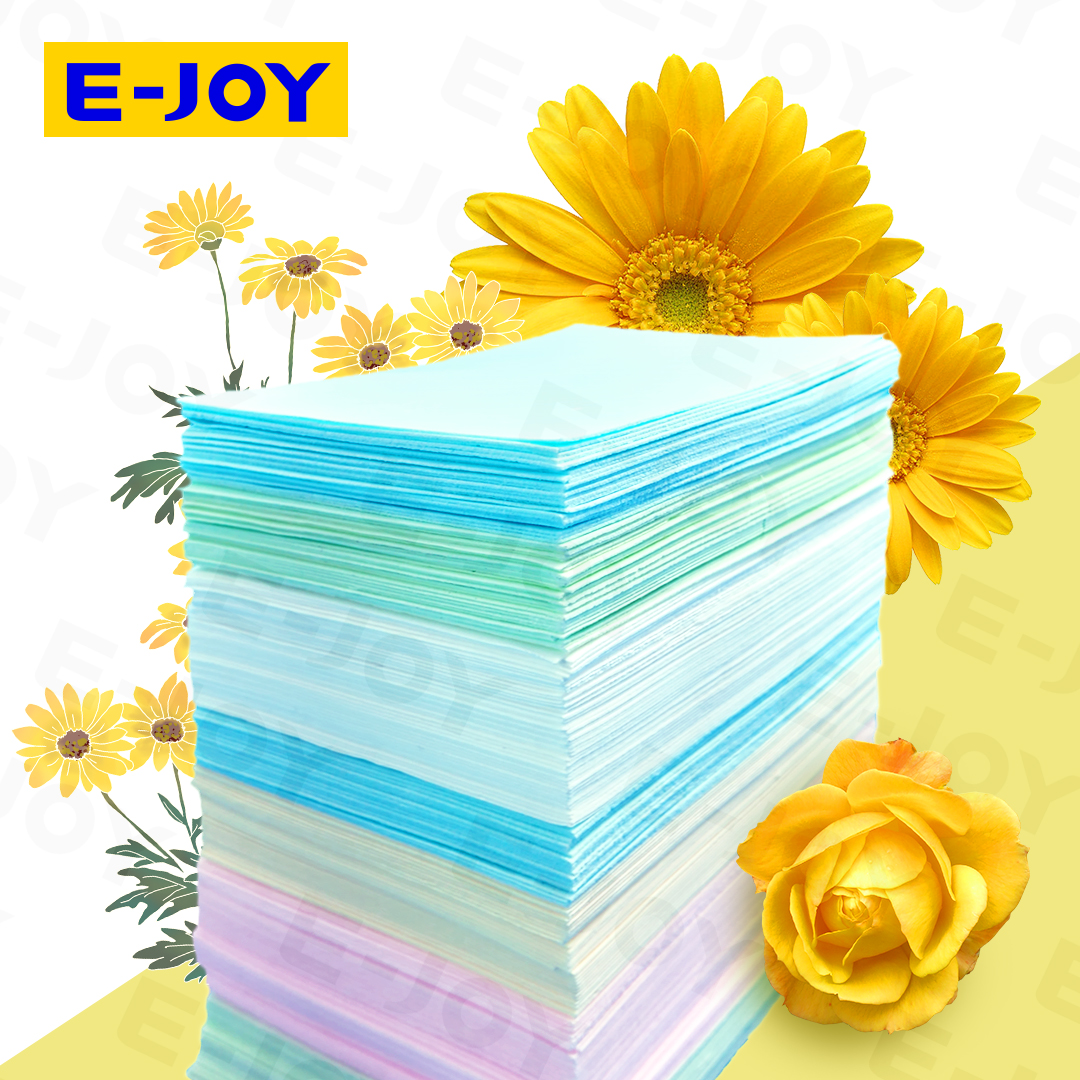
E-JOY works on household cleaning OEM and ODM projects. Its product range includes laundry detergent sheets. Retail brands can share their needs and discuss product options with the team.
First, review the laundry sheets product page. Then, read the OEM service information. Ask the team to confirm sample options, batch checks, order terms, and timing for your chosen product.
You can also visit the E-JOY Alibaba storefront to view listed products. Next, send your target market, SKU list, and expected order range. Confirm all supply terms directly with the team.
Retail Brand Supply FAQs
Does a supply agreement replace purchase orders?
The records serve different roles. The agreement sets the shared rules. Each order states the product, quantity, price, and dates. Therefore, keep both records in line.
Must a forecast become a firm order?
This depends on the agreed terms. State which figures are for planning only. Also, define when a quantity becomes a firm purchase commitment.
Can the product change during the supply period?
Changes may be proposed. However, follow the agreed approval process before use. Review new samples and records where needed. Then, update the product version.
What should a brand share first?
Share the target market, product brief, SKU list, and expected order range. Also, include launch dates and key supply needs. Then, discuss which terms can be confirmed.
Build a Clear Supply Plan with E-JOY
Planning detergent sheets contract supply for your retail brand? Send E-JOY your product brief and expected order needs. The team can review your request and discuss the next steps.