
Detergent sheets packaging helps define how customers store, use and identify your product. For private label brands, the main choices include boxes, pouches and smaller trial packs. First, match the format to your sheet count. Then, review the pack materials, closure and print details.
A pack needs to work from the first opening to the last sheet. Therefore, assess more than its appearance. Check how sheets fit inside, how the pack closes and what happens during storage. Also, confirm the full cost and minimum order before approval.
Detergent Sheets Packaging Options at a Glance
Start with the sales format your brand needs. For example, a retail box and a trial pouch serve different buying occasions. Next, ask the supplier which pack sizes are available. Custom sizes may involve extra setup work.
| Pack format | What to review | Main buyer question |
|---|---|---|
| Folding box | Board, liner, opening and shelf size | How are the sheets protected inside? |
| Resealable pouch | Material layers, seal and zipper | Does it close well after repeated use? |
| Trial pack | Low sheet count and label space | Are the dose and use steps clear? |
| Multipack | Inner packs and outer format | Can each inner pack be identified? |
Folding Boxes for Private Label Sheets
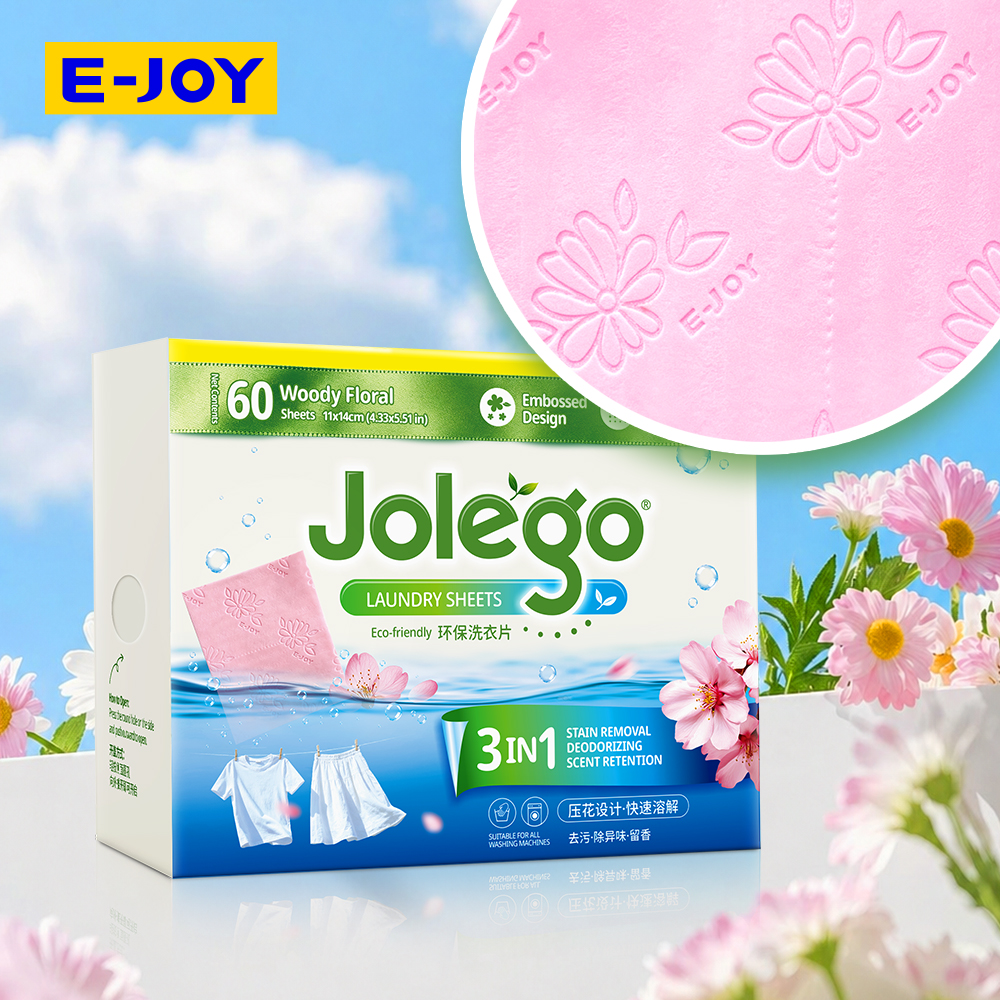
A folding box gives space for brand design and use directions. First, check its size with the actual sheet stack. Leave enough room to remove a sheet without bending the box. Also, review how the opening holds up during use.
Next, confirm whether the box includes an inner wrap or pouch. A paper outer box alone does not describe the full pack. Therefore, ask for the material details of every layer.
Finally, review filled samples in the planned shipping carton. Check for crushed corners and movement inside. Agree on any transport checks needed for your sales route.
Resealable Pouches for Detergent Sheets Packaging
A resealable pouch offers a different opening and storage format. First, check that the sheets fit without catching in the zipper. Then, remove a sheet and close the pouch. Repeat this check several times.
Also, review the top seal before first use. Ask how seal quality is checked during packing. The zipper and the first-use seal serve different roles. Both need to suit the chosen pack.
Next, confirm the pouch structure and print finish. For example, a paper-look surface may include several layers. Base any material claim on the full structure supplied.
Trial Packs and Multipack Formats
Trial packs can support a sample campaign or a smaller first purchase. First, choose a sheet count that fits the intended use. Then, check that the pack has room for clear directions. Small packs still need readable text.
For multipacks, define the count at each level. For example, one outer pack may contain three inner packs. Also, decide whether the inner packs will be sold on their own. This affects the label review.
Finally, ask whether each format needs a separate print run. Check its minimum quantity and setup cost. A small sheet count does not always mean a small packaging order.
Match Detergent Sheets Packaging to the Wash Count
First, define what counts as one sheet. A full sheet with a tear line may create two smaller pieces. Therefore, use clear wording when stating the pack count.
Next, link the wash count to the tested dose. For example, 30 full sheets provide 15 loads when the stated dose is two sheets. Check that the front and back of the pack use the same basis.
Also, explain when the dose should change. Larger loads or heavier soil may need different directions. Approve those directions against the agreed product tests.
Approve Artwork Before the Print Run
First, request the supplier’s print template. It should show the cut, fold and seal areas. Then, place text and artwork within the agreed safe zones.
Next, review a print proof. Check text size, color, barcode position and pack count. Also, confirm where the batch code will be printed. Keep important text away from folds and seals.
- Brand and product names.
- Sheet count and tested wash dose.
- Use steps and storage guidance.
- Market-specific label text.
- Barcode and batch-code space.
Finally, approve one file with a clear version and date. Ask how later edits will be controlled. This helps prevent an old design from reaching production.
Detergent Sheets Packaging FAQ
Can a paper box be used without an inner pouch?
This depends on the product and box structure. Therefore, assess the proposed pack with the actual sheets. Ask what storage evidence supports the selected format.
Can one pack size serve several sheet counts?
It may be possible. However, check the fit at each count. Too much empty space can affect handling and presentation. Review filled samples before approval.
What should a brand send for a packaging quote?
First, share the sheet size and pack count. Next, state the pack format and expected volume. Finally, include the sales market, artwork status and launch date.
Discuss Your Private Label Packaging Brief
Planning detergent sheets packaging for your brand? First, share your sheet size, pack count and preferred format through the E-JOY contact page. Then, ask the team to confirm available options, sample arrangements and packaging minimums.
You can also browse the E-JOY laundry sheets range or visit the E-JOY Alibaba storefront for product references. Finally, include any preferred packaging examples with your inquiry.