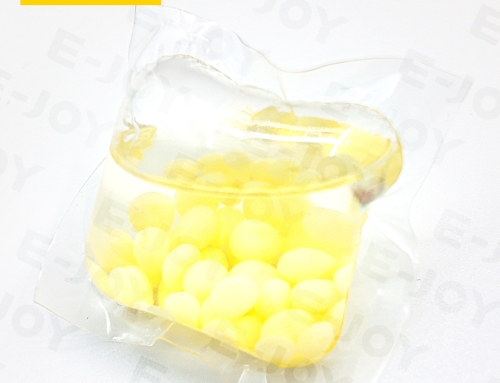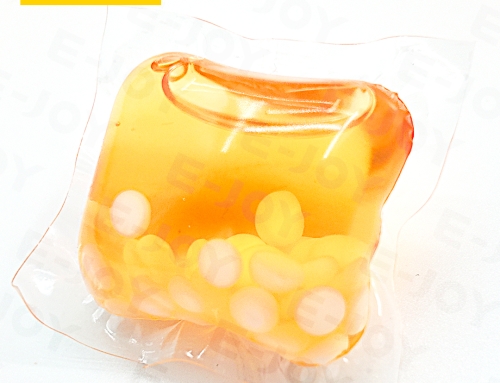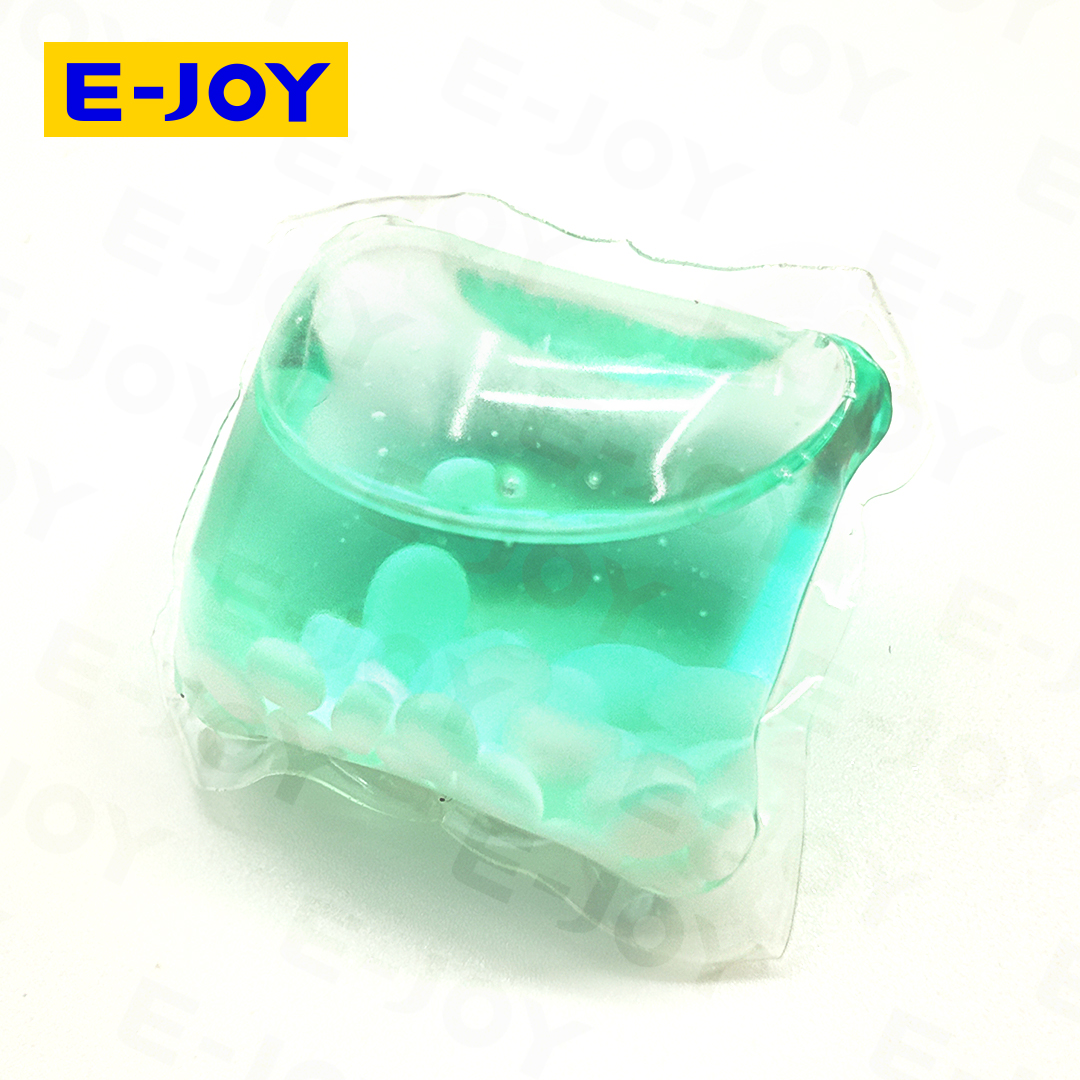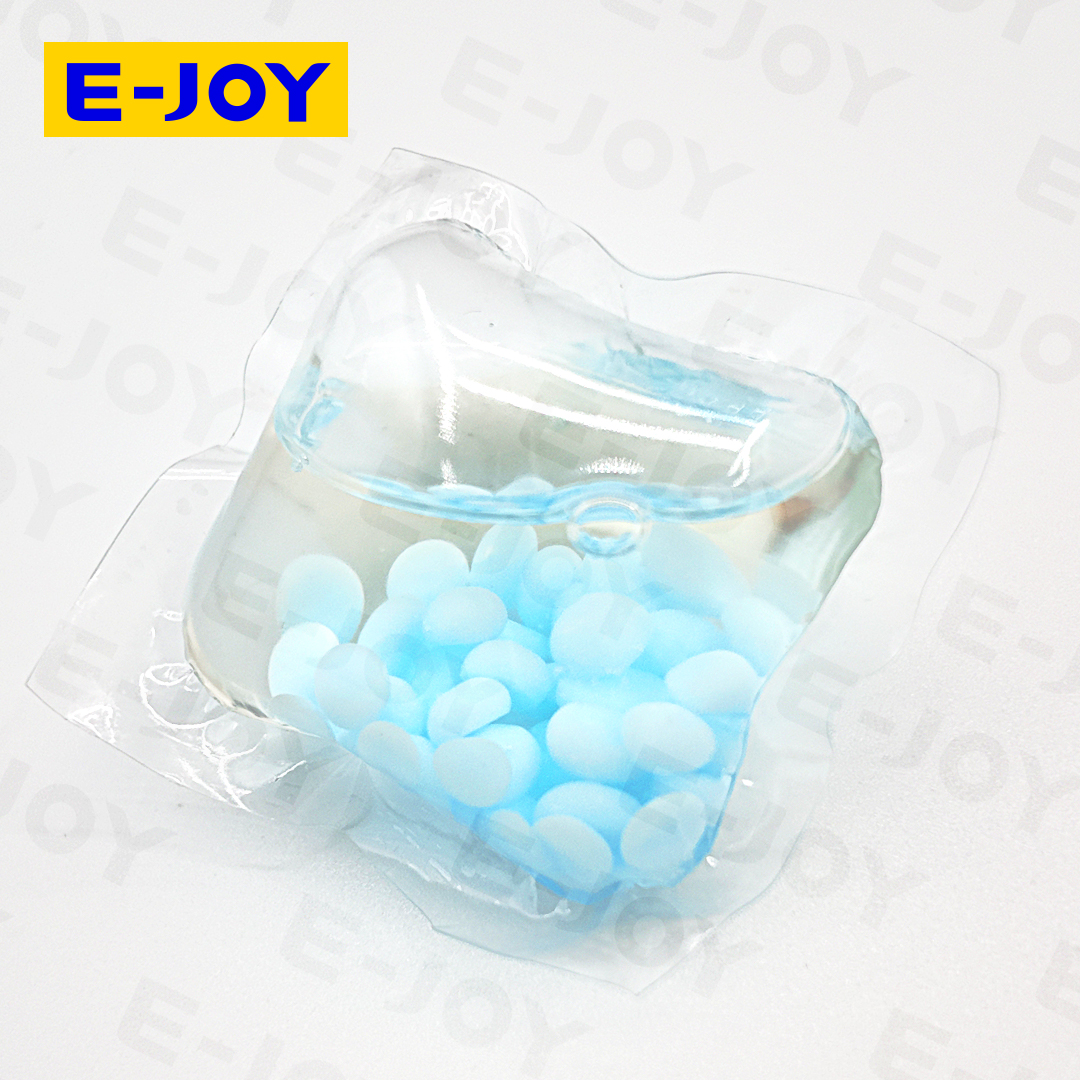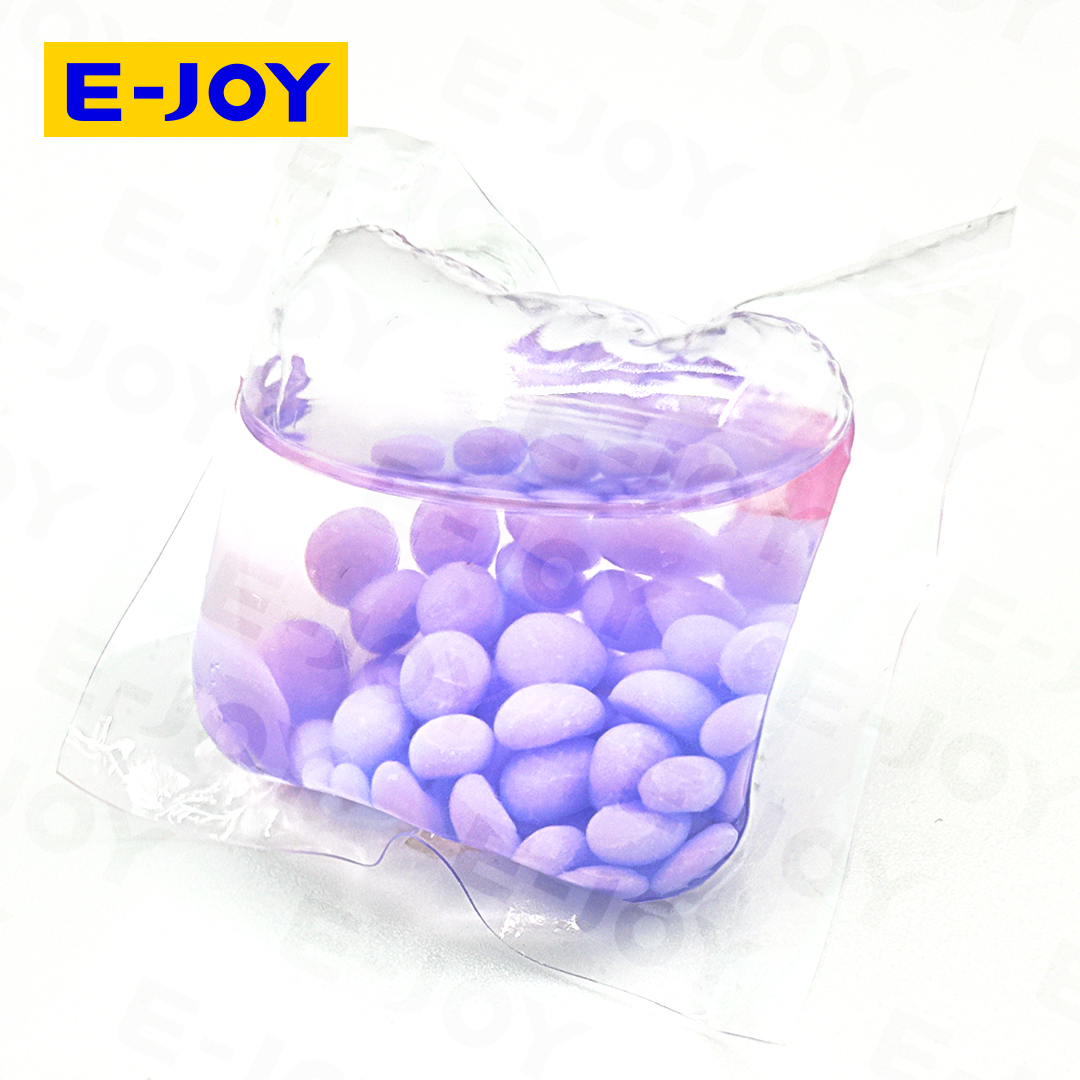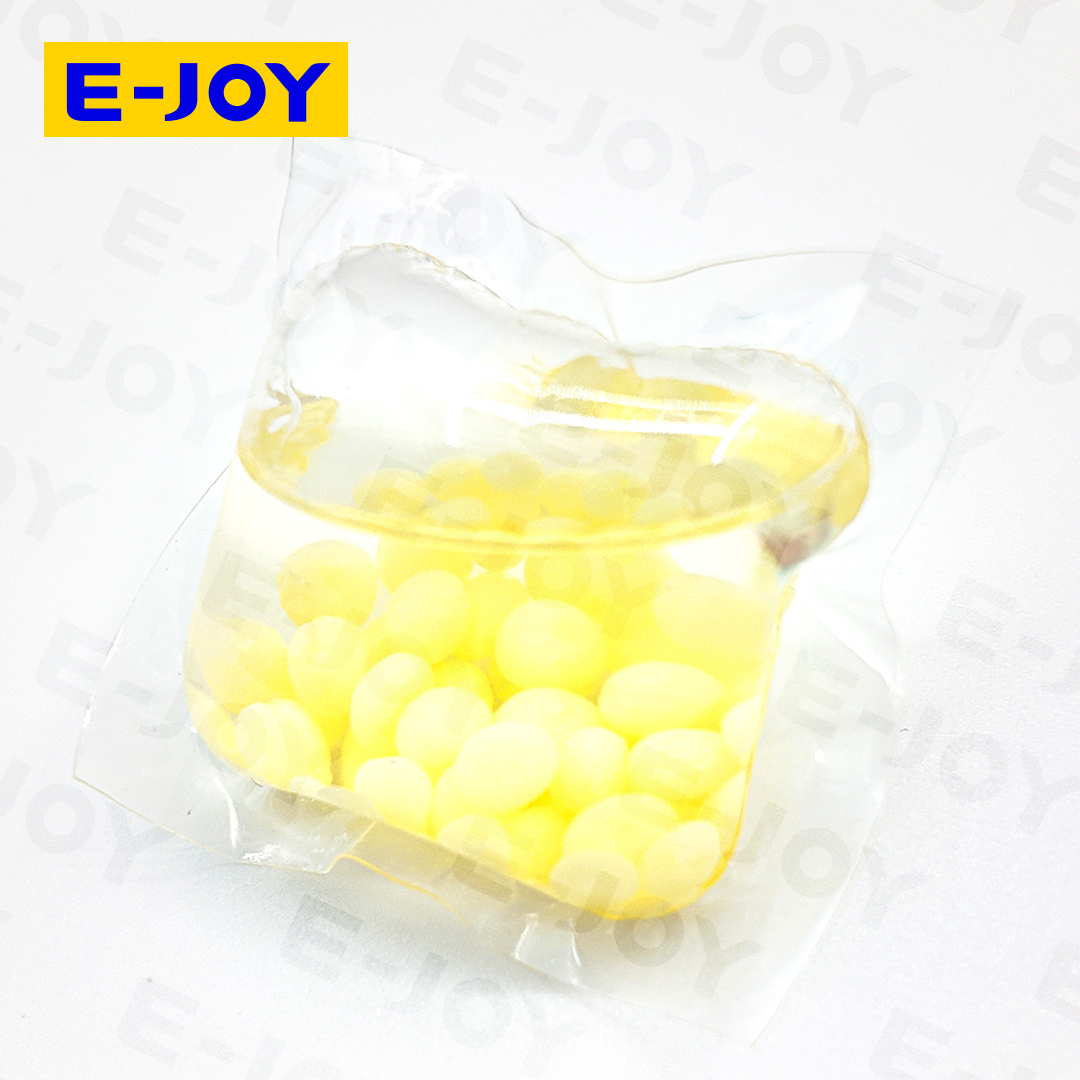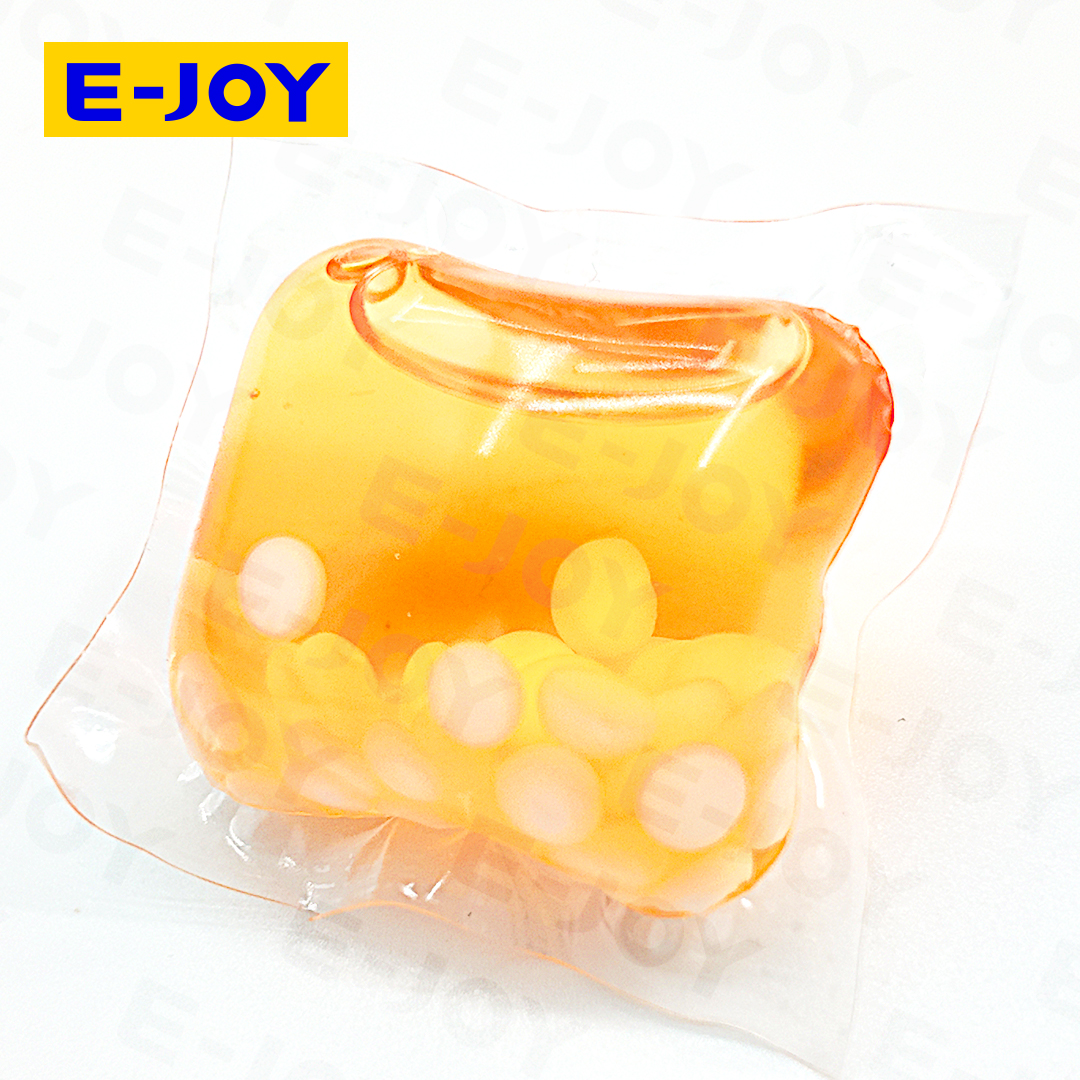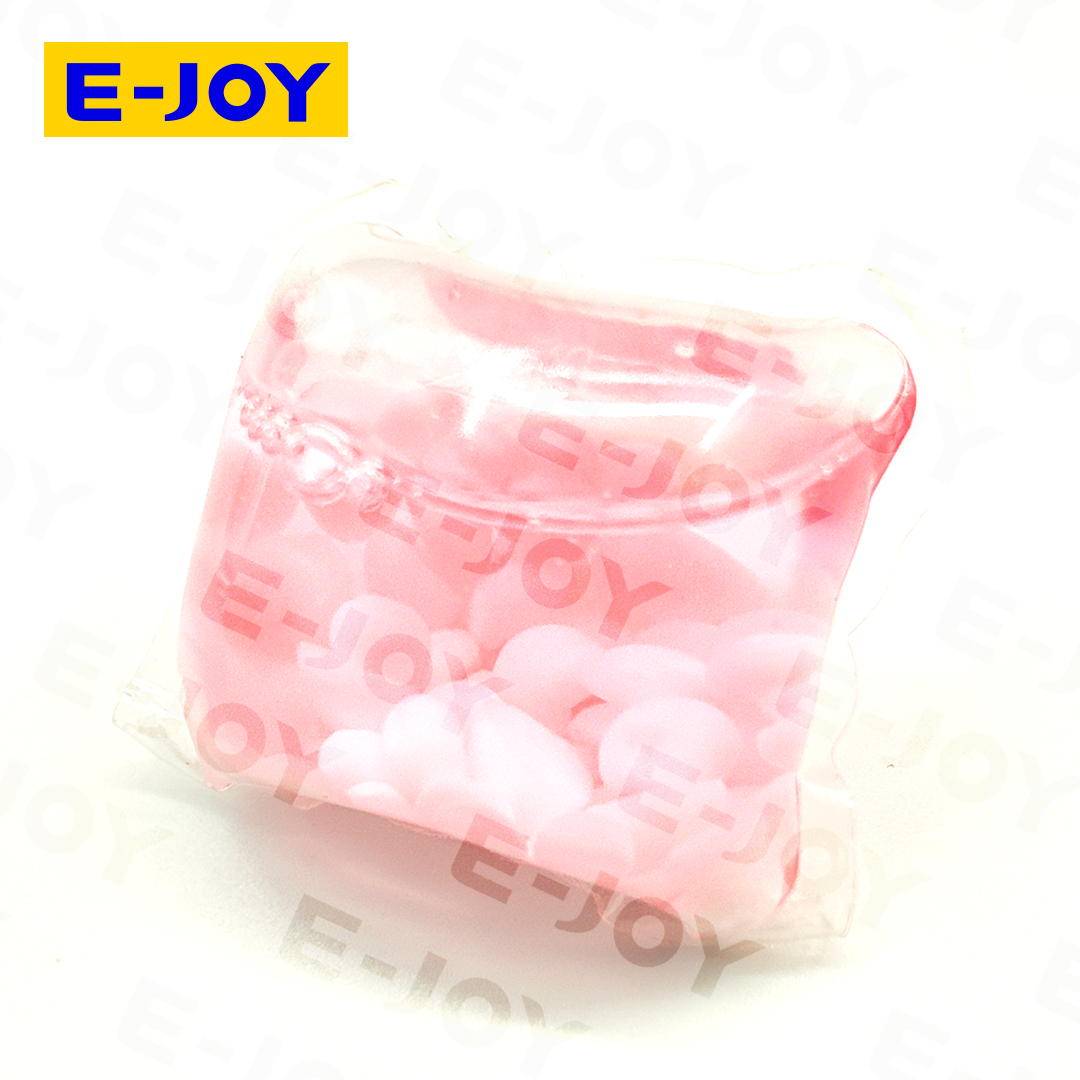

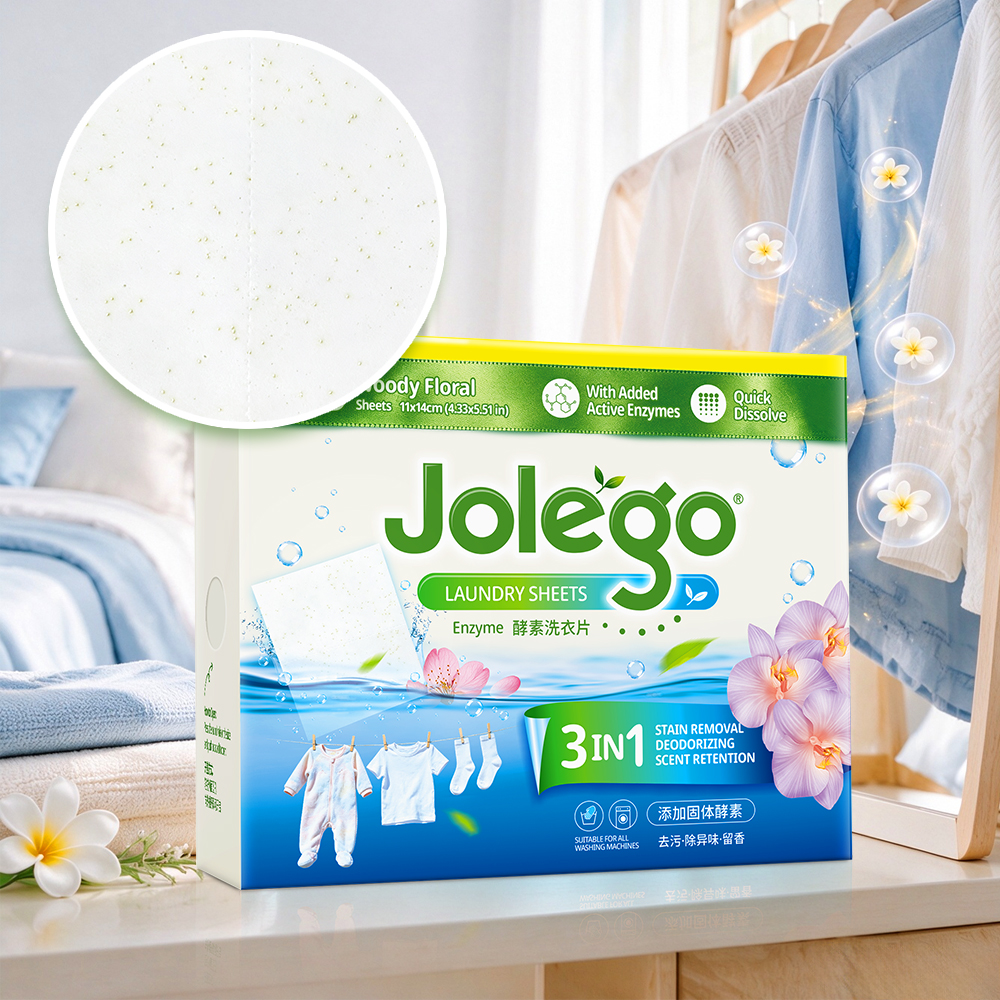
Laundry sheets bulk orders need clear quantities and a shared schedule. First, confirm the minimum order quantity for each product and pack. Then, agree on when the lead time starts and what the delivery estimate includes.
Plan the dates.
A bulk order needs more than a target arrival date. Also, the quantity, pack choices, and approval steps must fit the plan. Keep these details together from the first quote.
For OEM buyers, MOQ means minimum order quantity. However, one quoted figure may not cover every scent, pack size, or printed design. Therefore, ask what each minimum applies to.
First, list the items your brand wants to order. Next, request the quantity and timing for each one. Finally, compare quotes using the same scope.
No single figure applies to every order. Product choice, scent, packaging, and current availability can affect the offer. Therefore, request a written quote for the exact version your brand plans to buy.
Confirm MOQ for Laundry Sheets Bulk Orders
First, ask whether the minimum is stated in sheets, retail packs, cartons, or weight. Also, check whether it applies to one product or the total purchase. Record the unit behind the quote.
Next, request a breakdown by scent and pack size. Each distinct item is often called an SKU. However, a combined order total may not meet the minimum for every item.
Finally, ask which choices affect the minimum. For example, an existing pack may have different terms from a custom print. Confirm any revised offer in writing.
First, confirm the minimum for the selected sheet option.
Next, check the minimum for each scent or pack size.
Also, confirm any separate print or material minimum.
Define Sheets, Sections, and Packs
First, define one full sheet. If the sheet has a tear line, also define each section. Use the same terms in the quote, artwork, and purchase order.
Next, state full sheets per retail pack. Then, confirm packs per shipping carton. This turns the order into a count that both teams can check.
However, sheet count is not automatically wash count. Also, a tear-off section does not establish one wash. Review the supported use dose before making a wash-count claim.
Therefore, check whether the quoted minimum refers to packs or sheets. This example explains the units only.
Separate Product and Packaging Minimums
First, choose the proposed pack format. Also, ask which parts are standard and which need custom artwork. Printed pouches, labels, and boxes may have separate minimums.
Next, check whether unused packaging will remain after the first order. Then, agree on ownership, storage conditions, and any storage fees. Keep those terms with the quote.
Finally, ask how an artwork change affects materials already purchased. Also, confirm whether later orders can use the remaining stock. Do not assume this is automatic.
Printed pack quantity.
Finished order quantity.
First, review each limit separately. Then, confirm how they fit together in the proposed order.
Set Lead-Time Milestones for Laundry Sheets Bulk Orders
First, ask what starts the quoted lead time. It may depend on sample approval, artwork sign-off, or an agreed payment. Then, record which conditions must be complete.
Next, separate buyer review time from the supplier’s order schedule. For example, late artwork feedback may move the planned completion date. Also, set a contact for each approval.
Finally, ask which milestones will be reported during the order. Then, agree on when delays must be shared. A launch target alone does not confirm supply timing.
Distinguish Dispatch from Warehouse Arrival
First, ask whether the quoted period ends when goods are ready or when they leave. These are different milestones. Also, confirm whether freight time is included.
Next, state the delivery point and agreed trade terms. Then, assign freight booking, document preparation, and receiving tasks. Keep those responsibilities clear.
Finally, allow for shipment and import steps when setting a launch plan. Confirm which dates are estimates and which are firm commitments. Record the assumptions behind the schedule.
First, confirm when the agreed order is ready for release.
Next, confirm the planned handover or shipment date.
Finally, record the expected arrival and its stated limits.
Compare Total Cost and Plan the Next Order
First, compare quotes using the same product, pack count, quantity, and delivery scope. Also, separate sample, print, setup, and freight charges from the unit price.
Next, review how much stock the order will add to your business. A larger purchase may reduce some unit costs. However, it also uses funds and storage space.
For repeat orders, ask whether packaging or other details can carry forward. Then, reconfirm current minimums, prices, and available dates. Do not assume the first-order terms remain unchanged.
Finally, share expected demand if your team has a forecast. Also, distinguish that forecast from a firm purchase order. Confirm any advance-stock arrangement separately.
Defined start point.
Written delivery terms.
Close the open points first. Then, place the order against the agreed scope and schedule.
Questions from Brand Buyers
Can several scents share one minimum?
Ask the supplier to confirm this. Also, request the minimum by scent and packaging version. A combined order total may not answer the question for each item.
Does standard packaging always mean a lower MOQ?
Not always. It may change some packaging needs, but other minimums can still apply. Therefore, request an updated quote for the proposed combination.
Are repeat orders always faster?
Do not assume they are. First, check material availability, current scheduling, and any product changes. Then, confirm the new order dates in writing.
What should an MOQ and lead-time inquiry include?
First, share the market, chosen product, and scent. Also, state full sheets per pack, pack format, and quantity per item. Finally, include the delivery destination and target arrival date.
One shared schedule.
Keep minimums, approvals, costs, and delivery milestones in the same order file.
Share the quantity.
Confirm the dates.
To discuss laundry sheets bulk orders with E-JOY, share your market, scent choices, pack count, and planned quantity through the E-JOY contact page. Then, request current minimums, sample terms, and lead-time details.
You can also browse the E-JOY Alibaba storefront. Next, include the relevant product link. Finally, confirm the quantity split, quote scope, and delivery terms in writing.
Buyer note: This guide explains order-planning questions. It does not state fixed E-JOY minimums, prices, stock levels, or delivery commitments. Request current written terms for your project. The quantity example is for planning only.