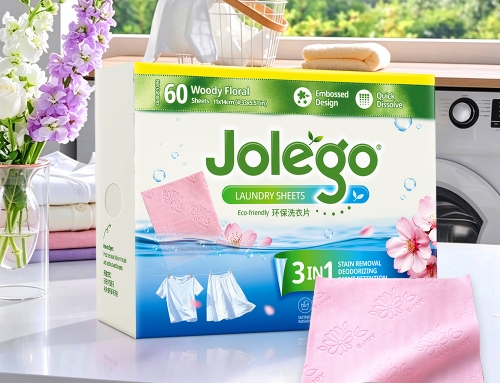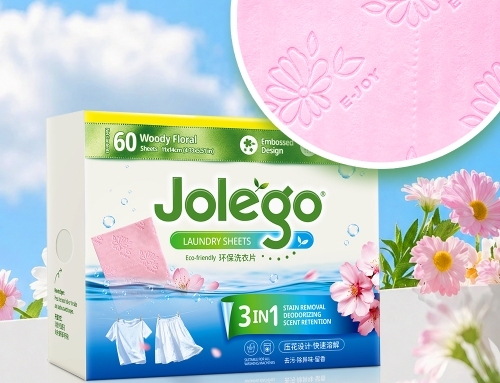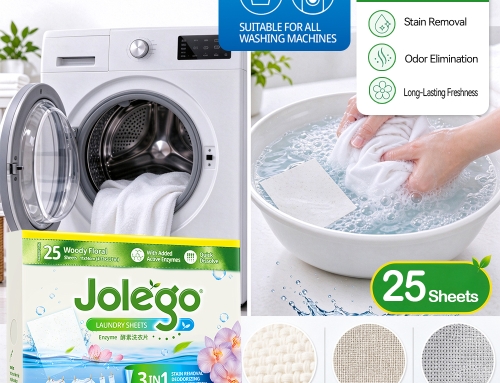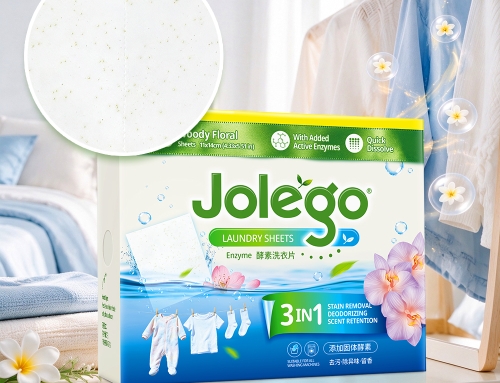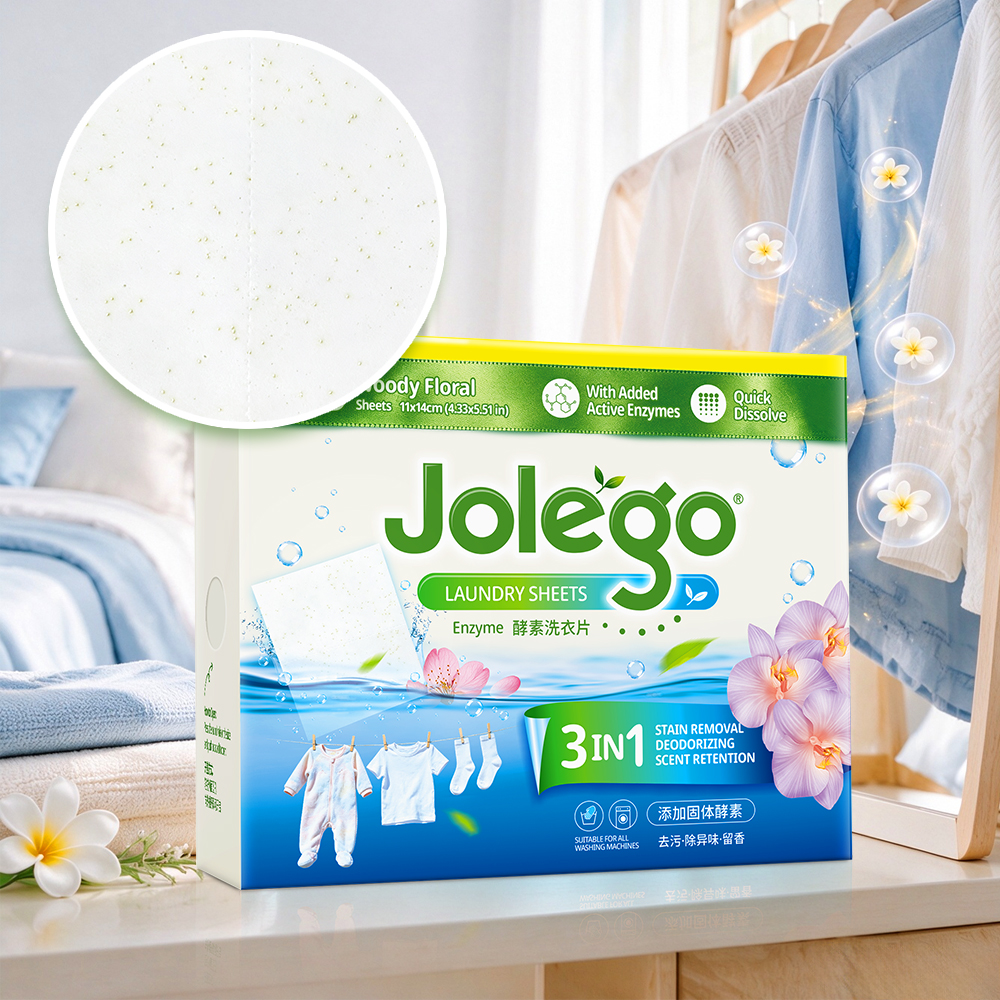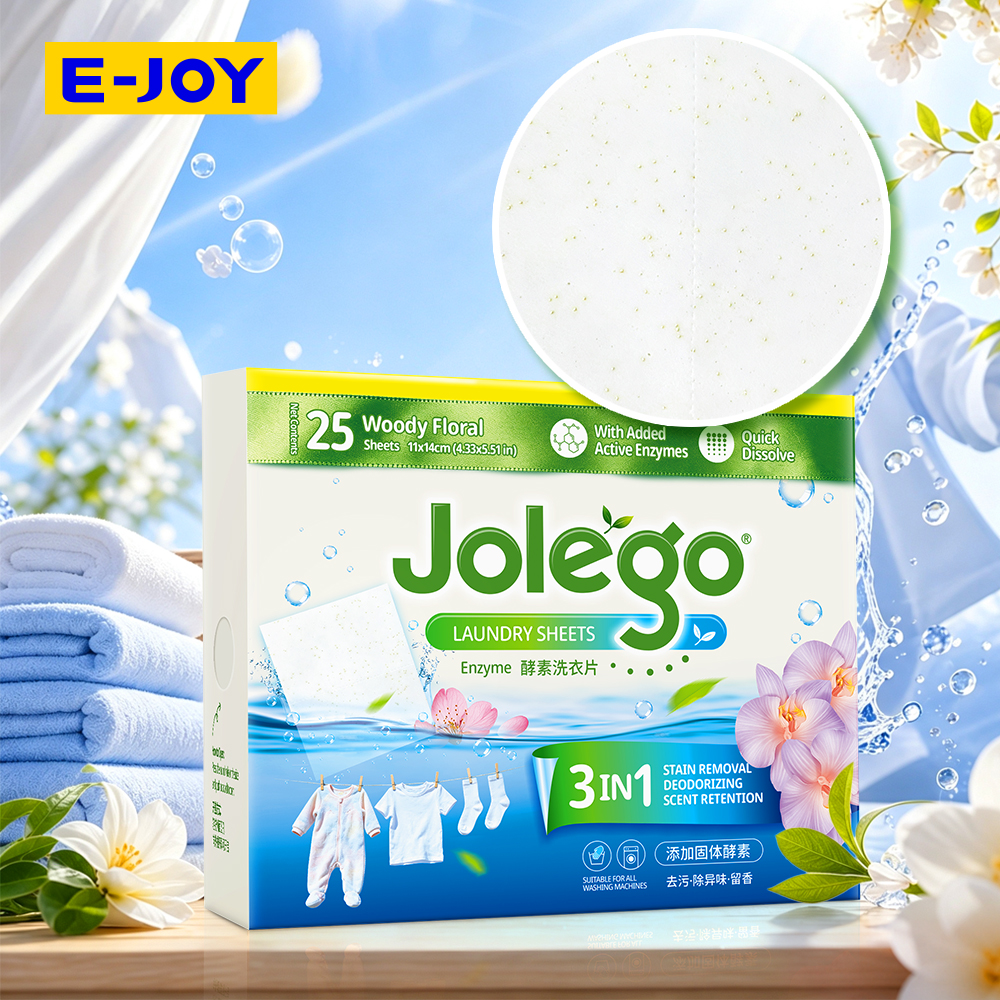

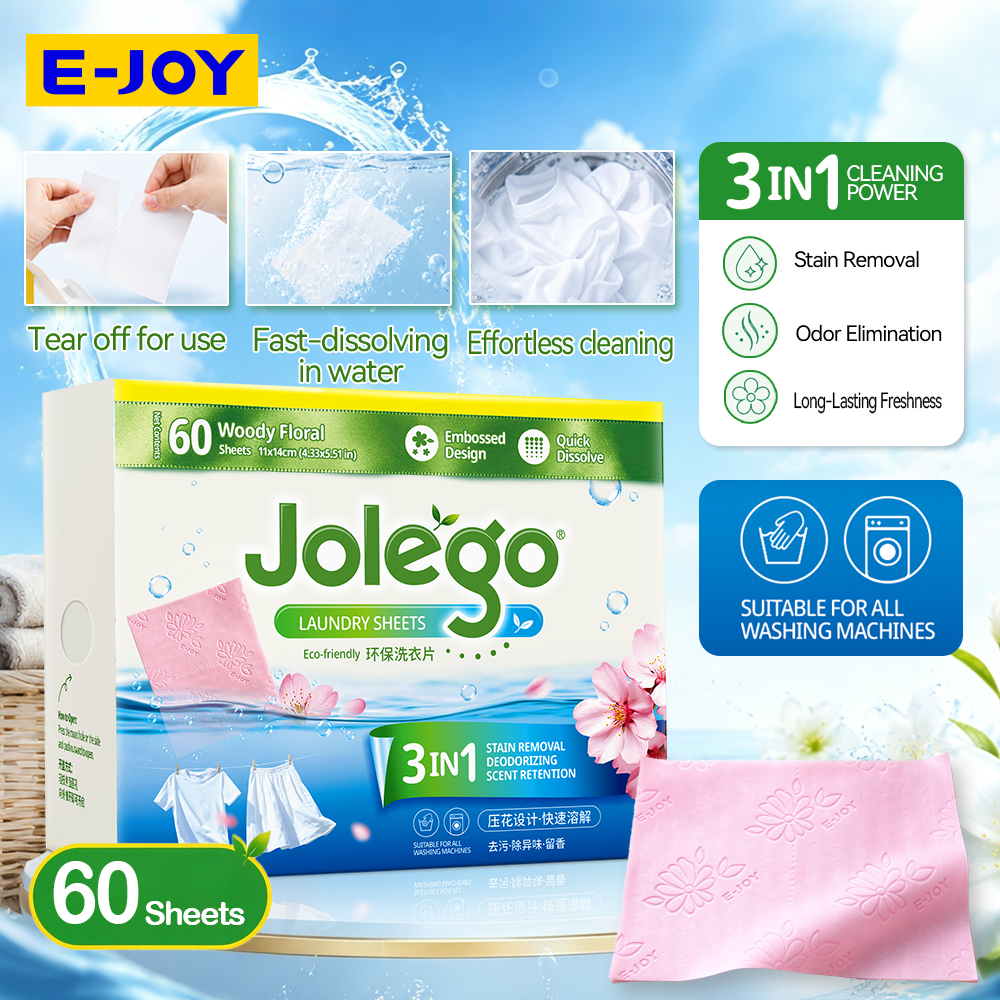
Keep Stock in View.
Laundry sheets bulk supply needs a plan that links demand, production, shipping, and stock. First, define the product and order units. Then, estimate when goods must reach your warehouse. This gives buyers and suppliers a shared starting point.
Guangdong E-JOY Daily Necessities Co., Ltd. focuses on home care OEM and ODM projects. Share your market, packaging needs, and supply forecast with our team. We can then review the requested scope and discuss order and quotation details.
Plan from the required warehouse date. Allow time for approvals, materials, production, release checks, freight, and receiving. Also, keep sales forecasts separate from confirmed orders. A forecast alone does not reserve production capacity.
Start Laundry Sheets Bulk Supply Planning with Clear Units
First, confirm what each quantity means. A sheet, retail pack, and shipping carton are different units. Therefore, use one clear unit in each part of your plan.
Record these details for every SKU:
- Product code, formula version, and scent.
- Sheet size, weight, and sheets per retail pack.
- Retail packs per shipping carton.
- Carton dimensions, gross weight, and net weight.
- Artwork version, label language, and destination market.
Also, keep sheet count separate from wash count. Wash claims depend on the supported dose and use conditions. Do not use an assumed wash count to calculate supply needs.
Keep a Simple Unit Conversion Record
For example, 100 cartons with 24 packs each contain 2,400 retail packs. If each pack holds 30 sheets, the shipment contains 72,000 sheets.
These figures are a planning example, not an E-JOY packing specification or MOQ. Confirm the actual pack and carton details for your order.
Separate Regular Sales from Launch Demand
Next, estimate demand by SKU and sales channel. Use actual sales where available. For a new range, record the assumptions behind the forecast. Then, update them as orders and sales become clearer.
Also, list launch stock, samples, and promotional demand separately. A one-time launch order may not reflect ongoing sales. Therefore, avoid using the launch peak as the only basis for repeat orders.
For distributors, distinguish retailer orders from end-customer sales where data is available. Stock shipped to a retailer may still be on the shelf. This matters when estimating the next replenishment need.
Build a Schedule from Approval to Warehouse Receipt
A quoted production time may cover only part of the journey. Therefore, ask what starts the schedule and what the quoted time includes.
- Product approval: final samples and specifications.
- Packaging readiness: artwork approval, printing, and material supply.
- Production and release: manufacturing, packing, and agreed checks.
- Transport: pickup, export handling, and freight.
- Destination receipt: clearance where relevant, local delivery, and warehouse checks.
Also, review likely delays with the parties involved. Holiday periods, material changes, and freight schedules may affect the plan. Confirm target dates in writing rather than assuming each stage will start at once.
Use a Reorder Point as a Starting Rule
Reorder point = expected demand during replenishment lead time + safety stock.
For example, demand of 100 packs per week over an eight-week lead time equals 800 packs. With 200 packs of safety stock, the reorder point is 1,000 packs. This is an illustration, not a recommended stock level.
Apply the rule to a clearly defined inventory position. Include usable stock and confirmed inbound supply, then subtract unfilled customer commitments. Review the rule when demand or lead time changes.
Balance MOQ with Stock, Space, and Cash
The supplier’s MOQ is one input, not the whole order plan. Also, consider storage space, payment timing, sales risk, and the remaining shelf life on arrival.
A larger order may reduce some costs per unit. However, it also ties up cash and increases stock exposure. Therefore, compare the full order cost with the demand you can reasonably support.
Ask whether fewer SKUs or a different pack format would change the available order options. Also, discuss split shipments if needed. Confirm any storage, payment, and extra freight costs before using that approach.
Confirm Cartons and Shipping Records Early
Next, review the filled retail pack and outer carton. Agree on carton marks, batch codes, and handling needs. If pallets are required, confirm the layout and receiving warehouse rules.
Also, ask your freight provider which documents and product information are needed for the route. Confirm transport classification from the actual product details. Do not assume every laundry sheet formula has the same status.
Before shipment, check that the invoice, packing list, and transport records agree on the goods and quantities. Any further documents depend on the product, destination, and agreed shipping terms.
Keep Laundry Sheets Bulk Supply Traceable by Batch
On arrival, check carton counts, visible damage, and batch codes. Also, compare the delivery with the approved order and shipping records. Record any issue before mixing stock into normal inventory.
Store the goods under the agreed product conditions. Where shelf life applies, use the earliest suitable expiry stock first. Keep damaged or held stock separate from usable inventory.
Then, review sales and stock at regular intervals. Share forecast changes with the supplier early. Also, confirm each new order against the latest specification, artwork, price, and schedule.
Share Your Supply Plan with E-JOY
E-JOY is based in Qingyuan, Guangdong, China. Our home care business brings together research, product development, and manufacturing. Explore our home care OEM and ODM background to learn more.
For laundry sheets bulk supply, send the quantity for each SKU, preferred pack, destination, and required warehouse date. Also, include your forecast and artwork status. Our team can then review the requested scope and discuss quotation and order details.
You can also visit the E-JOY Alibaba storefront to explore our business. To begin a sourcing discussion, separate confirmed order needs from future estimates.
Questions from Importers and Distributors
Should I place one large order or several smaller orders?
Compare demand, MOQ, freight, storage, and cash needs. Also, consider shelf life and forecast uncertainty. The suitable order pattern depends on these factors and the supplier’s agreed terms.
Can one order include several scents or pack sizes?
Ask E-JOY to review each SKU. Separate production or printing minimums may apply. Therefore, list quantities by version rather than giving only one combined total.
Can a forecast reserve production capacity?
A forecast alone does not reserve capacity. If you need a reservation, discuss it with the supplier. Then, record any commitment, payment, and change conditions in writing.
How much safety stock should I hold?
Review demand changes, lead time variation, service goals, and cash limits. Also, separate usable stock from held or damaged goods. Update the buffer as actual supply and sales data improve.
Start with Your Product and Delivery Plan
Planning a private label laundry sheet shipment? First, list your SKUs, pack details, and order quantities. Also, include the destination and target warehouse date.
Use the E-JOY contact page to share your brief. Our team can then review your OEM needs and discuss samples, quotes, and order planning.