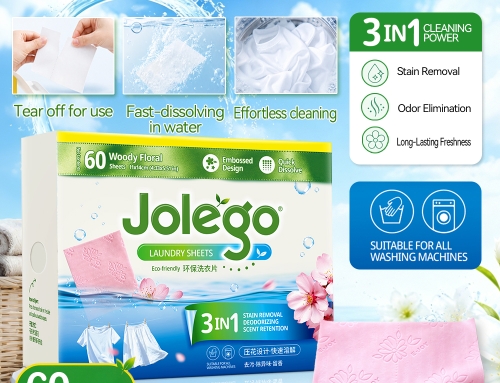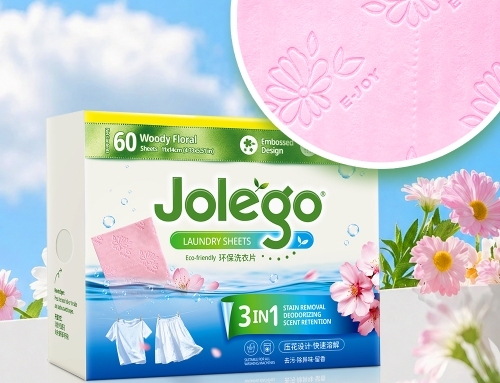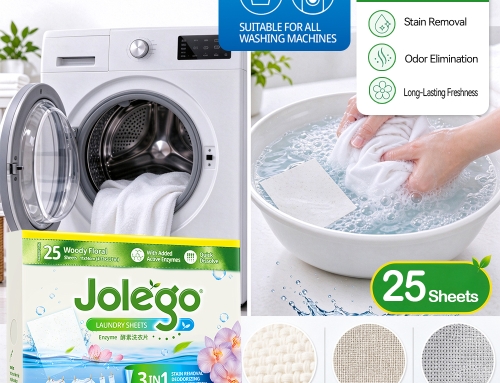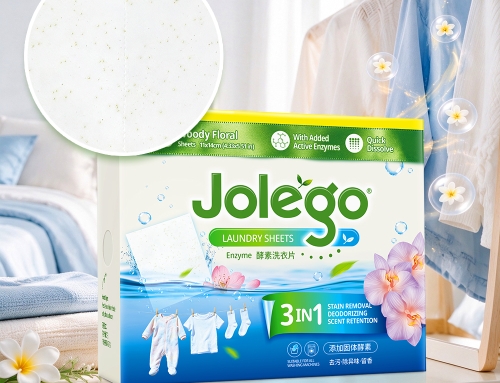

Define the Standard.
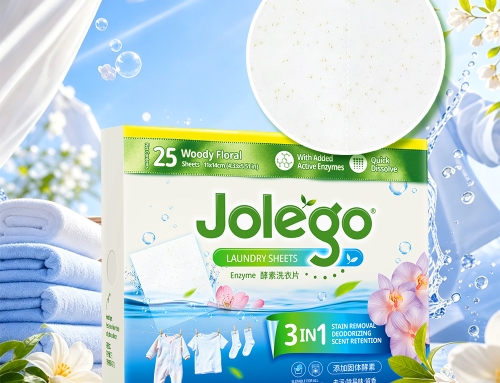
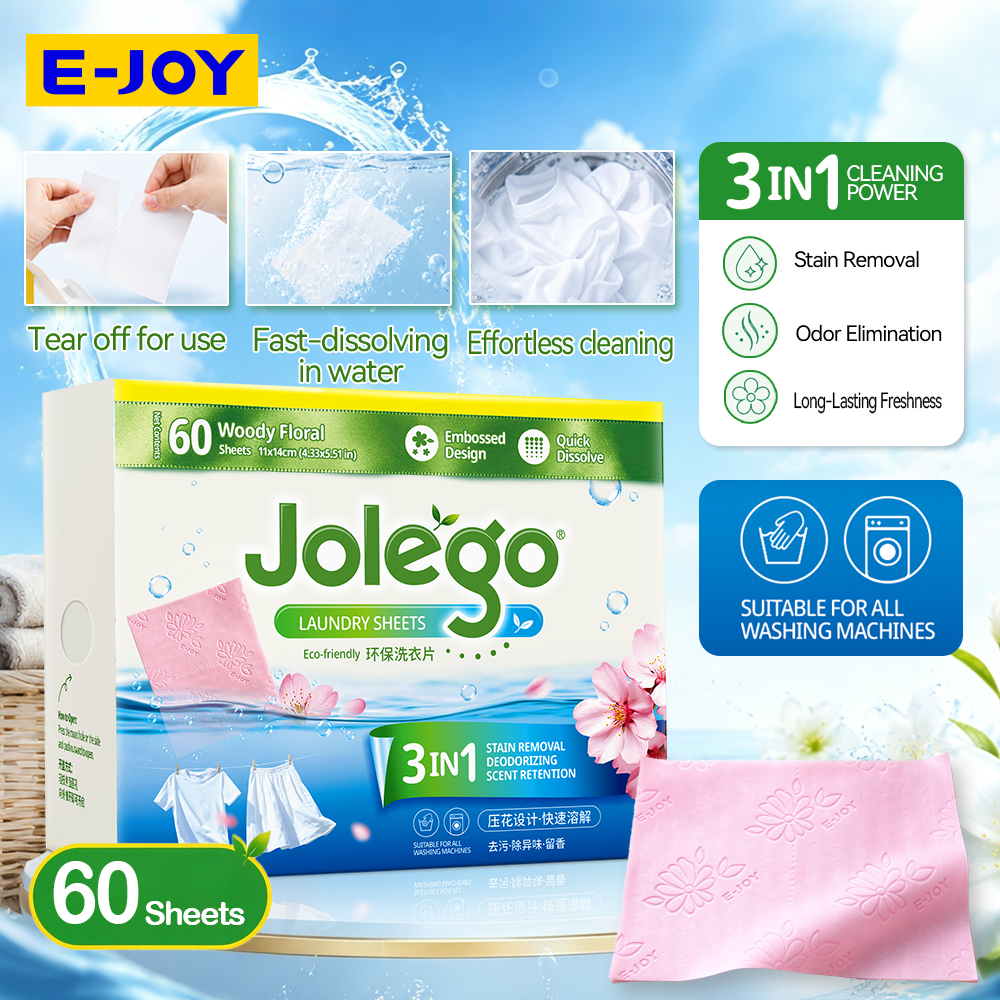
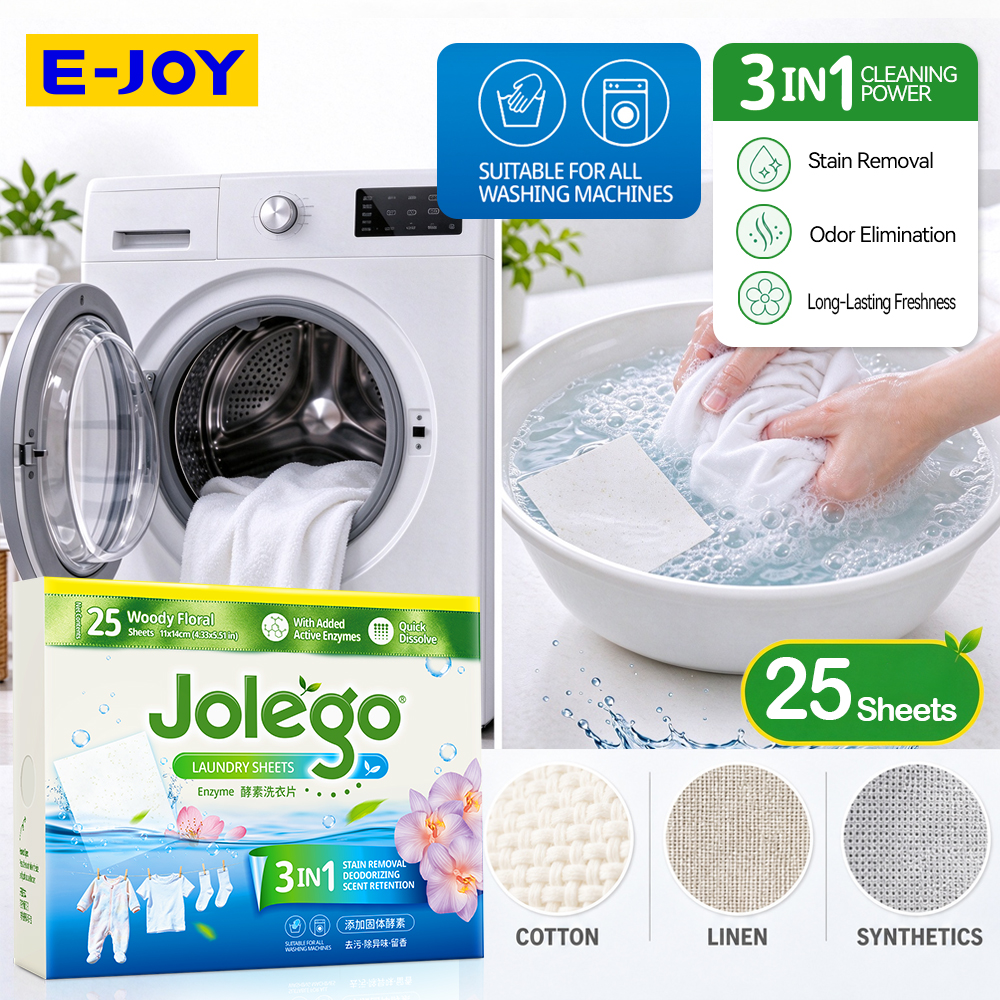
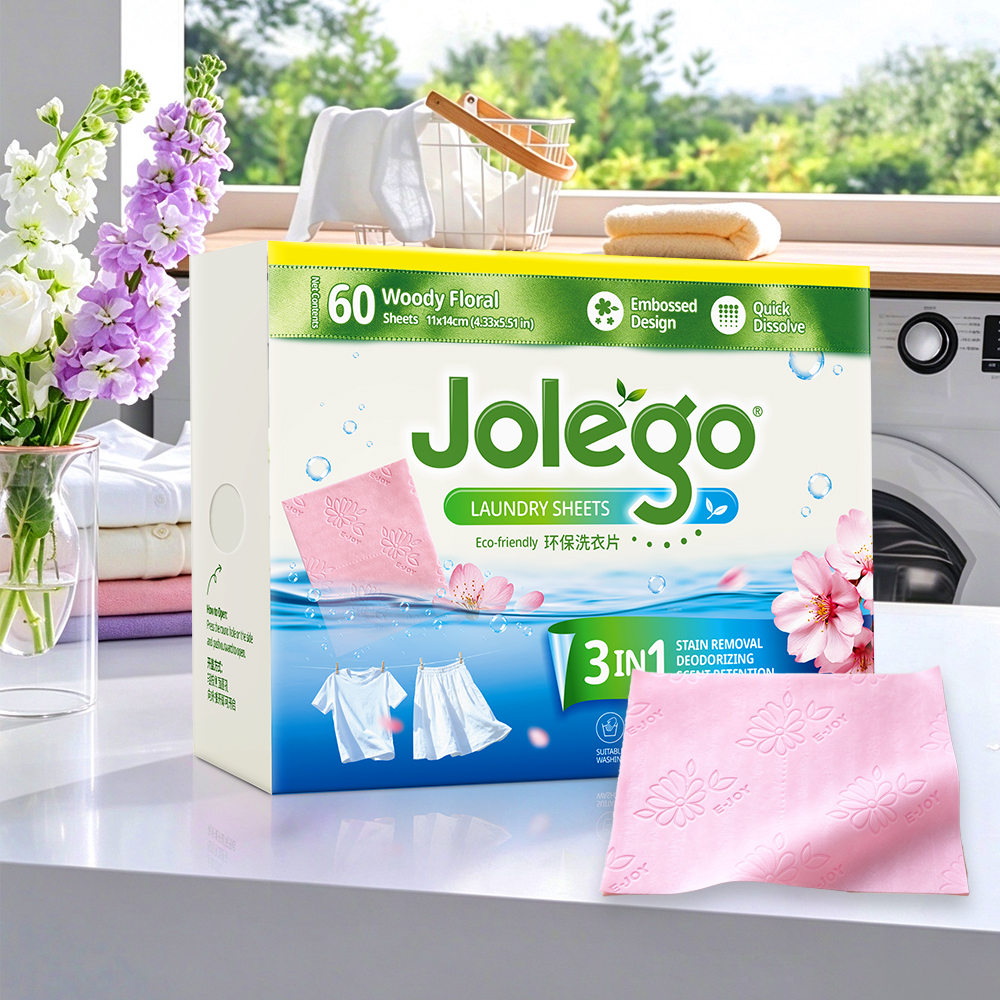
Laundry sheets sample evaluation helps brand buyers review a product before a bulk order. First, confirm what the sample represents. Then, assess wash results, visible residue, scent, and packaging under agreed conditions.
Guangdong E-JOY Daily Necessities Co., Ltd. focuses on home care OEM and ODM projects. Share your product goals and sample review plan with our team. We can then review the requested scope and discuss the details needed for the next step.
A useful sample review needs a clear method. Keep the dose, machine, cycle, and test load consistent. Also, record each sample code and the results. This makes feedback easier to compare and act on.
Start Laundry Sheets Sample Evaluation with a Clear Brief
First, ask whether the sample is a stock product, a formula trial, or a final approval sample. An early trial may use plain packaging. Therefore, confirm which parts match the proposed bulk order.
Record these details before testing:
- Sample code: the supplier’s reference for the sample.
- Version: formula, scent, and sheet format.
- Dose: the amount to use under the agreed conditions.
- Pack status: trial pack or proposed retail packaging.
- Review goals: the features and results you want to assess.
Also, agree on the sample quantity. Allow for repeat wash tests, pack checks, and retained samples. Then, confirm sample fees, freight, and dispatch terms.
Keep Sheet Count and Wash Count Separate
One sheet does not always mean one wash. The dose depends on the formula, load, soil, and water. Therefore, follow the agreed instructions during testing. Also, record any dose changes as separate test conditions.
Record Appearance and Pack Condition
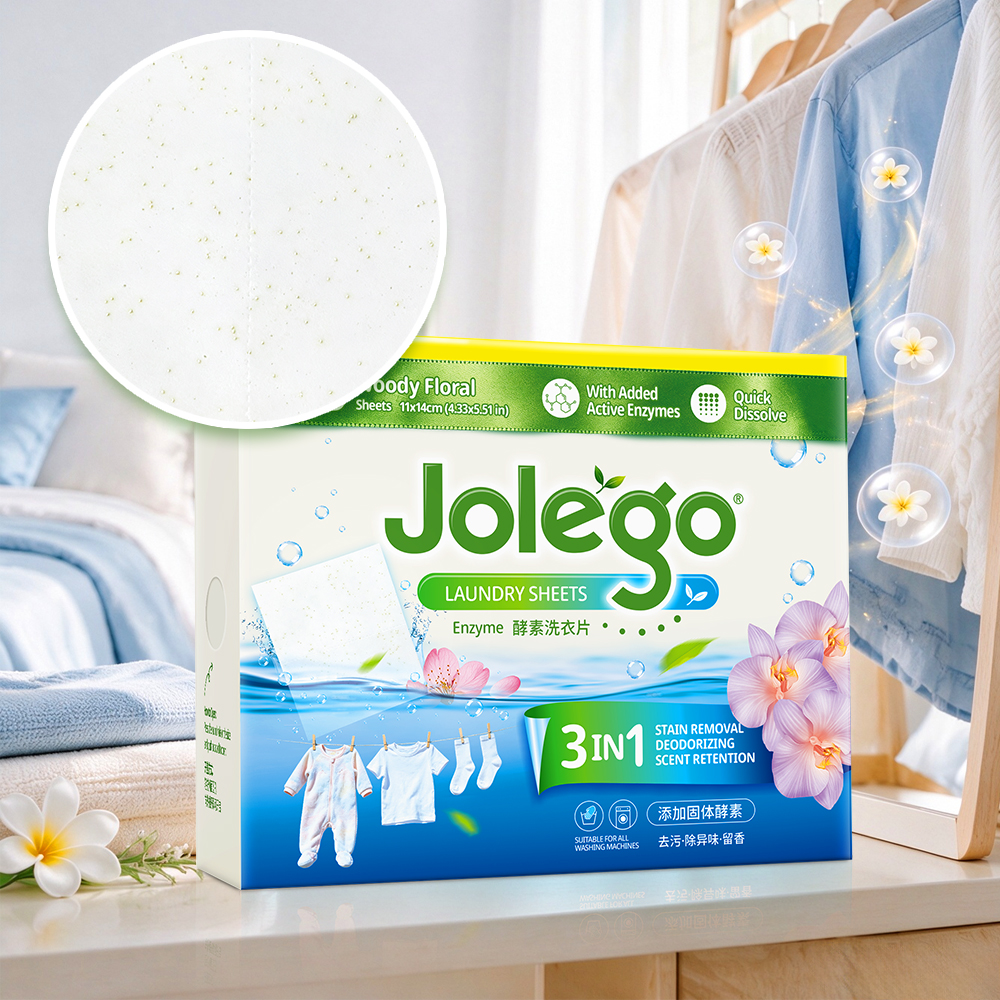
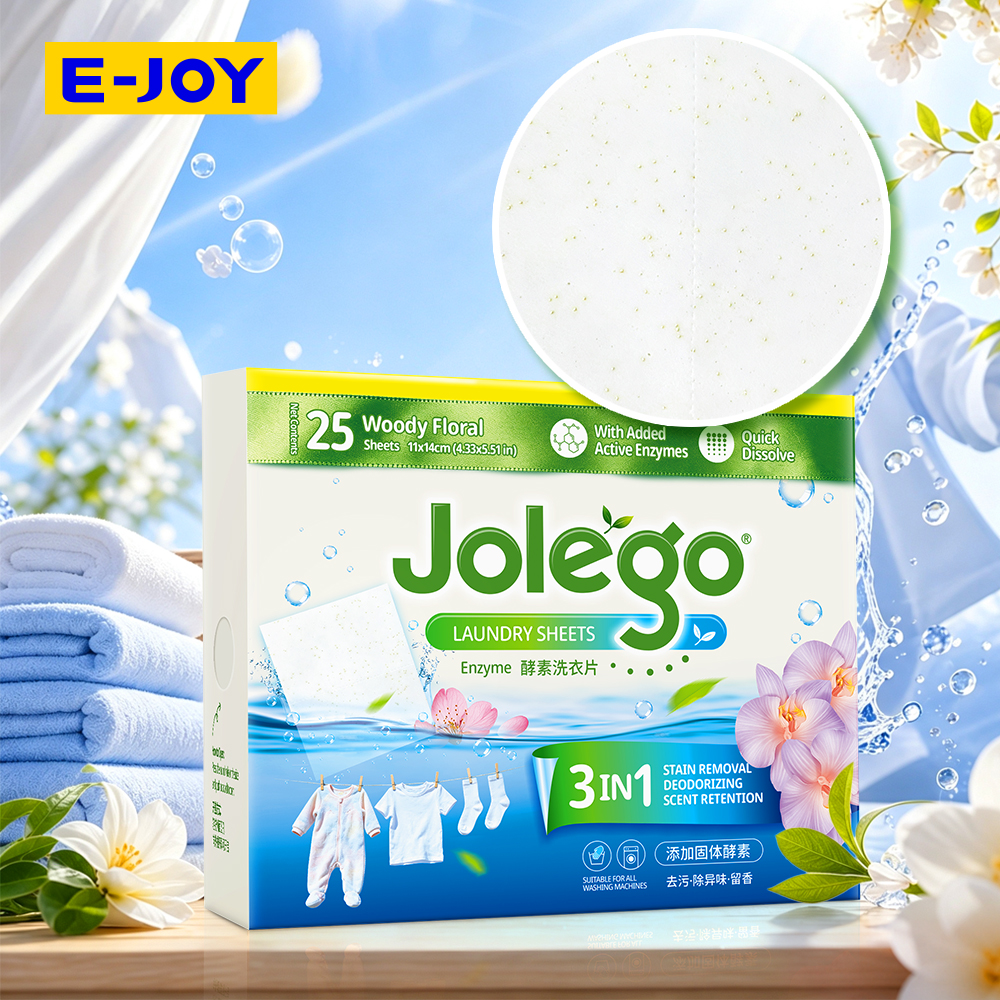
First, note the date received. Take photos of the shipping pack and the sheets. Then, check for damage, moisture, or sheets stuck together. Store the samples as directed by the supplier.
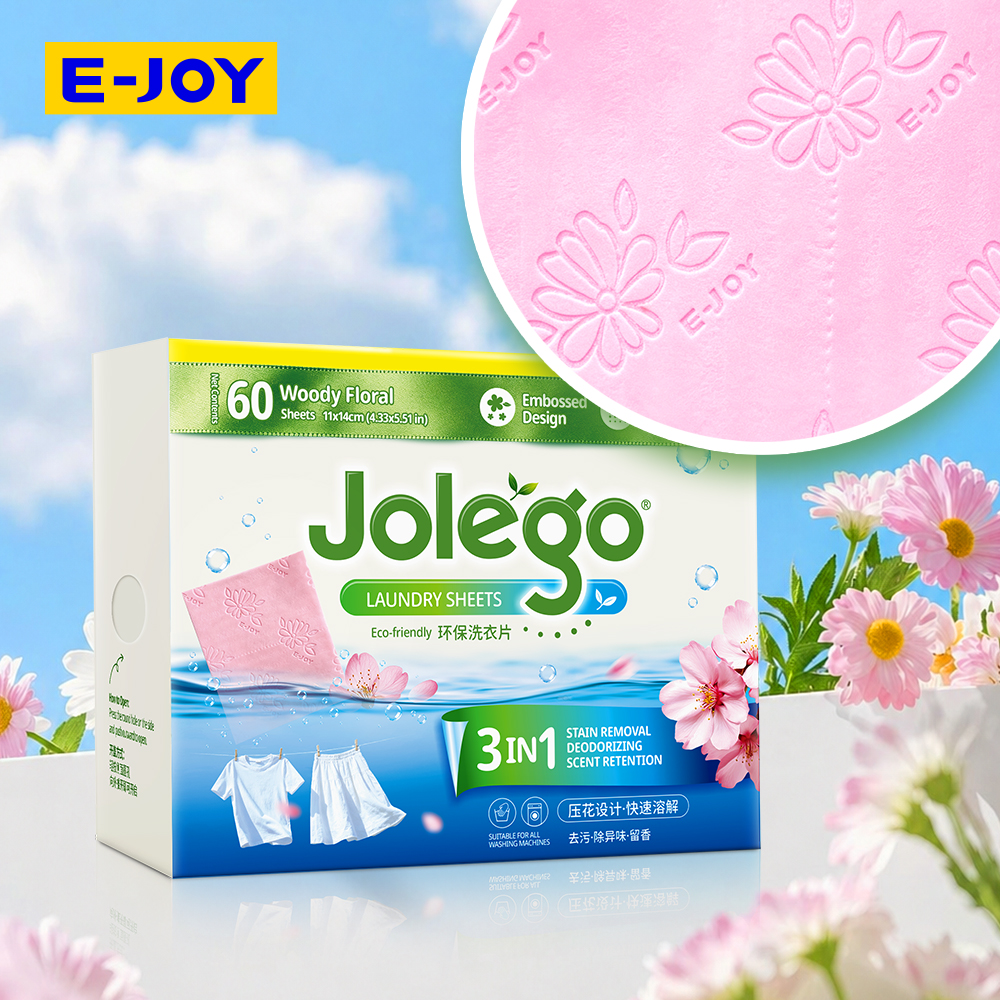
Next, compare the sample with the brief. Review size, color, surface, and sheet count. If weight checks are part of the plan, use a suitable scale. Also, record how many sheets you checked.
If samples arrive damaged, contact the supplier before drawing conclusions about wash results. Shipping conditions may have affected the product. Therefore, confirm whether a replacement sample is needed.
Use a Consistent Wash Plan
Wash results depend on more than the sheet. For example, the machine, cycle, water, and load can affect the outcome. Therefore, define the test conditions before comparing samples.
- Use the same machine and wash cycle.
- Record water temperature and hardness where known.
- Keep the load weight and fabric mix consistent.
- Use comparable test soils and preparation methods.
- Follow the agreed dose and placement instructions.
- Use the same drying method for comparisons.
Also, test only fabrics suited to the chosen cycle. Avoid unplanned changes in softener or other wash additives. If you change one factor, record it clearly.
Finally, repeat the tests as agreed. A single wash gives limited evidence. If cold-wash performance is a goal, include a defined cold cycle in the review plan.
Check Cleaning, Residue, and Scent Separately
Cleaning on Agreed Soils
First, compare the agreed test areas after washing. Use the same light and scoring method. Also, keep before-and-after photos. Do not rely on a general impression alone.
Visible Sheet or Product Residue
Next, check fabrics and relevant machine areas for residue. If residue remains, record where it appears. Also, note the load, dose, cycle, and placement. A quick dissolution check alone does not prove wash performance.
Scent after Washing and Drying
Then, assess scent at the same stages for each sample. For example, review wet fabric and fully dried fabric separately. Also, keep drying time and conditions consistent. Scent on a dry sheet may differ from scent on washed fabric.
Know What a Buyer Trial Can Show
A buyer trial can support a sourcing decision. However, it does not prove every product claim. Skin suitability, biodegradability, and other formal claims need suitable evidence. Therefore, discuss the required testing with a qualified lab.
Assess the Pack with the Actual Sheets
A plain sample pack may suit an early formula review. However, the final retail pack needs its own checks. Review the intended materials, closure, and sheet count with the actual product.
Also, check ease of opening and closing. Confirm barcode scanning, label placement, and batch codes. Then, review the outer carton and shipping marks.
A brief sample trial cannot prove the full shelf life. Therefore, ask what evidence supports the proposed storage period and pack protection. Agree on further tests where needed.
Turn Laundry Sheets Sample Evaluation into Clear Feedback
First, link each comment to a sample code. Then, describe the test conditions and observed result. Clear feedback gives the supplier a useful basis for review.
- Record the result. State what happened and attach the relevant photos.
- Identify the gap. Compare the result with the agreed goal or reference sample.
- Discuss the next step. Confirm whether to adjust the product or repeat the test.
- Record the decision. Mark the sample as approved, pending, or needing revision.
Before bulk production, approve the final specification in writing. Include the sample reference, product details, and packaging. Also, agree on batch checks. Sample approval does not replace inspection of bulk goods.
Discuss Your Sample Brief with E-JOY
E-JOY is based in Qingyuan, Guangdong, China. Our home care business brings together research, product development, and manufacturing. Explore our home care OEM and ODM background to learn more.
For laundry sheets sample evaluation, share your target market, wash goals, and proposed test conditions. Also, include the preferred sheet format, packaging, and estimated order volume. Our team can then review the requested OEM scope.
You can also visit the E-JOY Alibaba storefront to explore our business. To begin a sourcing discussion, send a brief that explains what you want the samples to demonstrate.
Questions from Brand Buyers
How many samples should I request?
The quantity depends on the review plan. First, list the tests and repeat runs. Also, allow for packaging checks and retained samples. Then, agree on a suitable quantity with E-JOY.
Can I compare samples from different suppliers?
Yes, but document each sample and its dose instructions. Then, use a defined comparison method. If you test at equal sheet counts or equal product weight, record that as a separate comparison basis.
Does fast dissolution mean better cleaning?
Dissolution and cleaning are different checks. Therefore, assess residue and soil removal separately. Also, test under the intended wash conditions rather than relying on a water demonstration alone.
What should I keep after sample approval?
Keep the approved specification, sample code, and test record. Also, retain reference samples under agreed storage conditions. Confirm the retention period and final packaging version with the supplier.
Start with a Clear Sample Plan
Planning a laundry sheet sample review? First, list your product goals and test conditions. Also, include the pack format, order estimate, and target launch date.
Use the E-JOY contact page to share your brief. Our team can then review the requested scope and discuss sample terms and next steps.