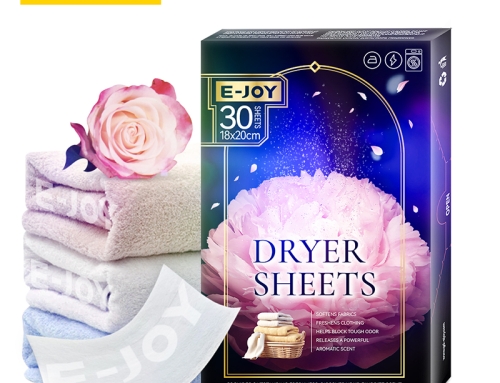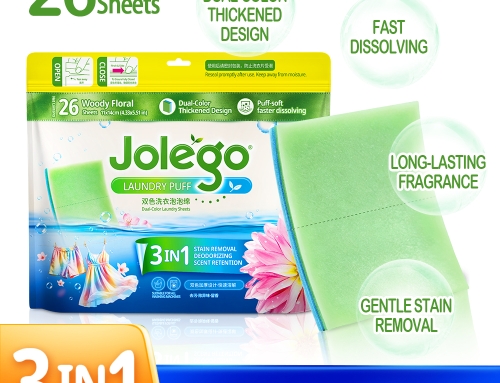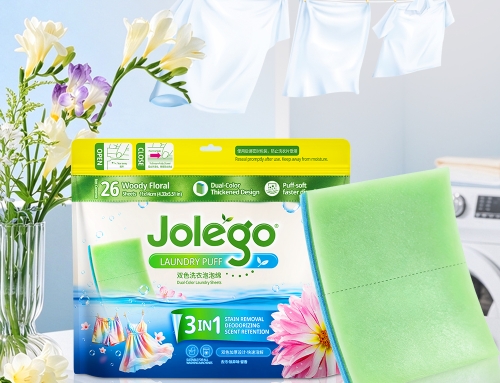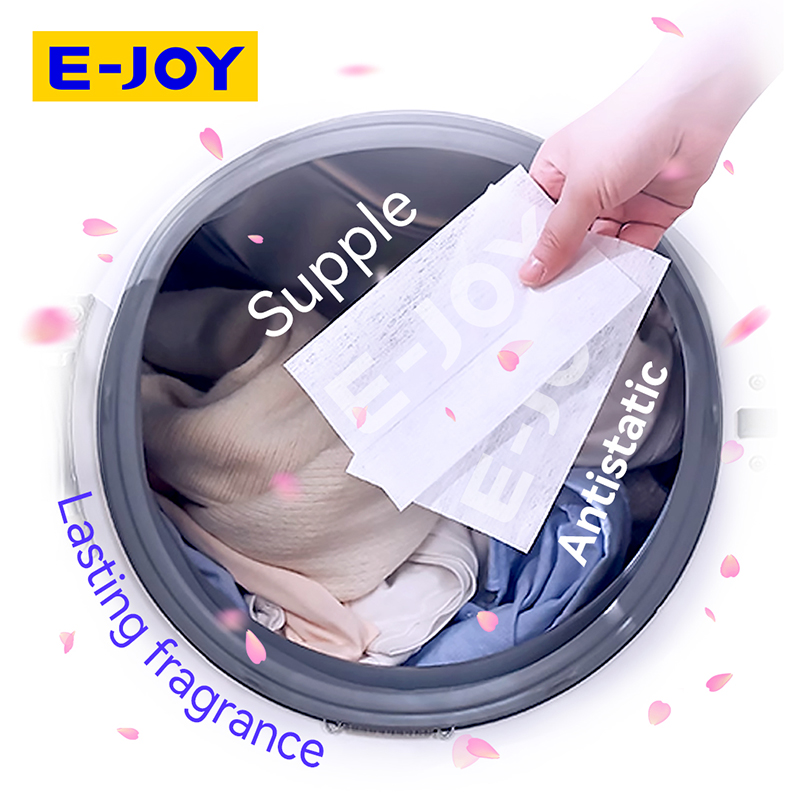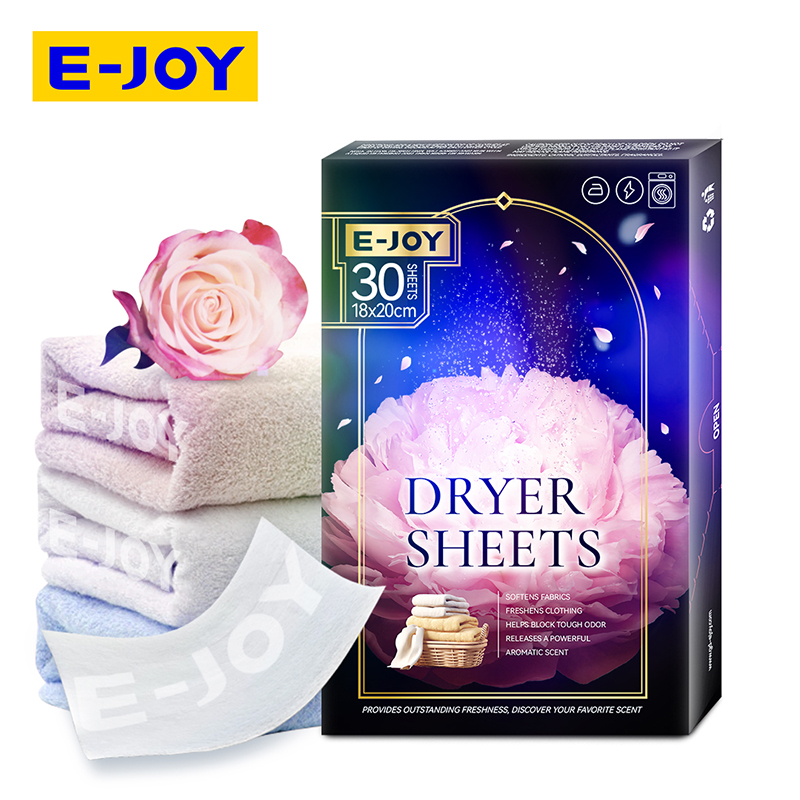

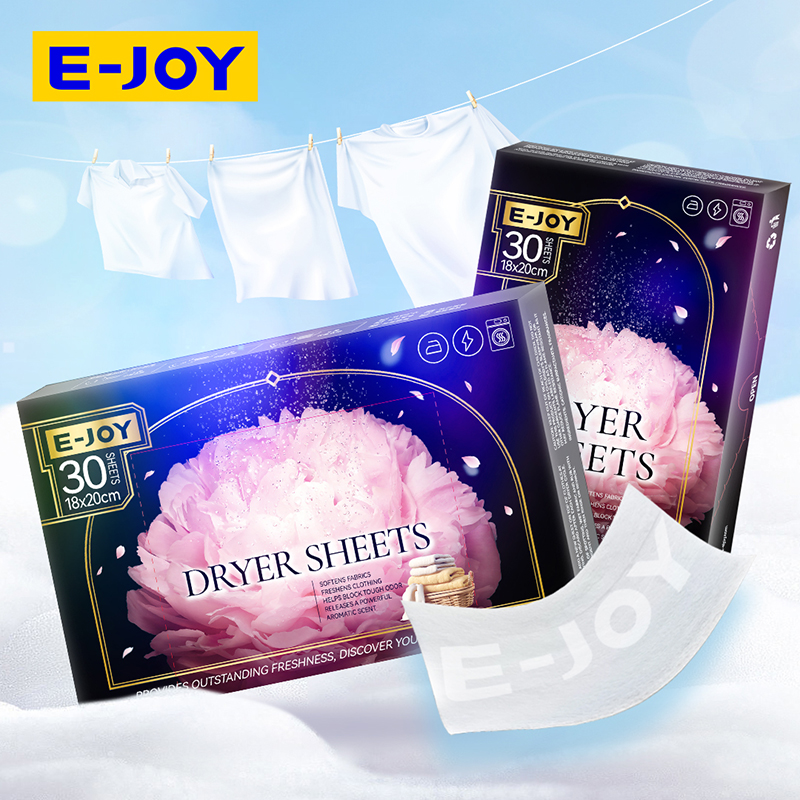
Dryer sheets manufacturing involves several steps. First, a factory selects the sheet material. Next, it prepares a softening formula. After that, workers apply the formula, cut the sheets, and pack the finished products.
But how are dryer sheets made? What materials do factories use? Also, how do they check product quality?
This guide explains the main production steps. In addition, it shows what buyers should know before starting an OEM project.
Quick Answer: How Are Dryer Sheets Manufactured?
Most dryer sheet production plans include these steps:
- Select the base sheet material.
- Prepare the softening formula.
- Mix and check the ingredients.
- Apply the formula to the sheet.
- Dry or cool the treated material.
- Cut the sheets to size.
- Check the finished products.
- Count and pack the sheets.
However, each factory may use a different process. The formula and equipment can also affect production.
1. Dryer Sheets Manufacturing: Select the Base Material
The first step in dryer sheets manufacturing is material selection. The base sheet holds the softening formula during use.
Therefore, the material must suit the product design.
Nonwoven Sheet Material
Many dryer sheets use nonwoven fabric. This material has a sheet-like structure. It can also hold a coating.
In addition, it can be cut into different sizes. This makes it useful for different product designs.
Check Material Quality
Before production, workers should check the incoming material. They may review its weight, thickness, and surface.
Also, the material should match the approved product details. This helps keep each batch consistent.
2. Dryer Sheets Manufacturing: Prepare the Formula
After choosing the material, the factory prepares the formula. This formula gives dryer sheets their main functions.
For example, some products help soften fabrics. Others may help reduce static cling or add fragrance.
Fabric Softening Ingredients
Many dryer sheets contain fabric softening ingredients. These ingredients help improve fabric feel after drying.
However, the formula can vary between products. Therefore, buyers should ask for basic ingredient details.
Static Control Ingredients
Static cling can occur during tumble drying. Some formulas are designed to help reduce this effect.
For this reason, factories should test the product under suitable drying conditions.
Fragrance Options
Fragrance is another common product feature. For example, brands may choose fresh or floral scents.
Some buyers may prefer products without added fragrance. In either case, the formula should match the brand’s needs.
3. Dryer Sheets Manufacturing: Mix the Formula
Once the ingredients are ready, the factory starts mixing. This step helps spread the ingredients through the formula.
Good process control is important here. Therefore, the factory should follow clear mixing rules.
Control the Mixing Process
First, workers add the ingredients in the planned order. Then, they mix them under set conditions.
For example, the factory may control mixing time and temperature. These settings depend on the formula.
Check the Formula
Next, workers check the mixture before coating. They may review its appearance and other key details.
In addition, the factory should keep batch records. These records help track production results.
4. Dryer Sheets Manufacturing: Apply the Formula
Coating is a key step in dryer sheets manufacturing. During this stage, the factory applies the formula to the base material.
However, different factories may use different coating methods.
Roll Coating
Some production lines use rollers to apply the formula. The sheet material passes through the coating area.
This method can help control the amount of formula on the sheet.
Dip or Pad Coating
Other methods use dipping or padding. In this process, the sheet comes into contact with the formula.
After that, the factory controls the amount of coating left on the material.
Check the Coating Amount
The coating amount can affect product quality. Too much or too little may change the final result.
Therefore, workers should check the coating during production. Also, they should compare the results with the product standard.
5. Dryer Sheets Manufacturing: Drying and Cooling
After coating, some products need drying or cooling. This step prepares the treated material for further processing.
However, the exact method depends on the formula and equipment.
Drying Control
First, the factory sets the required process conditions. These may include temperature and processing time.
Then, workers check the material after drying. They look for changes in its surface and feel.
Cooling the Material
Some production lines use cooling after treatment. This helps prepare the sheets for cutting.
In addition, the factory should check the material before the next step.
Storage Conditions
Storage can affect the finished product. Therefore, factories should follow suitable storage rules.
Also, the package should help protect the sheets during transport.
6. Dryer Sheets Manufacturing: Cutting and Sizing
Once the treated material is ready, it moves to cutting. This step gives each sheet its final size.
For this reason, buyers should confirm the sheet dimensions before production.
Check Sheet Size
First, confirm the length and width. Different brands may need different sheet sizes.
Next, the factory sets the cutting details. Workers then check the sheets during production.
Check Sheet Weight
Weight is another important detail. It may depend on the base material and coating amount.
Therefore, the factory should compare sample weights with the approved standard.
Check Cutting Quality
After cutting, workers check the edges and shape. They look for uneven cuts or visible damage.
In addition, the factory should compare samples from different batches.
7. Dryer Sheets Manufacturing: Quality Inspection
Quality checks help keep products close to the approved sample. They should take place during production and before shipment.
Appearance Checks
First, workers check the sheet surface. They look for stains, damage, and uneven coating.
Also, they review the sheet color and shape.
Weight and Size Checks
Next, the factory checks sheet weight and dimensions. These details should match the approved specifications.
As a result, buyers can compare different production batches more easily.
Fragrance Checks
Fragrance is another point to review. The factory may check the scent during product inspection.
However, buyers should also test samples after a real drying cycle. This gives a better idea of the final scent.
Performance Tests
Product tests help buyers understand how the sheets work. For example, tests may review fabric feel and static control.
For better comparison, use the same fabric types and dryer settings.
Final Package Checks
Finally, workers check the finished packs. They review sheet count, label details, and package condition.
Also, buyers can ask for inspection records before shipment.
8. Dryer Sheets Manufacturing: Counting and Packaging
After inspection, the sheets move to packing. This is the final main step before shipment.
Count Each Pack
First, the factory counts the sheets. Then, workers check the quantity in each pack.
Accurate counting helps reduce packing errors.
Choose the Package Type
Different brands may choose different package types. For example, common options include:
- Paper boxes.
- Plastic containers.
- Resealable bags.
- Retail cartons.
- Bulk packages.
However, the best option depends on the product and target market.
Check Package Protection
The package should suit the product’s storage needs. It should also protect the sheets during transport.
Therefore, buyers should review the package materials before ordering.
Add Brand Information
OEM buyers may use their own logo and artwork. The factory can review the design before printing.
Before mass production, check the text, colors, and sheet count. Then, approve the final artwork.
9. What Should Buyers Check in Dryer Sheets Manufacturing?
Understanding the production process helps buyers ask better questions. It also makes supplier reviews easier.
The table below shows the main points to check.
| Production Stage | Buyer Check |
|---|---|
| Base material | Material type, weight, and quality |
| Formula | Ingredient details and mixing control |
| Coating | Coating amount and surface quality |
| Drying | Process conditions and storage needs |
| Cutting | Sheet size, weight, and edges |
| Inspection | Appearance and product performance |
| Packaging | Pack count, labels, and protection |
With this checklist, buyers can review a factory more clearly. In addition, they can compare suppliers before making a decision.
10. Dryer Sheets Manufacturing for OEM Brands
OEM projects may have different product needs. Some buyers want a standard product with custom packaging. Others may need changes to the formula or fragrance.
Therefore, buyers should share their needs before production starts.
Custom Sheet Size
Brands may need different sheet sizes. Ask whether the factory can support your required dimensions.
Custom Fragrance
Some projects need a special scent. Buyers can discuss available options with the supplier.
However, each new fragrance should be tested before approval.
Custom Packaging
Private label orders may include custom boxes, bags, and labels. Buyers can also provide their own logo.
In addition, confirm the pack size and printed details before production.
Sample Approval
First, review the product sample. Then, test the sheet and check the package.
Finally, approve the sample and written product details before placing a bulk order.
11. Choosing a Dryer Sheets Manufacturing Partner
Choosing a supplier takes more than checking the price. Buyers should also review product knowledge and production ability.
For example, check whether the factory can support the sheet material, coating method, and packaging you need.
Also, ask about sample development and quality checks. Clear answers help you understand the supplier’s actual services.
Guangdong E-JOY Daily Necessities Co., Ltd. provides OEM and ODM services for household cleaning products.
Its known product range includes laundry sheets, laundry detergent pods, dishwasher pods, and laundry scent beads.
Visit the E-JOY official website to learn more about the company.
For dryer sheets projects, confirm the factory’s actual production ability and product options before requesting a quotation.
Dryer Sheets Manufacturing: Final Buyer Checklist
Before choosing a supplier, review these questions:
- What base materials does the factory use?
- Which softening formulas are available?
- What coating methods can it support?
- Are fragrance options available?
- Can it make custom sheet sizes?
- Can it provide product samples?
- Does it check coating and sheet weight?
- Can it support private label packaging?
- Are MOQ and delivery terms clear?
- Can it provide the required product documents?
These questions help buyers review the production process. They also help reduce confusion before an OEM order.
Frequently Asked Questions
1. What materials are used to make dryer sheets?
Many dryer sheets use nonwoven or similar sheet materials. The exact choice depends on the product design and formula.
2. How is the softening formula applied?
Factories may use roll coating or dip and pad methods. The choice depends on the formula and equipment.
3. Why is coating control important?
Coating affects the amount of formula on each sheet. Therefore, factories should check coating weight and product consistency.
4. Are dryer sheets dried after coating?
Some production methods use drying or cooling after coating. However, the exact process depends on the formula and equipment.
5. Can dryer sheets be customized for private label brands?
OEM options may include sheet size, fragrance, formula, and packaging. However, buyers should confirm available options with the factory.
6. How do manufacturers check dryer sheet quality?
They may check sheet weight, size, coating, fragrance, and appearance. Product tests can also review fabric feel and static control.
7. Should buyers request samples before bulk production?
Yes. Samples help buyers check product quality and performance. They should approve the final sample before mass production.
Conclusion: Understand the Dryer Sheets Production Process
Dryer sheets go through several production steps. These include material selection, formula preparation, coating, drying, cutting, inspection, and packaging.
Each step affects the finished product. Therefore, buyers should understand the process before choosing a supplier.
Also, sample testing helps buyers check the real product. Clear specifications can make OEM projects easier to manage.
Before starting an order, confirm the factory’s actual production methods and product options.
Discuss Your Laundry Care OEM Project
Planning to develop a private label laundry care product?
Contact E-JOY to discuss your product needs and available OEM services.
Contact E-JOY Visit Alibaba Store
Official website: www.ejoy-gd.com