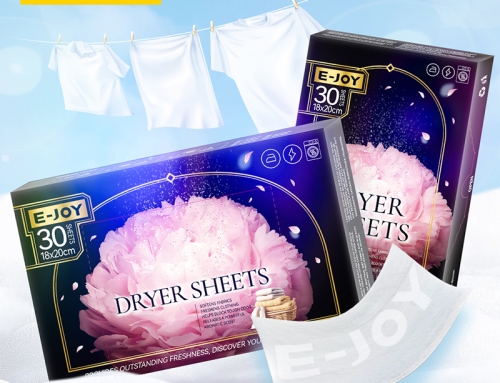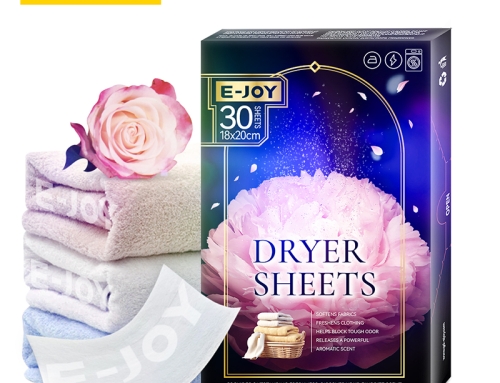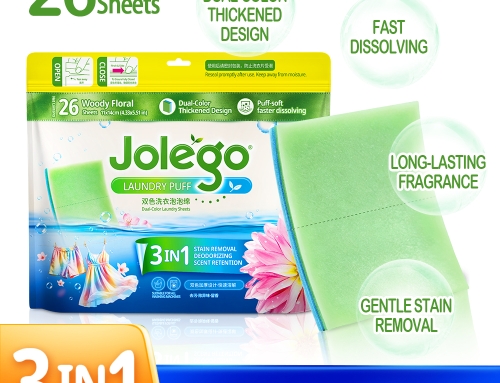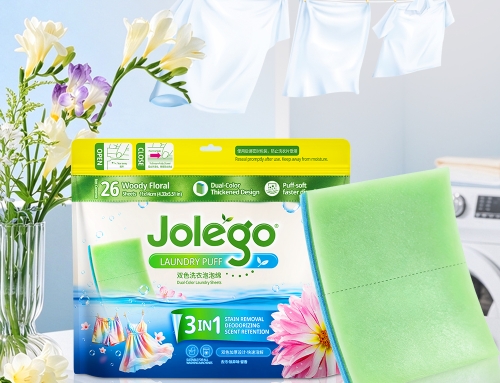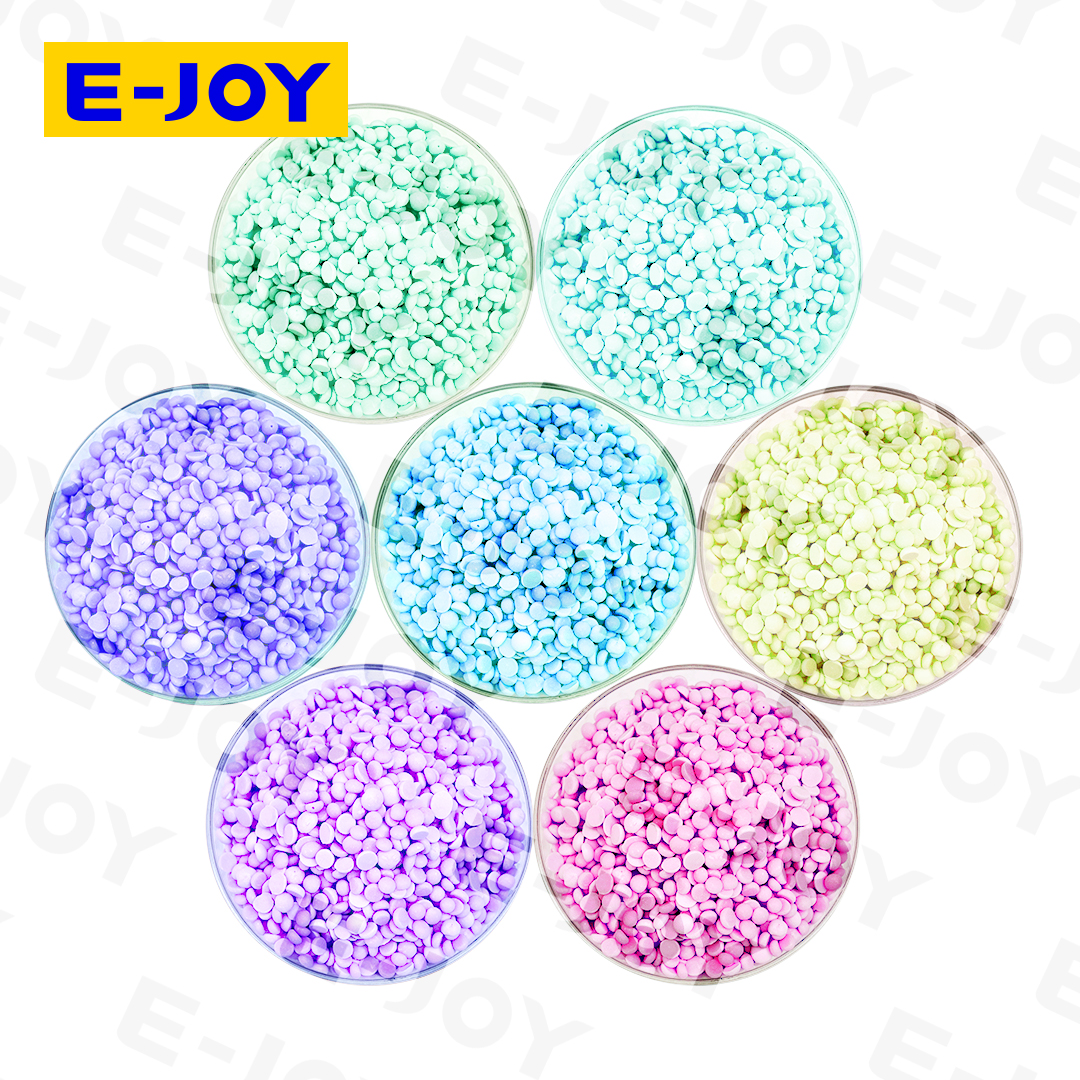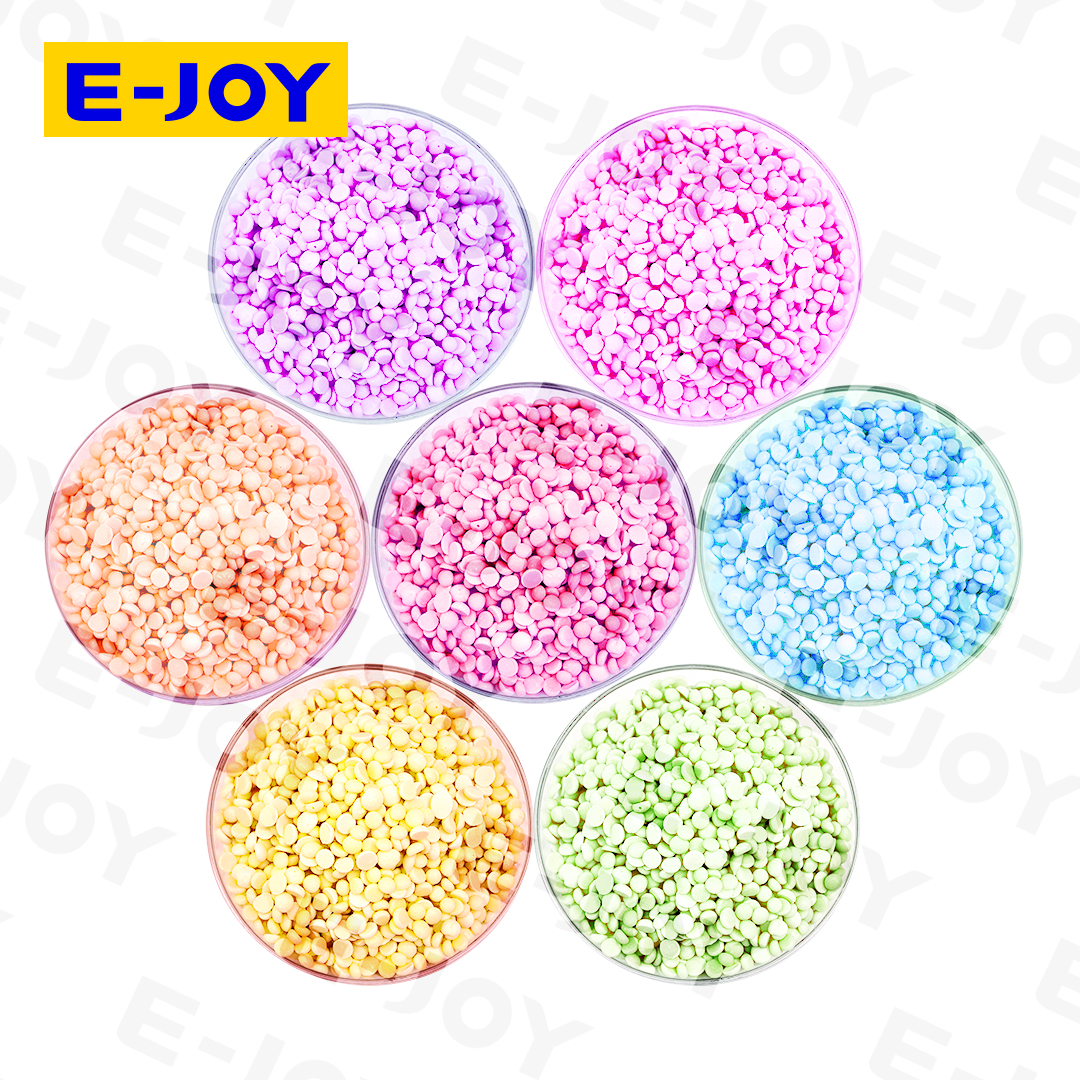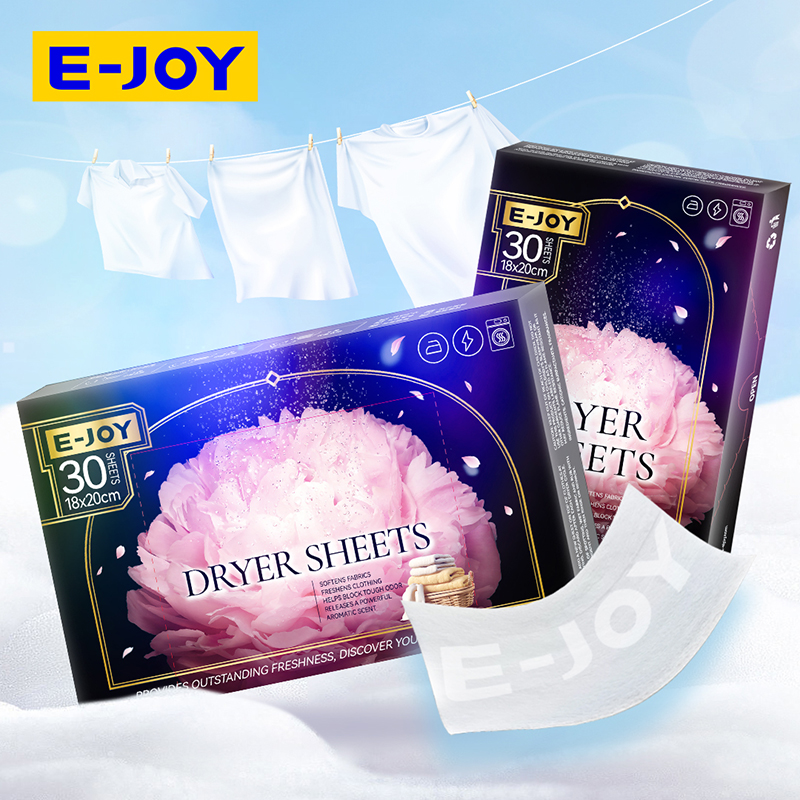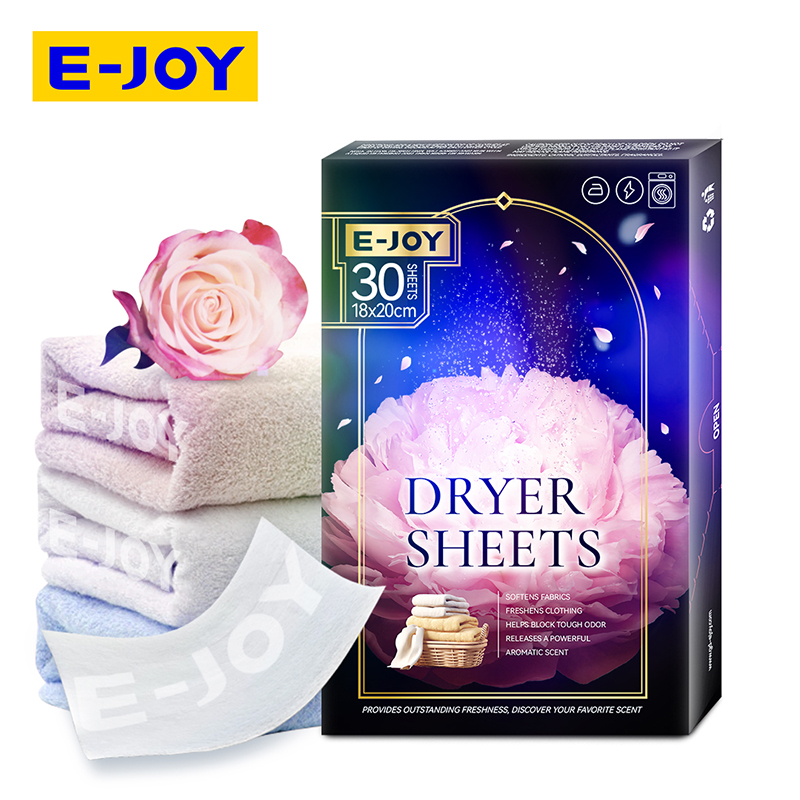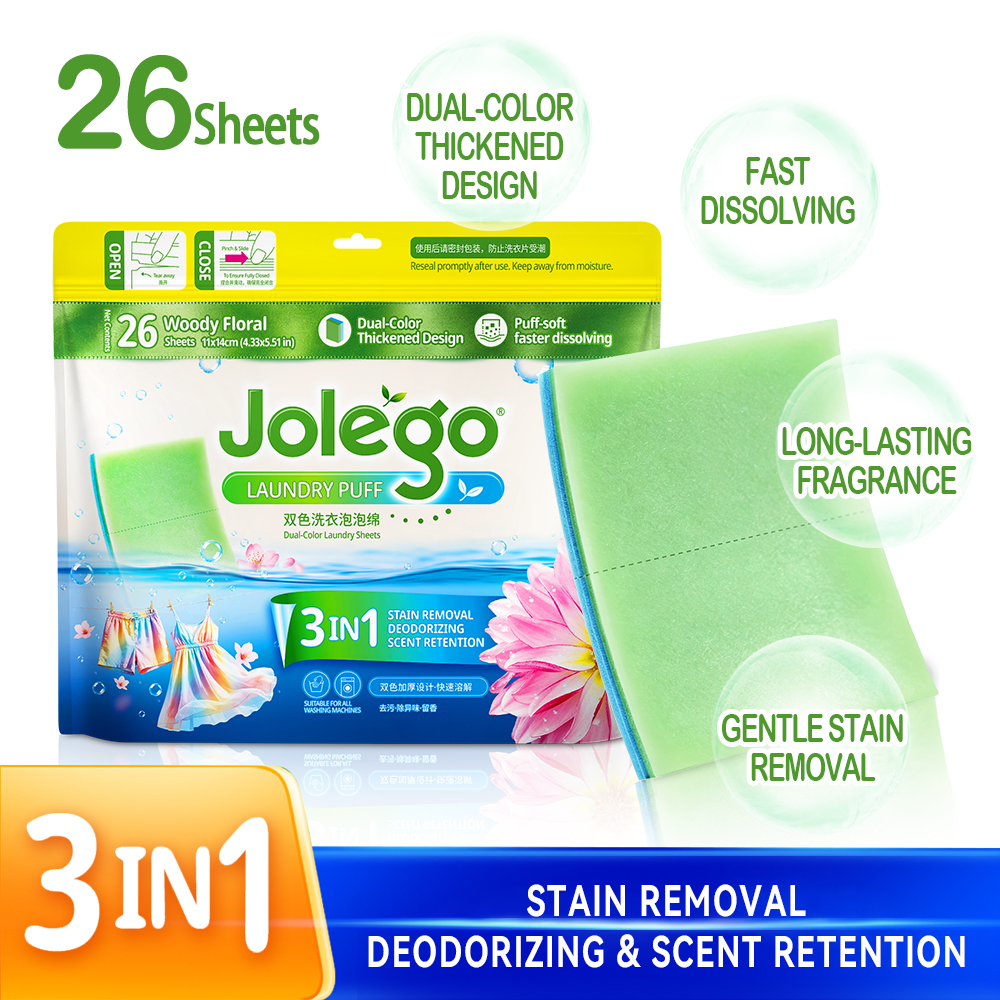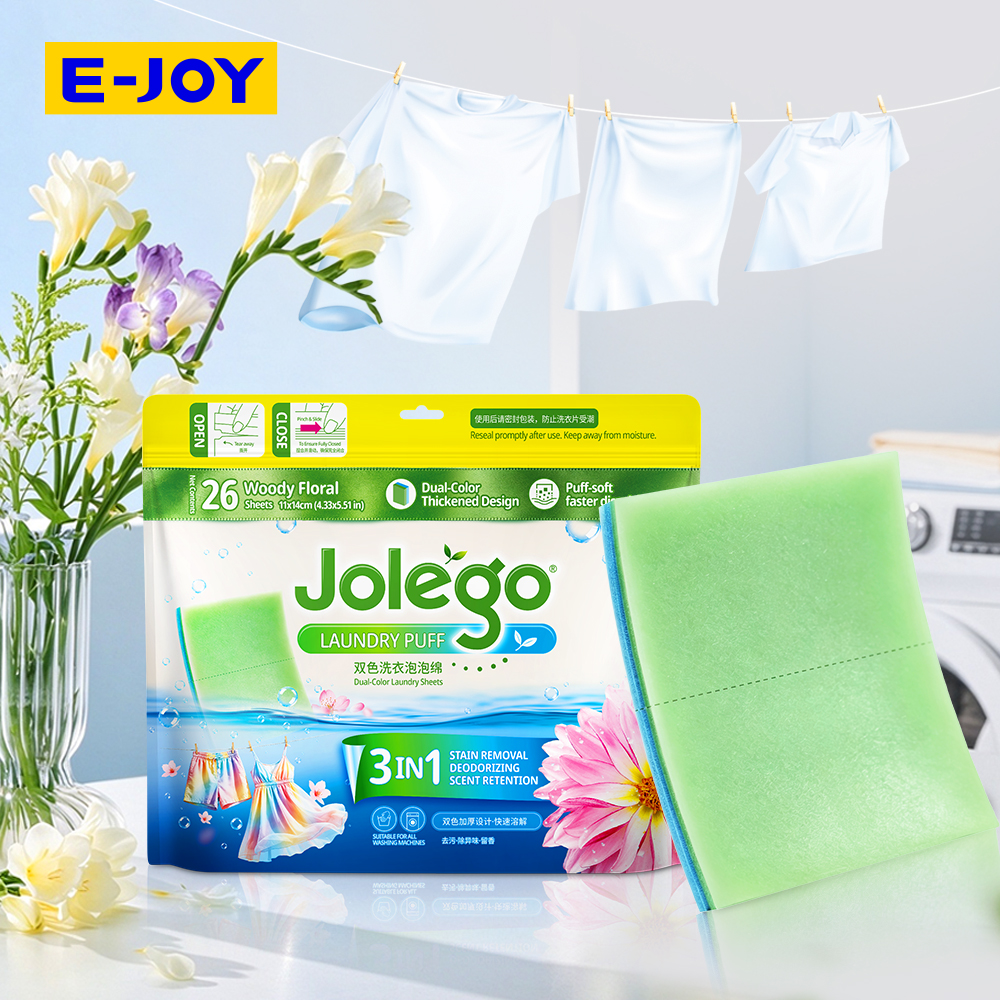

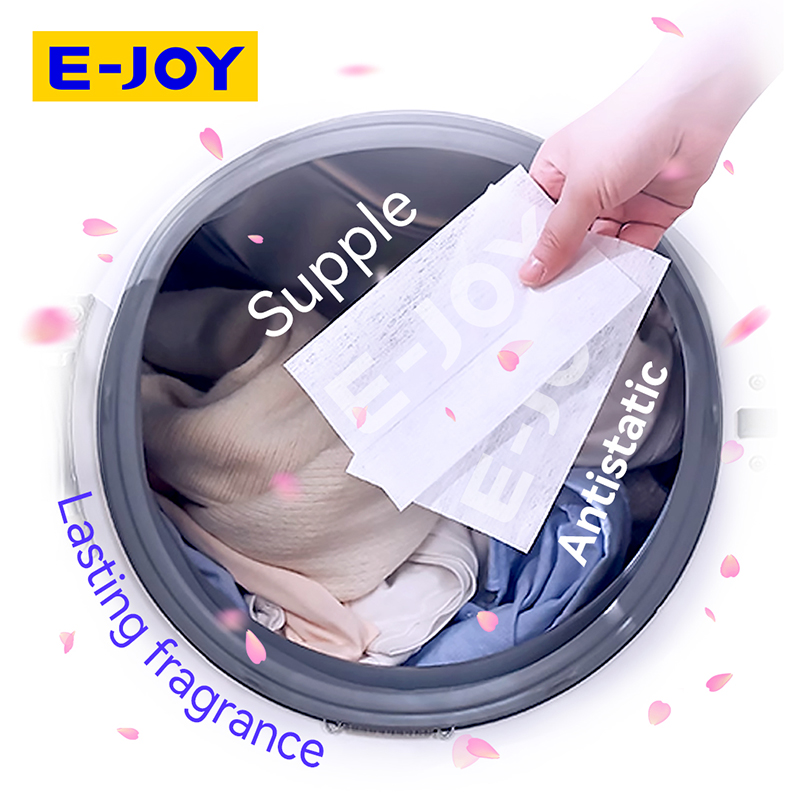
Dryer sheets OEM services help brands develop their own fabric care products. Buyers can work with a factory to create products under their own brand names.
However, an OEM project involves more than adding a logo to a package. Buyers also need to discuss the formula, sheet material, fragrance, and product size.
In addition, they should review samples, MOQ, prices, and quality checks. This guide explains the main points buyers should know before starting a dryer sheets OEM project.
Quick Answer: What Should Buyers Know About Dryer Sheets OEM?
Before working with a supplier, buyers should check these points:
- OEM and ODM service options.
- Sheet material and product specifications.
- Fabric softening formula options.
- Fragrance choices.
- Product testing and samples.
- Custom packaging and logo design.
- MOQ, pricing, and production time.
- Quality checks and product documents.
Most importantly, confirm the product details before mass production.
1. Dryer Sheets OEM: Understand OEM and ODM Services
First, buyers should understand the difference between OEM and ODM. Both services can support private label projects. However, they work in different ways.
What Is OEM?
OEM means a factory makes products based on the buyer’s requirements. The buyer provides the product plan and brand details.
For example, you may request a certain sheet size and fragrance. You may also provide your own package design. The factory then makes the product based on the agreed details.
What Is ODM?
ODM often starts with products that a factory has already developed. Buyers can choose an available product and request changes.
For instance, you may select an existing dryer sheet option. Then, you can discuss a different fragrance or package.
Which Service Should Buyers Choose?
The right choice depends on your business plan.
- OEM may suit brands with clear product requirements.
- ODM may suit buyers who want to start with existing options.
- Private label services may support custom logos and packaging.
However, service names can vary between factories. Therefore, ask each supplier to explain its actual services.
2. Dryer Sheets OEM: Choose the Right Sheet Material
Sheet material is an important part of a dryer sheets OEM project. It affects the product’s structure, feel, and use.
Therefore, buyers should discuss material options before requesting samples.
Material Type
Many dryer sheets use nonwoven fabric or similar sheet materials. These materials can carry a softening formula.
However, different materials may have different properties. Ask the factory for material details before making a choice.
Sheet Size
Sheet size can affect product use and package design. Some brands may prefer standard sizes. Others may need custom dimensions.
For this reason, confirm the length and width with the supplier.
Sheet Weight and Thickness
Weight and thickness are also important. They help define the product specification.
In addition, ask the factory how it checks these details during production. Clear standards can help keep batches consistent.
3. Dryer Sheets OEM: Review Formula and Fragrance Options
The formula affects how dryer sheets work. It may support fabric softening, static control, and fragrance.
However, not every factory offers the same formula choices. Therefore, buyers should explain their product needs early.
Fabric Softening Formula
Many dryer sheets use ingredients designed to improve fabric feel. Buyers should ask about the available formula options.
Also, request basic ingredient information. This helps you understand the product before testing.
Static Control
Static cling can occur during tumble drying. Some dryer sheet formulas are designed to help reduce this effect.
For this reason, buyers should test the product under normal drying conditions. Do not rely on formula descriptions alone.
Fragrance Selection
Fragrance can help define a product range. For example, brands may choose fresh, floral, or light scent options.
Some buyers may also prefer products without added fragrance. Therefore, ask which options the factory can provide.
Fragrance Testing
Next, request fragrance samples. Check the scent before and after the drying cycle.
Also, compare the samples under the same conditions. This makes it easier to choose a suitable option.
4. Dryer Sheets OEM: Customize Product Specifications
Product specifications should be clear before production starts. They help the factory understand what the buyer expects.
In addition, written specifications make sample approval easier.
Sheet Dimensions
First, confirm the sheet length and width. Then, ask whether the factory can support the requested size.
For custom sizes, buyers should review a real sample before approval.
Sheet Count
Decide how many sheets each package should contain. For example, you may plan a small trial pack or a larger retail pack.
However, the pack count should match your product plan and target customers.
Product Appearance
Buyers should also check sheet color, shape, and surface quality. These details affect the final product presentation.
Therefore, include appearance requirements in the approved product specifications.
5. Dryer Sheets OEM: Develop Custom Packaging and Branding
Packaging is an important part of a private label project. It protects the product and displays the brand.
Therefore, buyers should discuss packaging before mass production.
Choose a Packaging Format
Different brands may use different package types. Common options may include:
- Paper boxes.
- Plastic containers.
- Resealable bags.
- Retail cartons.
- Bulk packaging.
However, available options depend on the factory and product design.
Custom Logo and Artwork
Buyers can provide their own logo and package artwork. The factory can then review the design files.
Before printing, check the product name, text, colors, and sheet count. Also, approve the final artwork in writing.
Package Protection
The package should suit the product’s storage needs. It should also protect the sheets during transport.
For this reason, ask the factory about available package materials. Then, review a real package sample.
Label Information
Check the product name, use instructions, and quantity. In addition, review any warning text required in your target market.
This step can help reduce label changes before production.
6. Dryer Sheets OEM: Understand Sample Development
Samples help buyers check the real product before placing a large order. Therefore, sample approval should be part of every OEM project.
Step 1: Share Your Product Requirements
First, tell the factory about your product plan. Share the target market, sheet size, fragrance, and packaging ideas.
Also, provide an estimated order quantity if possible. This helps the supplier review your project.
Step 2: Review Product Samples
Next, request product samples. Check the sheet material, size, weight, and fragrance.
Then, test the sheets in a tumble dryer. Review fabric feel and static control under normal conditions.
Step 3: Give Feedback
After testing, write down your comments. For example, you may want to change the fragrance or sheet size.
Share the results with the factory. This makes the next sample round easier to manage.
Step 4: Approve the Final Sample
Once the sample meets your needs, confirm the details in writing. Keep the approved sample as a reference.
As a result, both sides can follow the same product standard during mass production.
7. Dryer Sheets OEM: Check MOQ and Product Costs
MOQ and pricing affect your buying plan. However, the lowest quotation may not be the best option.
Instead, compare the full cost and product details.
Understand MOQ
MOQ means minimum order quantity. It may depend on the sheet material, formula, fragrance, and packaging.
For example, custom printed boxes may have a separate minimum order quantity.
Therefore, ask the factory to explain each MOQ clearly.
Review the Quotation
Ask for a quotation based on your final product specifications. Check what the price includes.
Also, ask about sample fees, packaging costs, and setup fees. This helps you plan your budget.
Plan Your First Order
New brands may prefer to start with a smaller order. This can help them test market demand.
However, smaller orders may have a higher unit price. Therefore, compare different quantities before making a decision.
Discuss Repeat Orders
If the product sells well, you may need more stock. For this reason, discuss repeat order terms early.
Also, ask whether the same formula and package can be used again.
8. Dryer Sheets OEM: Review Quality Control
Quality checks help keep products close to the approved sample. They should cover materials, production, and finished goods.
Raw Material Checks
First, ask how the factory checks incoming materials. It should have clear rules for material quality.
In addition, ask whether the factory keeps inspection records.
Production Checks
Next, learn how workers check products during production. Common checks may include sheet size, weight, coating, and appearance.
If a product does not meet the agreed standard, ask how the factory handles it.
Finished Product Checks
Before shipment, the factory should inspect the finished goods.
For example, checks may cover:
- Sheet size and weight.
- Surface and edge quality.
- Fragrance consistency.
- Number of sheets per pack.
- Package condition.
- Batch information.
Finally, ask whether the factory can provide inspection records. These records help buyers review the order.
9. Dryer Sheets OEM: Check Documents and Market Requirements
Product rules can differ by country. Therefore, buyers should check the requirements in their target market.
Depending on the product and destination, buyers may need to review:
- Product specification sheets.
- Ingredient information.
- Safety Data Sheets, where applicable.
- Product test reports.
- Fragrance information.
- Packaging and label details.
- Quality system documents.
However, not every document applies to every product. The exact requirements depend on the formula, product claims, and local rules.
For this reason, share your sales destination with the supplier. Also, ask an appropriate compliance expert to review the final documents.
10. Dryer Sheets OEM: Plan the Production Timeline
A clear timeline helps both sides manage an OEM project. It also helps buyers prepare for a product launch.
A typical project may include these steps:
A Typical Dryer Sheets OEM Workflow
- Share product requirements.
- Discuss formula and sheet options.
- Request product samples.
- Test and approve samples.
- Confirm price and MOQ.
- Approve packaging artwork.
- Confirm the purchase order.
- Start mass production.
- Complete inspection and shipment.
However, each project may need a different amount of time. Custom formulas and printed packaging may require extra work.
Therefore, ask the supplier for a clear schedule. Also, confirm when the factory needs your approval.
11. How to Choose a Dryer Sheets OEM Partner
Choosing an OEM partner takes more than comparing prices. Buyers should also review product knowledge and actual production ability.
For example, check whether the factory can support the sheet material, formula, fragrance, and packaging you need.
In addition, ask about samples and quality checks. Clear answers help you understand the supplier’s services.
Guangdong E-JOY Daily Necessities Co., Ltd. provides OEM and ODM services for household cleaning products.
Its known product range includes laundry sheets, laundry detergent pods, dishwasher pods, and laundry scent beads.
Visit the E-JOY official website to learn more about the company.
For a dryer sheets project, confirm the factory’s actual product capability and available production options before requesting a quotation.
Dryer Sheets OEM: Final Buyer Checklist
Before starting an OEM project, review these questions:
- Are the OEM and ODM services clear?
- What sheet materials are available?
- Can the factory offer suitable formula options?
- Are fragrance choices available?
- Can it support custom sheet sizes?
- Can buyers test samples first?
- Are MOQ and prices clear?
- Does the factory have quality checks?
- Can it provide the required documents?
- Is the production schedule clear?
With this checklist, buyers can prepare better questions. It also helps them compare suppliers before making a decision.
Frequently Asked Questions
1. What does dryer sheets OEM mean?
Dryer sheets OEM means a factory makes dryer sheets based on the buyer’s product requirements. The buyer sells the finished product under its own brand.
2. What is the difference between OEM and ODM?
OEM usually follows the buyer’s product plan. ODM often starts with products or formulas offered by the factory. However, each supplier may offer different services.
3. Can buyers customize dryer sheet formulas?
Some factories offer formula options and product development support. Therefore, buyers should ask about available choices before requesting samples.
4. Can dryer sheets have custom packaging?
Yes. OEM projects may include custom boxes, bags, labels, and logos. However, package options may depend on order quantity.
5. What affects the MOQ for dryer sheets?
MOQ may depend on materials, formula, fragrance, and packaging. Custom printed packages may also need a separate minimum quantity.
6. Should buyers test samples before bulk production?
Yes. Buyers should check fabric feel, fragrance, and product performance. They should also approve the final package design.
7. What should buyers prepare before contacting a factory?
Prepare your target market, product needs, sheet size, fragrance, package ideas, and estimated order quantity. These details help the factory review your project.
Conclusion: Start Your Dryer Sheets OEM Project
Starting an OEM project takes clear planning. Buyers need to review the sheet material, formula, fragrance, and package.
They should also check samples, MOQ, pricing, and production time. In addition, product documents should meet the needs of the target market.
Most importantly, confirm all product details before mass production. Clear communication helps both sides manage the project.
Before placing an order, make sure the factory can support the exact dryer sheet product you need.
Discuss Your Laundry Care OEM Project
Planning to develop your own private label laundry care product?
Contact E-JOY to discuss product requirements and available OEM services.
Contact E-JOY Visit Alibaba Store
Official website: www.ejoy-gd.com