
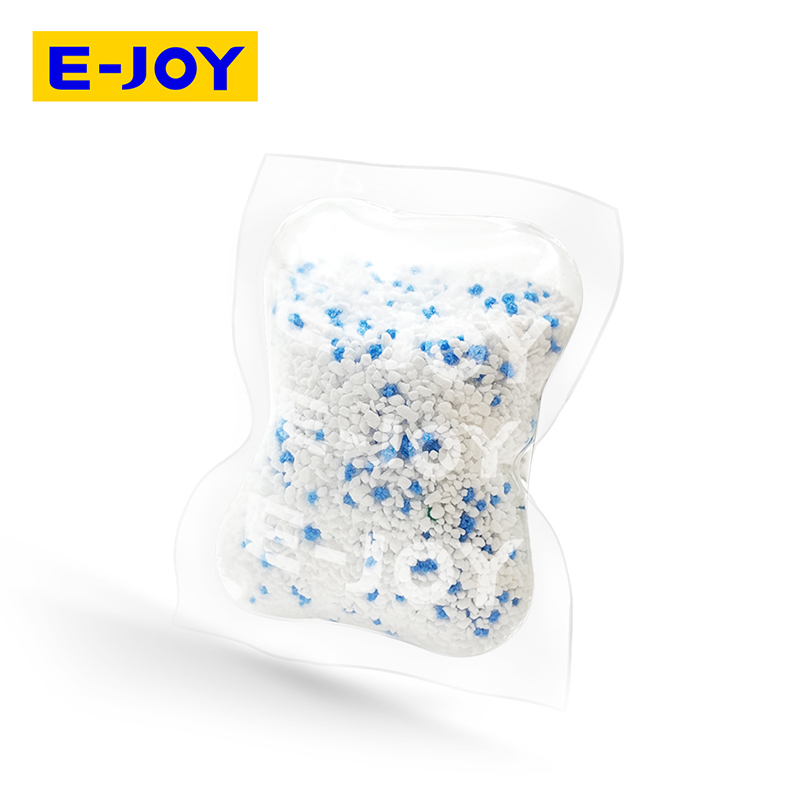
Dishwasher pods OEM manufacturing allows a brand to sell dishwasher pods under its own name. First, the buyer shares a product brief. Next, the supplier develops or selects a formula. Then both sides approve samples, packaging, and quality standards. Finally, the factory produces, checks, and ships the finished pods.
For OEM buyers, a clear process reduces delays. It also helps control formula changes, artwork changes, and production risks. Therefore, buyers should agree on each approval point before placing a bulk order.
Dishwasher Pods OEM Manufacturing: Main Stages
Each project has different requirements. However, most orders follow the stages below. First, define the product. Next, approve the sample. Then confirm the pack and order terms. Finally, review the finished goods before shipment.
| Stage | Main work | Buyer approval |
|---|---|---|
| Product brief | Define market, formula, dose, and pack | Written project scope |
| Sample development | Prepare and test the proposed pod | Approved sample |
| Artwork and packaging | Prepare pack and label files | Final artwork and pack |
| Order confirmation | Agree price, MOQ, timing, and tests | Purchase order |
| Bulk production | Form, fill, seal, and pack the pods | Production controls |
| Release and shipment | Check goods and prepare shipping files | Release approval |
1. Prepare the OEM Product Brief
Start with the target sales market. Then explain the sales channel and customer group. Next, define the pod size, dose, chamber design, and pack count. Also, include the planned order volume.
A useful brief may include:
- Target country and sales channel.
- Pod weight and number of chambers.
- Formula, scent, and colour needs.
- Cleaning claims and use directions.
- Pack type and number of pods per pack.
- Target cost, MOQ, and launch date.
If a detail is still open, state it clearly. The supplier can then provide suitable options. This approach also reduces changes during sampling.
2. Select or Develop the Formula
Some OEM projects use an existing factory formula. Others need formula adjustment or new development. The scope depends on the buyer’s needs and the supplier’s resources. Therefore, confirm the development work before sampling.
Ask for the main formula characteristics. These may include cleaning focus, enzyme use, scent, colour, water conditions, and recommended dose. Also, ask which claims the formula can support.
A formula reference should be recorded. If the formula changes later, the supplier should provide notice. Then the buyer can decide whether a new test is needed.
3. Test and Approve Samples
Sample testing is a key step in dishwasher pods OEM manufacturing. First, use the proposed dose. Next, set the water hardness, temperature, load, and wash cycle. These conditions should reflect the target market.
Review food soil removal, grease removal, pod dissolution, residue, glass appearance, and machine cleanliness where relevant. Also, compare the result with a reference product if needed.
Keep the sample code and test date. Then record the approved formula and product limits. A written specification gives both sides a clear production reference.
OEM buyer tip: Approve the sample under written conditions. A single home wash may not support a broad performance claim.
4. Approve the Pod Film and Packaging
Dishwasher pods need packaging that limits moisture exposure. First, choose the outer pack. Options may include tubs, pouches, cartons, or refill bags. Next, review the closure and inner film.
Test the complete pack with the actual pods. Check pod separation, surface condition, and ease of removal. Also, review the pack after storage and transport testing.
For private label orders, approve the artwork before printing. Check the product name, dose, warnings, net weight, batch area, and use directions. Requirements can vary by market.
Relevant detergent and chemical information should be reviewed for the destination market. For EU projects, see ECHA’s safety data sheet guidance.
5. Confirm MOQ, Price, and Lead Time
Once the sample and pack are approved, review the quotation. First, check what the unit price includes. Next, confirm the MOQ for the formula and printed pack. Also, ask about sample, testing, and setup charges.
Lead time may include raw material preparation, film production, printing, testing, and packing. Therefore, ask when the quoted lead time starts. Then record how changes affect the schedule.
Also, review payment and delivery terms. Request carton size, gross weight, and pallet information. These details help you calculate the landed cost.
6. Run Bulk Dishwasher Pods OEM Manufacturing
Production starts after the product, pack, and order are approved. First, the factory checks the raw materials. Next, it weighs and blends the formula. The exact process depends on the pod design and equipment.
Then the production line forms the soluble film. It fills each pocket with the planned dose. After that, the line seals the pod. Multi-chamber pods may use separate sections for different materials.
During production, staff may check pod weight, seal quality, shape, appearance, and dissolution. They may also review room conditions and material handling. These controls should match the approved specification.
Finally, the pods go into the approved outer pack. The line adds batch codes and date information. Staff then check pack count, cartons, and shipping marks.
7. Complete Quality Checks Before Shipment
Quality checks should be agreed before bulk production. First, define the sampling plan. Next, set the acceptance limits. Then decide which records are needed for release.
- Pod weight and appearance.
- Seal strength and leakage checks.
- Dissolution under agreed conditions.
- Pack count, closure, and artwork.
- Batch code and carton information.
- Relevant cleaning or storage tests.
If an independent inspection is needed, book it early. Then agree on the inspection scope and release process. Also, compare the invoice and packing list with the purchase order.
8. Manage Changes After Approval
Changes can affect the product and its documents. For example, a new film, scent, enzyme, or closure may need review. Therefore, require written notice before an agreed change.
Next, assess the effect on cleaning, storage, labels, and claims. If needed, request a new sample. Then update the product specification and approval records.
Frequently Asked Questions About Dishwasher Pods OEM Manufacturing
Can I use my own brand and packaging?
Many OEM projects allow custom branding. However, printing methods and MOQs vary. Confirm the artwork, pack, and sample process before production.
Do I need to provide my own formula?
Not always. Some projects use a factory formula. Others use a buyer formula or a new development brief. Confirm formula ownership and use rights in writing.
How long does an OEM project take?
There is no fixed time for every project. Samples, artwork, raw materials, printing, tests, and order volume can all affect the schedule. Therefore, request a project timeline for your exact order.
What should I approve before bulk production?
Approve the formula, pod sample, packaging, artwork, quality plan, price, MOQ, and delivery terms. Keep each approval in the order file.
Dishwasher pods OEM manufacturing works best with clear approval points. First, define the product brief. Next, approve the formula and sample. Then confirm the packaging and order terms. Finally, review the batch records before shipment.
Discuss Your Dishwasher Pods OEM Project
Explore E-JOY’s household cleaning product range as you prepare your private label brief. You can also browse our Alibaba storefront to review product and packaging options.
Send your requirements through our contact page. Include your sales market, pod type, dose, pack size, artwork needs, and order volume. Then discuss samples, MOQ, documents, and lead time.