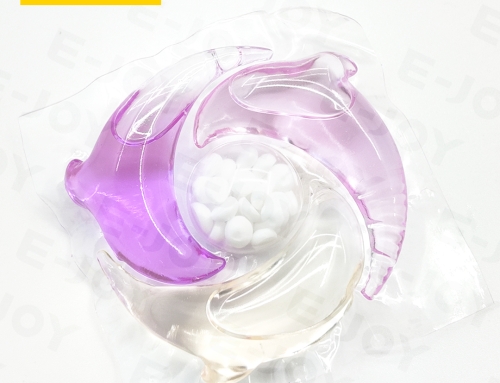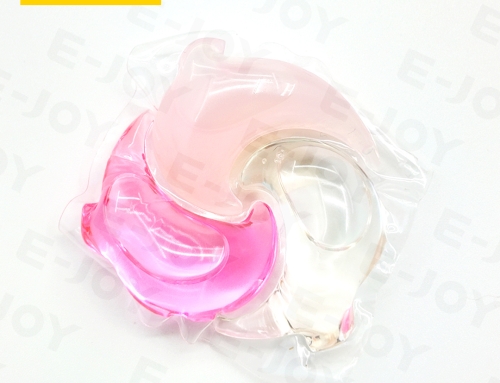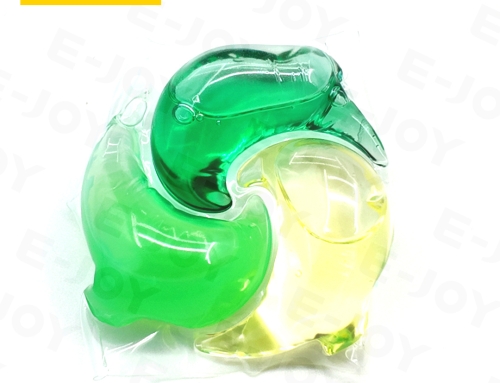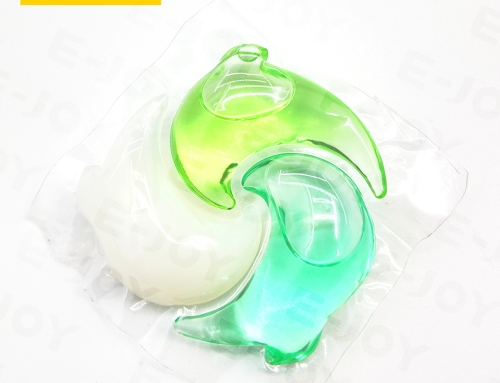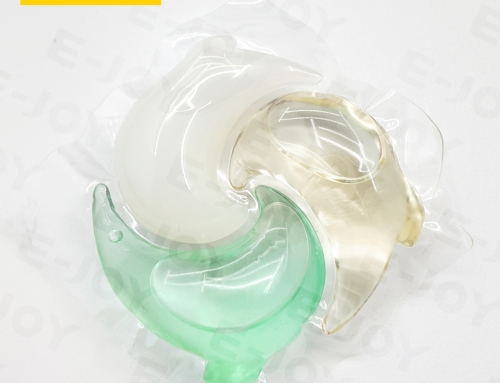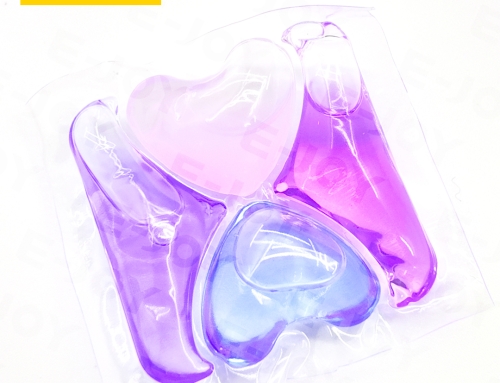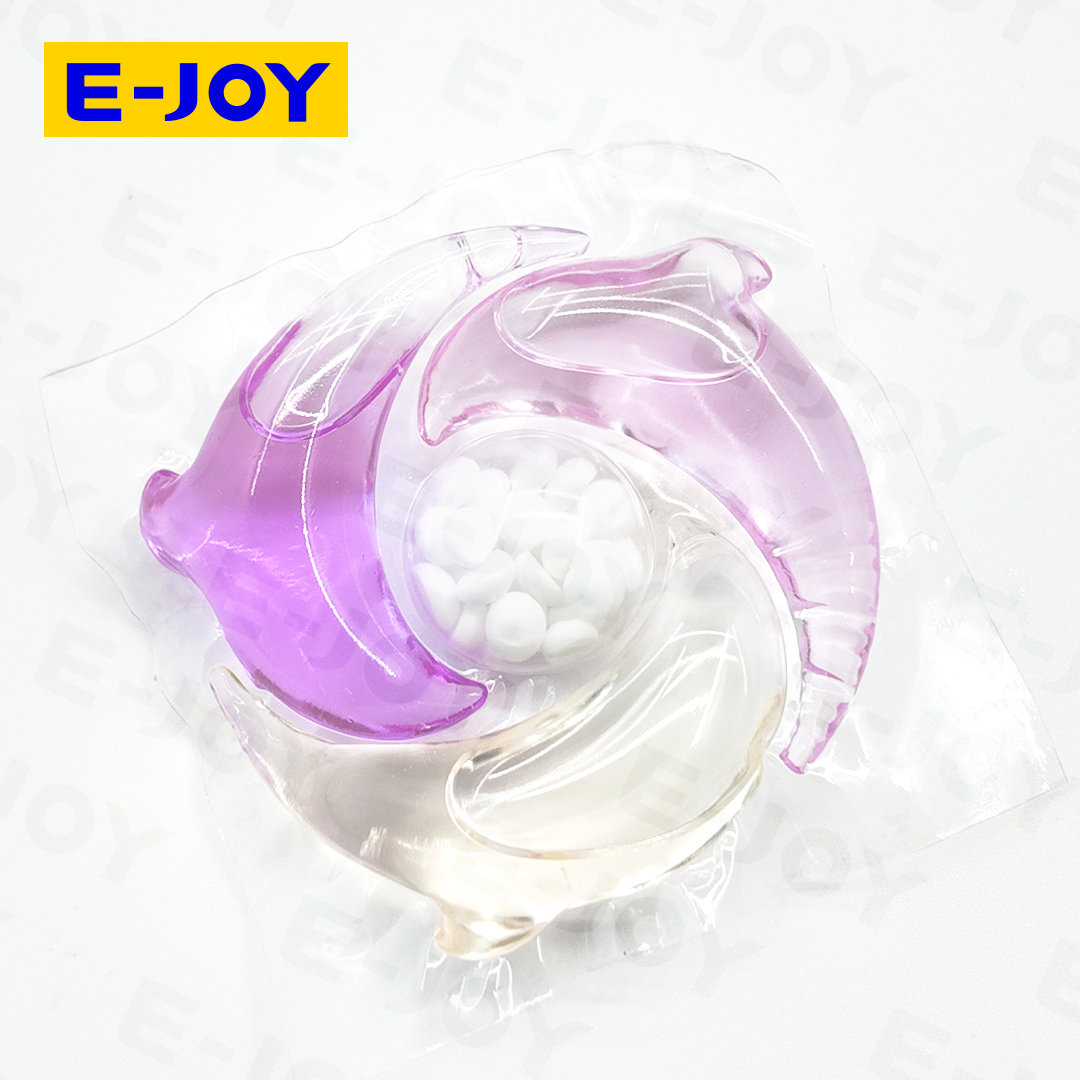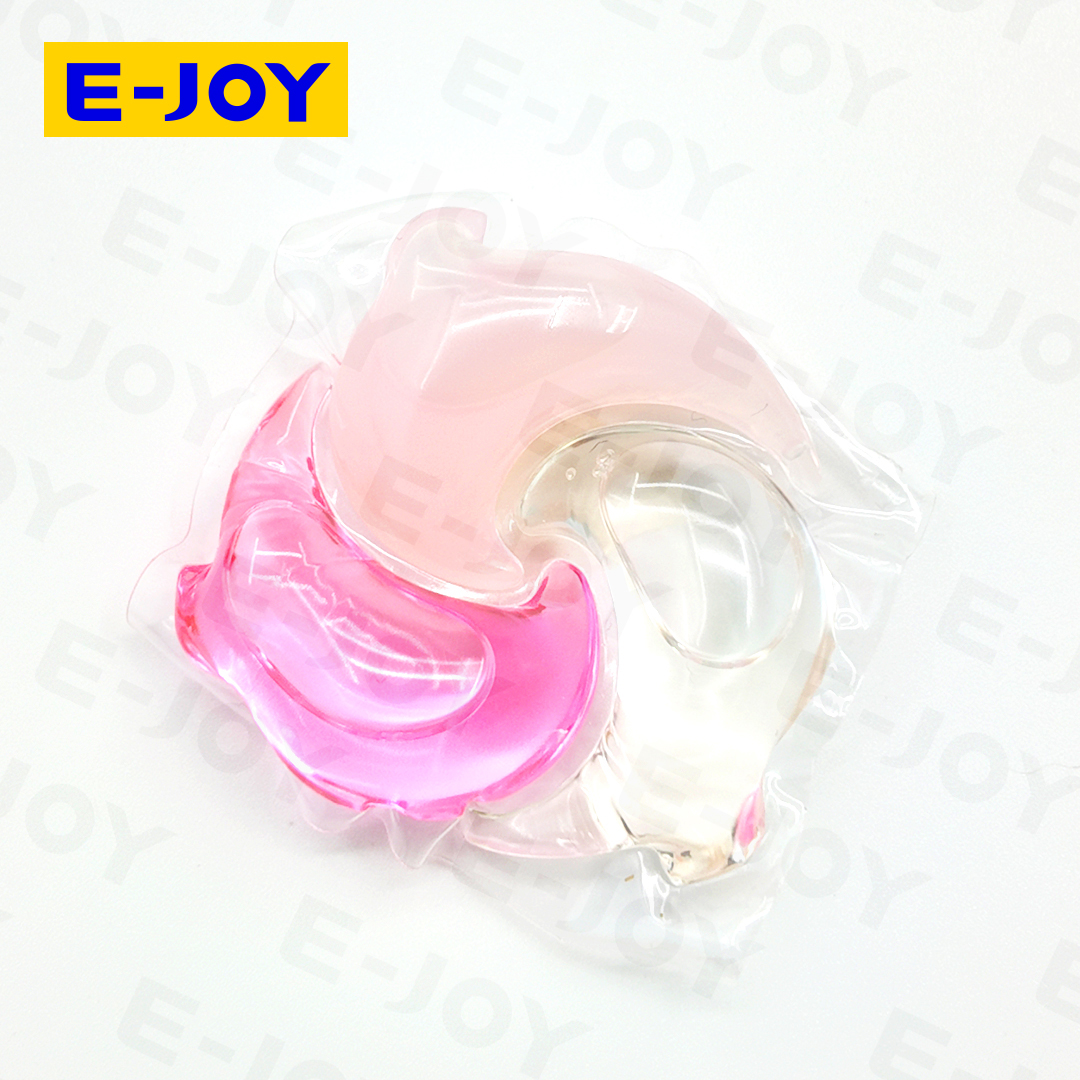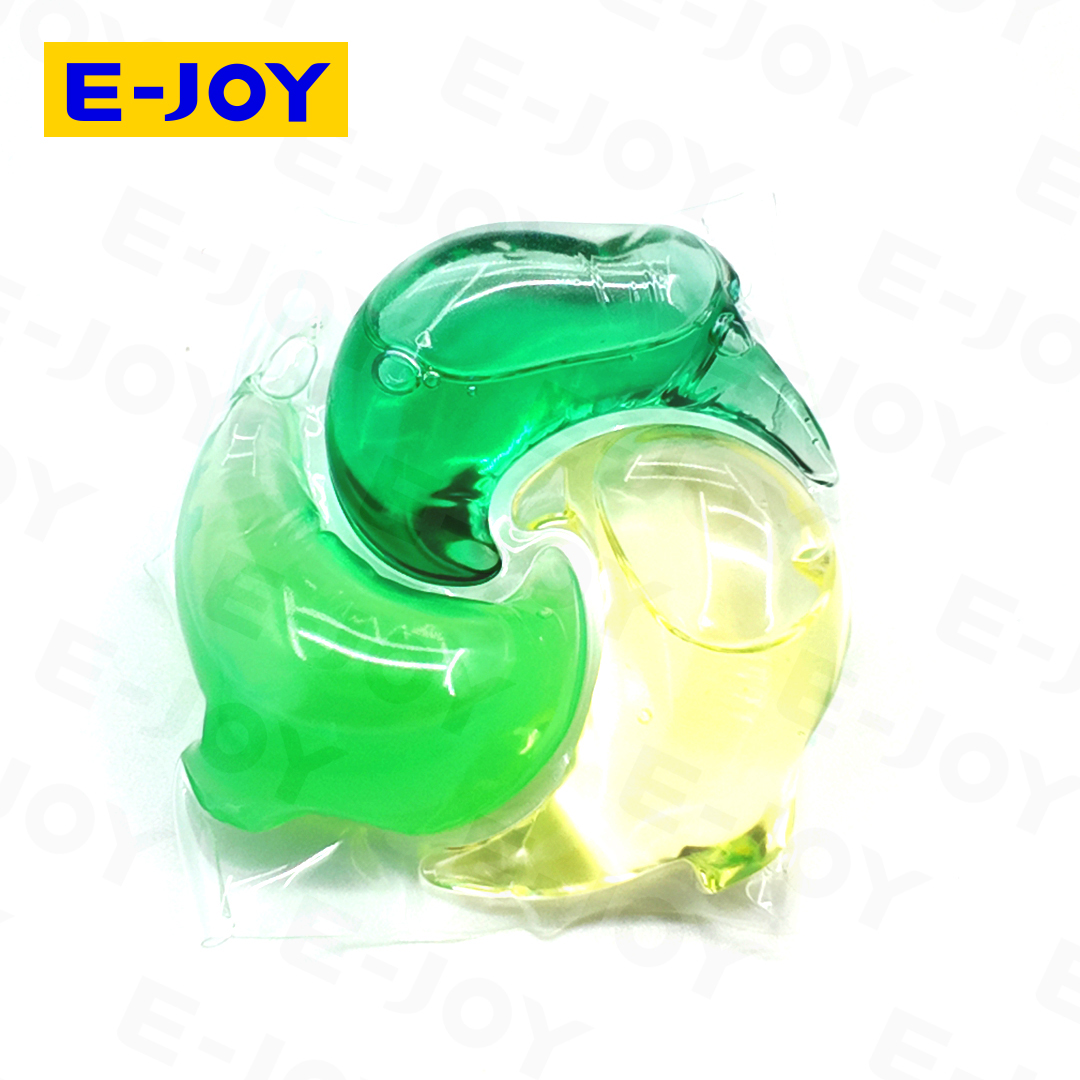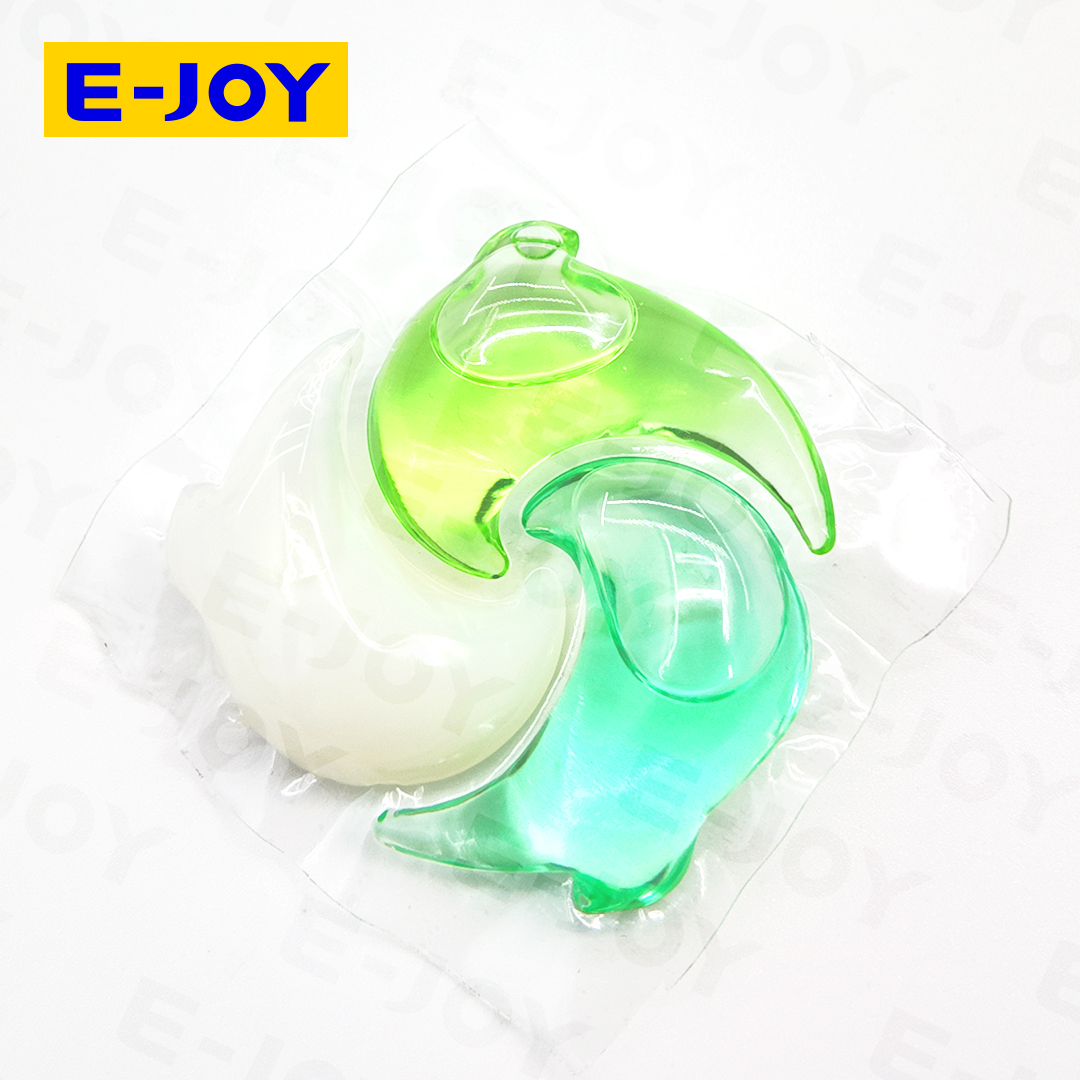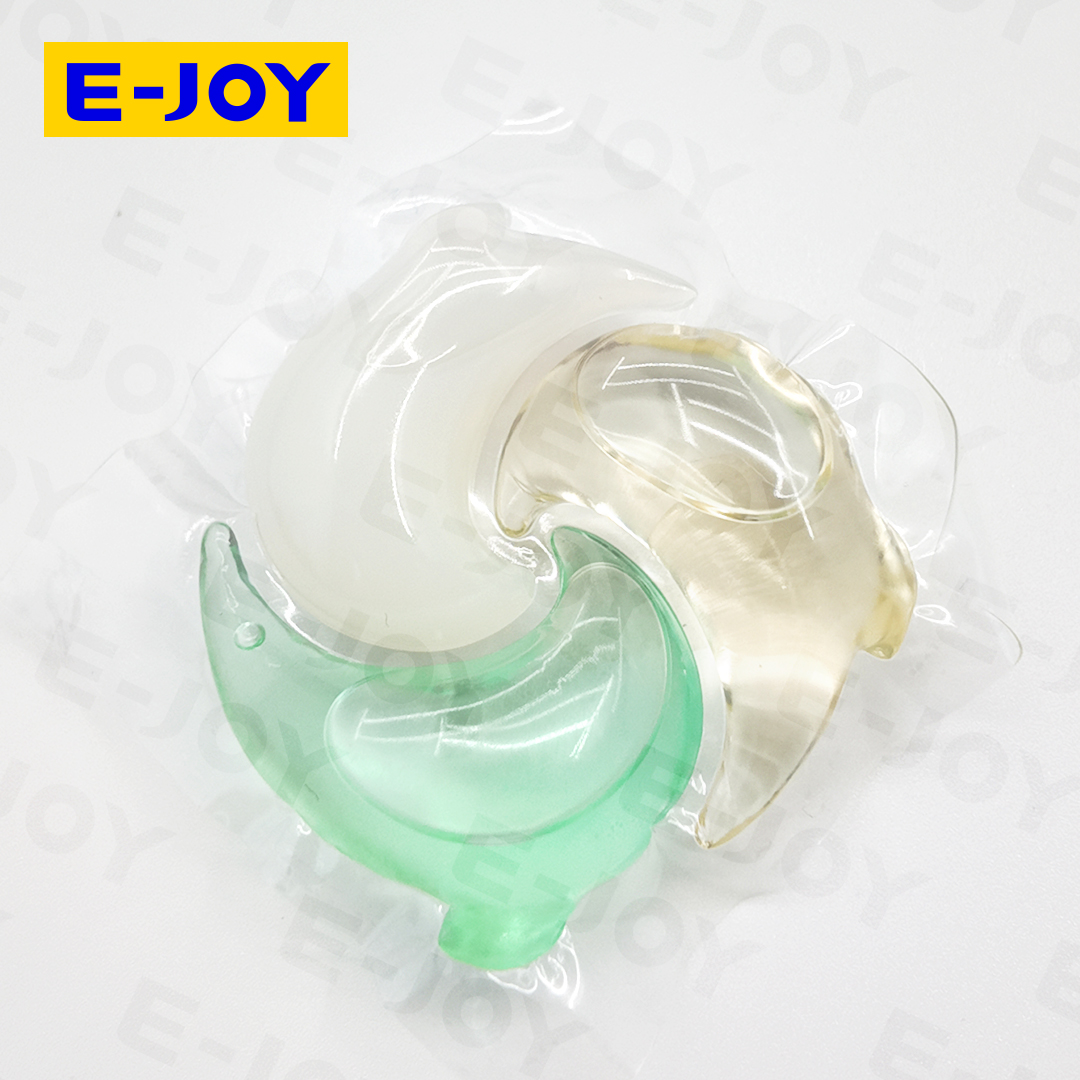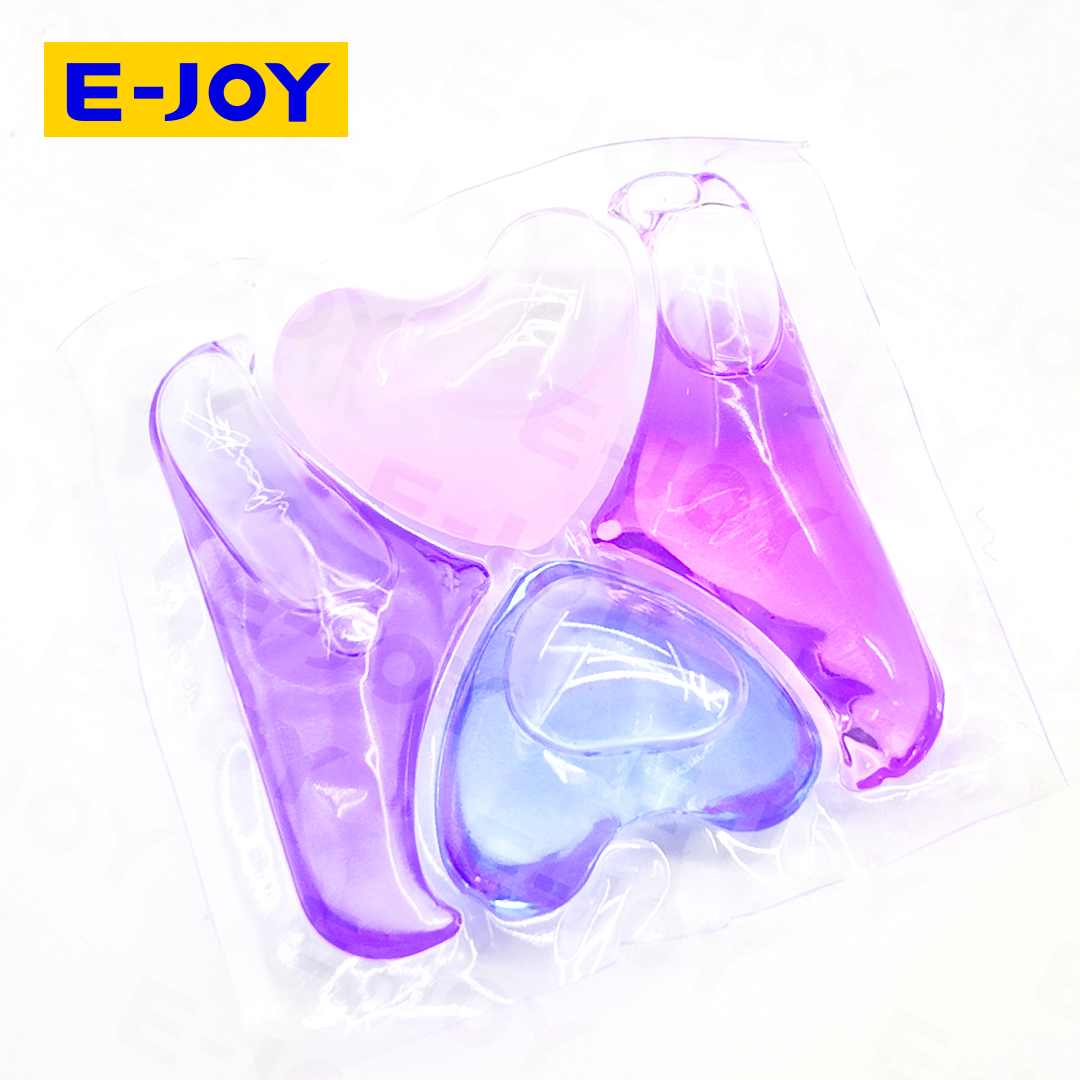

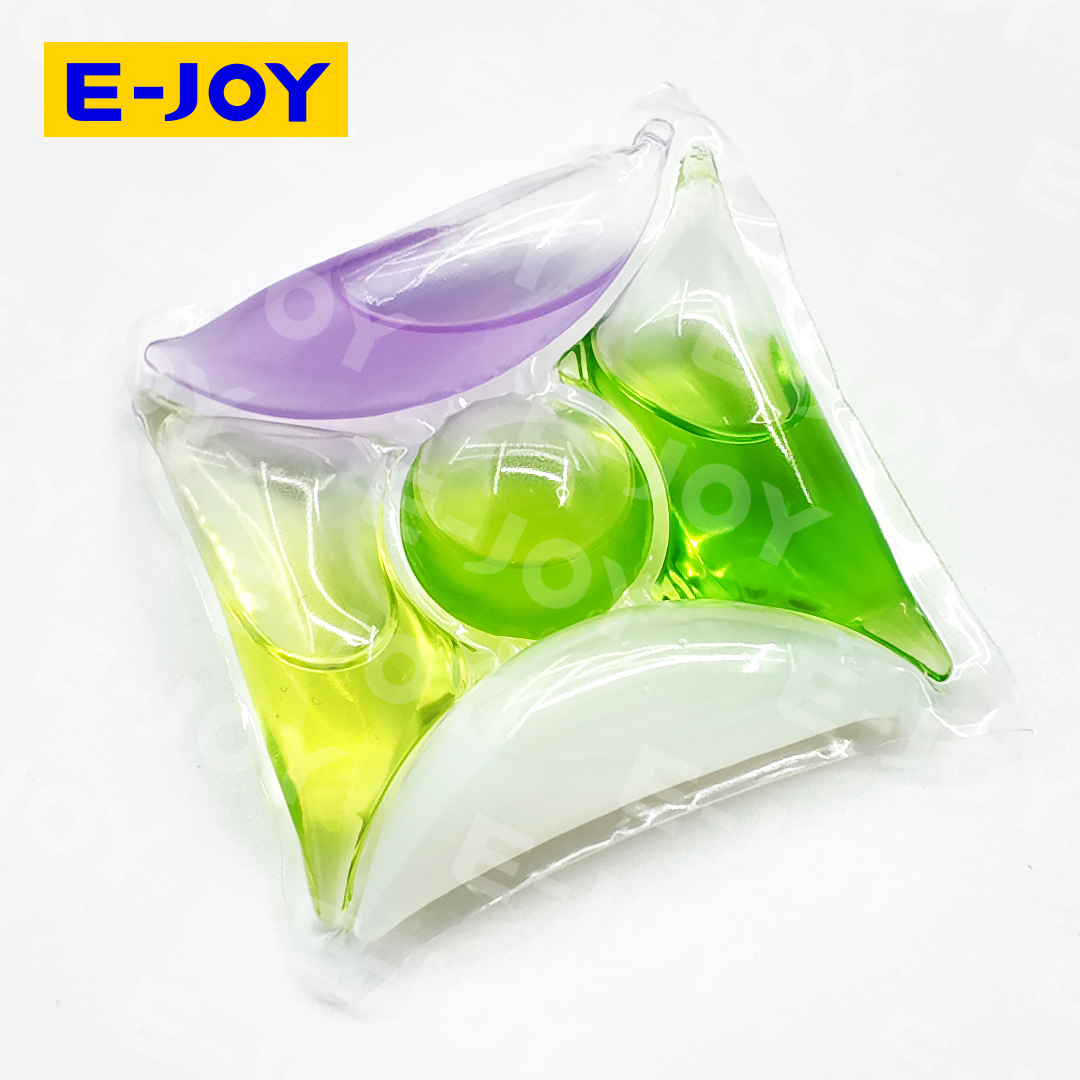
Laundry detergent pods customization helps brand owners develop products for a specific market, price range, and sales channel. An OEM project may include the formula, scent, pod format, packaging, and label design.
First, buyers need a clear product brief. Then, the buyer and manufacturer can review samples, quality checks, order quantities, and production timing.
Quick answer for brand owners: Customization can cover formula performance, fragrance, pod weight, chamber format, pack size, and artwork. Available options depend on production capability, material compatibility, testing, and order volume.
Laundry Detergent Pods Customization Options
Start by defining the target country, sales channel, expected retail price, and estimated order quantity. This helps the manufacturer assess suitable options before preparing a quotation.
Formula and Wash Performance
Buyers can discuss cleaning targets, foam level, wash temperature, and fabric-care needs. For example, a brand may want a product for everyday laundry or a defined low-temperature wash condition.
However, each performance claim needs suitable evidence. The detergent and water-soluble film must also work together. Therefore, formula changes should go through sample and stability checks before approval.
Fragrance and Appearance
A scent brief can describe the fragrance family and desired intensity. For instance, buyers may request a floral, fresh, or citrus direction. Next, the scent should be assessed in the finished formula and intended packaging.
Pod color and appearance may also form part of the project. These choices remain subject to material compatibility and production feasibility.
Pod Weight and Chamber Format
Pod weight should match the agreed dosing instructions and intended wash conditions. In addition, buyers can ask which single-chamber or multi-chamber formats are available for the proposed order.
A multi-chamber design alone does not demonstrate better cleaning. Instead, assess the product against the agreed performance targets and test conditions.
Private Label Packaging
Packaging discussions may cover tubs, pouches, boxes, refill packs, and shipping cartons. First, confirm the pod count or net weight. Then, review moisture protection, closures, artwork, and transport needs.
Also confirm the label space needed for directions, warnings, and product information. Any applicable child-resistant packaging requirements should be reviewed before packaging materials are ordered.
How the OEM Customization Process Works
1. Share Your Product Brief
Provide your target market, sales channel, pack size, preferred scent, and expected volume. Also include your target cost and planned launch date. This gives both sides a practical starting point.
2. Review the Proposed Specification
Next, compare the formula route, pod format, and packaging. Ask which options use existing materials and which need development. As a result, differences in cost and lead time become easier to understand.
3. Evaluate and Approve Samples
Review samples against written criteria. These may include appearance, weight, dissolution, cleaning results, scent, and packaging fit. Record the sample reference and any required changes.
If the formula, film, or packaging changes later, assess whether new samples or tests are needed before proceeding.
4. Confirm Artwork and Order Details
Before production, approve the artwork version, barcode, pack count, carton marks, and batch-code position. At the same time, confirm inspection criteria and required shipping documents.
5. Review Quality Before Shipment
Finally, follow the agreed inspection plan. Checks may cover pod weight, seal condition, leakage, pack count, and label accuracy. Batch records and retained samples can support later quality reviews.
What to Confirm Before Placing an Order
Target market
Confirm the destination country, sales channel, label language, and responsibility for market review.
Product specification
Record the formula reference, scent, pod weight, chamber format, dosing instructions, and approved sample.
Packaging details
Confirm pack material, closure, pod count or net weight, artwork version, barcode, and carton configuration.
Quality criteria
Agree on test methods, acceptance limits, inspection arrangements, batch identification, and retained samples.
Commercial terms
Review minimum order quantities, sample costs, packaging costs, payment terms, and delivery terms.
Production schedule
Confirm sample approval, artwork approval, material lead time, production timing, and shipment readiness.
What Affects MOQ, Cost, and Lead Time?
Laundry detergent pods customization has no single fixed order quantity or price. The formula, scent, pod format, and packaging materials can all affect the quotation. Therefore, compare offers using the same written specification.
For example, printed packaging may have a separate material minimum. Likewise, a new fragrance may require additional sample work. Ask the supplier to explain these costs and quantities separately.
Lead time also needs a clear starting point. Confirm whether it begins after sample approval, artwork approval, payment, or material receipt. This supports a more realistic launch schedule.
Claims and Documentation for Brand Owners
Keep the approved specification, sample record, artwork, and inspection plan in one project file. This gives purchasing, production, and quality teams a shared reference for the order.
Before printing, review claims such as stain removal, fragrance duration, or low-temperature performance against suitable evidence. Also confirm which product and safety documents are needed for the target market.
A document prepared for one formula may not cover another. Therefore, check that each document matches the product and market involved in the order.
Frequently Asked Questions
Can a brand use an existing formula?
Yes, if the manufacturer has a suitable option. This may reduce development work. However, buyers still need to approve samples, packaging, product information, and planned claims.
Can packaging change without changing the formula?
This may be possible through a private label project. First, confirm pack compatibility, printing minimums, available formats, and artwork requirements.
What should an OEM quotation request include?
Include the target country, pod specification, scent direction, pack size, estimated quantity, artwork status, and delivery needs. If available, add a reference sample and performance targets.
Can brands add more scents after the first order?
Additional scents can be discussed as separate product variations. Each variation may require sample approval, compatibility checks, new artwork, and its own minimum order quantity.
Discuss Your OEM Project with Ejoy
Prepare a brief with your target market, pack format, estimated quantity, and launch timing. Then, use the Ejoy contact page to discuss laundry detergent pods customization options and sample requirements.
You can also visit the Ejoy Alibaba storefront to review listed products and submit a sourcing inquiry. Confirm the final specification, availability, and commercial terms directly before ordering.
Prepare Your Private Label Product Brief
Share your market, formula needs, scent direction, pack size, and estimated volume to support a focused OEM discussion.