
Laundry pods OEM manufacturing lets a brand work with a factory to make pods under its own label. The process starts with a product brief. Next, both sides agree on the formula, samples, and pack. Then the factory makes, checks, and packs the goods. Before shipment, the buyer reviews the agreed records.
For B2B buyers, a clear brief helps each stage run smoothly. First, define your sales market and target price. Next, choose the pod type and pack size. Also, agree on quality checks before you place an order. These steps help reduce changes later.
Laundry Pods OEM Manufacturing: The Main Steps
Each project has its own needs. However, most orders follow the stages below. Use this table to plan tasks and approval points.
| Stage | Main work | Buyer approval |
|---|---|---|
| 1. Product brief | Define the market, pod, price target, and pack. | Written project scope |
| 2. Formula and samples | Select or develop the formula and assess samples. | Sample and product specifications |
| 3. Pack and label review | Check the pack, artwork, claims, and market needs. | Final pack and artwork |
| 4. Order confirmation | Agree on price, volume, timing, and checks. | Purchase order and agreed terms |
| 5. Bulk production | Blend, form, fill, seal, and pack the pods. | Agreed production controls |
| 6. Release and shipment | Review results, release goods, and arrange freight. | Release records and shipping files |
1. Build a Clear OEM Product Brief
Start with the market where you plan to sell. Then explain who will buy the product. For example, a retail brand may need small packs. A wholesale buyer may prefer a larger pack count.
Next, share the main product needs. Include the points below:
- Sales country and planned sales channel.
- Pod weight, shape, and chamber count.
- Scent, colour, and cleaning needs.
- Pack type and number of pods per pack.
- Order volume and target launch date.
- Target cost and required documents.
If some details are still open, state that in the brief. The factory can then explain which options are feasible. Also, ask which choices may need new tools or extra tests.
2. Select the Formula and Review Samples
A project may use an existing formula. Alternatively, the factory may develop one to an agreed brief. The scope depends on its skills, equipment, and order terms. Therefore, confirm the development work at the start.
Next, assess samples under clear wash conditions. Check the dose, water temperature, and load size. Also, review how the film dissolves. Scent and appearance should match the agreed sample.
Cleaning tests need a defined method. For example, different stains may give different results. Water hardness can affect the outcome too. Therefore, use the same conditions when comparing samples.
Before approval, record the formula reference and sample code. Then agree on the product limits in writing. Also, confirm formula ownership and any agreed use rights.
3. Approve the Packaging and Label
The outer pack must suit the pods and the sales market. For example, moisture can affect soluble film. Therefore, review the pack barrier and closure. Also, check how the pack performs in storage and transit.
Next, review the label and artwork. Check the product name, pod count, and use directions. Then review required warnings and supplier details. Any claims should have suitable evidence.
Consumer packs also need a careful safety review. For background on capsule packaging, see the HSA guide to liquid laundry capsules. Confirm the rules that apply in your target market.
Buyer tip: Approve the final artwork before printing. Also, keep a dated copy of the approved pack. This gives both sides a clear reference.
4. Confirm the Order Terms
Once the sample and pack are approved, confirm the quote. First, check what the unit price includes. Next, review the order size and payment terms. Also, agree on freight terms and delivery timing.
Minimum order quantity, or MOQ, can vary by project. For example, printed bags may have their own minimum runs. A custom scent or pod shape may add further needs. Therefore, ask for the MOQ by item and pack option.
Lead time also depends on more than filling. Pack printing, raw materials, tests, and approvals all take time. Ask when the quoted lead time starts. Then agree on how changes will affect the schedule.
5. How Laundry Pods OEM Manufacturing Runs
Bulk work starts with the approved production plan. First, the factory checks the required materials. It then weighs and blends the formula. The exact process depends on the pod design and equipment.
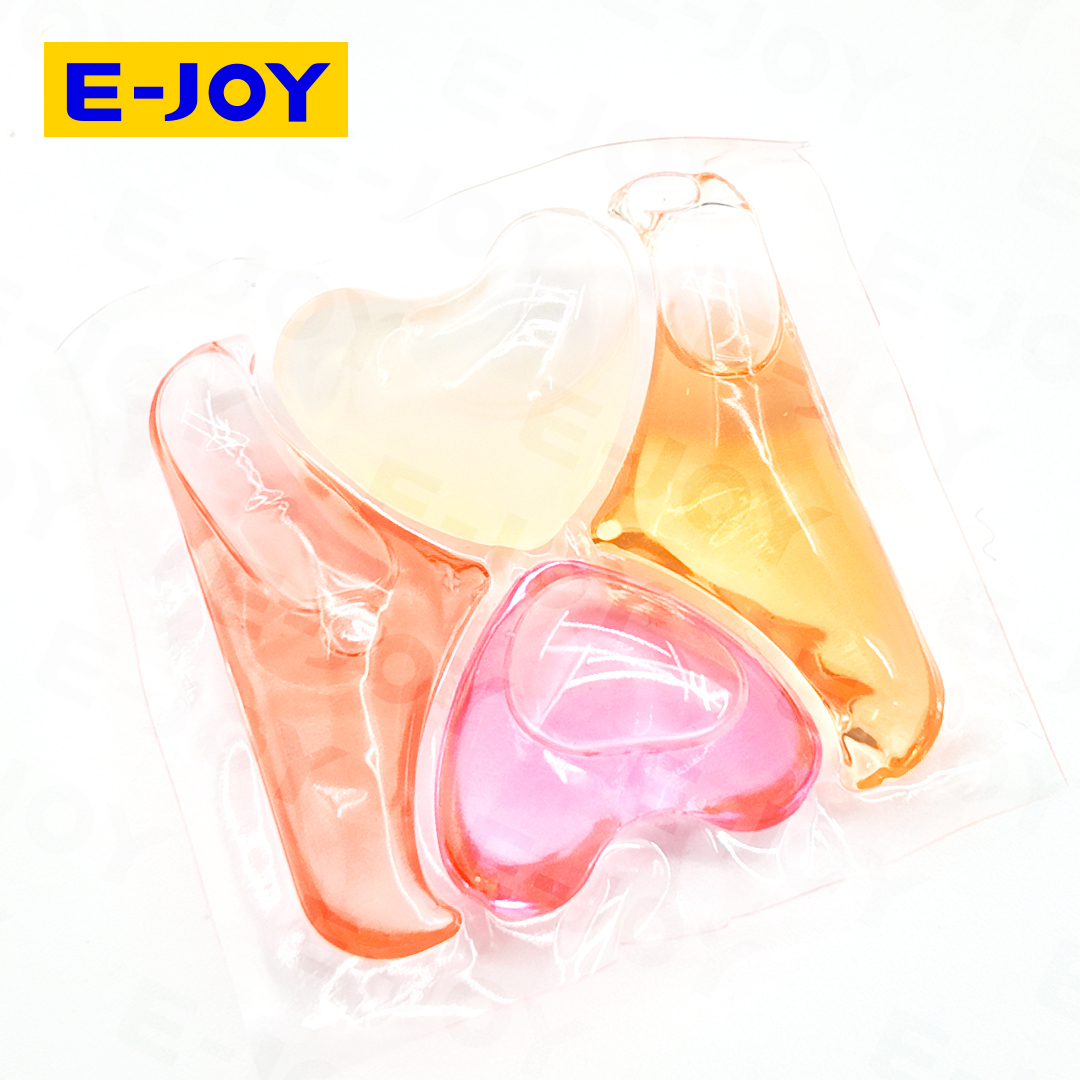
Next, the line forms pockets in soluble film. It fills them with the set dose and seals them. For multi-chamber pods, the line keeps the contents in their planned sections.
During the run, staff check key process points. These may include fill weight, seal quality, and pod shape. Also, the site controls room conditions as needed. This helps manage the film during production.
Then the pods go into the approved outer pack. The line adds the required batch and date codes. Finally, staff check the pack count and shipping cartons.
6. Check Quality Before Shipment
Quality checks should follow the agreed product specification. First, review the tests and sampling plan. Then confirm the limits used to accept or reject a batch. These points should be clear before bulk work starts.
Depending on the project, checks may include:
- Pod weight and appearance.
- Seal quality and leaks.
- Film dissolution under set conditions.
- Pack count, closure, and printed details.
- Relevant formula and storage tests.
Also, confirm which records come with the shipment. These may include batch results and agreed test reports. Ask for a matching SDS where needed. The ECHA guide to safety data sheets explains their role in the EU.
If you need a third-party inspection, book it in advance. Then agree on the scope and release process. Finally, check the shipping files against the purchase order.
What Can Change the Cost and Lead Time?
Several choices can affect an OEM quote. For example, a new pod shape may need different tooling. A printed pack may need a larger order. Extra tests can also add time and cost.
Therefore, compare quotes on the same basis. Use the same pod weight, formula brief, and pack count. Also, compare the included tests and freight terms. A unit price alone may leave out key costs.
Frequently Asked Questions
Can I use my own brand and pack design?
Yes, this is a common part of an OEM project. However, confirm print needs and pack limits first. Then approve the artwork before printing starts.
Do I need to supply my own formula?
Not always. Some projects use a factory formula. Others use a buyer’s formula or a new agreed brief. Therefore, confirm the scope and rights in writing.
How long does an OEM order take?
There is no fixed time for all orders. Samples, printing, materials, and tests affect the schedule. Therefore, request a timeline for your exact project.
Can I change the product after sample approval?
Changes may be possible. However, they can affect price, timing, and test needs. First, get a written impact review. Then approve the revised sample or pack where needed.
Laundry pods OEM manufacturing works best with clear approval points. First, agree on the product brief. Next, approve the sample, pack, and quality plan. Finally, check the release records before shipment.
Discuss Your Private Label Laundry Pods Project
Explore E-JOY’s household cleaning range to start your product review. Also, browse our Alibaba storefront for product and pack options.
Next, send your brief through our contact page. Include your sales market, pod needs, pack size, and order volume. Then confirm sample options, document needs, and timing for your project.