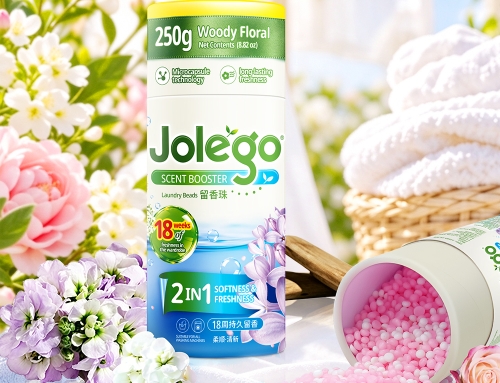

This guide explains the process of Scent Booster Beads Quality Control for OEM orders. It covers how we ensure product consistency. Furthermore, we detail the testing steps before shipping.
Why Quality Control is Critical for OEM Brands
Protect the formula.
Maintain the standard.
Ship with confidence.
B2B buyers cannot risk batch failures. One bad batch can ruin a brand’s reputation. Therefore, strict Scent Booster Beads Quality Control is essential. If you skip these checks, you will face customer complaints.
Consequently, a proper QC plan answers three questions. What materials do we test? How do we monitor production? What standards define a pass? Initially, we check raw materials. Next, we monitor the production line. Finally, we test finished goods.
01. Essential Scent Booster Beads Quality Control for Raw Materials
Quality starts at the source. First, inspect the fragrance oil. Second, check the carrier beads. Third, verify the packaging materials.
- Fragrance Oil: We check the scent profile and purity. Furthermore, we verify the MSDS and COA from suppliers.
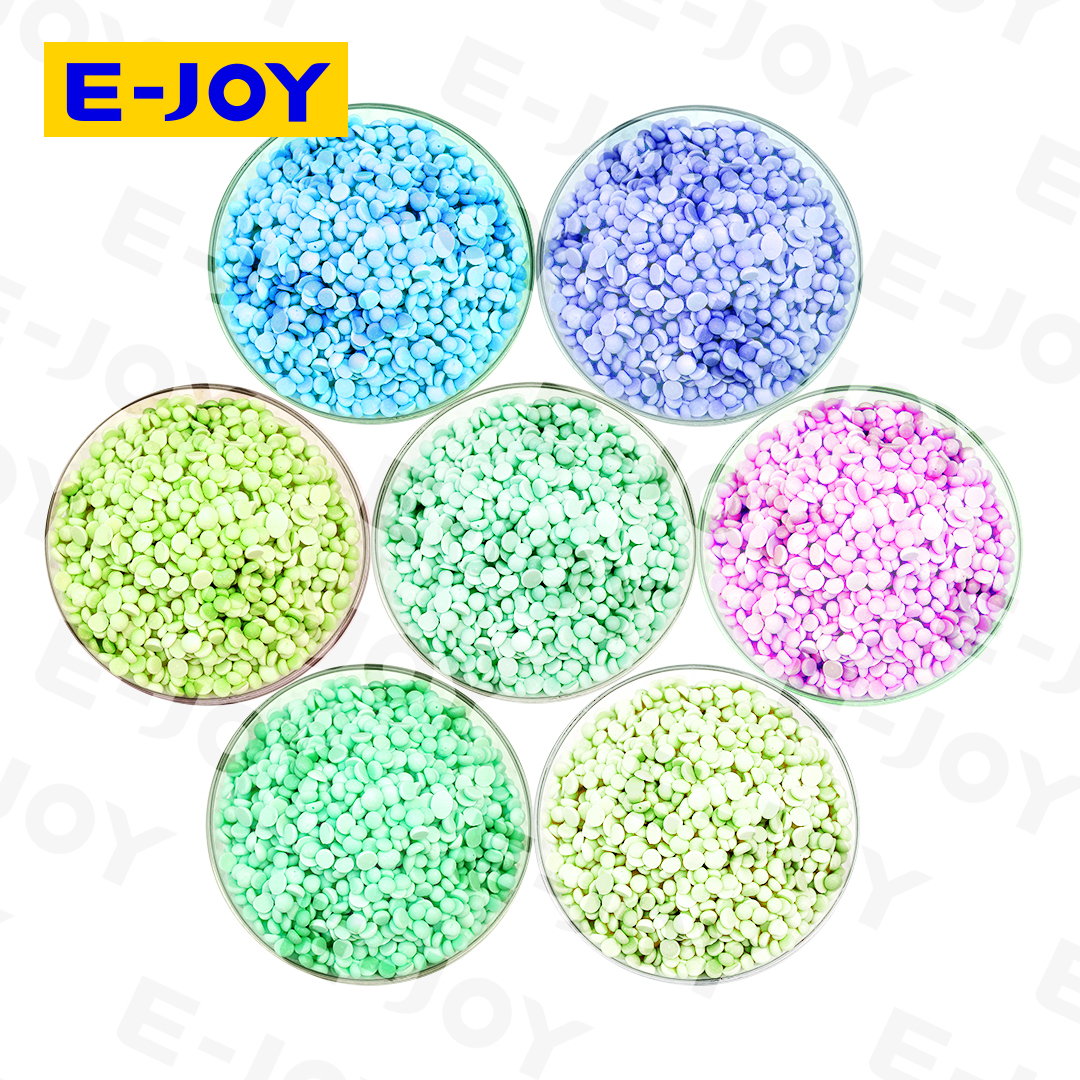
- Carrier Beads: We test the dissolution rate. Besides, we check the size and color consistency.
- Packaging: We inspect bottles, caps, and pouches. Moreover, we test the moisture barrier of the seals.
Do not trust supplier documents blindly. Instead, your factory should run in-house tests. As a result, you catch faulty materials early.
02. In-Process Monitoring During Production
The production line requires constant attention. Therefore, we monitor the mixing process closely. Moreover, the coating line needs hourly checks.
- Mixing Stage: Operators must verify the formula ratio. Then, they check the fragrance absorption rate.
- Coating Stage: Next, we monitor the temperature and humidity. Consequently, we prevent the beads from caking.
- Filling Stage: Finally, the machines fill the beads into the packs. We check the net weight every 30 minutes. Thus, we avoid under-filled bottles.
03. Finished Product Testing and Standards
After production, we pull random samples. First, we test the dissolution time. Second, we evaluate scent retention. Third, we check the physical appearance.
- Dissolution Test: We place the beads in cold and warm water. They must dissolve completely. Also, they cannot leave a residue.
- Stability Test: We store the packs in hot and humid rooms. Later, we check for clumping or color fading.
- Scent Test: Industry standard QB/T 8317-2026 sets strict rules. It requires a scent duration of over 72 hours. Therefore, we use a sensory panel for evaluation.
04. Batch Traceability for OEM Orders
B2B buyers need traceability. First, the factory assigns a unique batch code. Next, they link this code to the raw material lots. As a result, we can trace any issue back to its source.
Furthermore, we keep retention samples for every batch. If a problem occurs, we test the retention sample. This practice protects both the factory and the buyer.
05. Pre-Shipment Inspection
Before shipping, we perform a final check. We use the AQL (Acceptable Quality Limit) standard. Consequently, we catch any packaging defects.
- Seal Strength: We squeeze the bottles and pouches. They must not leak.
- Label Accuracy: We check the printed labels. Furthermore, we verify the barcode and batch code.
- Carton Quality: We drop-test the outer cartons. This ensures safe transport to your warehouse.
Need a Reliable OEM Partner?
Are you looking for strict quality control for your scent booster bead orders? If so, E-JOY is here to help. We follow a complete QC process for every OEM project.
Send your requirements to our E-JOY contact page. Furthermore, you can view our product ranges on the Alibaba storefront.
FAQ
What is the most common defect in scent booster beads?
Caking is the most common issue. Therefore, moisture control is very strict during production and shipping.
Do you provide third-party testing reports?
Yes, we can arrange third-party tests. For example, we work with SGS and Intertek. Additionally, we provide in-house COA documents.
How do you control the scent strength?
First, we verify the fragrance oil purity. Second, we measure the absorption rate. Finally, we use a sensory panel to confirm the final strength.