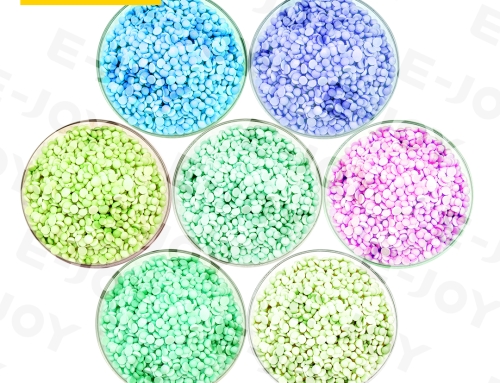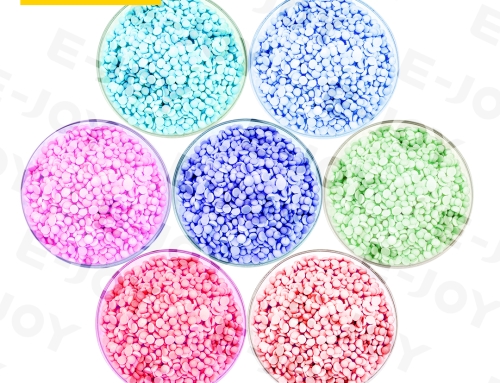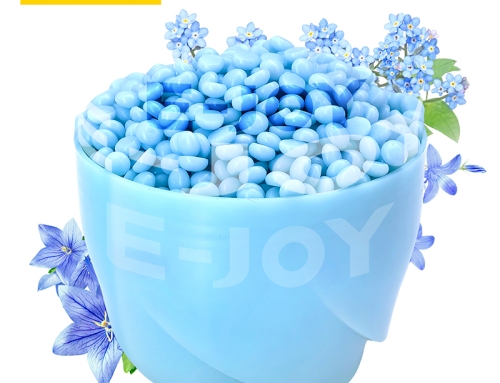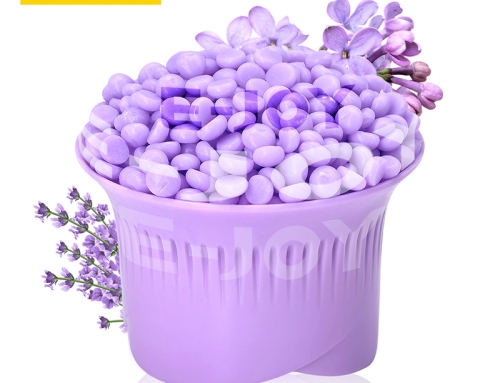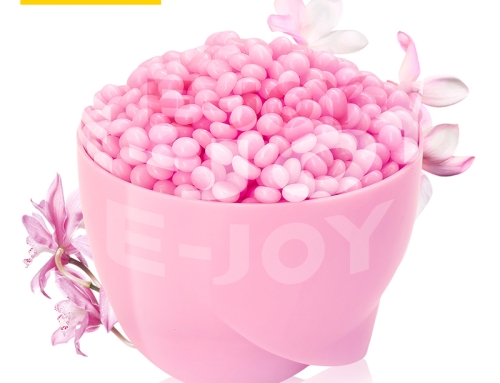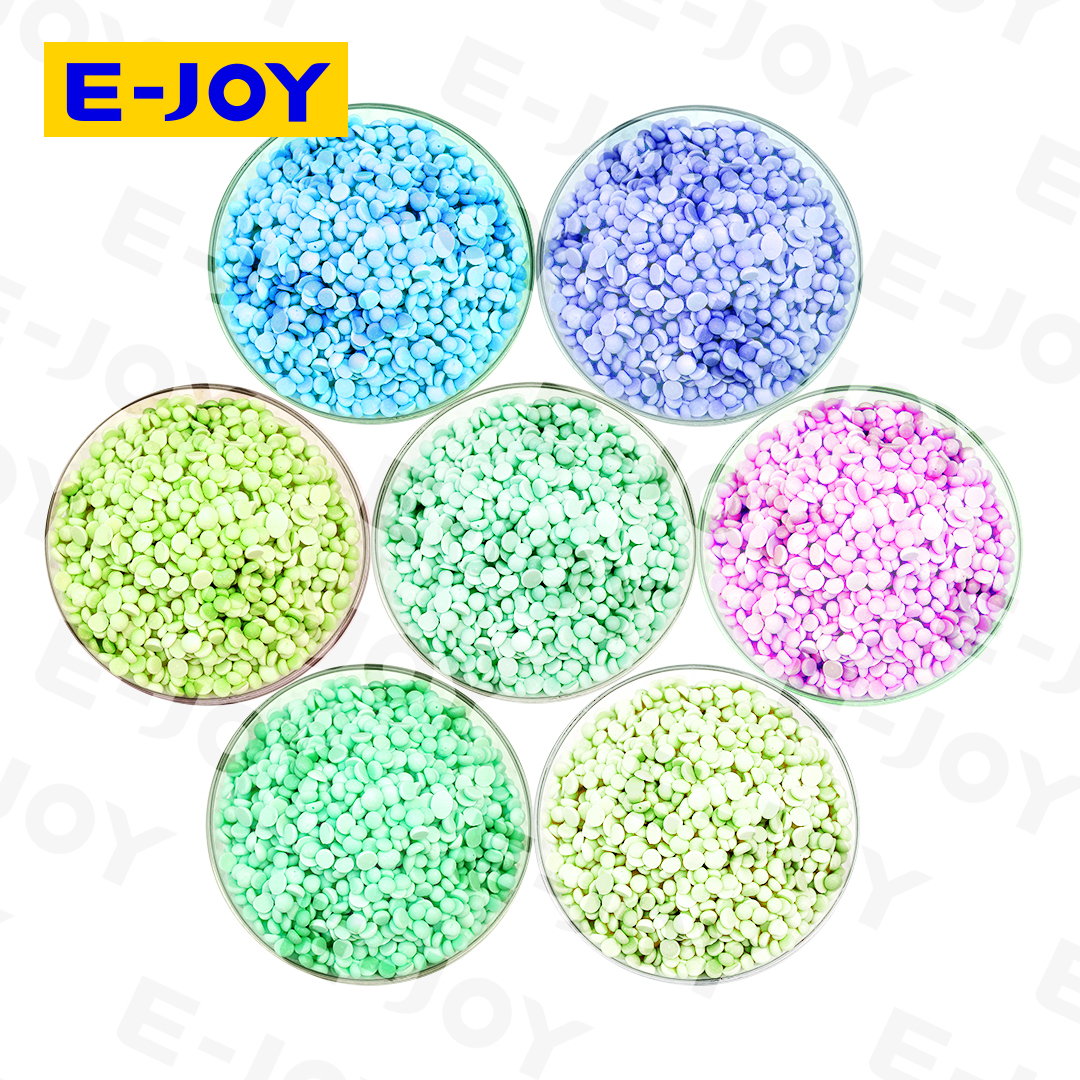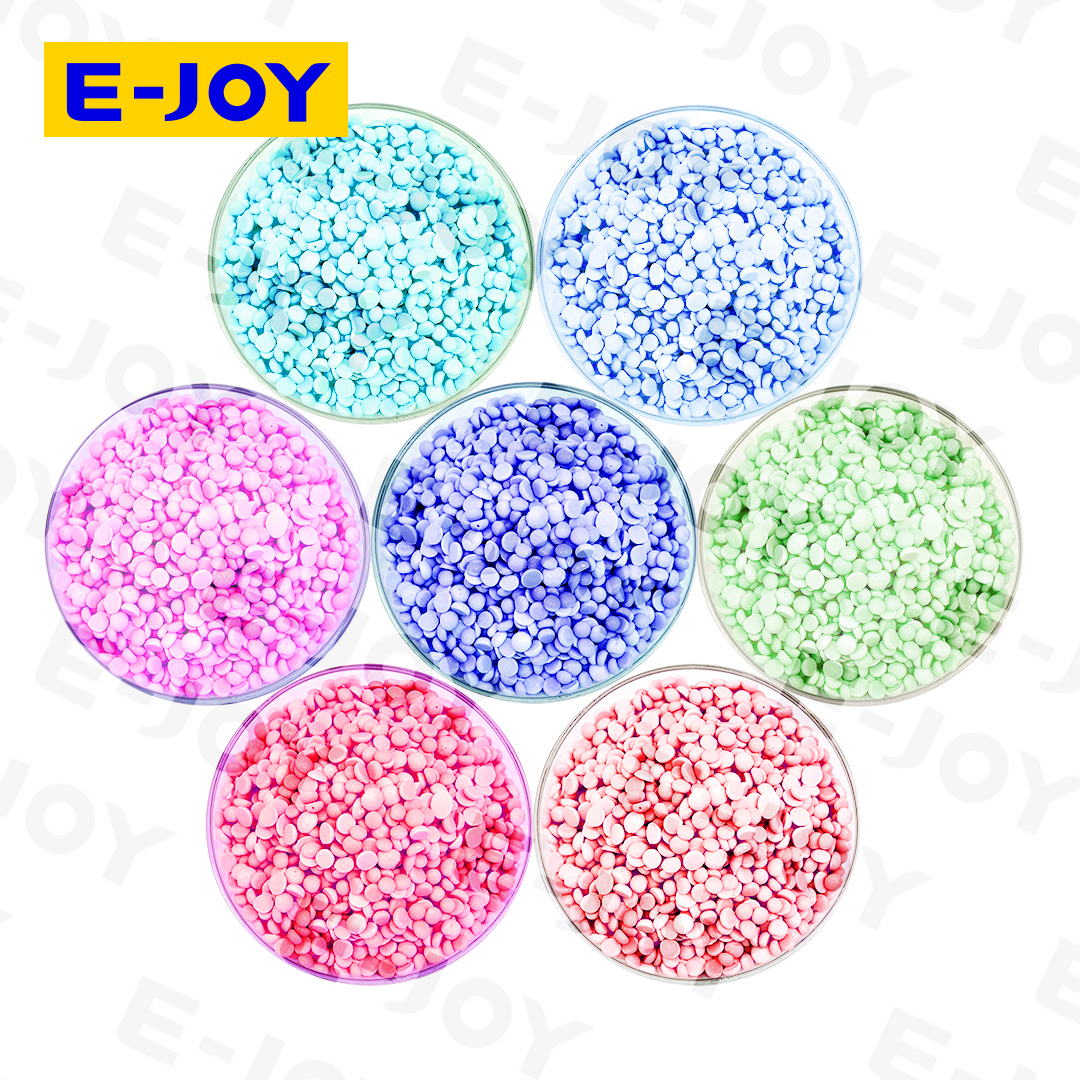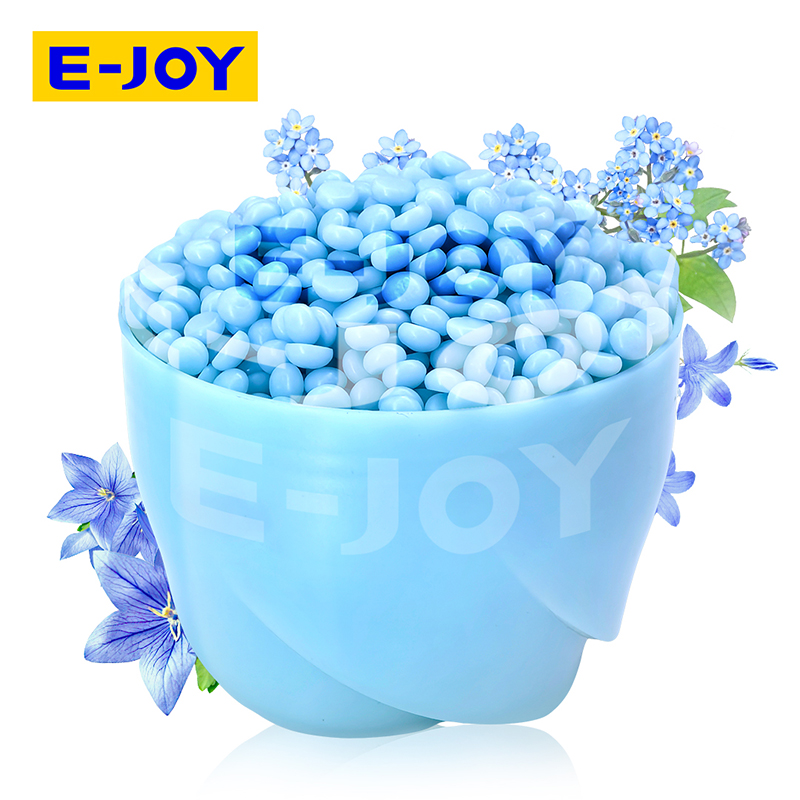

This guide explains the sample process for Laundry Scent Booster Beads. It shows how OEM partners go from a brief to final approval. Furthermore, we cover the test steps before mass production.
Why Sample Development is a Critical B2B Decision
Source the beads.
Match the formula.
Ship the brand.
Many buyers treat a Laundry Scent Booster Beads sample as a quick step. However, this step decides if your product is repeatable. Buyers often get good-looking beads. Yet, they face issues in bulk production. Why? Because they have no written spec.
Therefore, the sample process must answer three questions. What does the product do? How do we test it? What document defines acceptance? Initially, we review the product brief. Following this, we check sample rounds. Ultimately, we test and approve the formula.
01. Start with a Product Brief for Laundry Scent Booster Beads
Do not start with a fragrance name. Instead, start with what the product does in the wash. First, pick the right brief. Then, check the performance tier. Look at these fields:
- Target market: Country, region, and sales channel.
- Customer segment: Retail, wholesale, hospitality, or distributor.
- Fragrance direction: Preferred family, intensity, and reference products.
- Performance tier: Everyday, upgraded, or premium positioning.
- Bead appearance: Size, color, and visual style.
- Packaging direction: Bottle, pouch, refill, or bulk.
- Target cost: Purchase cost or retail-price range.
- Volume and schedule: Trial order, repeat volume, and launch dates.
A brief requires a target cost; otherwise, the sample may lose money. Furthermore, it needs performance goals. If you skip these, you will need many sample revisions. Thus, keep fixed rules separate from open ideas.
02. Controlled Laundry Scent Booster Beads Sample Rounds
Each round needs a clear goal. First, pick the fragrance. Next, test the carrier. Then, check them together in real wash conditions.
- Round 1: Initially, the buyer reviews the scent. Consequently, they pick a shortlist to test further.
- Round 2: Next, the factory adds the scent to the bead. This shows if the bead dissolves well. Besides, it reveals any leftover film.
- Round 3: Meanwhile, the factory runs the full formula. Afterward, the buyer checks the smell after drying.
- Round 4: Finally, they fill the beads into the pack. They also check the seal and moisture levels.
03. What the Laundry Scent Booster Beads Sample Must Test
A bead must do three things at once. First, it must dissolve in the wash. Furthermore, it needs to stay stable in storage. Additionally, it should deliver a strong scent.
- Dissolve and residue: During testing, we use different water temps. A bead can dissolve in warm water. However, it might leave a film in cold water. Therefore, cold-wash markets cannot use that bead.
- Storage stability: For storage, we expose the beads to heat, cold, and humidity. This prevents caking during transport. For instance, we check for cracks and color changes.
- Scent performance: Industry standard QB/T 8317-2026 sets clear rules. It requires a dissolve time under 20 minutes. Moreover, it requires scent to last over 72 hours.
04. The Approved Reference Laundry Scent Booster Beads Sample
The approved reference sample is your most important control. It sets the scent, color, and feel. Both the buyer and factory must keep it. Additionally, they need a written spec.
In an OEM route, the buyer sets the rules. Conversely, the factory helps more in an ODM route. As a result, the reference sample is the final benchmark for all bulk orders.
05. Common Sampling Pitfalls
Three common mistakes delay projects:
- No written spec: Do not approve a sample without clear rules. If you do, the factory cannot copy it in bulk.
- Only testing scent: A sample can smell great on the bench. But it might leave stains on clothes. Therefore, always test scent and dissolve together.
- Ignoring the pack: The bottle and seal are part of the product. Consequently, test them during sampling. This avoids big problems later.
Discuss Your Sample Brief with E-JOY
Are you planning an OEM or private label project? If so, start with a written brief. E-JOY helps buyers build a clear sampling plan. Besides, we keep the approved reference safe.
Send your brief to our E-JOY contact page. You can also see our bead formats on the Alibaba storefront.
FAQ
What is a reference sample?
A sample is any test batch. An approved reference sample has a special code. Therefore, both sides keep it as the production benchmark.
How many rounds do I need?
Most projects need three to four rounds. Specifically, they cover scent, carrier, formula, and packaging.
What tests must the sample pass?
It must pass dissolve tests and storage tests. Furthermore, it needs a formal scent review.