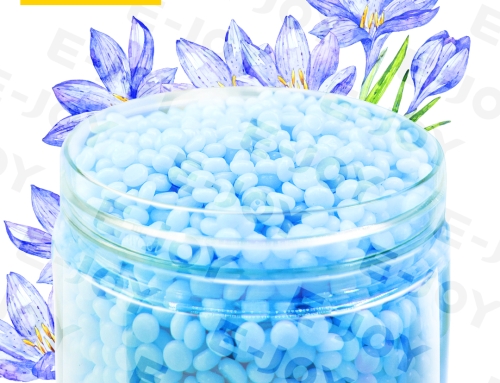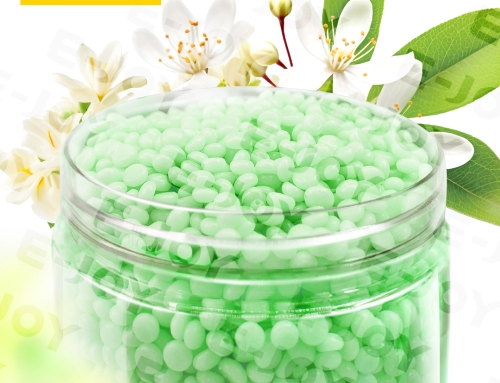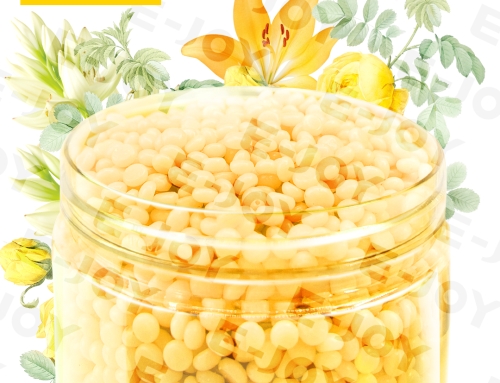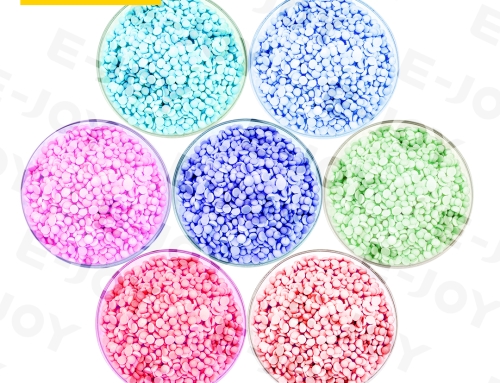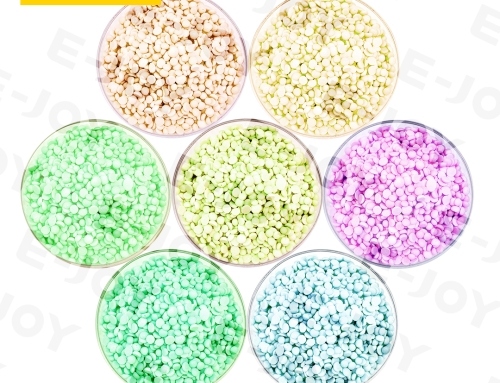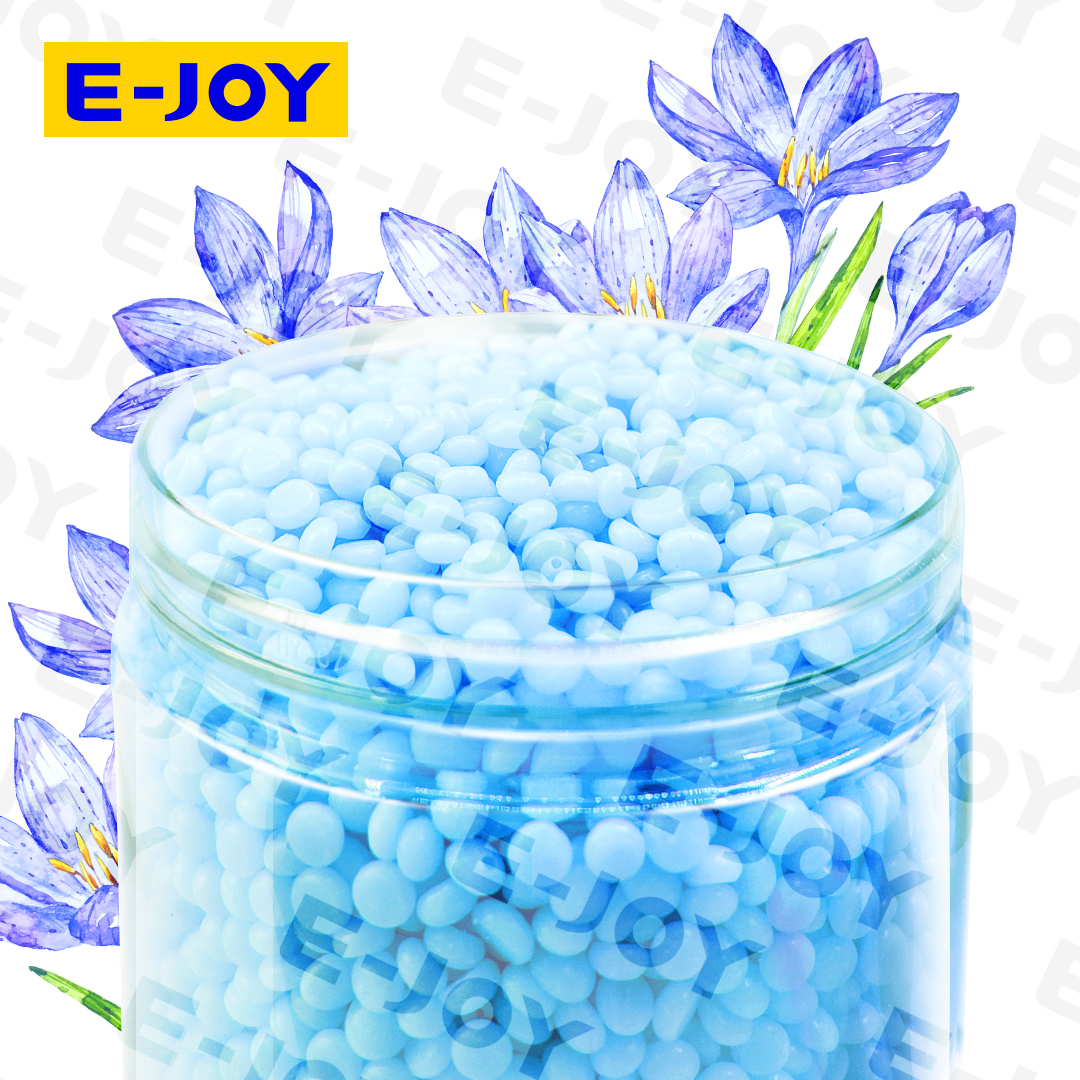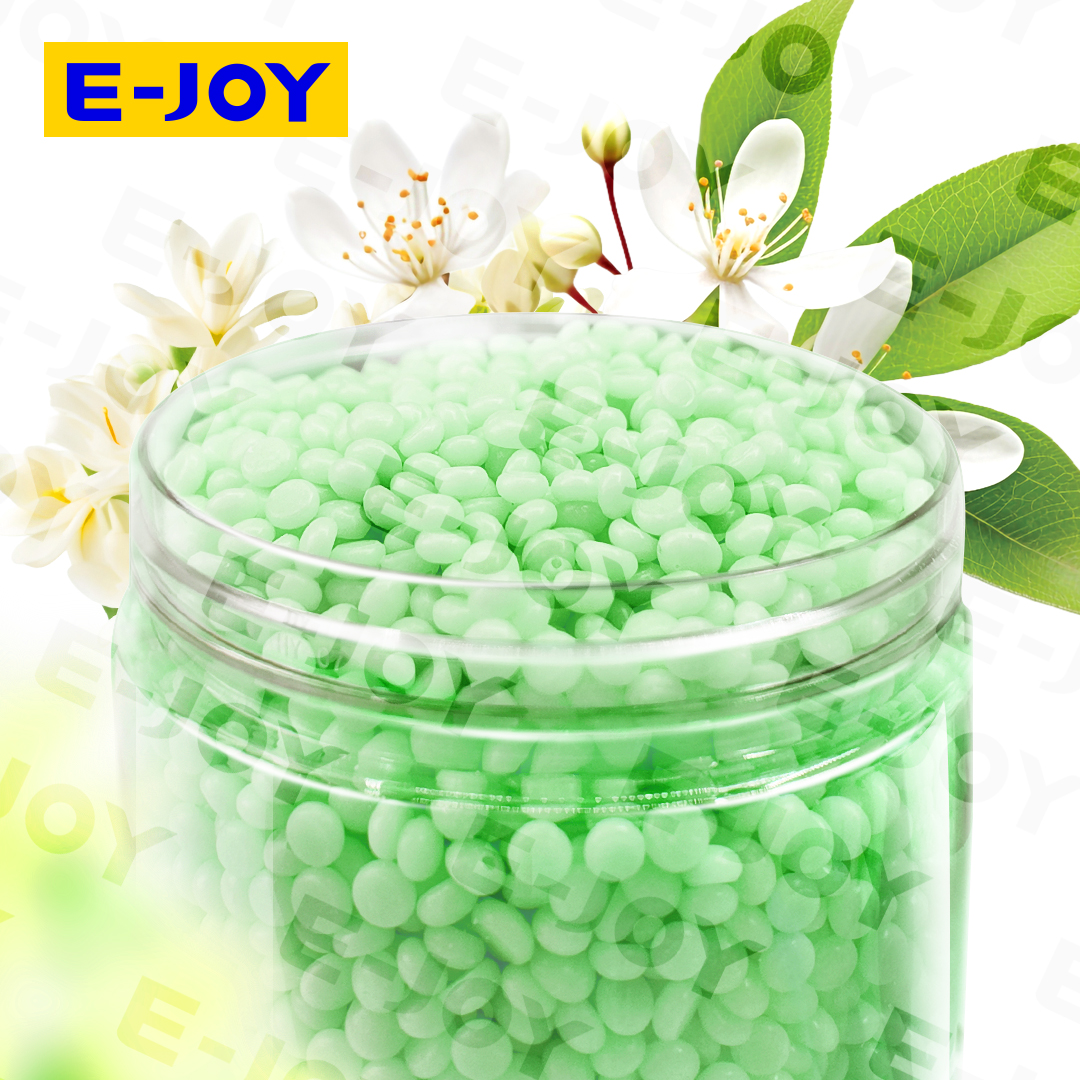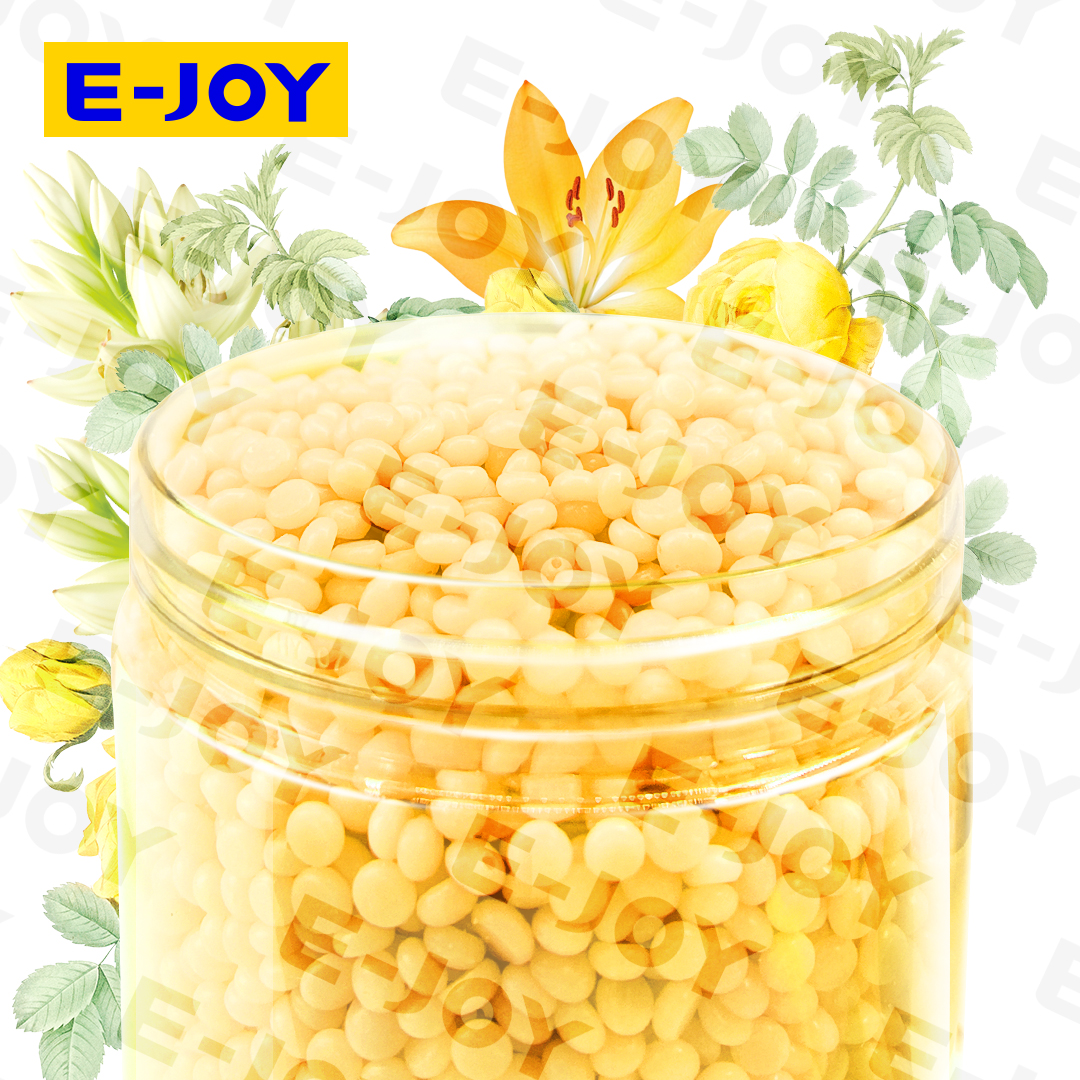

Scent booster packaging options include bottles, jars, and flexible pouches. First, match the format to your formula, fill weight, and sales channel. Then, review closures, labels, and transport tests before placing an OEM order.
PROTECT.
PRESENT.
For private label buyers, packaging affects more than shelf appearance. Also, it shapes how beads are filled, measured, poured, and shipped. Therefore, review the container, closure, label, and carton together.
First, define the net weight and intended use. Next, request pack samples. Finally, assess the complete pack with the actual beads before approval.
Dose. Artwork. Transport.
What should an OEM buyer compare? Review the format, fill weight, material, seal, and dispensing method. Also, check print costs, shipping needs, and pack minimums. Then, compare quotes against the same written brief.
Compare Scent Booster Packaging Options
First, consider how the pack will be sold and used. For example, a retail bottle and an online refill pouch may serve different needs. Then, compare the full pack rather than its empty price.
A / Bottles
A bottle can provide a defined grip and pouring opening. Also, some designs use a cap for measuring. However, check the neck, closure fit, and actual dose before approving the design.
B / Jars
A wide opening can allow access with a scoop. Next, assess lid fit, scoop storage, and handling. Also, review opening and reclosing during normal use.
C / Flexible Pouches
A pouch may be considered for a retail or refill format. First, review the film, seals, and opening. Then, test pouring, reclosing, and transport performance.
Finally, confirm which formats the supplier can fill. Also, ask whether a new pack needs line trials or tooling. Do not assume every container can use the same equipment.
Match Pack Volume to the Actual Fill Weight
First, define the target net weight in grams. Then, trial-fill the chosen container with the actual formula. Also, assess the space left above the beads.
However, container volume alone does not establish fill weight. Bead size, shape, and bulk density affect how much fits. Therefore, use a measured fill trial rather than an estimate alone.
Next, check how the beads settle during handling. Also, review pack appearance after transport trials. Finally, agree on fill controls and net-weight checks.
Product weight.
For example, a volume stated in millilitres does not confirm a bead weight in grams. Therefore, approve the container using a measured fill trial.
Check Materials for Scent Booster Packaging Options
First, request the proposed material specification. Include the container, closure, liner, and inner seal, where used. For pouches, also identify the film layers and zipper.
Next, assess compatibility with the finished formula. For example, review pack changes, seal condition, bead clumping, and fragrance changes. Then, compare results with agreed limits.
Also, ask whether a tamper-evident feature is proposed. However, this does not establish child resistance. Review any required safety feature for the intended market and product.
Container.
Closure.
A material name alone does not prove pack performance. Therefore, assess the exact combination you plan to order. Also, review changes before replacing a component.
Check Caps, Scoops, and Pouring
First, define the intended dose in grams. Then, check whether the cap or scoop can deliver that amount. Also, agree on how users should fill the measure.
For example, a level scoop and a heaped scoop contain different amounts. Therefore, use clear directions and a defined method. Do not assume a liquid-volume mark equals the required bead dose.
Next, trial the pack opening with the actual beads. Also, check pouring, spills, and reclosing. Finally, assess the pack after repeated normal-use cycles.
First, weigh repeated cap or scoop fills. Then, compare the results with the intended use dose.
Next, assess grip, pouring, and closure use. Finally, record any issues before approving the design.
Review Labels for Scent Booster Packaging Options
First, ask which print methods suit the proposed pack. Options to discuss may include labels, sleeves, or printed pouches. Then, confirm print areas, dimensions, and setup needs.
Next, review artwork on a physical sample where possible. Also, check text size, colour, label position, and barcode reading. A flat artwork file may not reveal every issue on the filled pack.
Before printing, arrange a review of directions, warnings, and claims for the sales market. In addition, confirm the batch-code position. Finally, approve the exact artwork version in writing.
FIT / First, match the artwork to the approved pack dimensions.
TEXT / Also, check directions and required label content.
CODE / Next, verify barcode reading and batch-code placement.
VERSION / Finally, save the signed artwork and print reference.
Test Scent Booster Packaging Options for Shipping
First, define how the goods will move. For example, parcel delivery and pallet freight involve different handling. Then, agree on tests suited to the proposed route.
Also, define the shipping carton, pack arrangement, and protective materials. Relevant checks may cover drops, vibration, or compression. Confirm the methods and pass criteria before testing.
Finally, inspect the retail packs and outer cartons. Record bead leakage, closure issues, print damage, and other agreed defects. Then, approve any needed changes before shipment.
SHIPPING CARTON.
DEFINED TESTS.
Test the version you will ship. Also, link the results to the approved pack specification.
Confirm Packaging MOQ and Total Cost
First, separate the finished-product minimum from the packaging minimum. For example, a custom bottle, printed pouch, or label may have its own order quantity.
Next, ask which costs cover tooling, samples, printing, and line setup. In addition, confirm who owns custom tooling and who stores unused packaging. Put those terms in writing.
Also, review proposed recycled-content or recycling claims. Ask what evidence supports the exact wording. Do not infer a claim from the pack’s appearance alone.
Finally, confirm packaging lead times before setting the production date. Then, agree on approval milestones and change control. This gives both teams clearer planning inputs.
Can one container hold the same weight of every formula?
Not necessarily. Bead size and bulk density affect the fill. Therefore, trial-fill each proposed formula before confirming the pack size.
Can a refill pouch use the same artwork as a bottle?
The design theme may carry across. However, dimensions, opening instructions, and label layout need a separate review. Also, confirm the correct net quantity for each format.
What should buyers approve before bulk packing?
First, approve the filled pack and written specification. Next, sign off the closure, artwork, and shipping carton. Finally, confirm test results, quality limits, and order terms.
DEFINE THE PACK.
CHECK THE DETAILS.
To discuss scent booster packaging options with E-JOY, share your target net weight, preferred format, sales market, and planned quantity through the E-JOY contact page. Then, request current pack samples and order terms.
You can also browse the E-JOY Alibaba storefront. Next, include the relevant product link in your inquiry. Finally, confirm pack specifications, minimum quantities, testing, and lead times in writing.
Buyer note: Pack formats are options to discuss, not a confirmed E-JOY packaging catalogue. Materials, compatibility, filling capability, minimum quantities, and timing must be confirmed for each project.