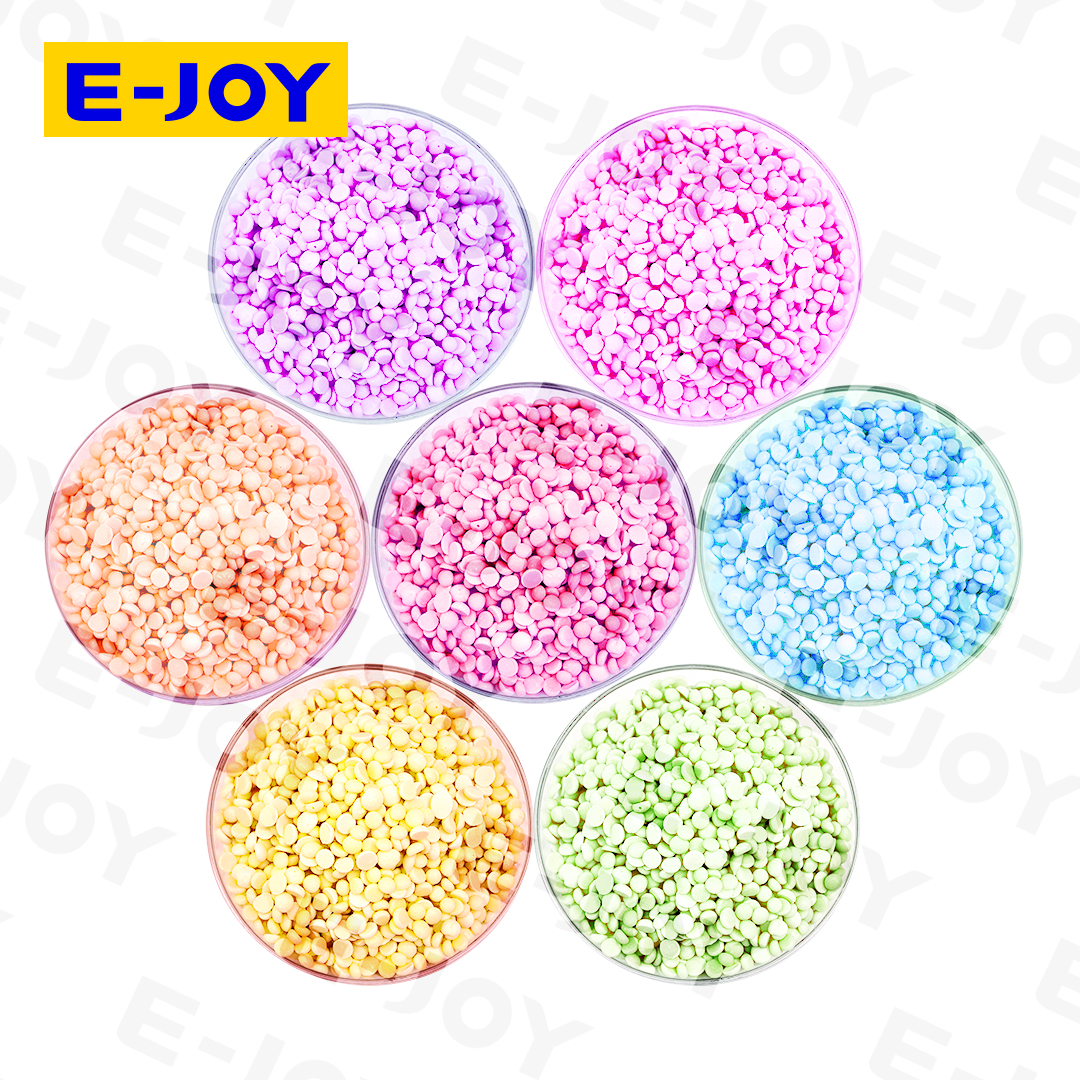


Scent booster quality control links an approved sample to the goods made for your brand. First, define what will be checked. Then, agree on the test methods, pass limits, and records needed for batch release.
RECORD.
RELEASE.
A good sample gives buyers a useful reference. However, routine batches also need clear checks. The goal is to assess the goods against written requirements rather than a general promise.
First, approve the formula and pack. Next, define the checks at each stage. Finally, decide who can release a batch and how failed results will be handled.
Packaging. Records. Release.
What should an OEM quality plan cover? State the check, test method, sample size, pass limit, and person in charge. Also, define the action after a failure. Then, link the results to the batch number.
Set Scent Booster Quality Control Standards Before Production
First, turn the approved sample into a written specification. Include the formula code, scent reference, bead appearance, and pack details. Also, record the version your team has approved.
Next, agree on limits for each measured trait. For example, define an acceptable bead size range rather than asking for “uniform beads.” Use a named method where a test result is required.
Finally, keep the sample and specification linked. If they appear to conflict, resolve the issue before production starts. This gives both teams a clear basis for decisions.
The feature or result being assessed
Test method, sample size, and timing
Acceptance limit and next action
Check Raw Materials Before Use
First, ask how the producer accepts incoming materials. Relevant checks may cover identity, condition, lot codes, and supporting records. The exact plan should match each material’s requirements.
Also, confirm how stock awaiting approval is controlled. Then, check how approved lots are selected for the production order. Each input should remain traceable to its source lot.
Next, ask how weighing errors are prevented. For example, the team may use recorded weights and defined verification steps. Finally, agree on which material changes need buyer approval.
Which lot?
Which order?
First, record the input lots. Then, link them to the batch. Finally, keep that link through packing and shipment.
Record Key Checks During Bead Production
First, ask which process settings affect the chosen product. These may include mixing time, temperature, or bead-forming settings. However, the relevant controls depend on the formula and production route.
Next, confirm when readings are taken and recorded. Also, ask how the team responds when a setting moves outside its limit. Do not rely only on a check at the end.
In addition, review how equipment is cleaned between different products. Then, confirm how the team prevents wrong additions and product mix-ups.
The result.
The action.
A recorded issue needs a recorded decision. Therefore, ask how affected goods are identified and held during review.
Define Product Tests for Scent Booster Quality Control
First, assess appearance against the agreed reference. Checks may cover colour, size, shape, clumping, and visible foreign matter. Also, define how each result will be recorded.
Next, agree on the fragrance comparison method. Use a known reference and set review conditions. However, a pack-scent check alone does not establish scent performance on fabric.
For dissolution checks, state the dose, water temperature, agitation, and test time. Then, define the endpoint and residue limit. Use the same method for results you plan to compare.
First, agree on the tests required for each batch. Then, link those results to the batch release record.
Also, review the plan for storage and other relevant performance tests. Confirm their scope rather than assuming they run on every batch.
Check Fill Weight, Seals, and Labels
First, confirm the correct pack and artwork are used on the line. Also, check the product and fragrance version. This helps prevent a correct product from going into the wrong pack.
Next, check net weight using the agreed method. Then, assess closure fit and seal condition, where seals are used. Include bead leakage checks suited to the pack design.
In addition, verify label placement, barcode reading, and batch-code legibility. Finally, check pack counts and carton identification before the goods move to storage.
Right pack.
FILL / First, verify the agreed net-weight checks.
CLOSURE / Next, assess fit, seals, and bead leakage.
LABEL / Also, confirm the approved artwork and scent variant.
CODE / Finally, link each pack to the correct batch.
Set Release Rules in Your Scent Booster Quality Control Plan
First, define who can review and release a batch. Also, state which records must be complete. Then, agree on any buyer inspection or written approval needed before shipment.
If goods fail a check, identify and hold the affected stock. Next, assess the issue and its possible scope. Keep failed goods from being released without the required review.
Finally, record the decision and follow-up action. Where rework or sorting is proposed, define the new checks and approval steps. A repeat test alone should not erase the original failure.
ISSUES CLOSED.
RELEASE RECORDED.
Make the decision traceable. Then, keep the release record linked to the shipped order.
Keep Records Useful for Repeat Orders
First, agree on which quality records the buyer will receive. For example, these may include a batch test summary or final inspection report. Confirm the scope before production starts.
Also, set a policy for retained samples and record storage. Define the duration and conditions rather than leaving them open. Then, confirm how records can be retrieved if a concern arises.
Finally, review changes before the next order. A new formula, material, process, or pack may affect the checks needed. Therefore, keep the quality plan aligned with the current product version.
Does a sample check replace batch inspection?
No. An approved sample provides a reference. However, each order still needs the agreed batch and packing checks. Set those requirements before production.
Must every test run on every batch?
The test schedule depends on the product and quality plan. First, separate release tests from development or periodic studies. Then, agree on when each check is required.
What should buyers request after a quality issue?
First, request the affected batch details and containment steps. Next, ask for the findings and proposed action. Finally, agree on checks to verify that the action has worked.
DEFINE THE LIMITS.
AGREE ON THE PROOF.
To discuss scent booster quality control with E-JOY, share your product brief, sales market, pack format, and inspection needs through the E-JOY contact page. Then, ask which checks and supporting records are available for your project.
You can also browse the E-JOY Alibaba storefront. Next, include the relevant item link in your inquiry. Finally, confirm specifications, sampling, pass limits, and release terms in writing.
Buyer note: This guide describes quality-planning points, not verified E-JOY inspection procedures or test results. Confirm the actual methods, limits, records, and responsibilities for your project.