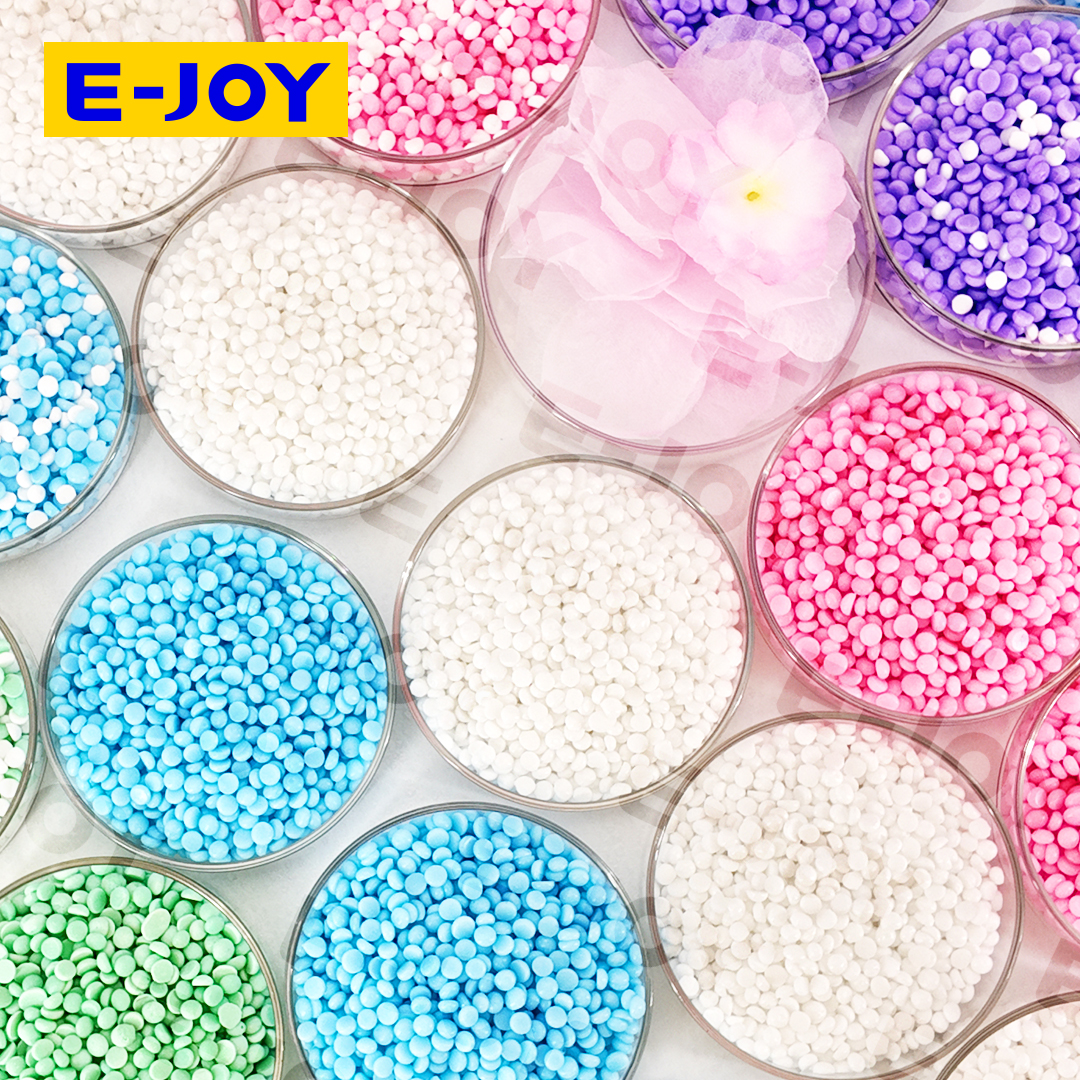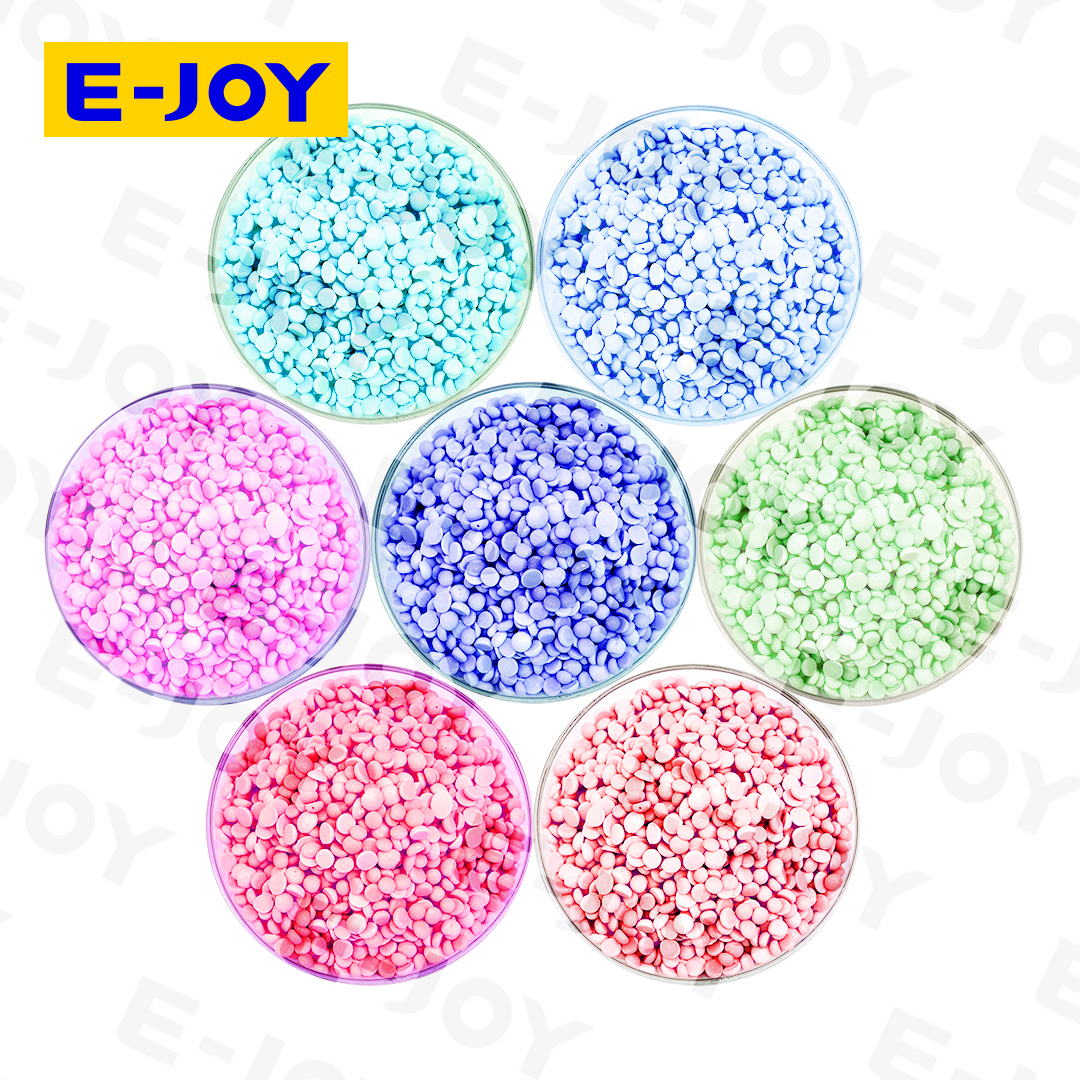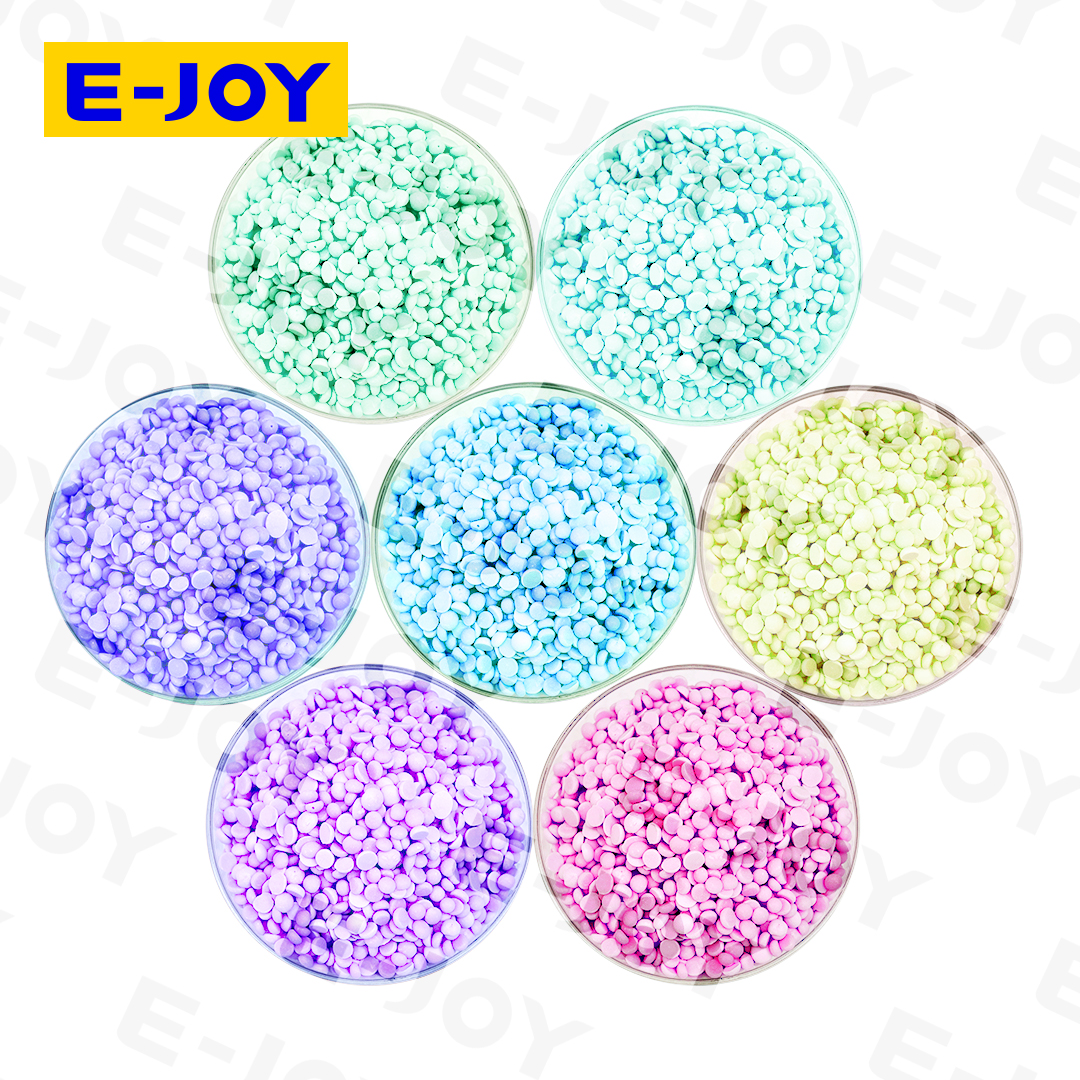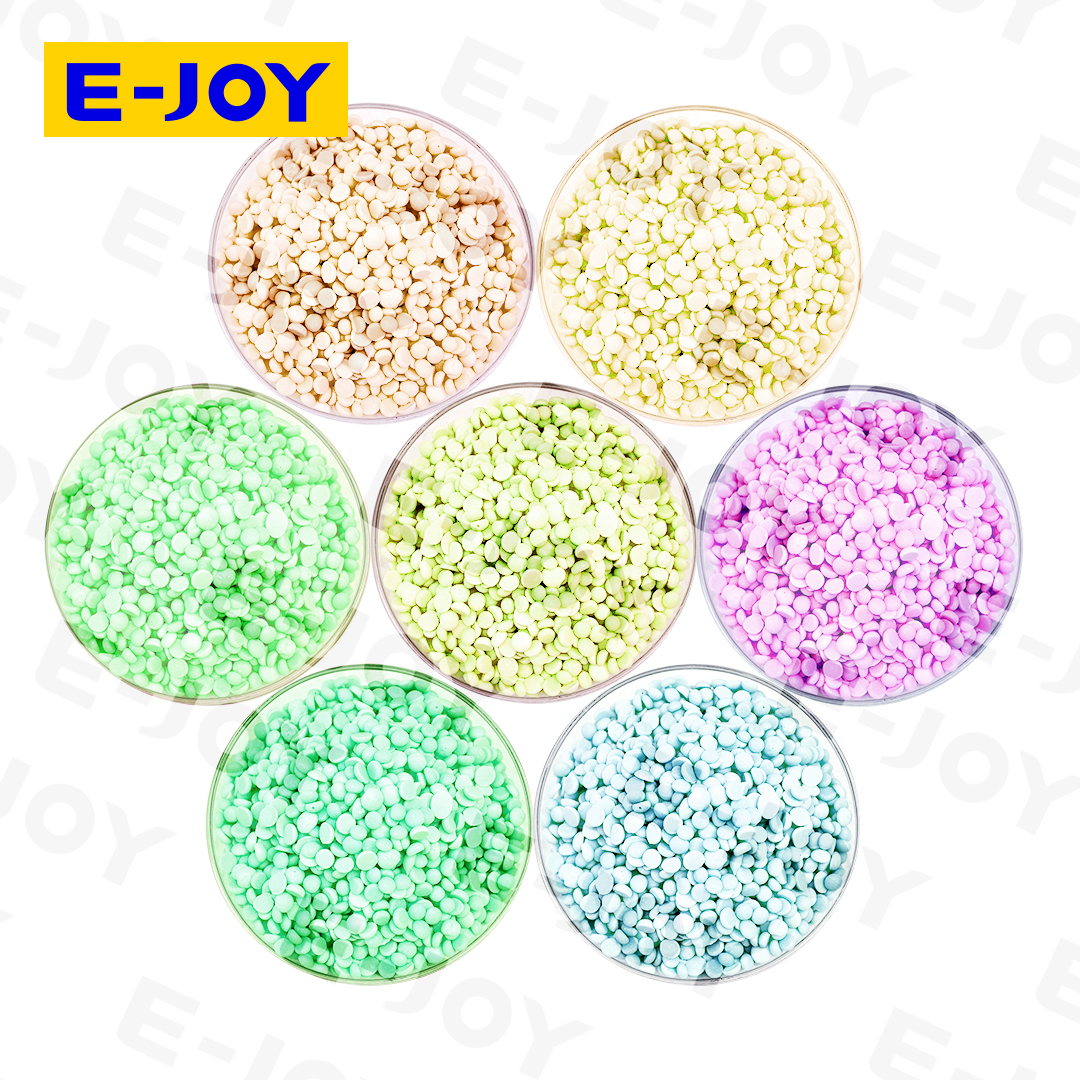

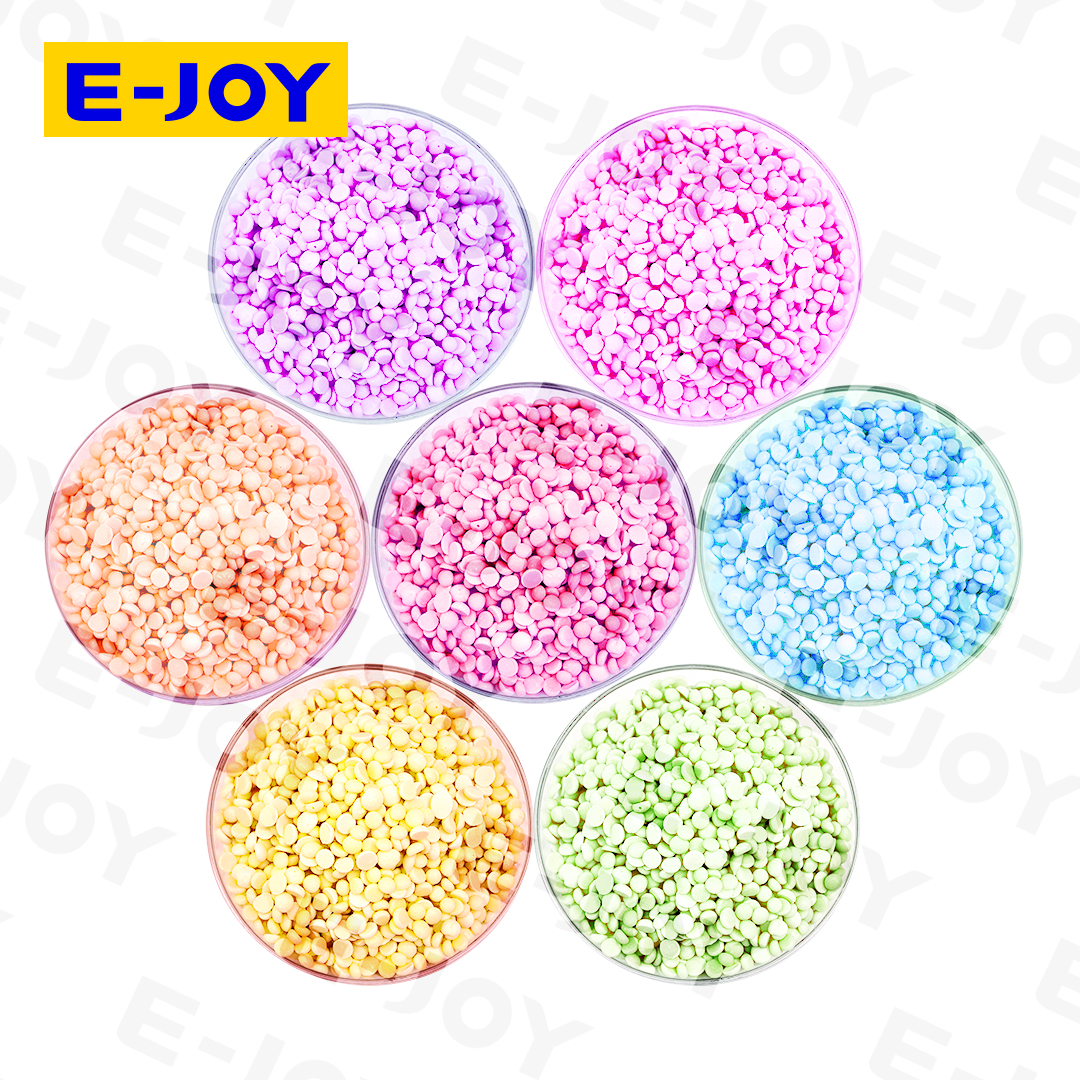
Scent booster beads formulation starts with the result your brand wants to assess. First, define the fragrance, dose, and wash conditions. Then, review the carrier system, bead appearance, and test results as one complete formula.
DEVELOP.
TEST.
For an OEM buyer, formula choice involves more than selecting a scent. Also, the base materials, fragrance, colour, and bead design must work together. A change in one area may need checks in another.
First, share your product brief and ingredient restrictions. Next, ask which options the supplier can develop. Finally, compare samples under the same test conditions.
Dissolution. Appearance. Stability.
What can an OEM buyer discuss? Ask about fragrance profiles, base systems, bead size, colour, and target dose. Also, define the wash and storage conditions. Then, confirm which combinations are feasible and what evidence is needed.
Set Your Scent Booster Beads Formulation Goals
First, define the market and intended use. Also, state the washing machine types and water temperatures you plan to assess. This gives the development team a clear starting point.
Next, describe the scent profile and target dose. For example, a soft floral brief differs from a strong woody brief. Include reference samples where possible.
In addition, list ingredient restrictions and proposed claims. However, do not treat every request as a confirmed option. Ask the supplier to identify development limits before quoting.
Reference profile and review stages
Dose, wash conditions, and fabric types
Ingredient restrictions, cost target, and claims
Compare Fragrance Profile and Strength
First, agree on the scent family and reference. For example, briefs may use floral, citrus, fresh, woody, or blended notes. Then, confirm which samples the supplier can provide.
Also, assess scent strength at the intended dose. However, a higher fragrance level alone does not prove a better result on fabric. Review the finished formula rather than one ingredient level.
Next, assess the pack scent and washed fabrics separately. In addition, check fabrics after drying at agreed times. Keep the detergent, dose, fabric, and wash cycle the same.
Use dose.
Fabric result.
First, set the review conditions. Then, compare coded samples at the same stages. Finally, record the version your team selects.
Review the Scent Booster Beads Formulation Base
The carrier is the base system used to form the bead and hold the fragrance. First, ask which systems the supplier can offer. Then, review each proposed system against your brief.
Also, ask how the base affects the finished bead. Relevant checks may include handling, dissolution, and storage performance. However, assess the complete formula rather than judging it by the carrier name alone.
In addition, confirm which ingredient details can be shared. If a qualified reviewer needs confidential data, agree on a suitable disclosure process. Then, record the approved formula version.
Fragrance.
Finished bead.
A change to the base may need fresh testing. Therefore, ask which results remain relevant when the formula changes.
Define Dose and Dissolution Tests Together
First, state the dose in grams for a defined laundry load. Also, identify any higher or lower dose instructions you plan to assess. Then, test the formula at those use levels.
Next, set the water temperature, agitation, and test time. For example, a cold-water claim needs evidence under defined cold-water conditions. Also, agree on the endpoint and residue checks.
However, a beaker test alone does not show results in every washing machine. Therefore, assess the intended machine types and use conditions. Record any limits found during testing.
First, compare samples using one agreed method. Also, keep a record of the equipment and test settings.
Next, compare results with the agreed pass limits. Finally, link the report to the exact sample version.
Assess Bead Colour, Shape, and Size
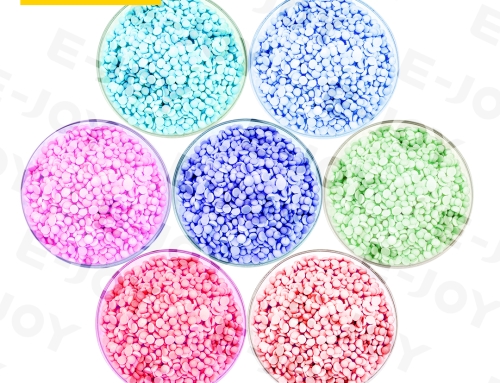
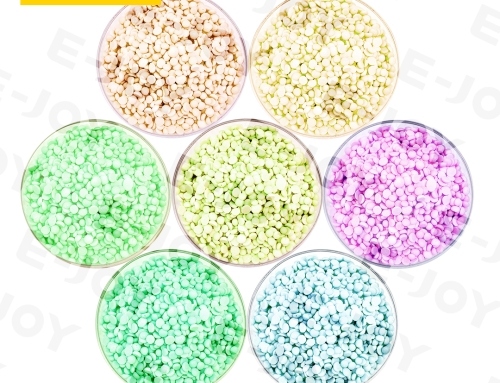
First, ask which bead formats and colours are feasible. Then, define a reference and an acceptable range. Also, check whether each option needs a separate formula or process trial.
Next, assess more than the shelf appearance. For example, include fabric residue and colour-transfer checks where relevant. Review the chosen colour within the complete formula.
In addition, confirm how bead size will be checked. Then, assess handling and dispensing with the proposed pack. This helps connect the visual brief with actual use.
Use checks matter, too.
COLOUR / First, agree on a reference and review method.
SIZE / Also, define the measurement and acceptable range.
USE / Next, assess the bead under intended wash conditions.
PACK / Finally, check dispensing and handling.
Test the Scent Booster Beads Formulation in Its Final Pack
First, agree on storage conditions and review intervals. Also, define which changes will be checked. For example, the plan may cover clumping, appearance, fragrance, and pack condition.
Next, test the chosen formula with the proposed container and closure. A formula result from another pack may not answer all the same questions. Therefore, review the full product and packaging combination.
Finally, request the basis for the proposed shelf life. Also, confirm whether changes to ingredients or packaging need further checks. Record the evidence used for approval.
DEFINED TESTS.
RECORDED RESULTS.
Approve the complete version. Then, link the formula, pack, and test records to the same project file.
Compare Formula Options on the Same Basis
First, compare samples at the agreed use dose. Also, keep the pack size and test conditions consistent. This makes both performance and cost easier to assess.
Next, ask which choices affect minimum quantities and development timing. For example, a custom fragrance or colour may need separate sourcing and trials. Confirm those needs before approving the project.
Finally, separate development fees, tests, and setup costs from the unit quote. Then, record the approved specification and the process for later changes.
Does more fragrance always give a better fabric scent?
Not necessarily. Instead, assess the complete formula at the intended dose. Also, compare fabrics after the same wash and drying process.
Can one base support every scent and colour?
Do not assume every combination is feasible. First, ask the supplier to review compatibility. Then, confirm which combinations need development trials.
What should buyers retain after sample approval?
First, keep the approved formula and fragrance references. Also, retain samples under agreed storage conditions. Finally, save the specifications, test records, and packaging version.
DEFINE THE GOAL.
REVIEW THE OPTIONS.
To discuss a scent booster beads formulation project, share your market, fragrance reference, target dose, and ingredient restrictions through the E-JOY contact page. Then, ask which development options and sample terms are currently available.
You can also browse the E-JOY Alibaba storefront. Next, include the relevant item link in your inquiry. Finally, confirm the formula scope, tests, packaging, and order terms in writing.
Buyer note: These are development points to discuss, not confirmed E-JOY formula options or performance claims. Feasibility, supporting evidence, minimum quantities, and timing must be confirmed for the specific project.