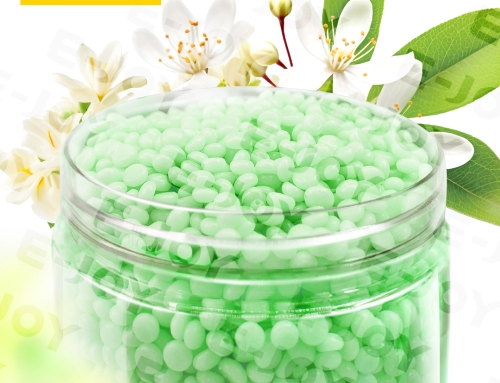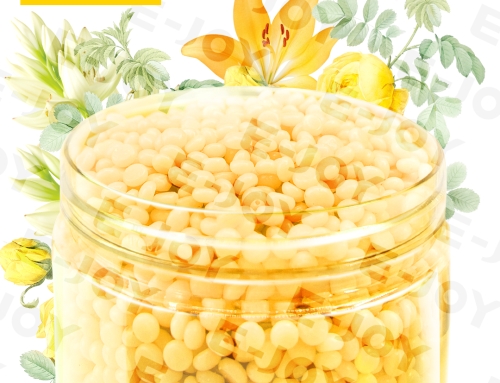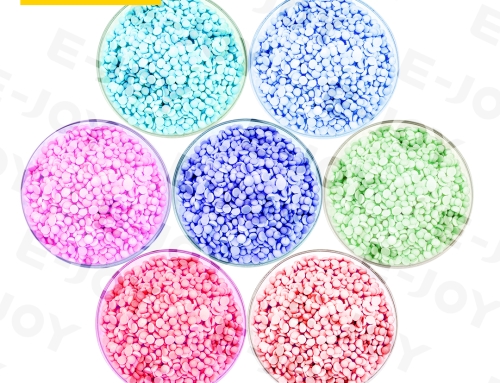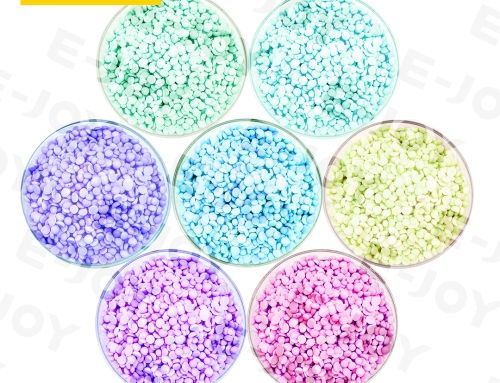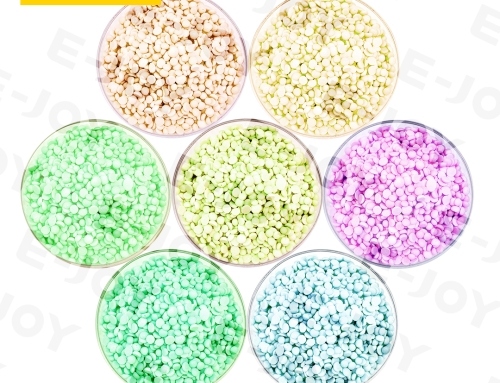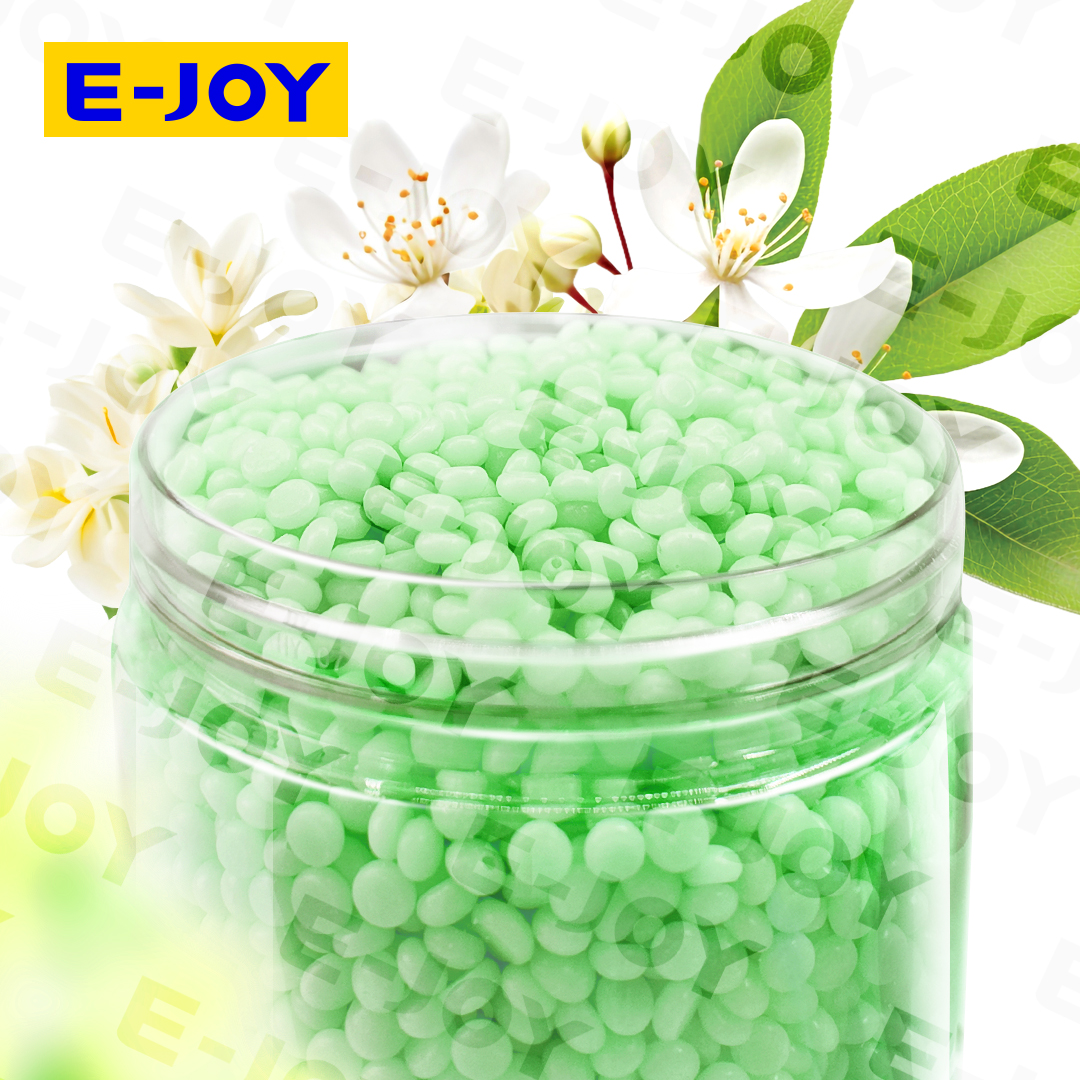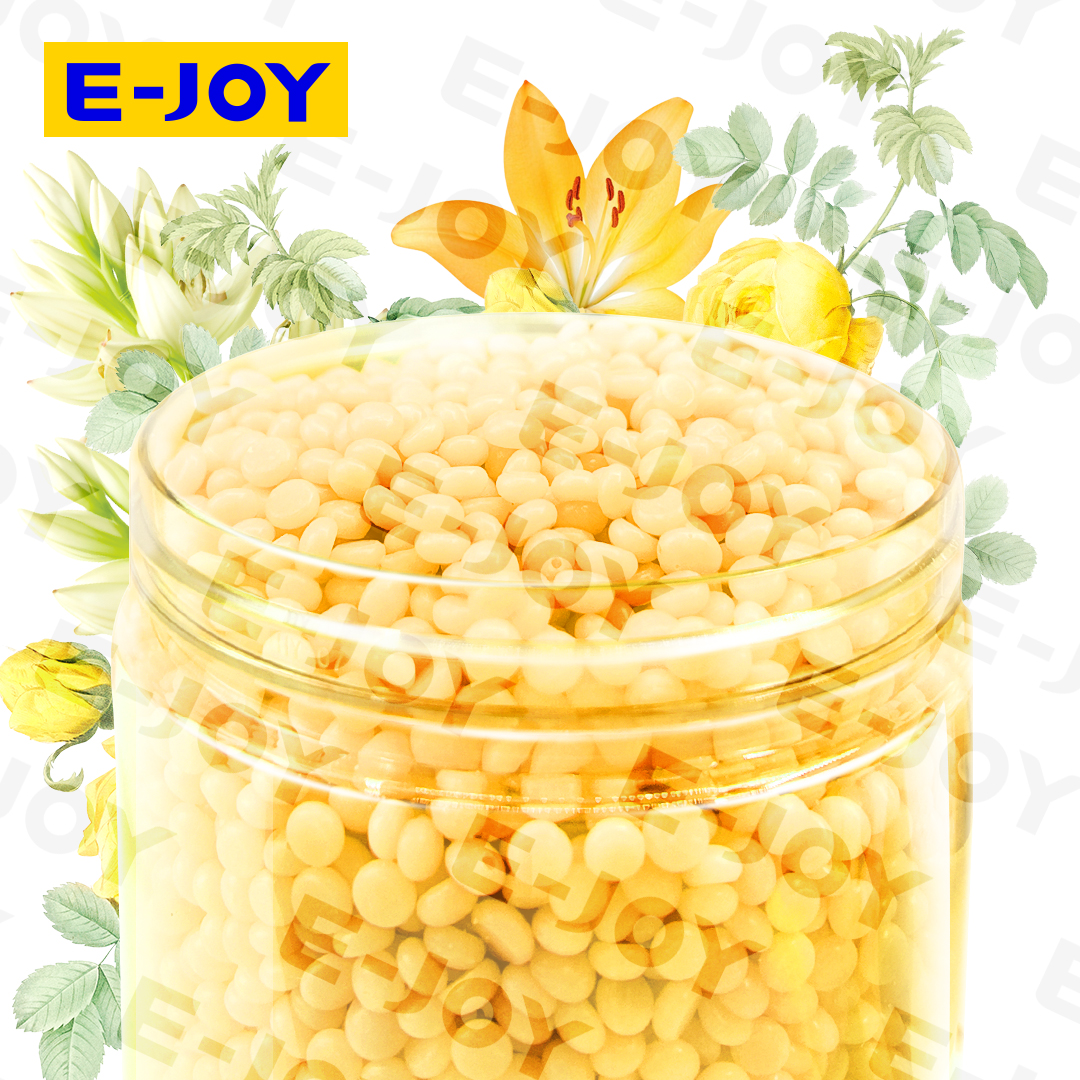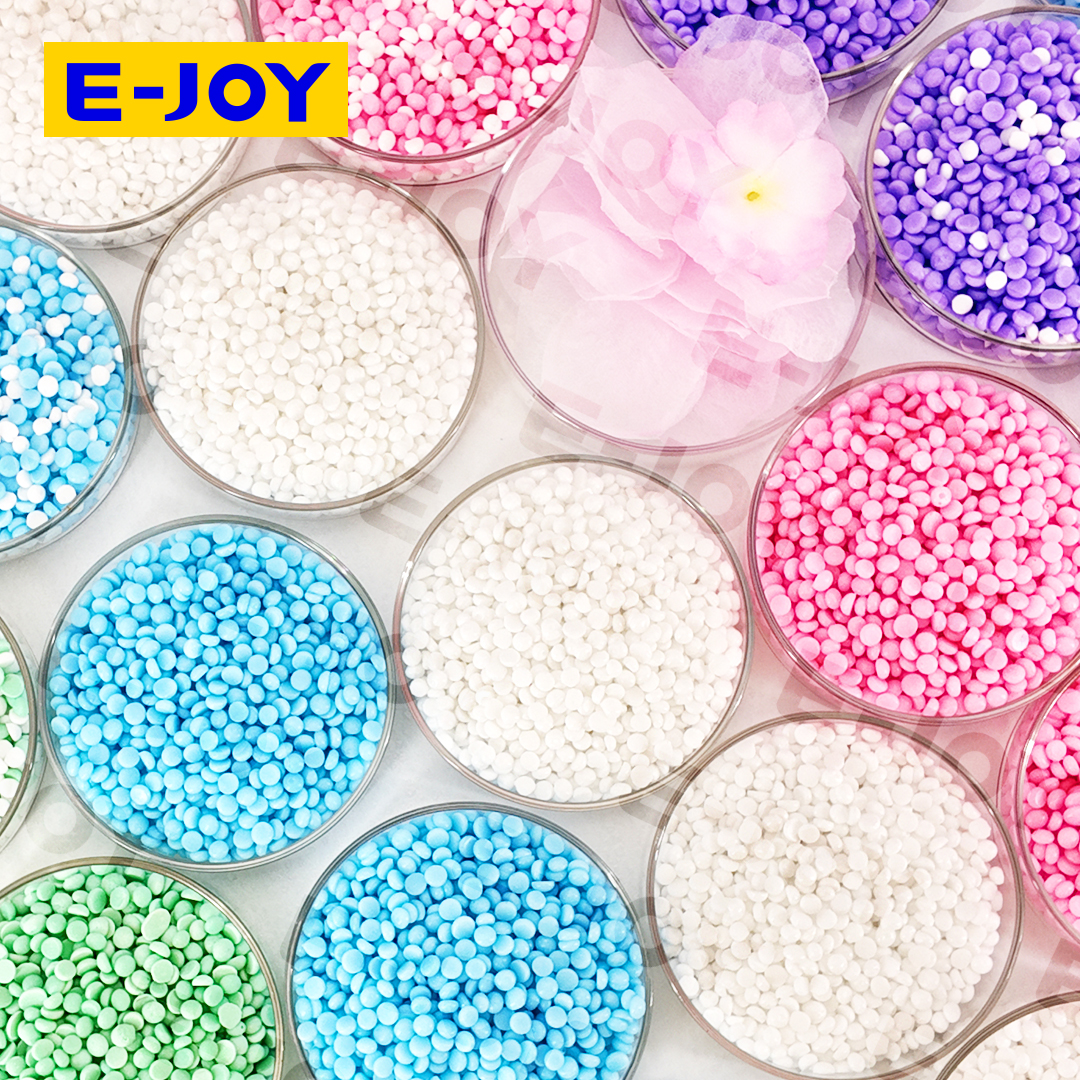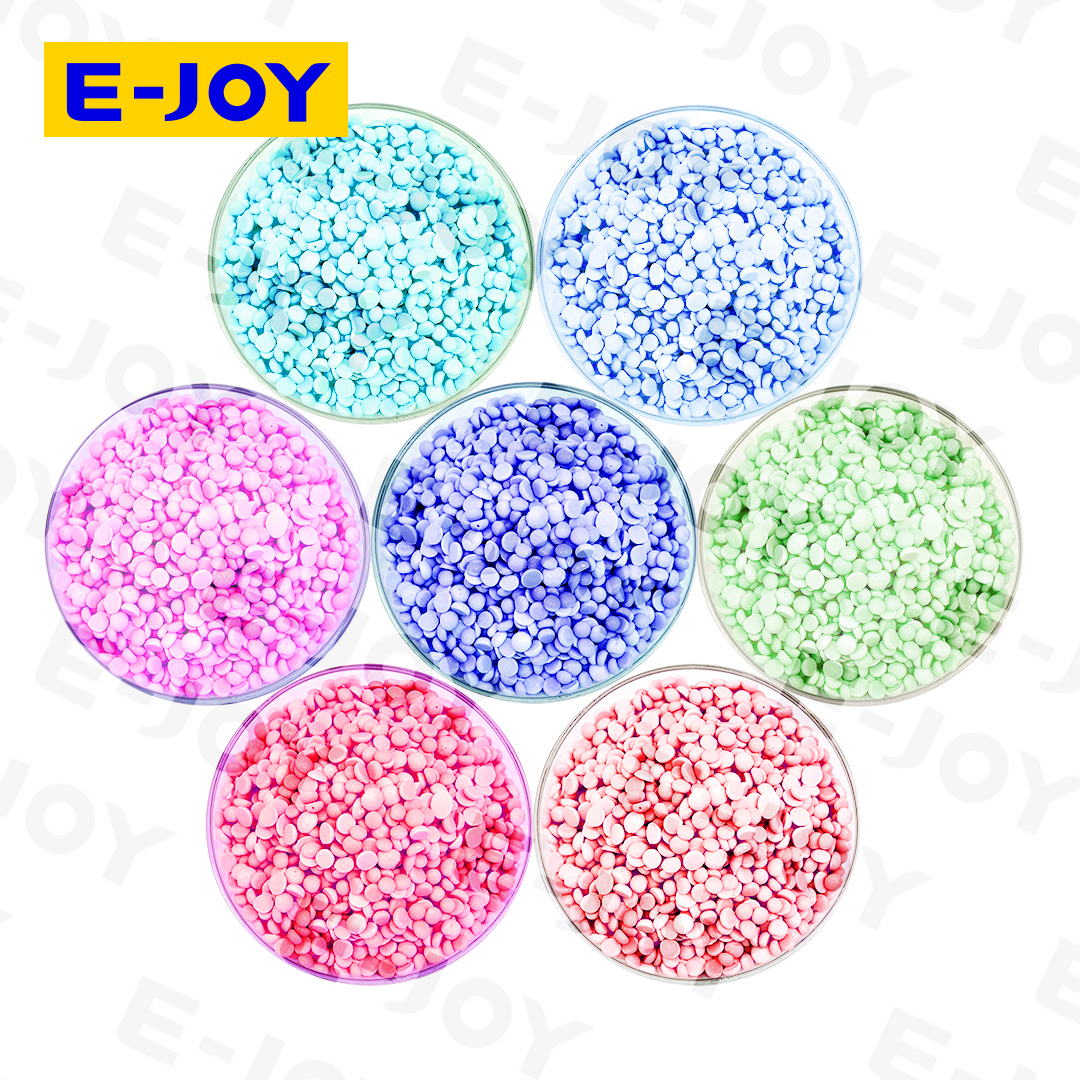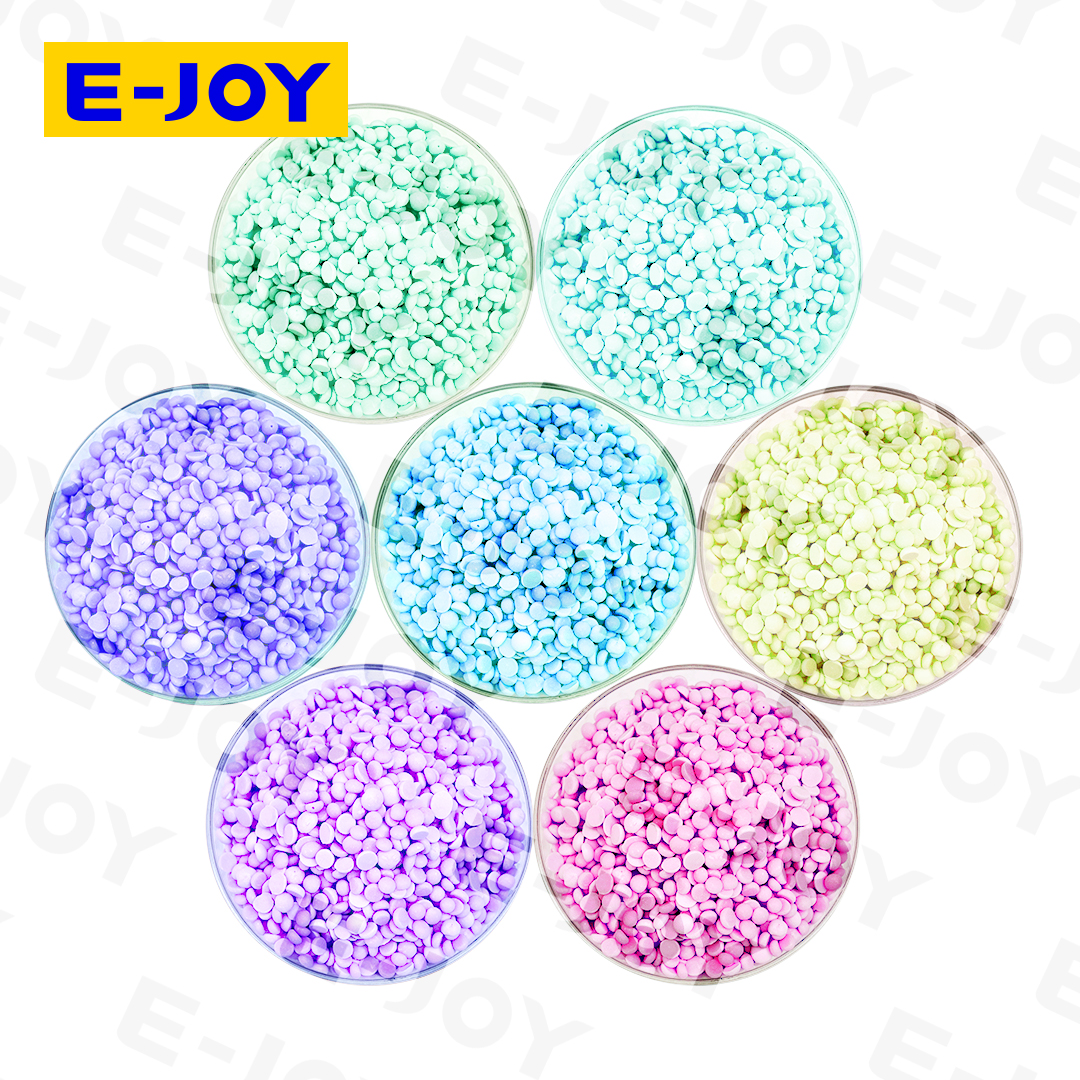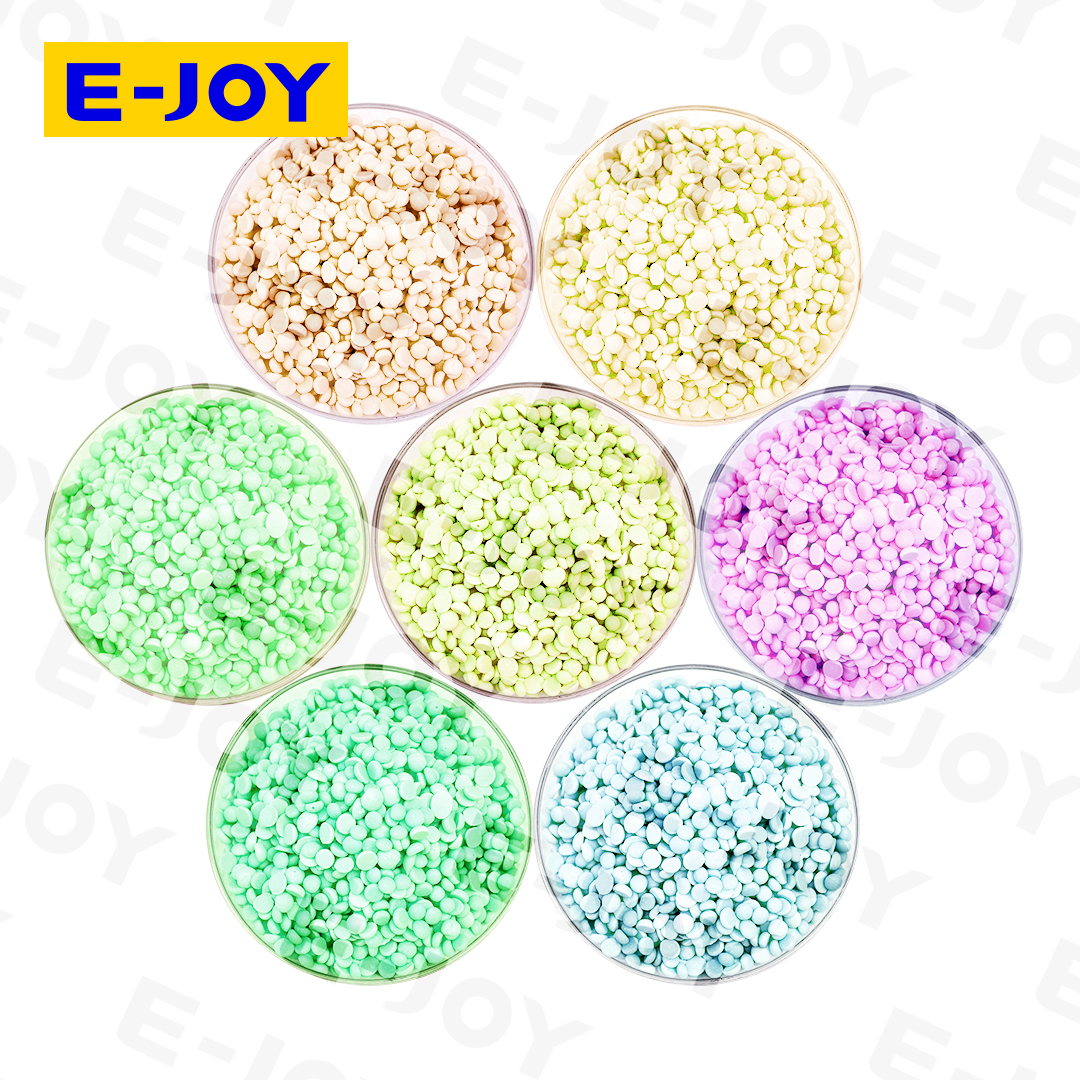

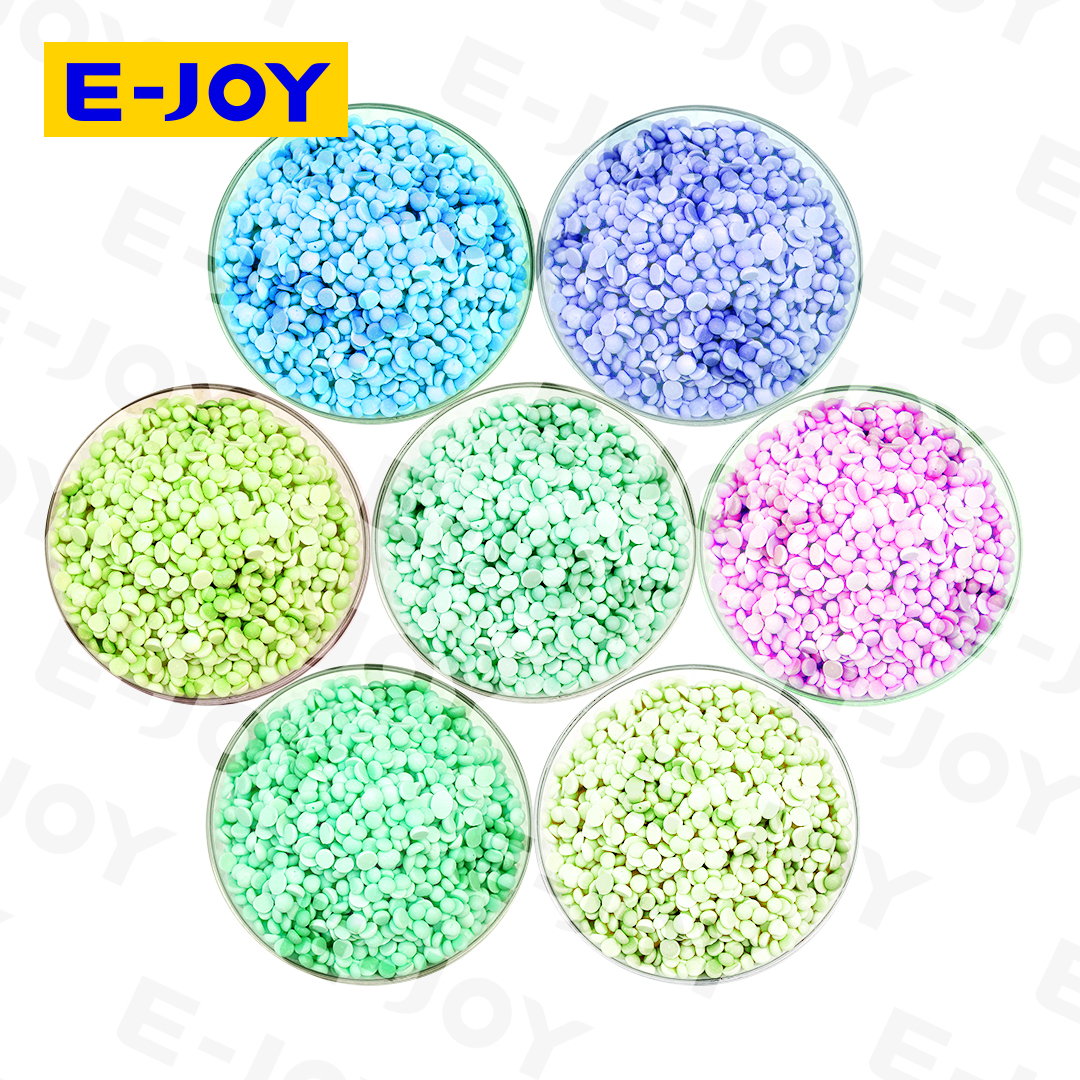
Private label scent boosters start with a clear product brief. First, define the fragrance, bead formula, dose, and pack. Then, agree on samples, quality checks, and production terms for your brand.
SAMPLE.
SCALE.
For brand buyers, the project involves more than choosing a fragrance. Also, the formula, pack, and wash guide must work together. This gives the supplier a clear basis for samples and pricing.
First, share your target market and product goals. Next, review samples under agreed conditions. Finally, approve the written specification before bulk production.
Samples. Packaging. Production.
What should a brand buyer confirm? Define the scent reference, bead appearance, dose, and pack size. Also, agree on test methods, batch limits, and artwork. Then, link those details to the sample your team approves.
Define Your Brief for Private Label Scent Boosters
First, state where the product will be sold. Also, describe the sales channel and target buyer. For example, retail shelves and online orders may need different pack formats.
Next, define the scent profile and pack size. In addition, list ingredient restrictions and planned claims. This helps the supplier identify points that need further review.
Finally, share the planned order size and launch date. However, treat the date as a planning input. Confirm the schedule once the sample and pack needs are clear.
Sales country, channel, and intended use
Scent, dose, bead appearance, and pack size
Planned quantity, review steps, and target timing
Review the Scent Beyond the Open Pack
First, agree on a fragrance reference. Describe the notes and strength your team wants to assess. For example, a floral brief is clearer when it includes a reference sample.
However, the scent in the pack is only one review point. Also, assess the result on washed and dried fabrics. Use a set dose, detergent, fabric type, and wash cycle.
Next, agree on when the fabrics will be checked. If you plan a scent-duration claim, define the test conditions and evidence needed. Finally, record which fragrance version was approved.
After the wash.
After drying.
First, use the same test setup for each sample. Then, compare results at agreed times. As a result, your team has a clearer basis for review.
Set Quality Standards for Private Label Scent Boosters
First, assign a version code to the chosen formula. Also, define the bead colour, shape, and size range. Then, agree on how appearance will be checked.
Next, define the dose and intended use conditions. For dissolution tests, record water temperature, agitation, and test time. In addition, set a clear endpoint and pass limit.
Also, assess handling and storage needs. For example, review clumping and pack performance under agreed conditions. Then, review shelf-life evidence for the final formula and pack.
First, record the formula and fragrance codes. Also, keep the agreed colour and appearance references.
Next, agree on the test methods and pass limits. Finally, define which checks apply to routine batches.
Turn Sample Feedback into Written Approval
First, confirm whether you received a stock sample or a custom sample. Then, record which points match your brief. Also, list any changes your team still needs.
Next, review each new version against the same criteria. For example, separate scent feedback from colour or dissolution feedback. This gives the supplier clearer instructions.
Finally, approve the selected sample in writing. Also, retain a reference sample under agreed storage conditions. Then, confirm how the first batch will be compared with that reference.
Fewer open questions.
SCENT / First, name the reference and review stage.
APPEARANCE / Also, identify the colour or bead feature to change.
TESTS / Next, link comments to the agreed test results.
VERSION / Finally, record what is approved and what remains open.
Choose Packaging for Private Label Scent Boosters
First, choose the proposed pack format and net weight. Ask which bottles, closures, or pouches are available. Then, confirm compatibility with the chosen formula.
Also, assess the complete pack during storage and transport. For example, checks may cover closure fit, seals, bead leakage, and pack damage. Agree on the methods and pass limits.
Before printing, arrange a review of directions, required warnings, and claims for the sales market. In addition, check the barcode and batch-code position. Finally, approve the exact artwork version.
Container.
Closure.
Assess the pack with the product it will hold. Also, confirm which files cover the chosen formula. Do not assume a standard file covers every custom version.
Agree on Batch Checks Before Production
First, ask which checks take place during production and before batch release. For example, these may cover appearance, net weight, pack seals, and label accuracy. Then, agree on the checks needed for your order.
Also, set the inspection sampling plan and defect limits. Next, define what happens if a result falls outside the agreed range. Record who can approve the next step.
Finally, define which formula or pack changes need approval. In addition, keep batch records linked to the production order. This helps the team trace a concern if one arises later.
DEFINED FORMULA.
CONFIRMED PACK.
Keep the versions aligned. Then, release the order against the agreed specification.
Confirm MOQ, Price, and Lead Time
First, request a quote for private label scent boosters with the agreed formula and pack. Also, confirm the minimum order quantity for each scent, colour, and packaging format. Custom materials may have separate minimums.
Next, separate the unit price from other project fees. For example, samples, tests, tooling, and print setup may be quoted apart. Therefore, compare the full scope rather than unit price alone.
Finally, agree on when the lead time starts. It may depend on sample approval, artwork, materials, or payment. Then, record the milestones and delay-reporting process in the order terms.
Can a brand customise the scent and packaging?
Ask which fragrance, colour, formula, and pack options the supplier can offer. Then, confirm feasibility, test needs, and minimum quantities. Do not assume every option can be combined.
How should buyers assess a fragrance sample?
First, use an agreed dose and wash setup. Also, assess fabrics at the same stages and times. Then, record the fragrance version and review results.
What should be approved before the first order?
First, approve the sample and written specification. Next, sign off the packaging and artwork. Finally, confirm quality limits, costs, and delivery terms.
SHARE THE SCENT.
BUILD THE BRIEF.
To discuss private label scent boosters with E-JOY, share your market, fragrance reference, pack format, and planned quantity through the E-JOY contact page. Then, request current options and sample terms.
You can also browse the E-JOY Alibaba storefront. Next, include the relevant item link in your inquiry. Finally, confirm the development scope, specification, and order terms in writing.
Buyer note: This guide outlines project checkpoints. It does not state fixed formula values, scent-duration claims, minimum order quantities, or delivery commitments. Confirm current options and supporting evidence for your project.