
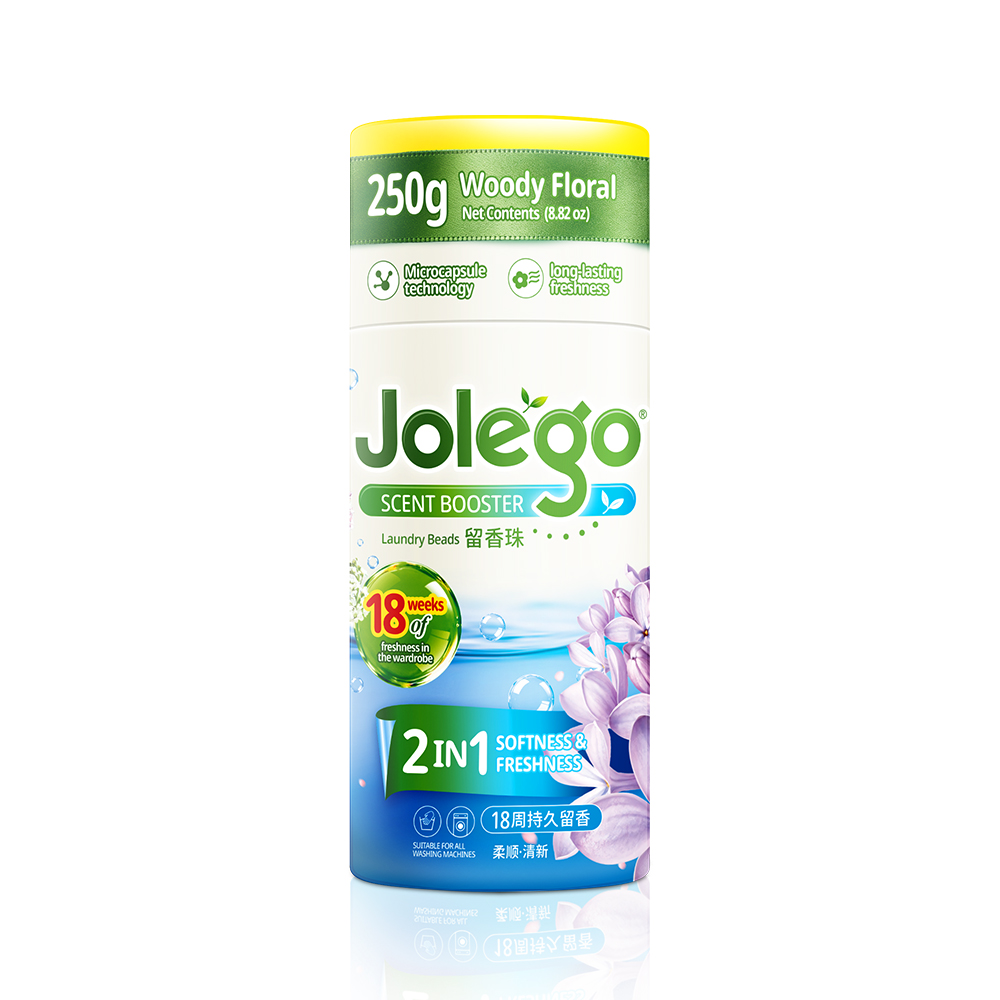
Scent booster beads packaging affects how a private label product is filled, shipped, displayed, and used. First, choose the role of the pack. Then, compare formats that fit the product and sales channel. Finally, test the selected pack with the actual beads.
A bottle, jar, or refill pouch can each serve a different purpose. However, appearance alone is not enough to guide the choice. This article helps B2B buyers compare the practical details before placing an order.
Start with the Job the Pack Must Do
First, decide whether the pack is a main retail unit, a refill, or a trial size. Each role creates different needs. For example, a main pack may need a dosing aid, while a refill needs a practical way to transfer the beads.
Next, consider where the product will be sold. A retail shelf and a parcel shipment place different demands on the pack. Therefore, share the sales channel before asking for a packaging quote.
Buyer takeaway: Choose the pack around its intended use. Then, review appearance, material performance, filling needs, and total cost together.
Compare Scent Booster Beads Packaging Formats
The table below shows common formats to discuss with a supplier. However, availability depends on the factory, filling line, and packaging source. Confirm the actual options for your order.
| Format | Potential role | Key points to review |
|---|---|---|
| Bottle | Main retail pack with a pouring format. | Neck opening, grip, cap fit, dosing, and label area. |
| Wide-mouth jar | Retail pack with direct access to the beads. | Lid seal, opening size, dosing method, and handling. |
| Stand-up pouch | Refill or flexible retail format. | Film structure, seals, closure, pouring, and shelf stability. |
| Small sachet | Trial, sample, or other limited-fill use. | Fill accuracy, opening method, seal area, and label space. |
Also, ask for a filled sample rather than an empty pack alone. This shows how the format behaves with the proposed product.
Match Fill Weight to Usable Pack Volume
A pack volume does not directly tell you how many grams it will hold. Bead size and bulk density affect the space needed. Therefore, confirm the fit with the actual formula.
First, set the target net weight. Next, run a trial fill and check the remaining space. Also, assess whether that space supports filling, closing, and normal handling.
For example, two bead formulas may reach different fill levels in the same bottle. A pack selected for one formula may need a fresh review when the product changes.
Finally, check the filled pack on the proposed line. Confirm that beads do not interfere with the closure or seal area during filling.
Review Closures, Dosing, and Refill Use
The closure is part of the product experience. First, check how the pack opens and closes. Then, review it after repeated use rather than only on a new sample.
Caps and dosing aids
If the cap acts as a measure, compare it with the proposed label dose. Also, check whether users can see and understand the markings. Do not assume that a full cap equals the intended dose.
Pouch openings and closures
For a refill pouch, test the opening and transfer step. Check whether beads pour into the intended container without frequent spills. In addition, assess how the closure works if the pouch is not emptied at once.
Closure claims
A tight lid or tamper seal does not by itself prove child resistance. Therefore, review any closure claim separately and request relevant supporting evidence.
Test Scent Booster Beads Packaging with the Product
Material names alone do not prove pack performance. Instead, review the complete pack with the beads, closure, label, and seal.
First, define the storage and handling conditions to assess. Next, agree on test methods and review points. These should reflect the intended route and product use.
- Product condition: Check for clumping and changes in scent or appearance.
- Pack condition: Review distortion, cracking, staining, or seal damage.
- Closure function: Check fit and performance after handling.
- Label condition: Review adhesion, scuffing, and print clarity.
- Transit protection: Assess the filled pack in its proposed shipping configuration.
However, a short trial does not establish shelf life. Keep its findings separate from any longer storage study.
Choose a Print Route That Fits the Order
First, ask which branding methods suit the selected pack. Options may include adhesive labels, sleeves, or printed packaging. However, each route can have its own minimum quantity and setup costs.
Next, request the correct artwork template. Confirm the print area, seam, closure, and coding zones before design work starts. This can reduce late changes.
Also, review a physical proof or decorated sample where practical. A screen preview does not fully show color, texture, or small-text clarity on the pack.
For multi-scent ranges: Review all variants together. Make sure the scent name, color system, barcode, and product details remain easy to distinguish.
Finally, arrange a label review for the target market before printing. Keep the approved artwork version linked to the purchase order.
Compare Total Packaging Cost, Not Just the Empty Pack
An empty-pack quote covers only part of the decision. Therefore, compare complete packaging configurations using the same fill weight and order volume.
For example, include the container, closure, seal, label, and outer carton. Also, ask about filling charges, tooling, print setup, and trial costs where relevant.
Next, compare the packed dimensions and units per carton. A change in pack shape can affect storage and freight estimates. Ask your logistics partner to assess the actual configuration.
In addition, check the minimum order quantity for each component. Printed packs may have a different minimum from the filled product. Agree on who holds and pays for any unused stock.
Finally, review the cost of future artwork changes. A low initial unit price may still leave unused branded materials when a design changes.
Approve One Complete Packaging Configuration
Before ordering, bring the product and packaging decisions into one record. Include the container code, closure, seal, fill weight, artwork, and carton details.
Also, keep an approved filled pack as a reference where practical. This helps both teams review the same configuration.
If a component changes later, assess the effect before use. For example, a new cap may need fresh closure checks. A new film structure may need another product compatibility review.
Discuss Your Private Label Packaging Brief with E-JOY
To review scent booster beads packaging options, prepare your target fill weight, sales channel, preferred format, and order estimate. Then, share these details through the E-JOY contact page to discuss available options and sample requirements.
You can also visit the E-JOY website for company information. In addition, browse the E-JOY Alibaba storefront for product and pack references. Confirm current availability, minimum quantities, and customization scope for your project.
Packaging Questions from Private Label Buyers
Can the same bottle hold different bead formulas?
It may be possible, but the fit needs review. For example, bulk density can change the fill level. Therefore, trial-fill each proposed formula before confirming the pack.
Is a refill pouch always less expensive?
Not necessarily. Compare materials, printing, filling, minimum quantities, and freight together. Also, include any separate container needed for the intended refill system.
Can packaging alone support a sustainability claim?
A material description alone is not enough. Instead, define the exact claim and review the evidence for the full pack. Avoid assuming that one component describes the whole packaging system.
What should buyers request before approving artwork?
First, request the final pack template and print specifications. Next, check the filled sample and proof where available. Finally, confirm required text, coding space, and the approved file version.