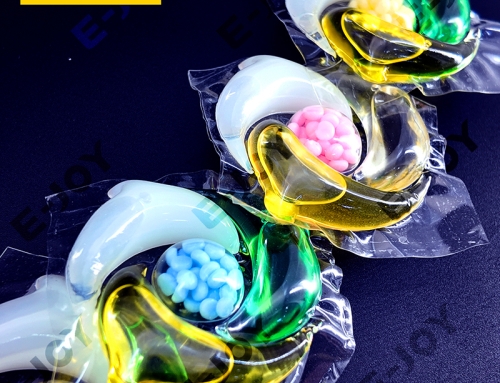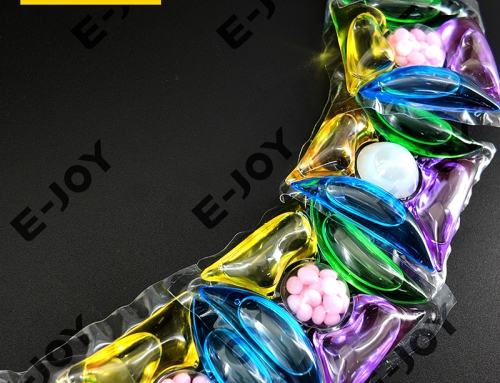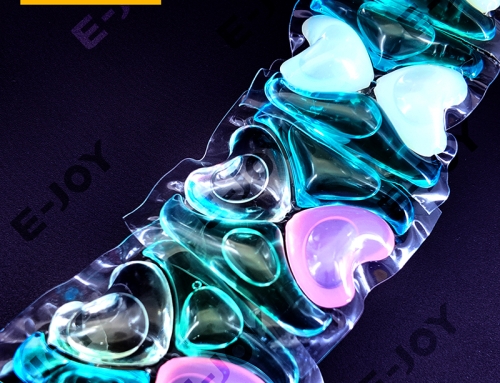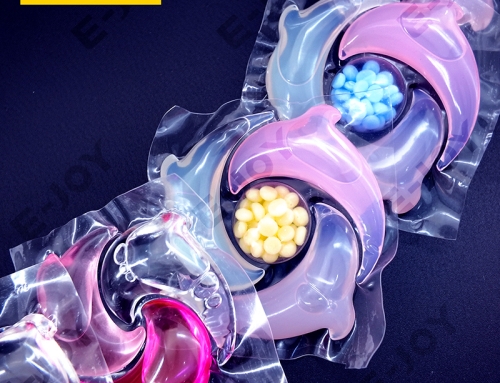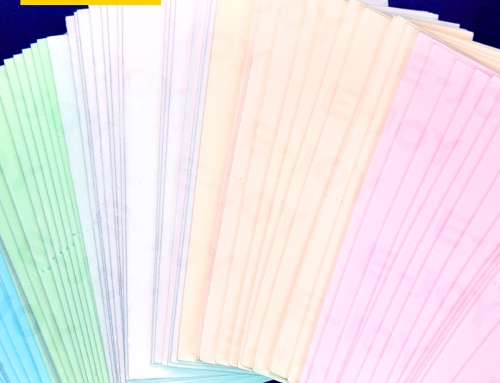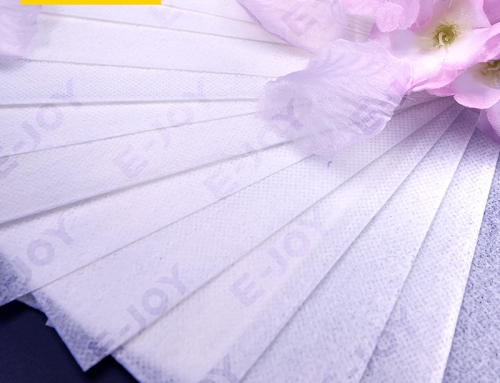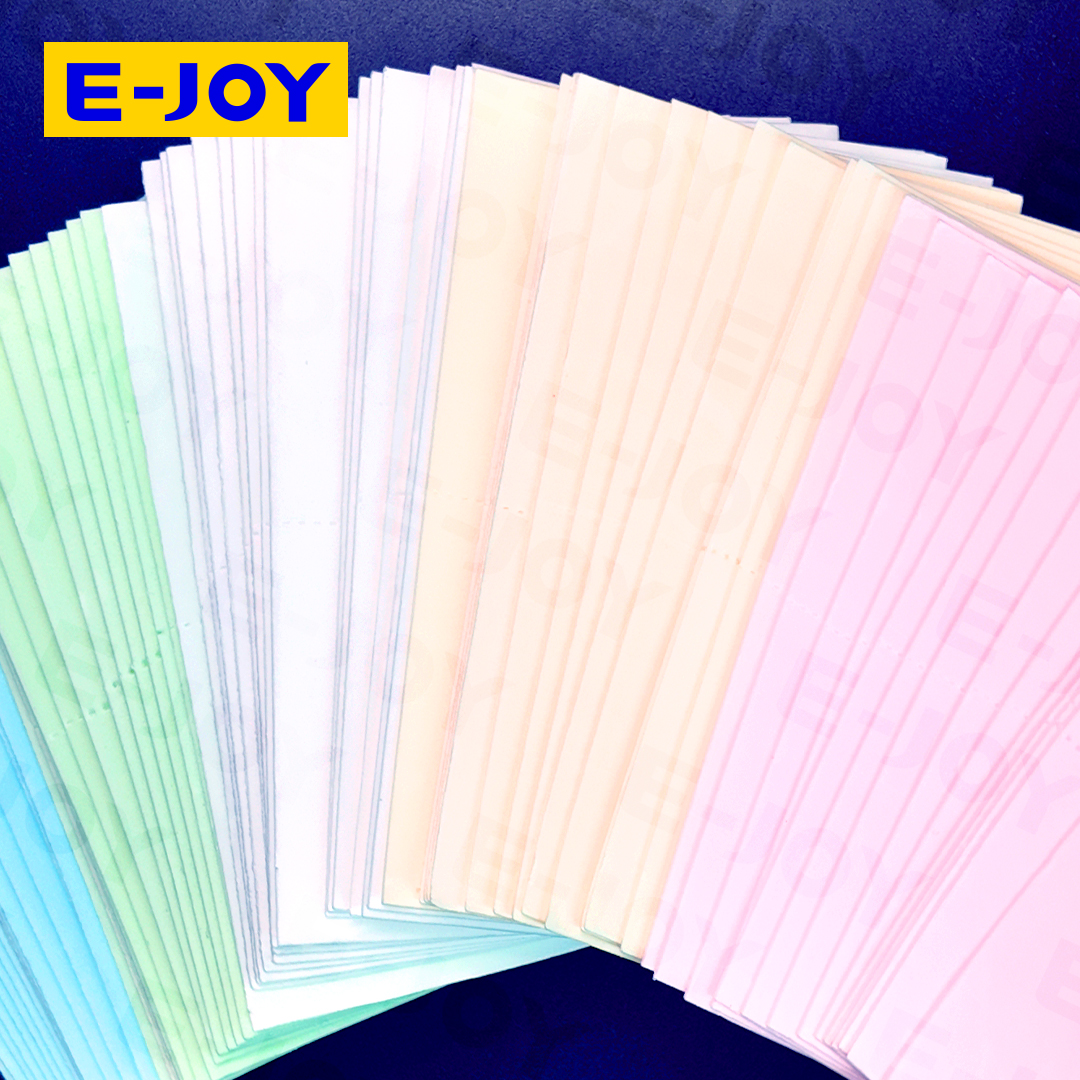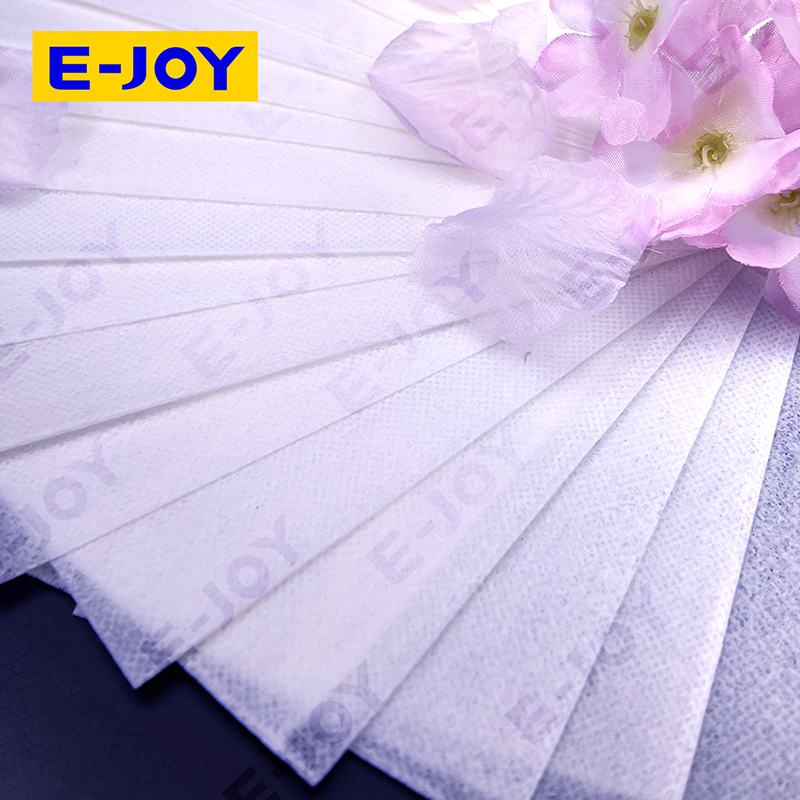

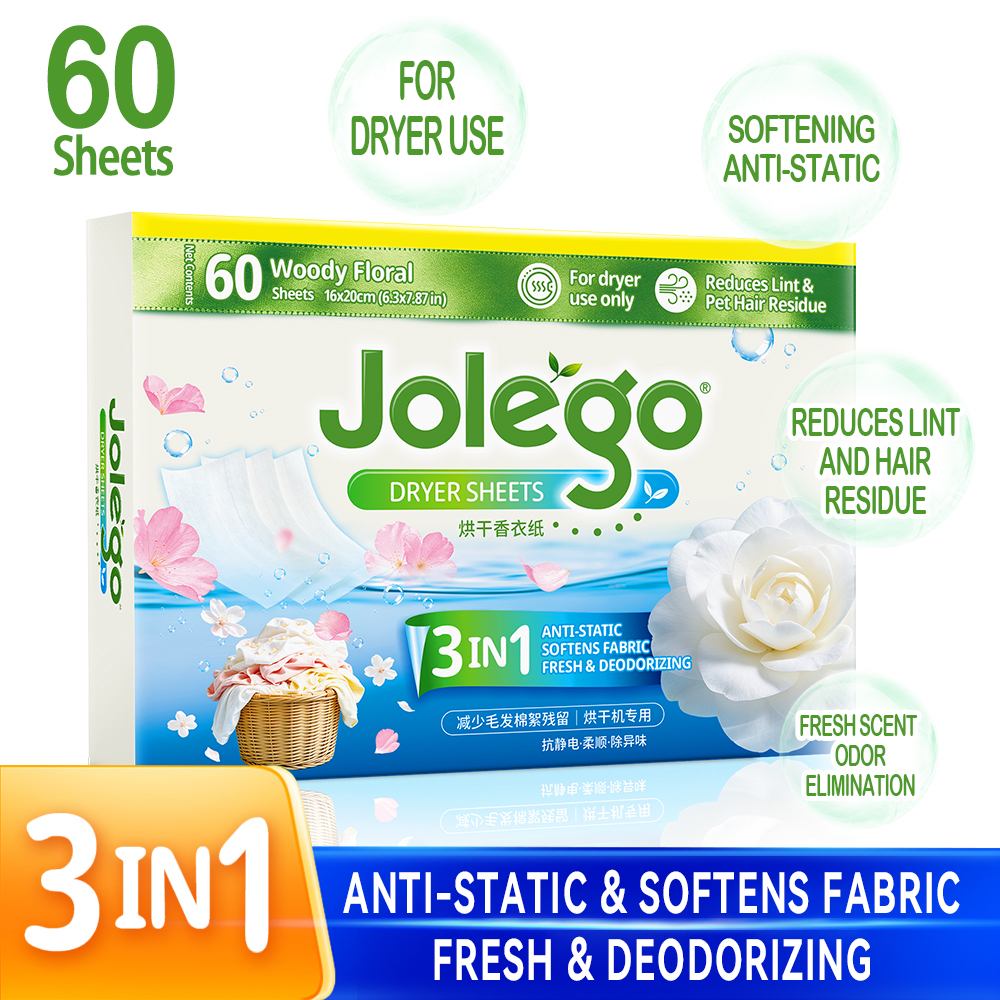
Dryer sheets OEM customization helps brands define the scent and fabric feel of their product. First, describe the result you want after drying. Next, compare treated sheet samples. Then, approve the formula, dose and packaging using a clear test plan.
A useful brief explains more than “strong scent” or “soft feel.” It identifies the fabrics, drying cycle and review method. Therefore, agree on these details before the supplier prepares trial samples.
Define Your Dryer Sheets OEM Customization Brief
First, share the sales market and intended use. Include your preferred sheet size and pack count. Also, describe the fabrics used in your sample review. These facts give the supplier a clear starting point.
Next, rank your product goals. For example, a light scent may matter more than a strong fragrance inside the box. Another project may focus on the feel of dried cotton. Set priorities before adjusting several features at once.
- Target market and customer preference.
- Scent family and preferred strength.
- Fabric types and softness goals.
- Sheet size, dose and pack count.
- Expected volume and target cost.
Choose a Clear Fragrance Direction
First, name the scent family you prefer. For example, your brief may call for floral, citrus, green or woody notes. Then, add a reference and explain what you like about it.
Also, define where you want the scent to be noticed. Fragrance inside the pack and fragrance on dried fabric are separate review points. Ask the supplier to prepare samples for both.
Next, agree on the assessment time. Review fabrics after drying and cooling. If later scent is part of the brief, add another agreed review point.
Turn Softness Preferences into a Test Plan
Softness feedback can vary between people. Therefore, use a shared method for sample review. First, choose the fabrics and a reference sample. Then, define the features reviewers will assess.
For example, the review may compare smoothness, flexibility and overall hand feel. Use coded samples to reduce the influence of brand names or scent preferences. Also, record each result before discussing it.
Finally, repeat the comparison where needed. Keep washing, drying and assessment conditions consistent. This makes feedback more useful for the next trial.
Test Dryer Sheets OEM Customization Under Fixed Conditions
First, assign a code to each treated sheet sample. Then, use the same load and drying cycle. Also, record the sheet dose and assessment method. Keep the following details with the results.
| Test detail | What to record |
|---|---|
| Sample identity | Product code, scent reference and trial date |
| Fabric load | Fabric types, load weight and prior wash method |
| Drying conditions | Dryer settings and cycle used |
| Dose | Number and format of sheets used |
| Assessment | Scent, fabric feel and visible marks |
Next, review any result outside the agreed brief. Describe the issue with specific feedback. For example, state when the scent was assessed and which fabric received the lower feel score.
Review the Sheet, Treatment and Packaging Together
Ask which sheet materials and treatment options are available for your brief. Also, confirm how the treatment level will be controlled during production. Assess the finished sheet rather than an ingredient alone.
Next, test the selected sheets in the proposed packaging. Review scent changes and ease of removal after storage. Also, check for sheets sticking together or visible pack changes.
Finally, agree on the storage conditions and review dates. Ask what evidence supports the proposed shelf life. Keep the approved pack linked to the product version.
Confirm Claims, Costs and Sample Approval
First, review the claims your brand wants to use. Ask which finished-product results support them. Also, check that the directions match the tested dose and intended use.
Next, confirm the cost of sample rounds and agreed tests. Ask for minimum quantities by scent and pack design. Then, review how the selected options affect lead time.
Finally, approve the product in writing. Include the sheet material, scent reference and treatment version. Also, define which later changes need buyer approval.
Dryer Sheets OEM Customization FAQ
Can a brand change only the fragrance?
Ask whether this option is available. Then, confirm which sample and storage checks are needed. Also, review any effect on supporting product files.
Does more treatment always give a softer result?
Treatment level alone does not establish fabric feel. Instead, compare finished samples at the intended dose. Also, inspect the test fabrics for visible marks.
Can a scent-free option be developed?
Confirm what the supplier can offer. Next, agree on the formula scope and label wording. Also, review the finished sample for any raw-material odor.
What helps keep repeat orders consistent?
Retain the approved specification and sample codes. Also, agree on routine batch checks. Then, review relevant material or scent changes before they are used.
Discuss Your Fragrance and Softness Brief
Planning dryer sheets OEM customization? First, send your scent direction, fabric goals and expected volume through the E-JOY contact page. Ask the team to confirm whether your requested options, sample plan and order volume can be supported.
You can also visit the E-JOY website or browse the E-JOY Alibaba storefront for company and product references. Finally, attach any scent notes or product samples relevant to your brief.