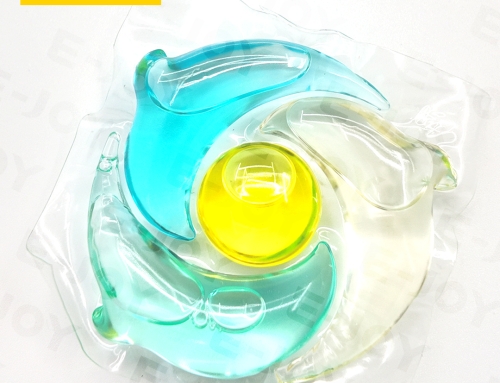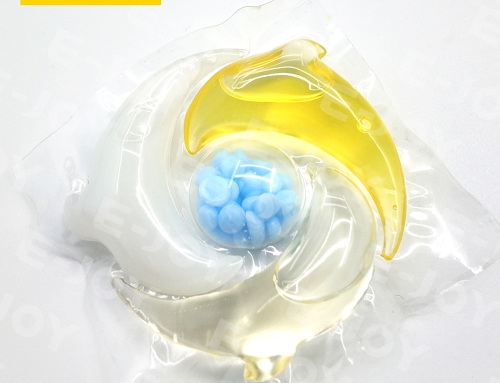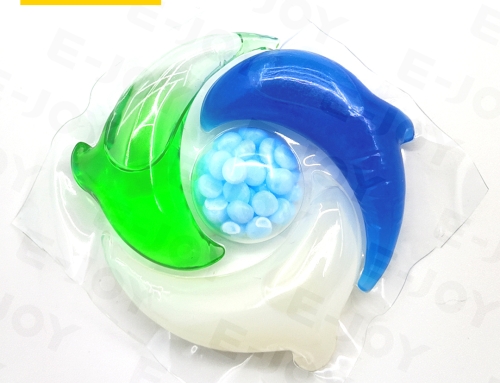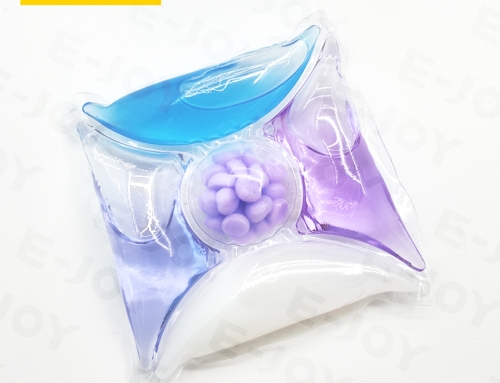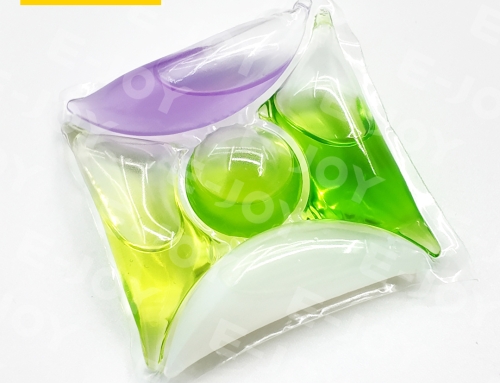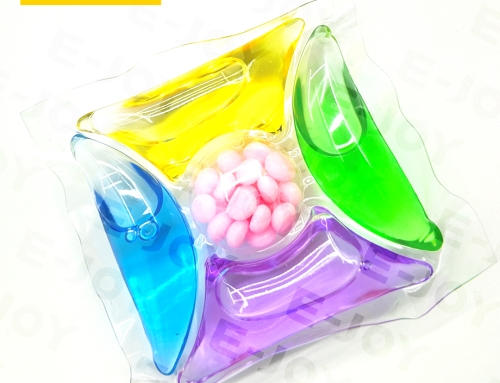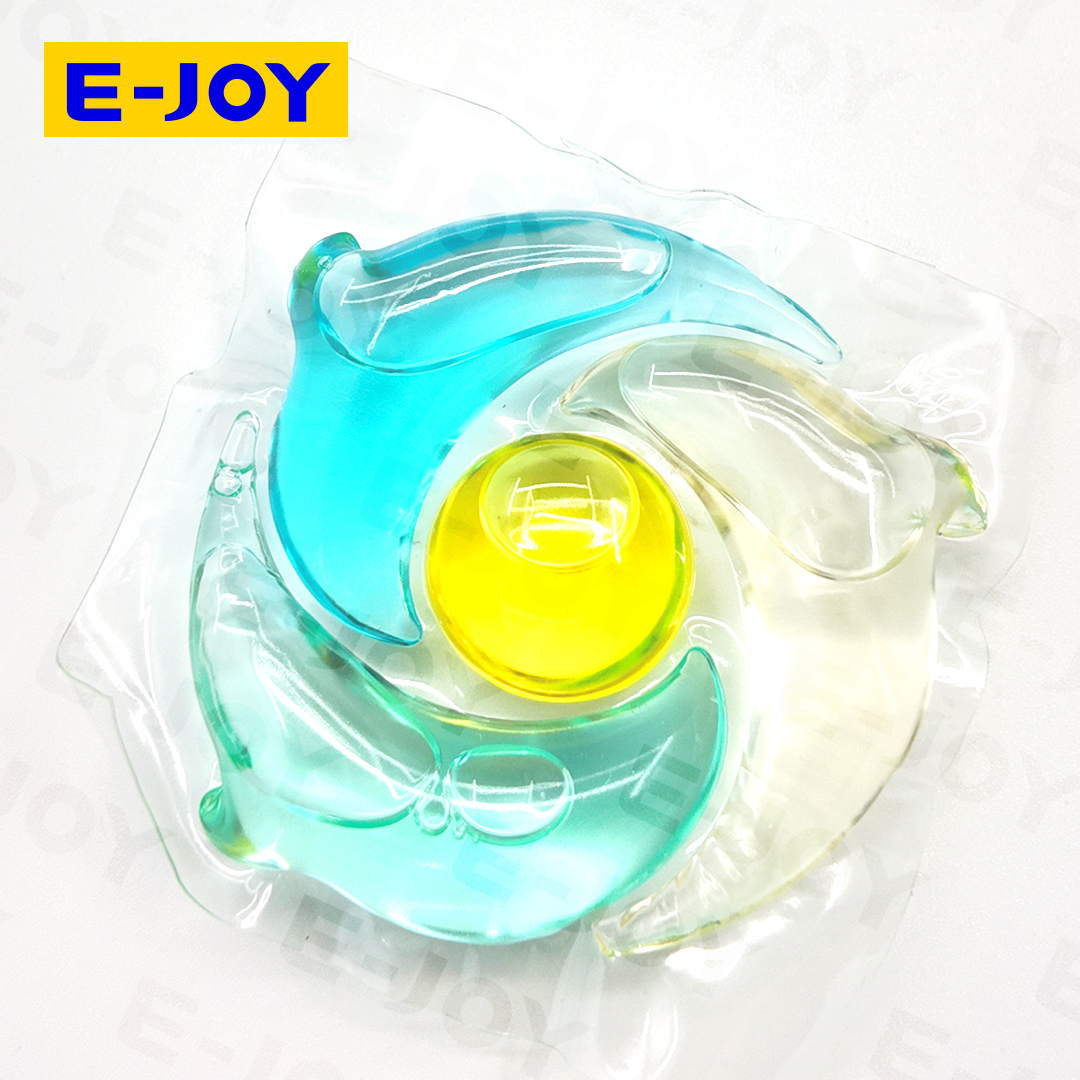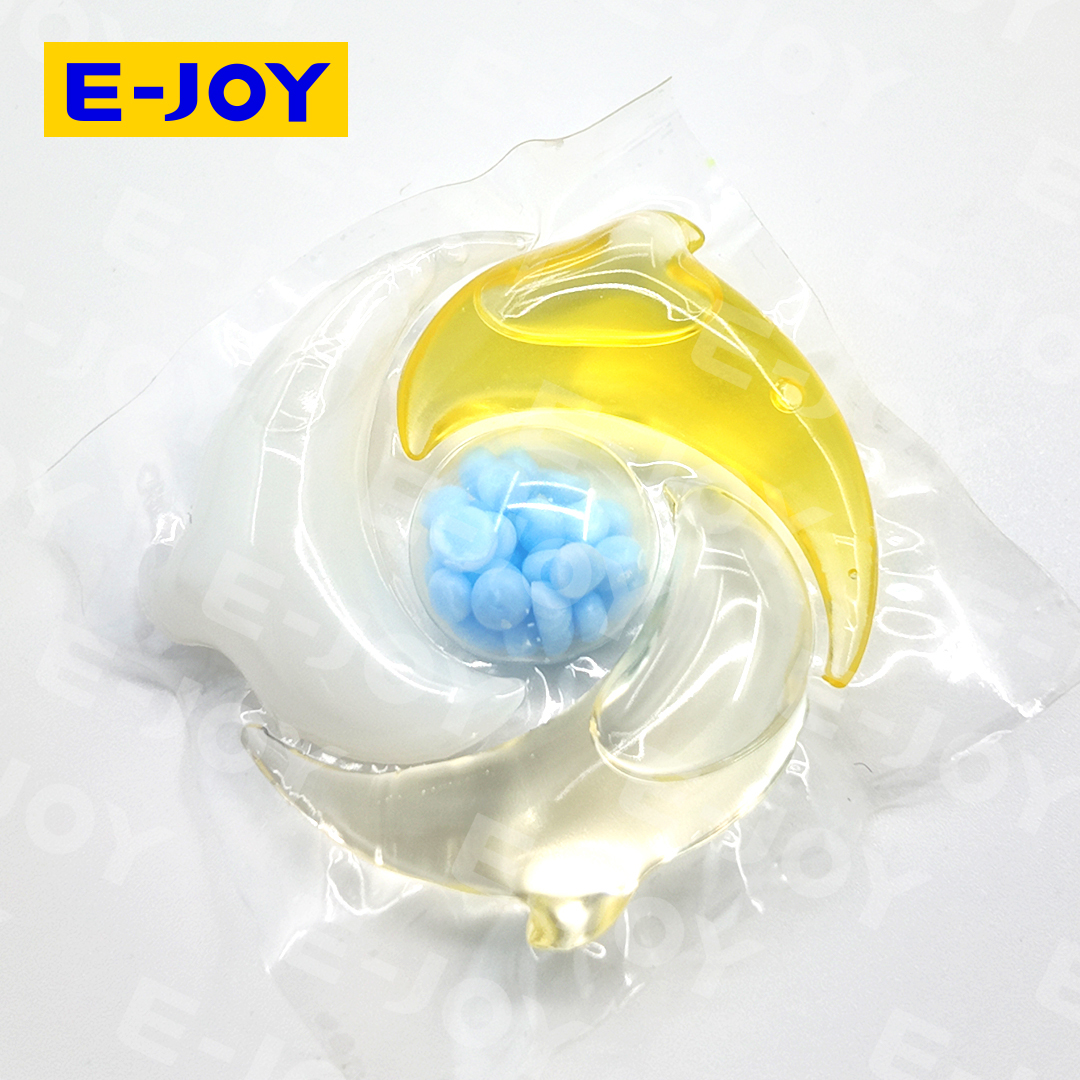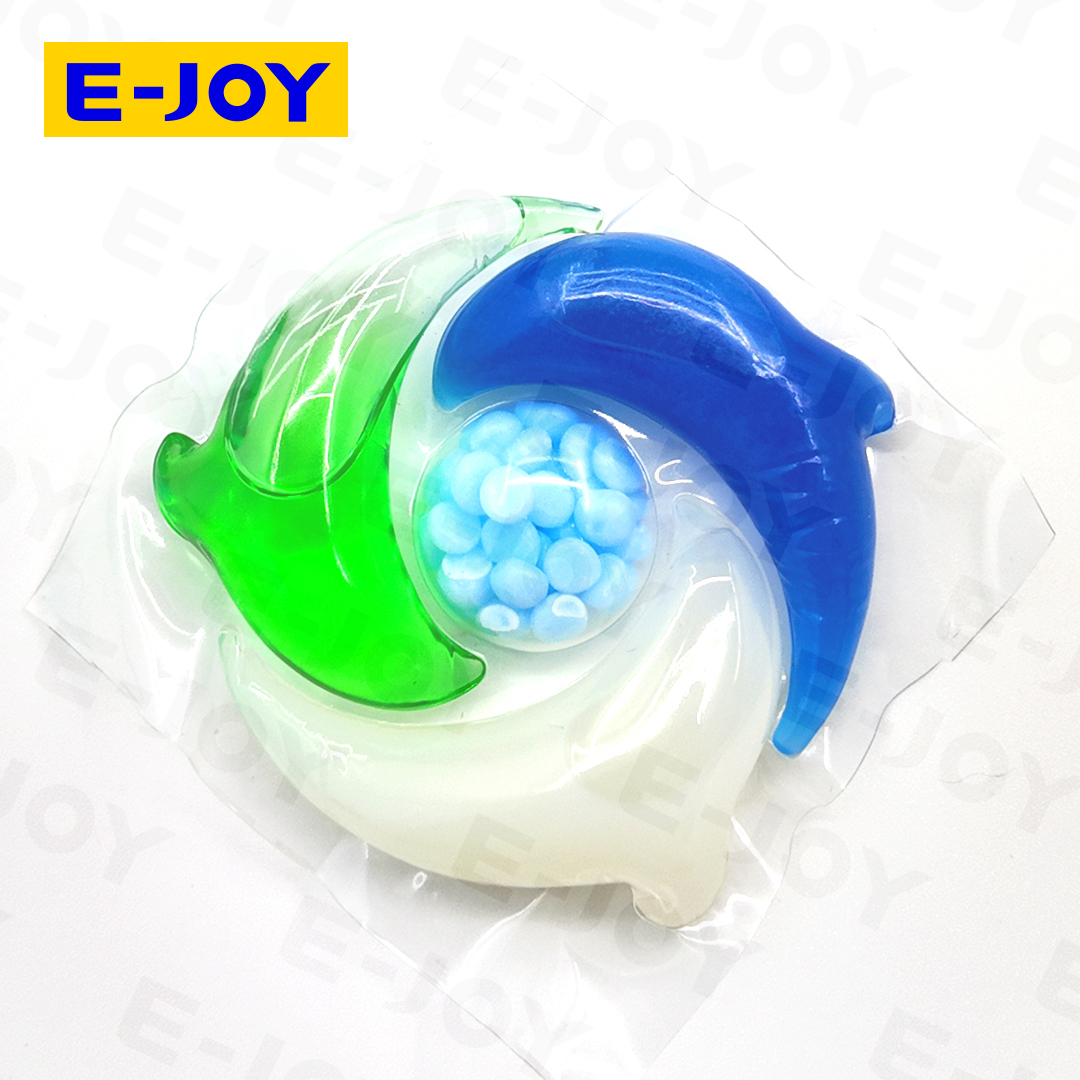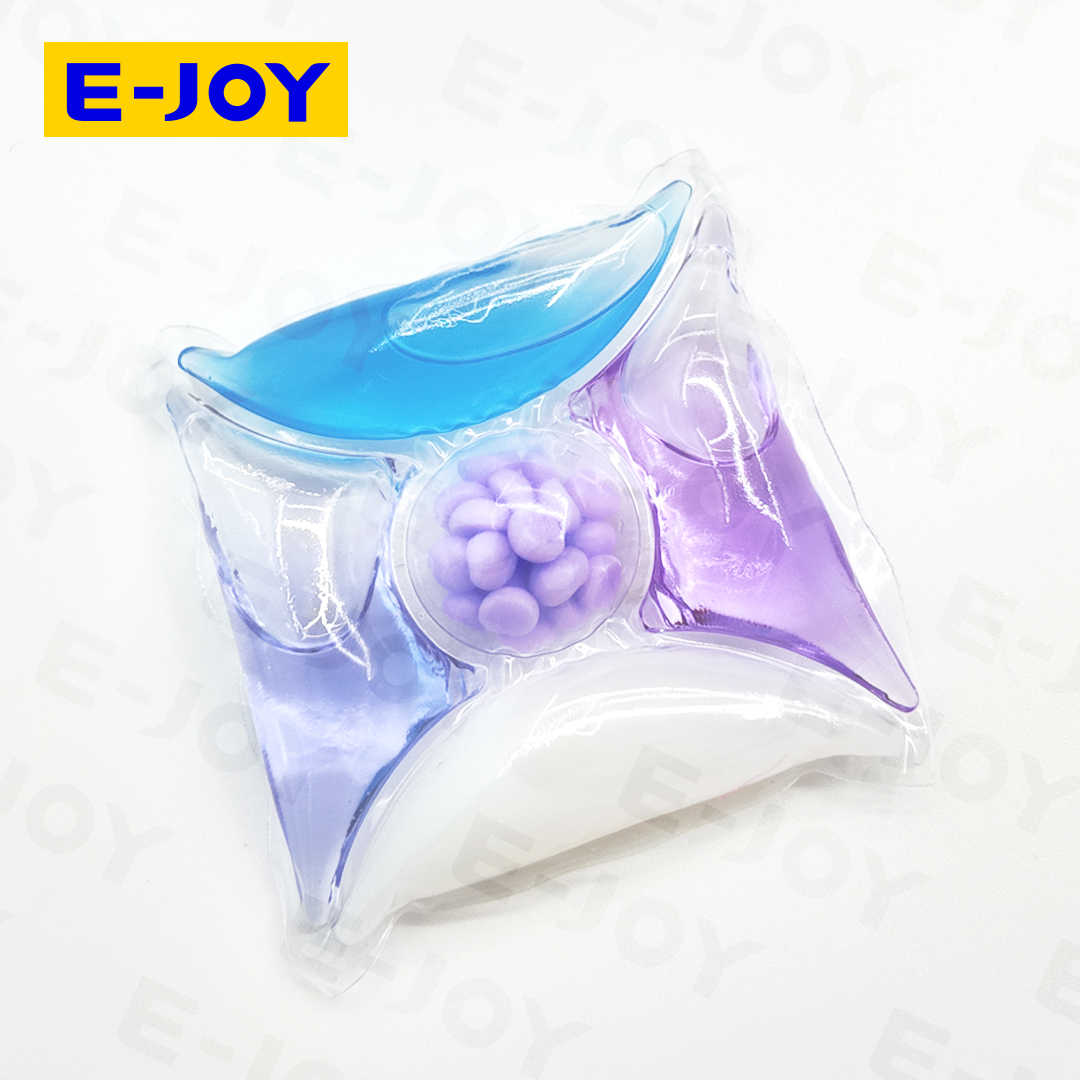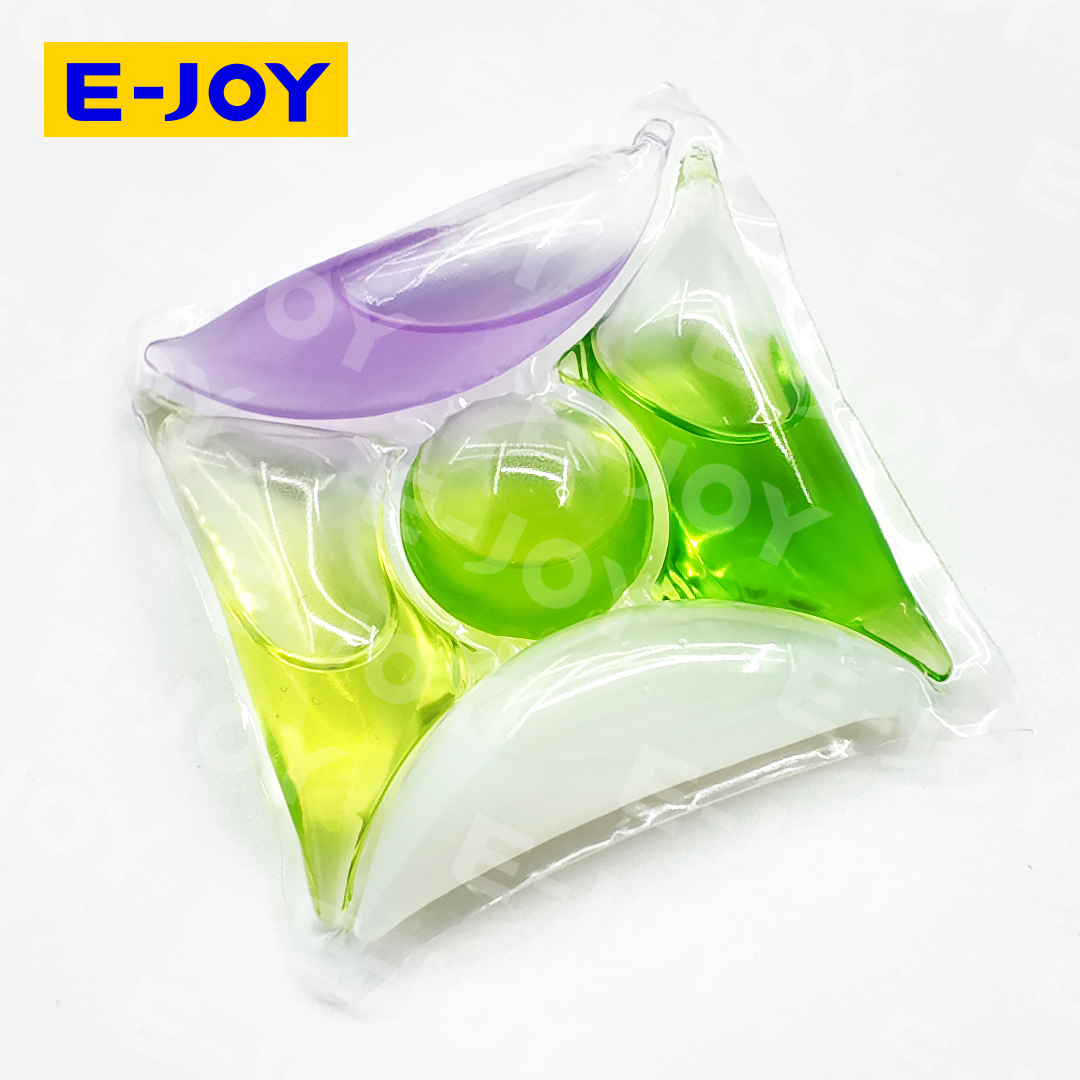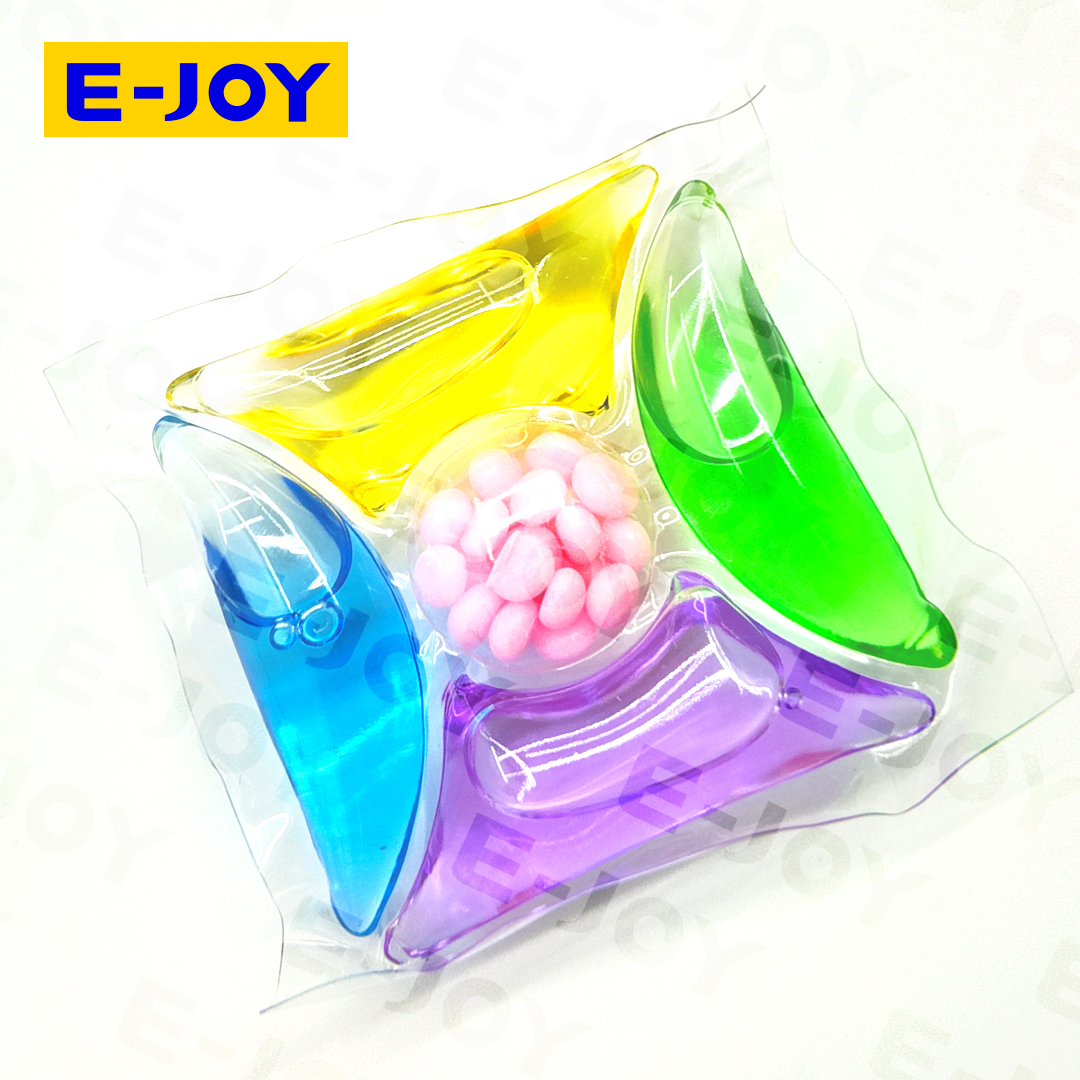

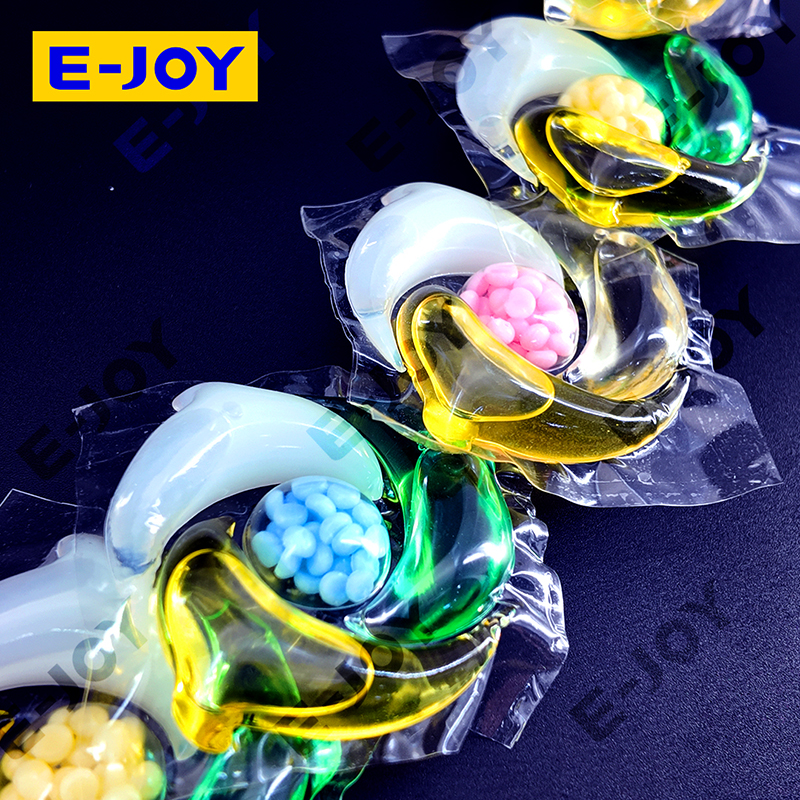
Laundry detergent pods OEM manufacturing involves a series of decisions between the buyer and supplier. First, agree on the product brief. Next, review samples and order details. Then follow the confirmed production and shipment plan.
THE BUYER’S PROJECT MAP
Know the stage.
Know your next decision.
Before production: Close the product and order decisions.
During the order: Track milestones and review changes.
Before shipment: Confirm the agreed checks and release steps.
This article covers the OEM workflow from a buyer’s perspective. It does not describe a specific factory’s technical production method. Ask the supplier to explain any process detail that matters to your project.
For buyers, the practical goal is to keep each decision connected to the correct product version. A clear handover helps the factory team understand what the brand has approved.
01 · DEFINE
Start with a brief the supplier can review
Describe the intended product before asking for a schedule. First, state the target market and sales channel. Also, explain whether you need an existing product option or support with a new brief.
Next, list the proposed scent, pod format, pack count, and order quantity. If a detail remains open, mark it as a question. This lets the supplier separate confirmed needs from ideas.
Then request a feasibility review. Ask which options the supplier can support and which need further discussion. Keep the response with the project brief.
A USEFUL FIRST QUESTION
“Which parts of this brief can you confirm now, and which need sample work or further review?”
02 · REVIEW
Use samples to close specific decisions
Sample approval needs a clear scope. An early sample may help the brand choose a direction. However, it may not represent the final product and pack.
Therefore, identify what each sample shows. Record its code, review date, and any differences from the planned order. Also, state which features the brand accepts.
Next, list the remaining questions. For example, the team may select a scent while artwork remains open. Ask the supplier to confirm what the next approval should cover.
03 · HAND OVER
Prepare the laundry detergent pods OEM manufacturing order
The factory needs a current order record. First, bring the approved product, packaging, and commercial details together. Next, check that the files refer to the same version.
The handover file
- Approved product and sample references
- Quantity for each product and pack version
- Final packaging specification and artwork
- Agreed quality checks and records
- Payment and delivery terms
- Open items and named decision owners
Also, distinguish artwork design approval from the target-market label review. Confirm who handles each task. Do not assume that approval of the layout covers every label requirement.
Finally, ask the supplier to acknowledge the order version. If an item remains open, confirm whether it prevents scheduling.
04 · FOLLOW THE ORDER
Ask for milestone updates
Track agreed milestones rather than vague progress. First, confirm when the schedule starts. Then ask which updates the supplier will provide.
An update should identify the order and the milestone. Also, it should state any issue that needs buyer input. This makes the next action easier to understand.
TOO GENERAL
“The order is in progress.”
MORE USEFUL
“Please confirm the current milestone, any open item, and whether the agreed goods-ready date has changed.”
Also, name the contact who can make time-sensitive decisions. Keep approval messages with the order record rather than relying on separate informal conversations.
05 · MANAGE CHANGES
Review the impact before approving a change
A revised count, scent, or artwork file may affect other order details. Therefore, describe the change and ask the supplier to review its impact.
Next, confirm any effect on cost, materials, samples, and dates. Also, identify which orders will use the new version. Do not treat a proposed change as permission to proceed.
Then issue the approved revision through the agreed contact. Both teams should know which file replaces the previous version.
06 · CONFIRM RELEASE
Close the order checks before shipment
Release should follow the agreed order requirements. First, review the inspection records and packing details that the supplier has agreed to provide. Next, confirm any open findings.
If an issue needs action, record the finding and proposed response. Ask whether a further check is necessary. Then confirm who can authorize release.
Also, check shipment quantities, case identification, and required documents. Coordinate collection or delivery under the agreed terms.
Goods ready ≠ goods received
The factory completion date and warehouse arrival date are separate milestones. Therefore, keep transport and receiving arrangements in the plan.
Questions from OEM buyers
Does the same workflow apply to every factory?
No. The steps, contacts, and approval points may differ. Use this guide to prepare questions, then confirm the supplier’s actual workflow.
When should buyers request technical process details?
Raise the request during supplier review if those details matter to your project. Explain what you need to assess. Then ask which documents or discussions the supplier can offer.
Can a repeat order use the previous approval?
Previous references may support the new order. However, confirm whether the product, packaging, or requirements have changed. Also, obtain current schedule confirmation.
BUILD YOUR PROJECT MAP
Discuss your OEM order requirements
To discuss laundry detergent pods OEM manufacturing, send your brief through the E-JOY contact page. Include your product needs, proposed pack format, quantities, and target dates.
For company and product information, visit the E-JOY website. You can also browse the E-JOY Alibaba storefront for product references.
Then ask the team to confirm the available support, approval stages, and order coordination process for your project.