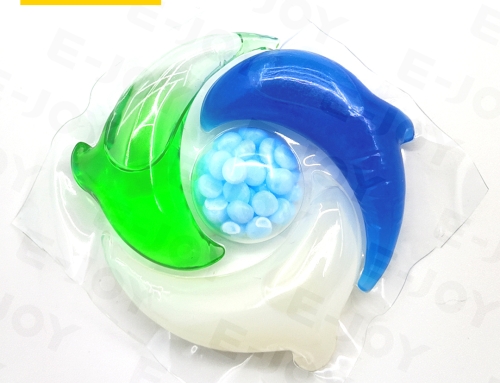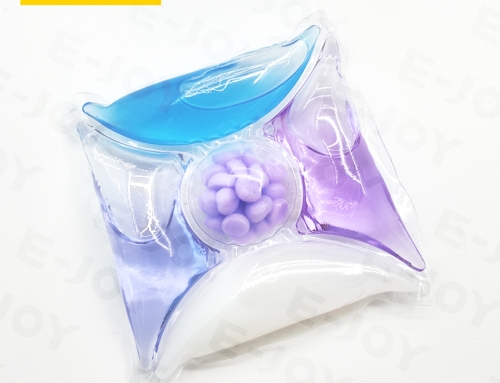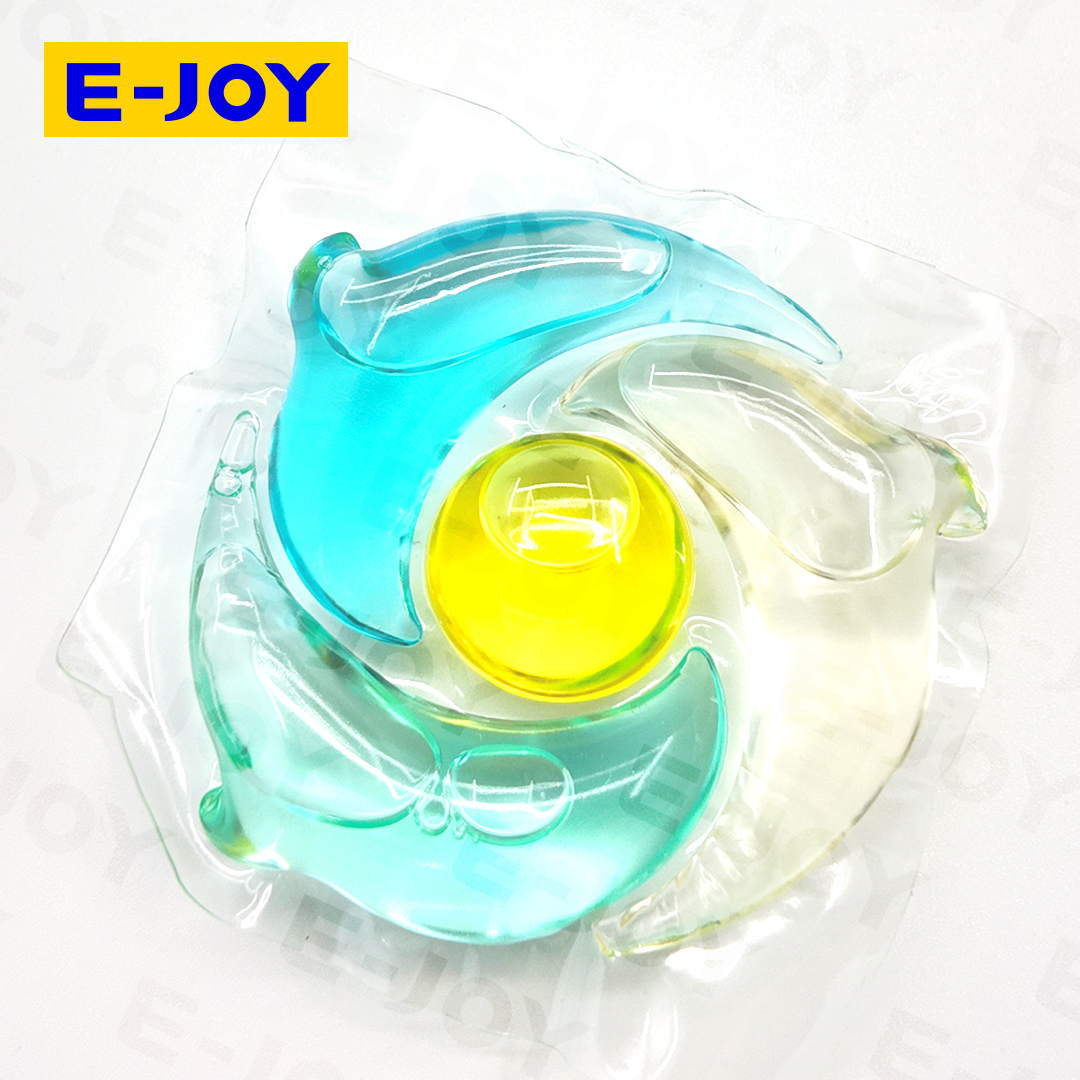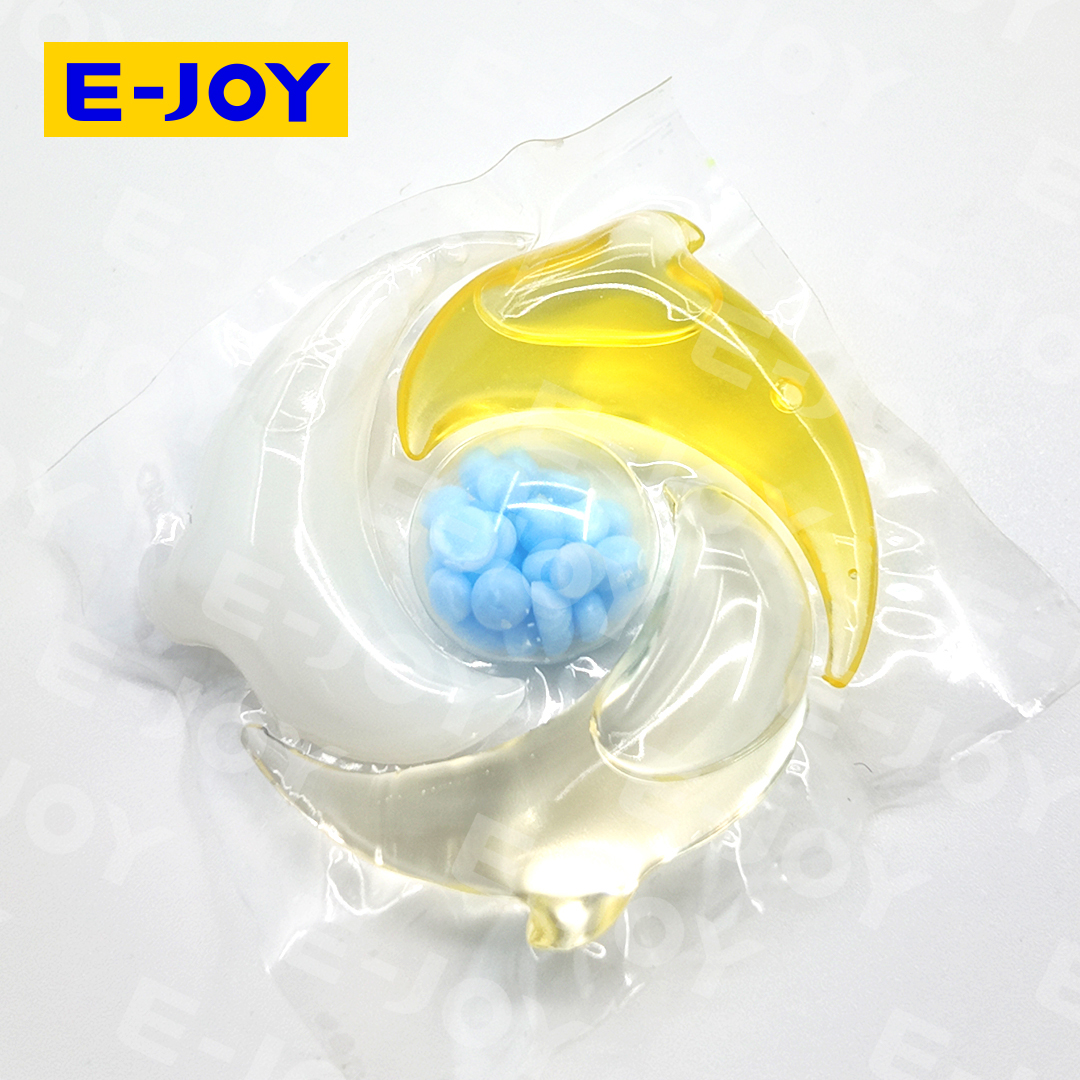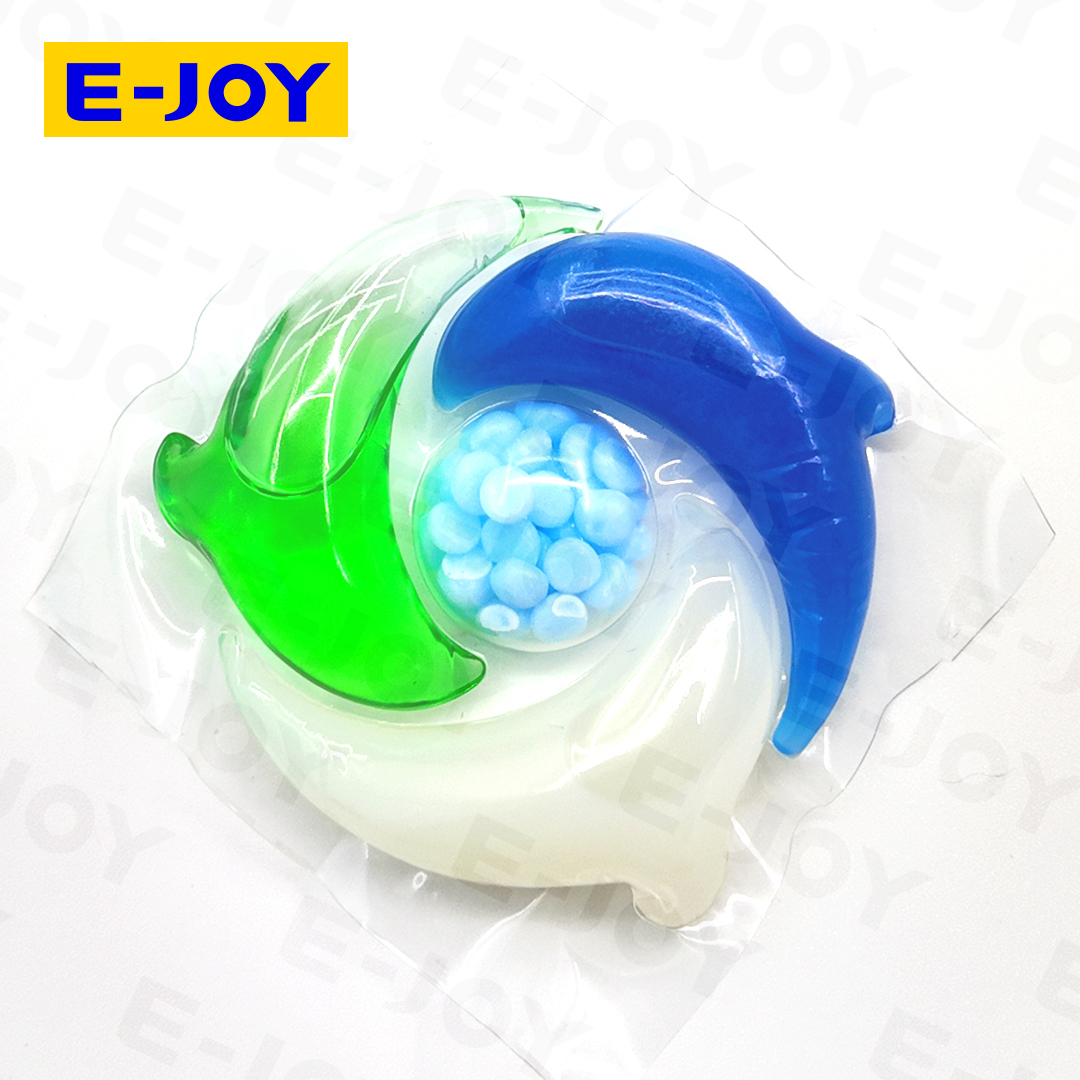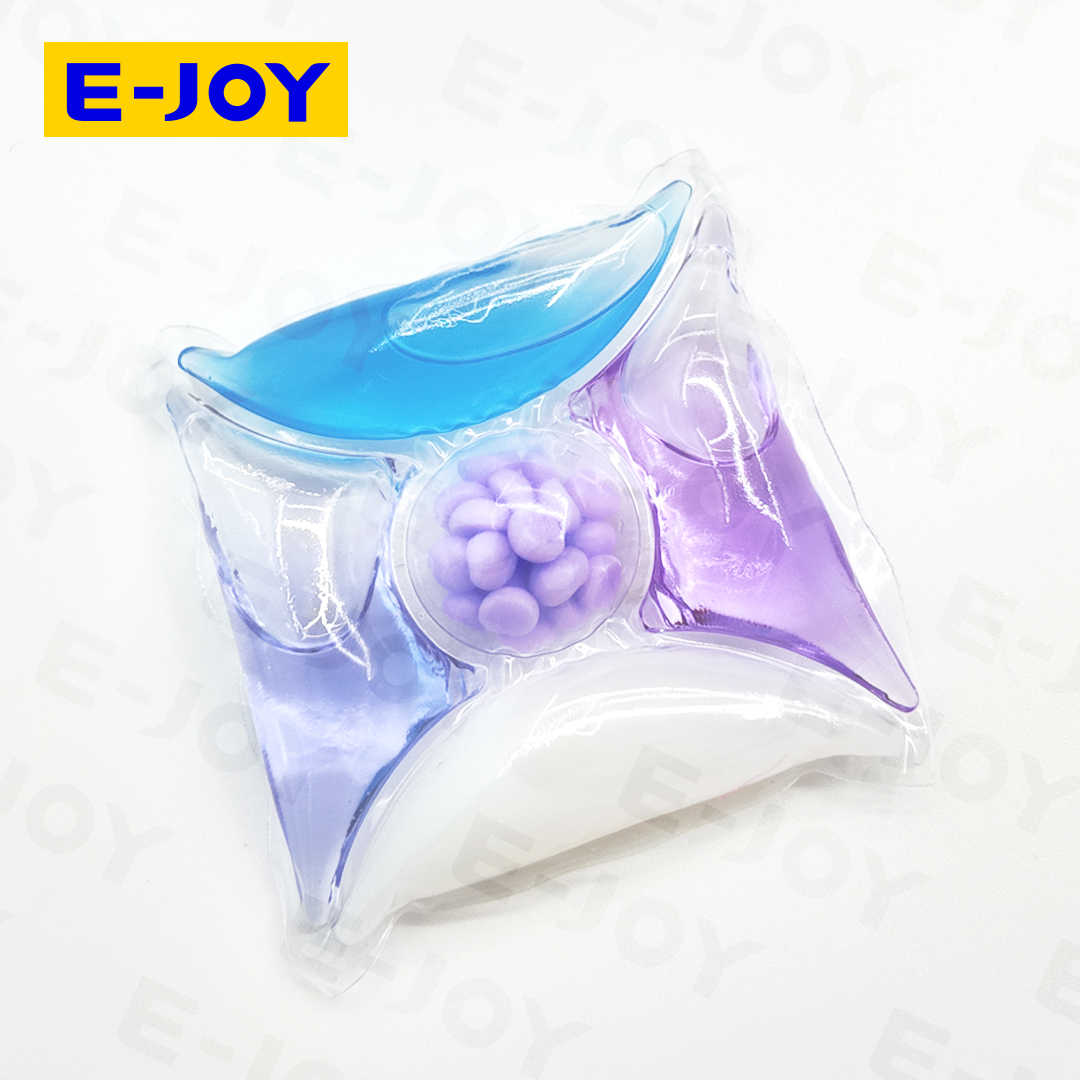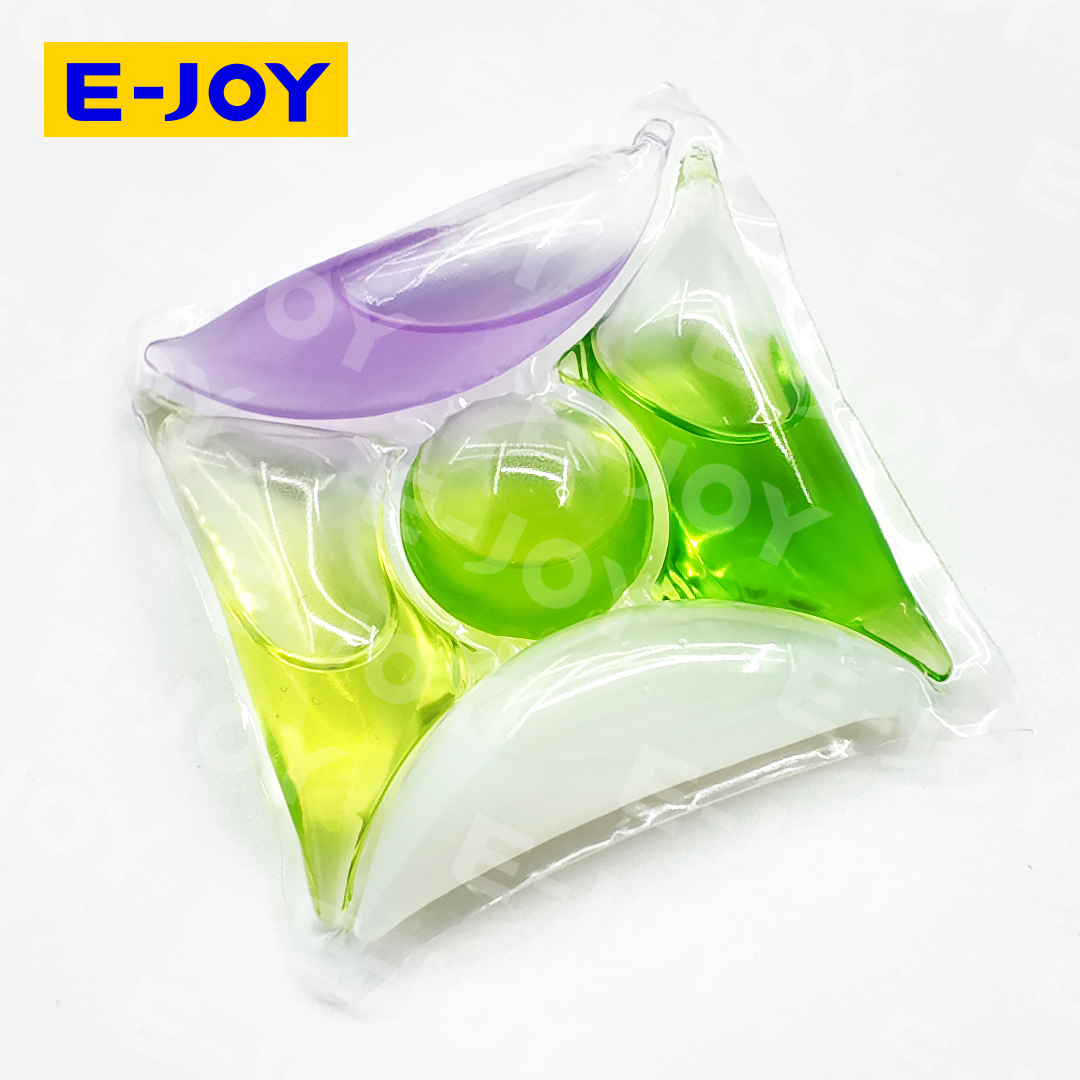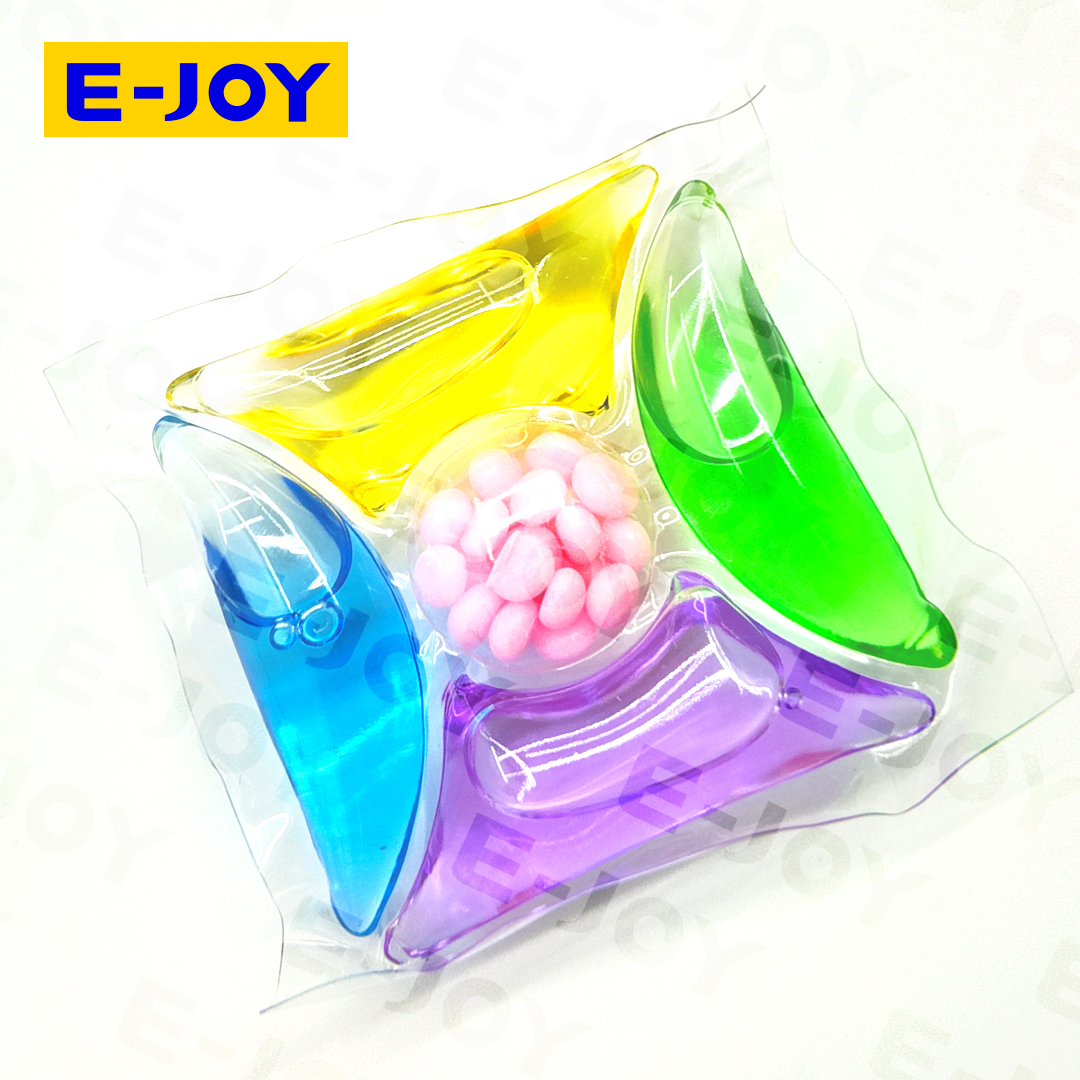


Laundry detergent pods custom pack sizes help retail brands shape a product range around different buying needs. First, define the role of each pack. Then compare the pod count, retail price, and space it needs on the shelf.
RETAIL RANGE NOTEBOOK
Give every pack
a reason to exist.
01 Who is it for?
02 How does it fit the range?
03 Can the supplier support it?
Pack size can mean two things: the number of pods inside and the physical size of the pack. These details are related, but they are not the same. Therefore, state both when preparing a supplier brief.
This guide explores retail planning options. It does not confirm available counts or packaging formats. Ask the supplier to review each proposed version before adding it to your launch plan.
01 · THE RANGE
Start with the role of each pack
Choose the purpose before the count. A smaller pack may support a first purchase. A regular pack may form the core range. Meanwhile, a larger pack may suit a different buying occasion.
However, these roles need support from your own market brief. Do not assume that a smaller pack will attract new buyers or that a larger pack will sell better. Review retailer input and customer feedback.
Next, ask whether each proposed size adds a clear choice. Two similar counts may create extra stock lines without a useful difference for shoppers.
ENTRY PACK
A proposed format for shoppers who want to try the product with a smaller initial purchase.
CORE PACK
The main retail format around which the brand plans its regular range.
LARGER PACK
An option to assess for shoppers who prefer a higher quantity per purchase.
02 · COUNTS & DOSES
Laundry detergent pods custom pack sizes: count clearly
A pod count does not automatically equal a wash count. First, confirm the product’s dosing directions. Then check how the brand will describe the number of washes.
For example, the recommended dose may depend on the stated load conditions. Therefore, base any wash-count claim on the confirmed directions. Avoid treating every pod as one wash without that basis.
Also, keep the count clear across the pack, product listing, and order record. A retailer should not need to guess whether a number refers to pods, washes, or retail units.
03 · THE PRICE LADDER
Compare the shelf price and the unit price
A shelf price shows the amount a shopper pays for one pack. In contrast, a unit price helps compare quantities. Review both when building a range.
First, compare the same product version. Next, divide the pack price by its pod count to calculate price per pod. Also, use a consistent price basis when comparing promotions or tax-inclusive prices.
PLANNING EXAMPLE · NOT A QUOTATION
Pack A: 20 pods at 6.00 currency units = 0.30 per pod.
Pack B: 40 pods at 11.20 currency units = 0.28 per pod.
In this example, Pack B has a lower price per pod. However, the shopper pays more at the time of purchase.
A price-per-wash comparison needs an additional step: use the confirmed dose. A lower price per pod alone does not establish a lower cost per wash.
04 · THE PHYSICAL PACK
Check the pack, not just the number
A new count may need a different pack. Ask the supplier to review product fit, packaging suitability, and the available format. Do not assume that the same container suits every count.
Next, assess a physical sample where practical. Review how the pack sits on the shelf and how clearly it displays the count. Also, check the space available for directions and other required information.
For online sales, review the outer shipping arrangement too. Retail presentation and parcel delivery pose different questions. Confirm which assessments the project needs.
Keep packaging requirements in the decision
Review the proposed packaging and label for the intended product and destination market. Confirm applicable closure, warning, and other requirements with the responsible reviewer before approval.
05 · FACTORY COORDINATION
Give the factory a clear pack-size brief
First, separate product choices from pack choices. State whether the proposed sizes use the same pod reference and scent. Then list the count and quantity for each retail version.
Next, ask the supplier to confirm which counts and formats it can support. Also, check whether each version has separate packaging minimums or artwork requirements.
Include these details in the brief
- Product and scent reference
- Requested pod count per pack
- Preferred packaging format
- Estimated retail-pack quantity
- Shelf or display limits
- Retail packs per shipping case
- Destination market and artwork needs
Finally, ask what changes when the count changes. The supplier may need to review packaging, case quantities, or quoted costs. Confirm the outcome rather than assuming that only the label needs an update.
06 · RANGE CLARITY
Make different sizes easy to recognize
Keep the brand identity consistent across the range. However, make each count easy to find. A shopper should not need to study two similar packs to understand the difference.
Also, give each retail version a clear stock reference. Confirm the appropriate product identifiers with your retailer or responsible team. Keep those references aligned with the artwork and order files.
After launch, track results by pack size. Review sales, repeat orders, and retailer feedback together. Then decide whether to keep, adjust, or remove a version.
Questions from retail brands
Can a brand request any pod count?
A brand can propose a count. However, the supplier must review feasibility, packaging fit, and order terms. Confirm the available options before finalizing artwork.
Does a larger pack always cost less per pod?
No. Packaging, quantities, and commercial terms can affect the comparison. Therefore, calculate the unit price from the actual quote or planned retail price.
Can several pack sizes use the same product?
That may be an option. Ask the supplier to confirm the product reference for each size. Also, review packaging, artwork, and stock identification separately.
How many sizes should a new range include?
Use the range that your channel and demand plan can support. Start with a clear role for each size. Then use market feedback to assess whether another version adds value.
PLAN YOUR RETAIL RANGE
Discuss your proposed pack sizes
To discuss laundry detergent pods custom pack sizes, send your brief through the E-JOY contact page. Include the requested counts, packaging preferences, target channel, and estimated quantities.
For company and product information, visit the E-JOY website. You can also browse the E-JOY Alibaba storefront for product references.
Then ask the team to confirm available formats, sample arrangements, and order requirements for each proposed size.