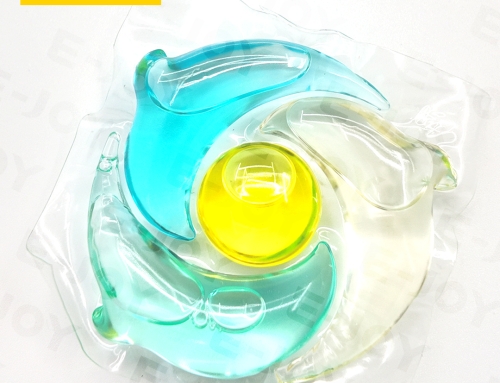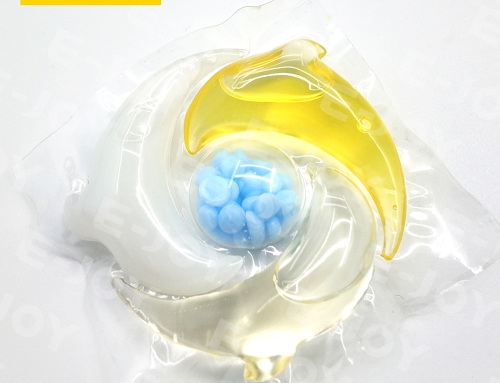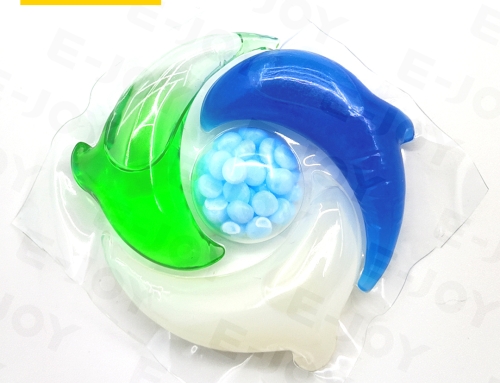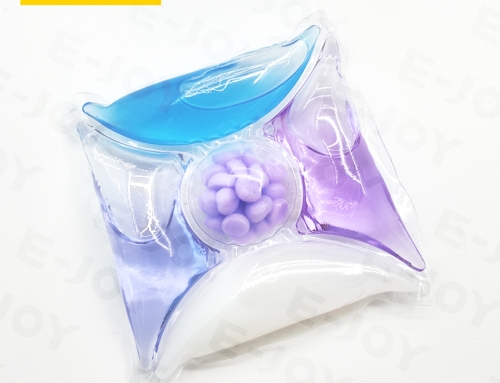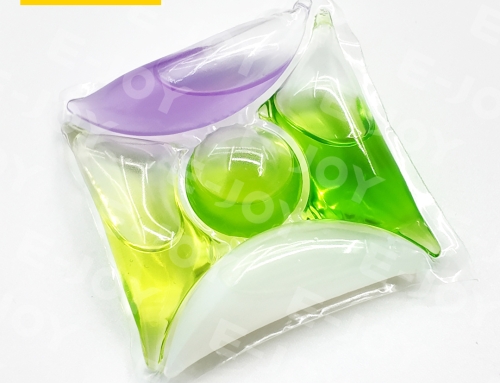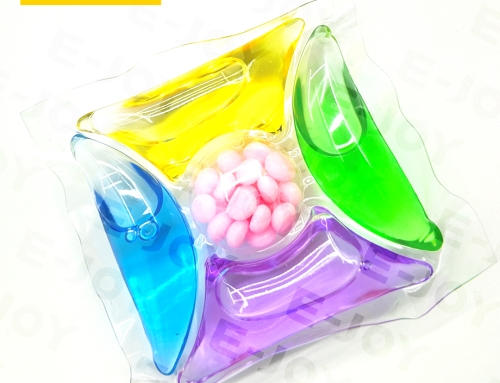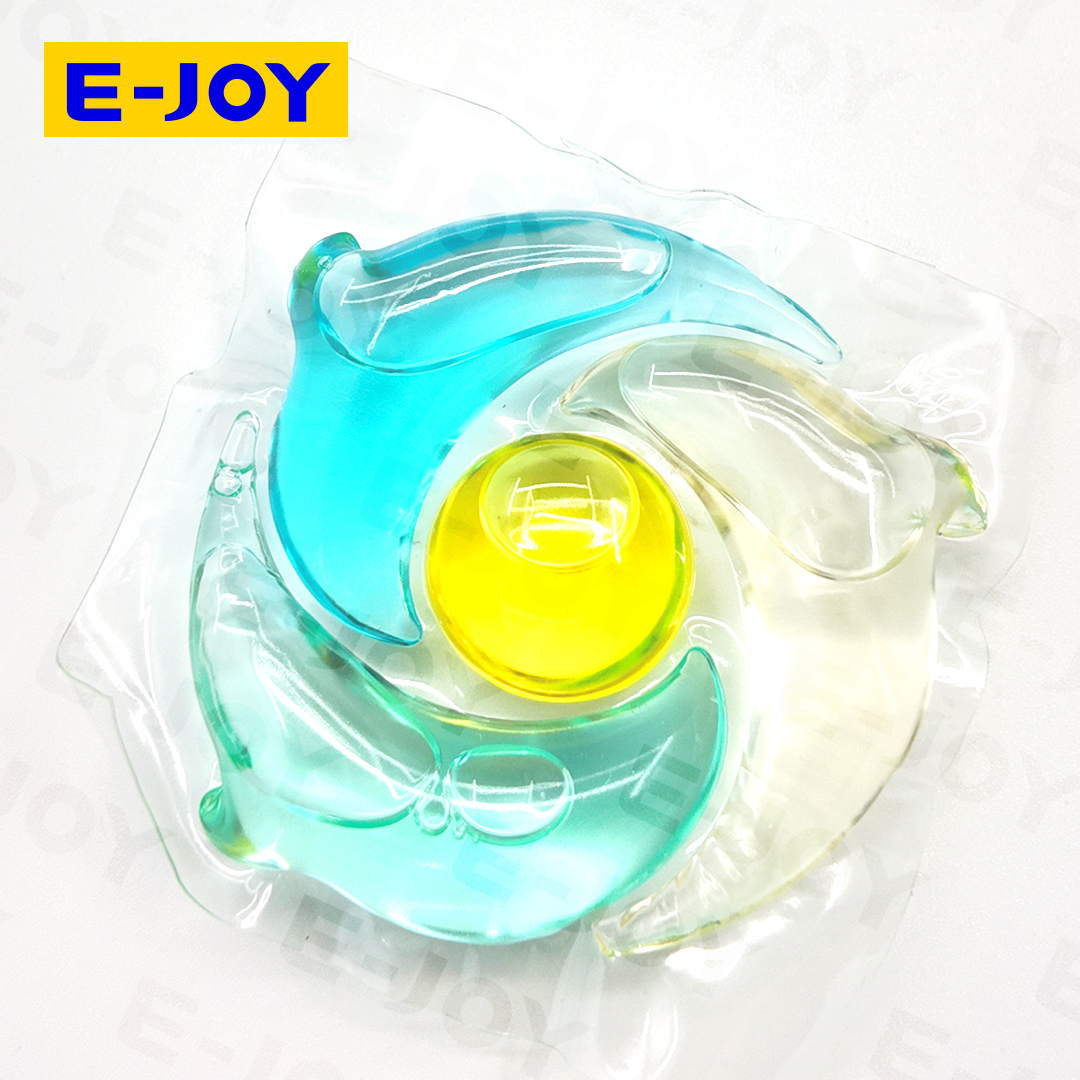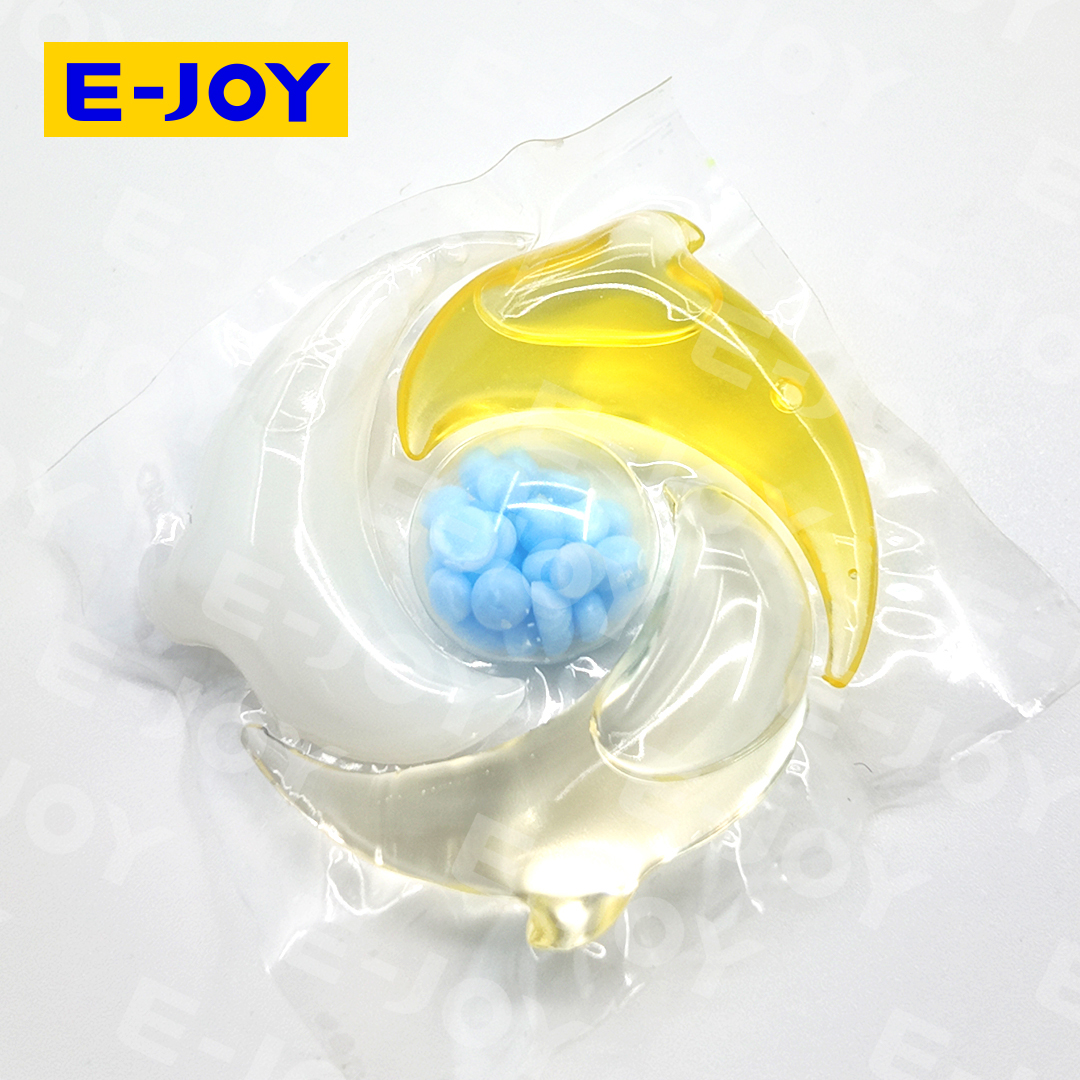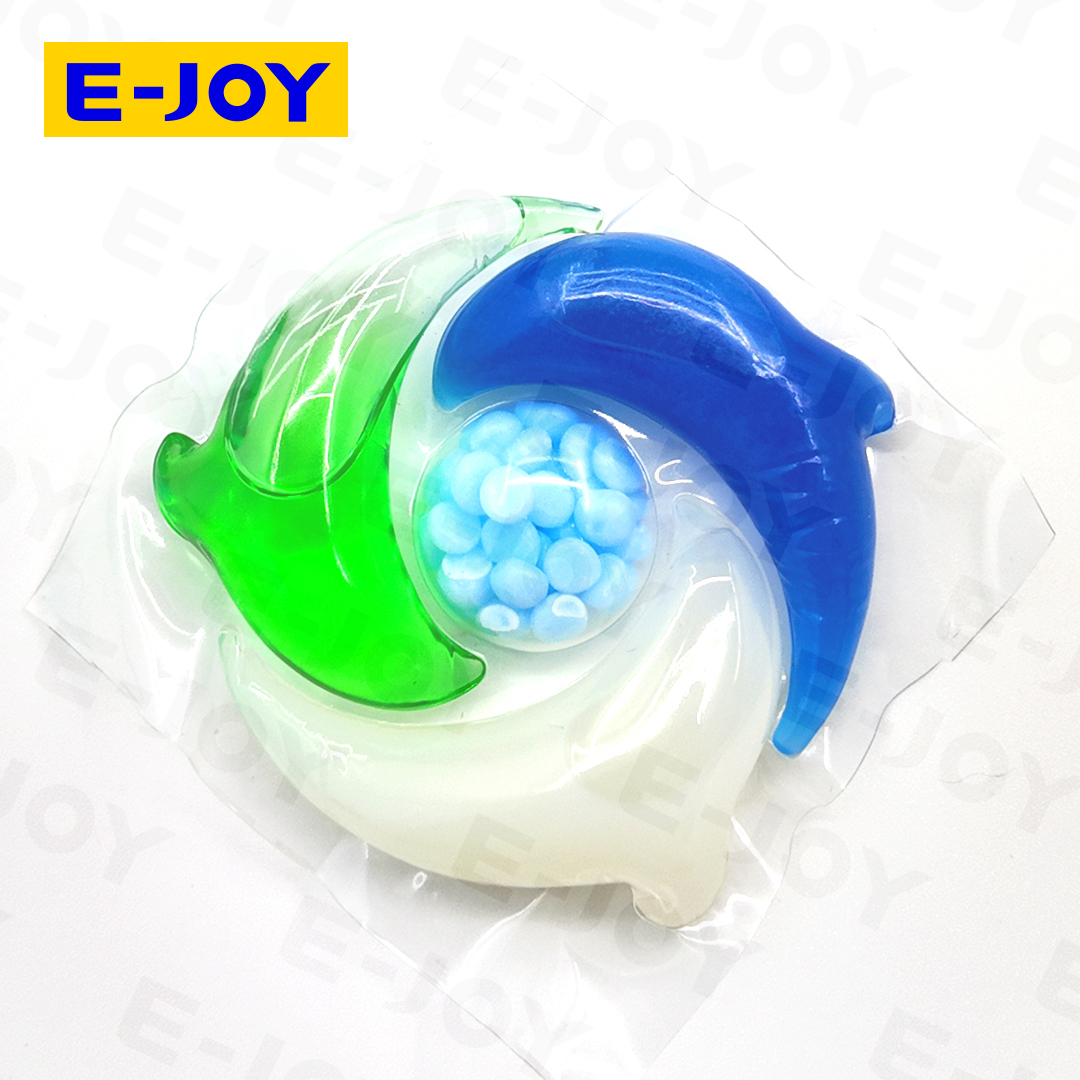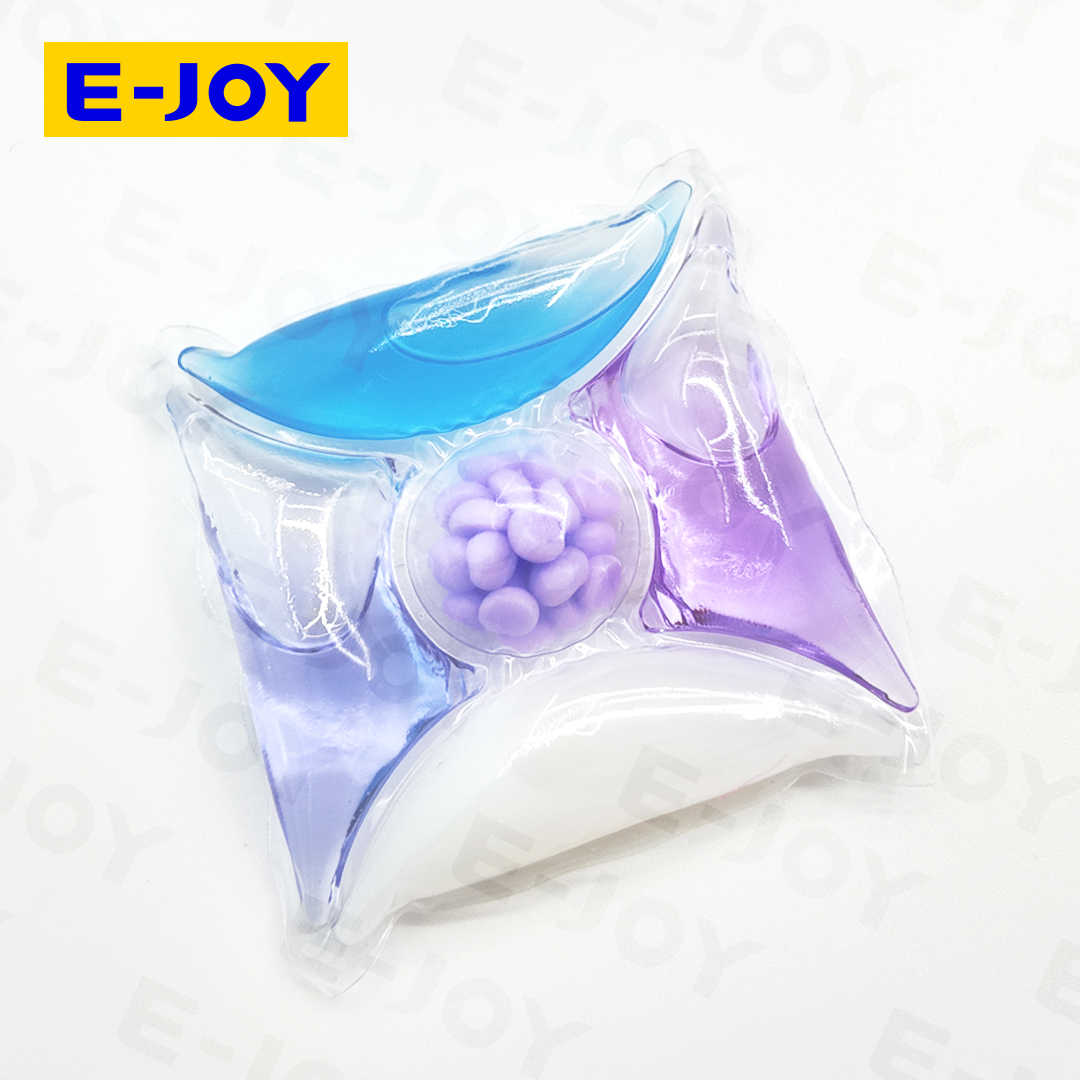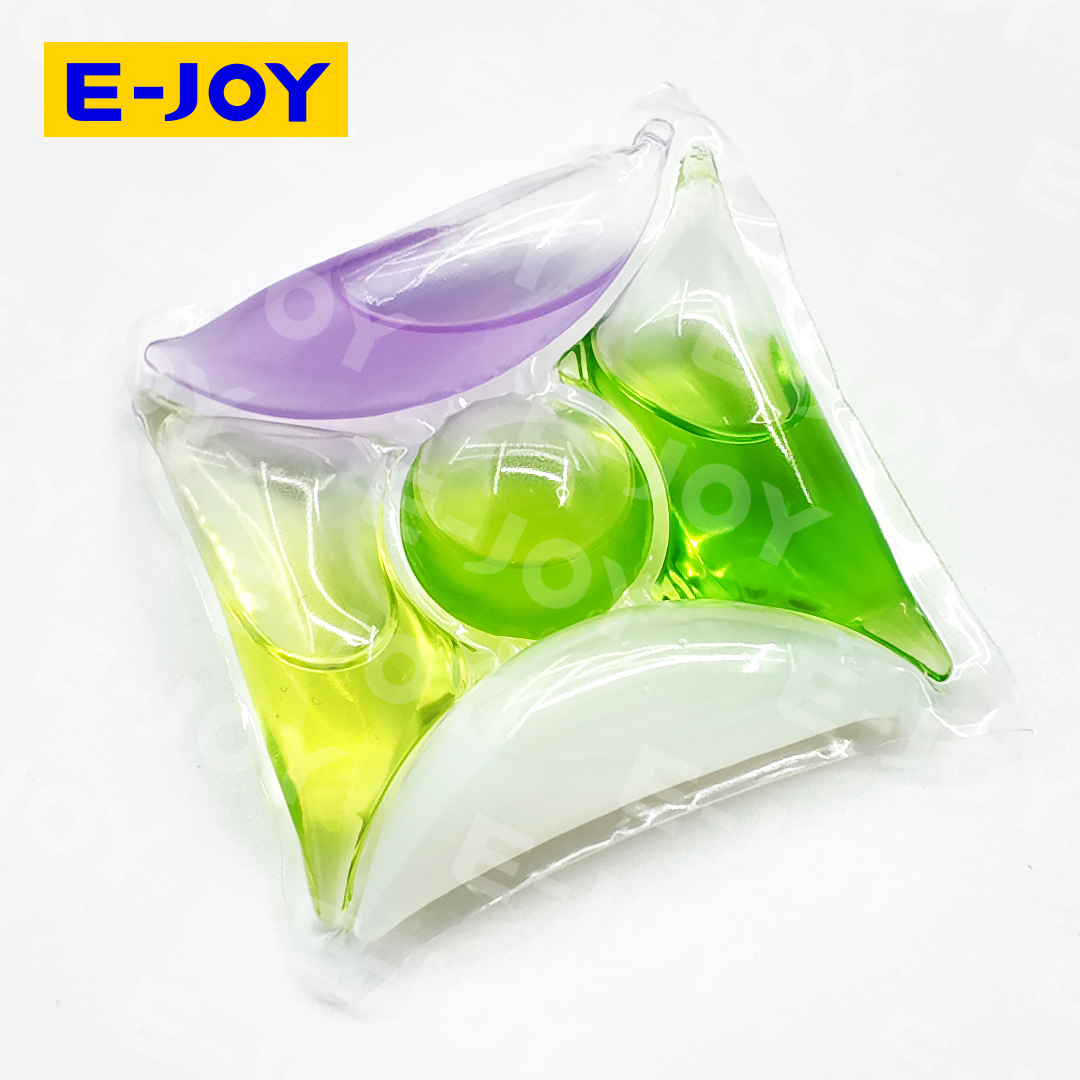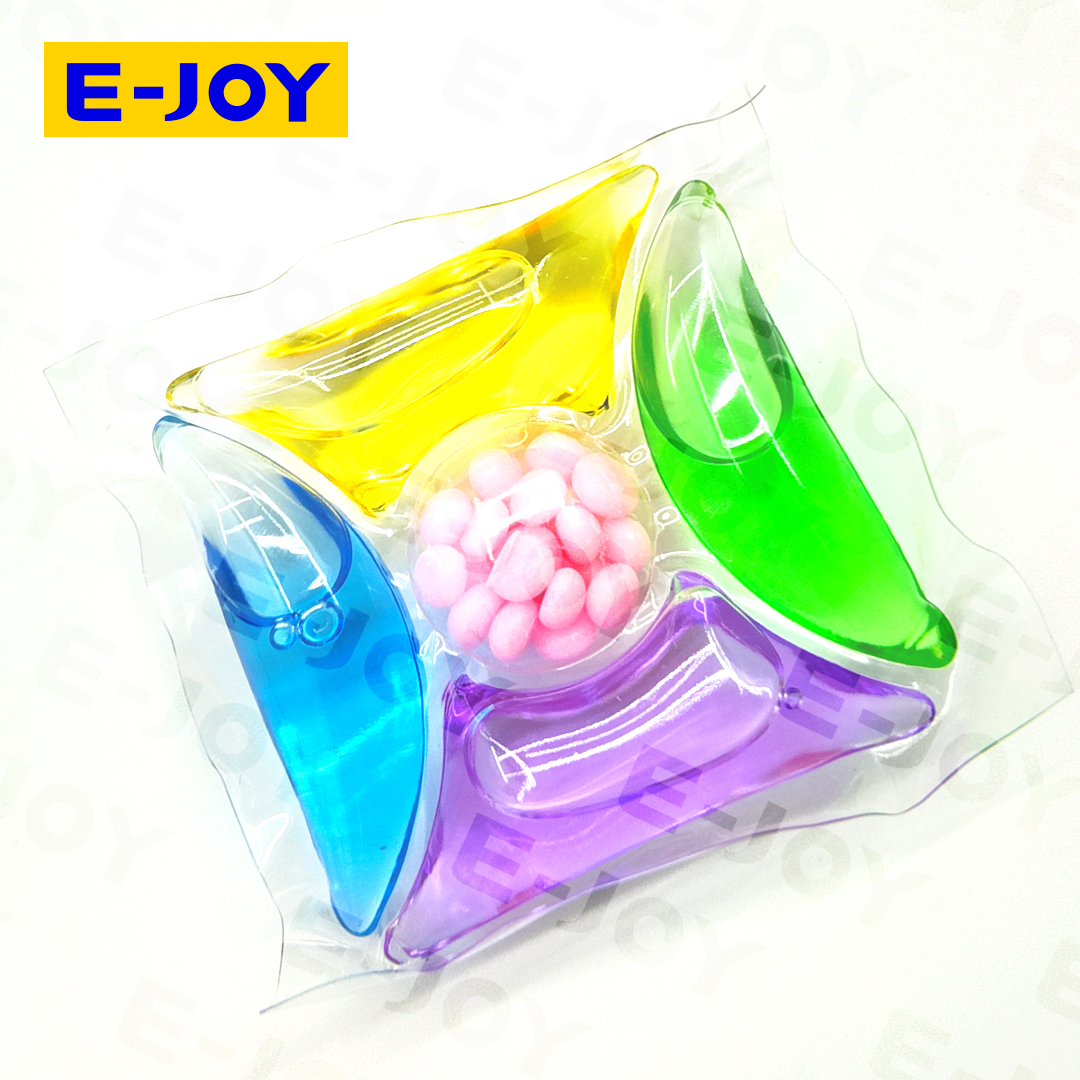

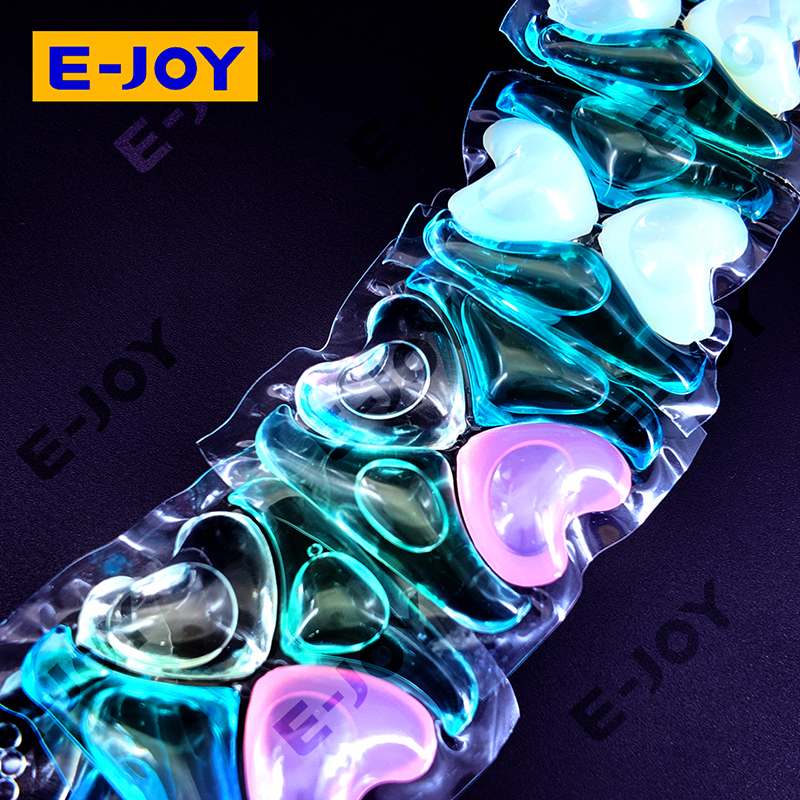
Laundry detergent pods OEM samples help brands compare product options before placing an order. First, define the choice you need to make. Then use each sample to answer a clear question.
THE ARTICLE AT A GLANCE
Choose with a purpose.
Review with a plan.
A useful sample review answers three questions:
01 What are we choosing?
02 How will we compare it?
03 What happens next?
Perhaps the scent fits your brief, but the pack still needs work. These are separate decisions. Therefore, record what each sample review covers and what remains open.
This guide explains how to organize the review and turn feedback into clear next steps. However, available samples and development services depend on the supplier. Confirm the scope before starting.
01 · SET THE QUESTION
Start with the choice you need to make
Give each sample one main purpose. First, decide whether you are reviewing scent, product format, or packaging. Then ask the supplier for samples that suit that question.
Also, explain where the product fits in your brand range. Is it a first launch or an addition to an existing line? Share the target customer and sales channel as well.
Next, provide useful references. These may include an existing product or a short brand brief. The supplier can then explain which sample options match your needs.
TRY A MORE FOCUSED REQUEST
“Please suggest available samples that could help us compare scent directions for this product brief.”
02 · KNOW THE SAMPLE
Identify your laundry detergent pods OEM samples
Know what each sample represents. An existing sample may show a general product direction. However, it may differ from your planned scent, pod format, or retail pack.
Therefore, ask the supplier to explain those differences. Also, assign each sample a reference code. Keep the code with the notes and photos so both teams can follow the same version.
Keep these four details together
- Sample code and version
- Purpose of the review
- Differences from the proposed product
- Decisions that remain open
A product sample and a packaging mock-up serve different purposes. For example, a mock-up may show layout without using final materials. Confirm the scope of each review before approving it.
Finally, check the sample terms. Ask about fees, preparation time, shipping costs, and revisions. Do not assume that every request follows the same process.
03 · MAKE A FAIR COMPARISON
Change less. Learn more.
Focus on one main difference where practical. Two samples may differ in both scent and product version. If the team prefers one, the reason may remain unclear.
Therefore, ask whether the supplier can keep other details consistent. For a scent review, this may mean using the same base product. Also, record any differences that remain.
Neutral codes may help with a product-only comparison. In contrast, a full brand concept review should include the planned presentation. Choose the approach that fits the question.
Finally, use consistent review conditions. If a condition changes, record it. This gives the team context when it compares the findings.
04 · SEPARATE THE FINDINGS
Keep preference and performance separate
Liking a scent does not prove cleaning performance. Therefore, keep sensory feedback and wash results in separate parts of the review.
Scent: what did the team notice?
First, state the review stage. For example, a comment on dry fabric differs from a comment on the product before use. Also, separate scent character from perceived strength.
Wash results: what did the assessment show?
Follow the confirmed product directions. Next, record the dose, fabric load, and wash settings. Agree on a suitable assessment method before using results to support a claim.
Also, distinguish internal feedback from customer research. A small staff panel can guide early choices. However, it does not establish what a whole market prefers.
Include sample handling in the plan
Request clear identification and handling directions. Also, follow the supplier’s storage guidance and keep pods away from children. Avoid distributing loose, unlabelled pods for informal reviews.
05 · WRITE USEFUL FEEDBACK
Give the supplier a clear next action
Describe the finding before requesting a change. First, name the sample and feature under review. Next, explain what the team observed. Then state what you want the supplier to assess.
A comment such as “the scent is not right” leaves too much open. Instead, explain the difference from the agreed reference. Also, state when and how the team reviewed it.
TOO BROAD
“We prefer Sample B. Please improve it.”
MORE USEFUL
“We prefer Sample B’s scent character after the agreed wash review. Please confirm which revision options are available while keeping that direction.”
Then record any open points separately. For example, the team may prefer a product direction while the pack format still needs review.
06 · PLAN THE NEXT ROUND
Keep the good parts. Resolve the open points.
Give each revision a clear scope. For laundry detergent pods OEM samples, link the request to the correct sample code. Also, identify which features should stay unchanged.
Next, ask the supplier’s development team what the new sample will cover. A revision should answer a named question rather than simply add more options.
After the review, choose a direction, request a focused change, or stop an option. Finally, record the next decision owner and confirm any new costs or timing.
Selected ≠ fully approved
The team may select a scent while packaging remains open. Therefore, state what the selection covers. Before ordering, link the final sample reference to the written product specification.
Also, confirm any differences between the selected sample and the proposed finished goods. Both teams should understand the same final product version.
Questions before you begin
How many samples should we request?
Start with the review objective and participant needs. Then ask the supplier to confirm a suitable quantity and the sample terms.
Can we begin with an existing product sample?
It may provide a useful reference. However, ask how it differs from your brief. Record those differences before using it as a development target.
Should reviewers see the brand design?
For a product-only comparison, neutral codes may help. In contrast, a full concept review should include the planned presentation. Match the setup to the review question.
When should we request another sample round?
Request another round when you have a clear question for it to answer. Also, confirm the requested change, costs, and timing before the supplier proceeds.
YOUR NEXT DEVELOPMENT STEP
Share the question behind your product idea
To discuss laundry detergent pods OEM samples, send your brief through the E-JOY contact page. Explain the brand direction, the choices under review, and any references you already use.
For company and product information, visit the E-JOY website. You can also browse the E-JOY Alibaba storefront for product references.
Then ask the team to confirm available sample options, preparation time, costs, and the next review step.