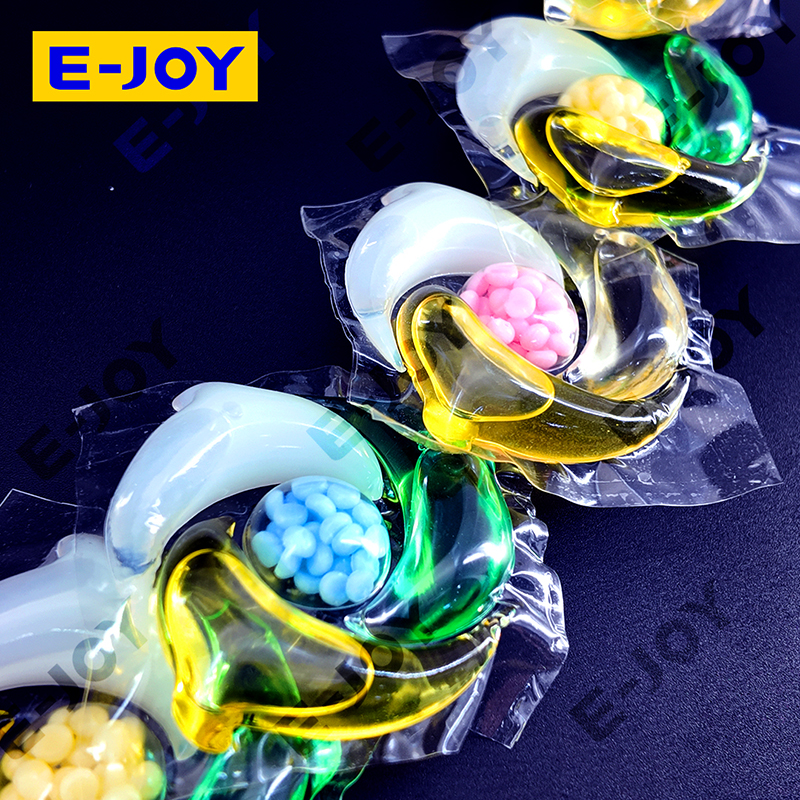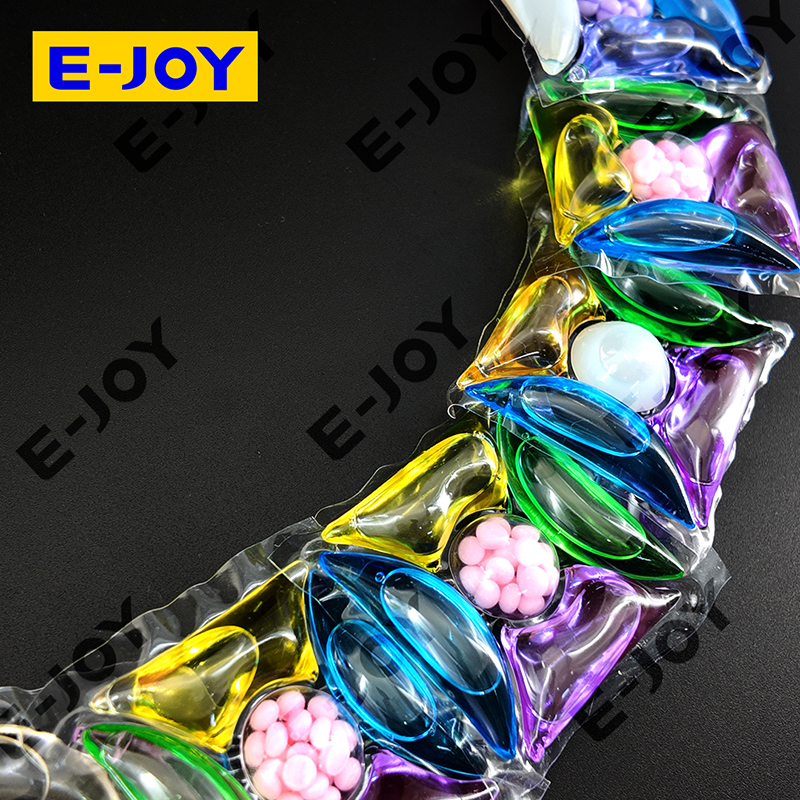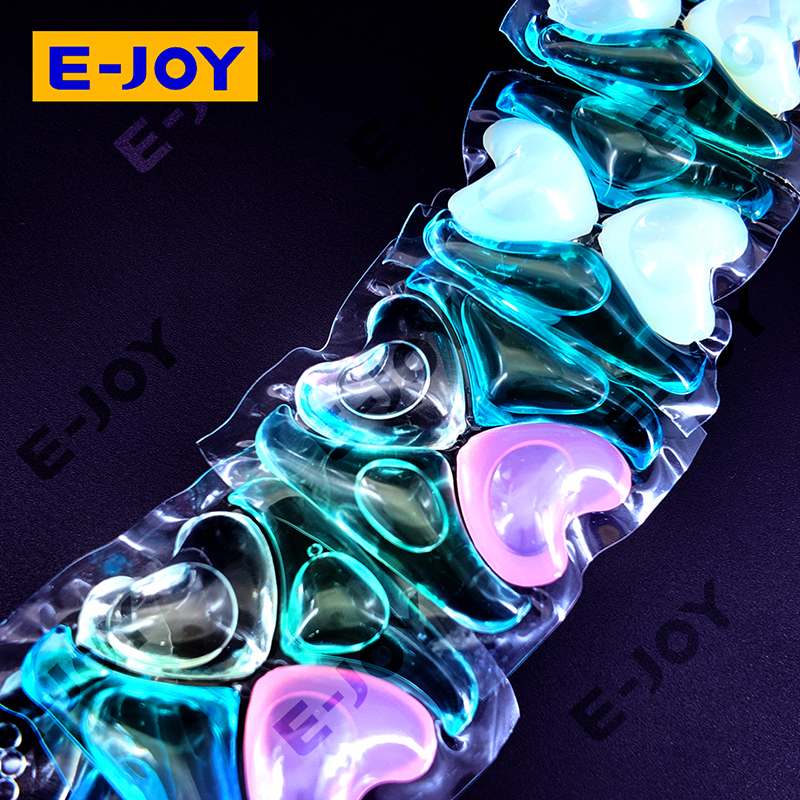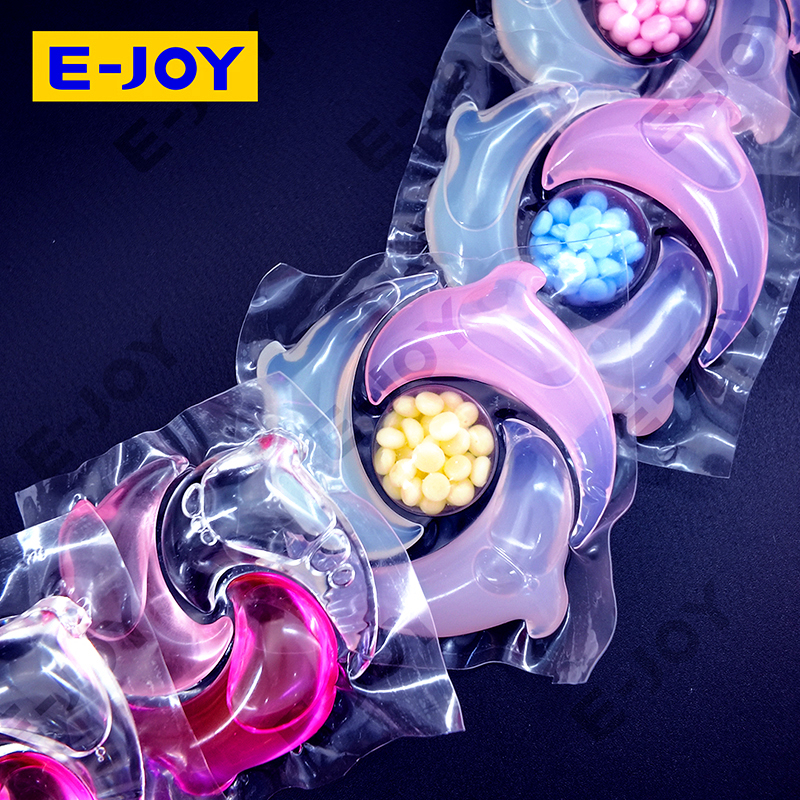

Laundry detergent sheets quality control starts with clear checks. First, define the sheet size and dose. Next, review how the sheet works in water and in the wash. Finally, check the product in its final pack.
E-JOY · OEM QUALITY GUIDE
Check the Sheet.
Review the Wash.
A clear quality plan for private label laundry sheets.
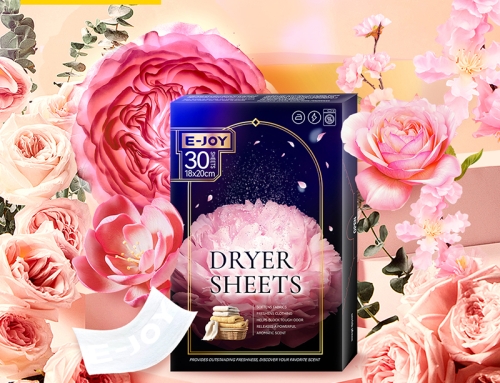
Laundry sheets carry detergent for the wash cycle. In contrast, dryer sheets serve a different use. Therefore, the quality plan must suit the product you plan to buy.
This guide lists points to discuss with your supplier. However, it does not confirm a factory’s test methods. Before ordering, agree on the checks, limits, and records.
Five Points to Review
- Sheet size, weight, and dose
- Tears, broken sheets, and sticking
- How the sheet dissolves
- How it cleans at the stated dose
- Sheet condition inside the pack
I.
Laundry Detergent Sheets Quality Control: Start with the Dose
First, define one sheet and one wash dose. A whole sheet may form one dose for a stated load. However, some formats may use part of a sheet. Confirm the directions for your product.
Next, link the dose to the sheet size and product version. Also, state the wash conditions that the directions cover. Do not copy the dose from a different product.
Then agree on size and weight checks where needed. Use a clear method and an agreed range. However, sheet weight alone does not prove cleaning power.
Sheet Count Is Not Always Wash Count
For example, a pack may state both sheets and washes. Therefore, make the dose basis clear. Also, check that both counts match the product directions.
II.
Check Sheet Condition
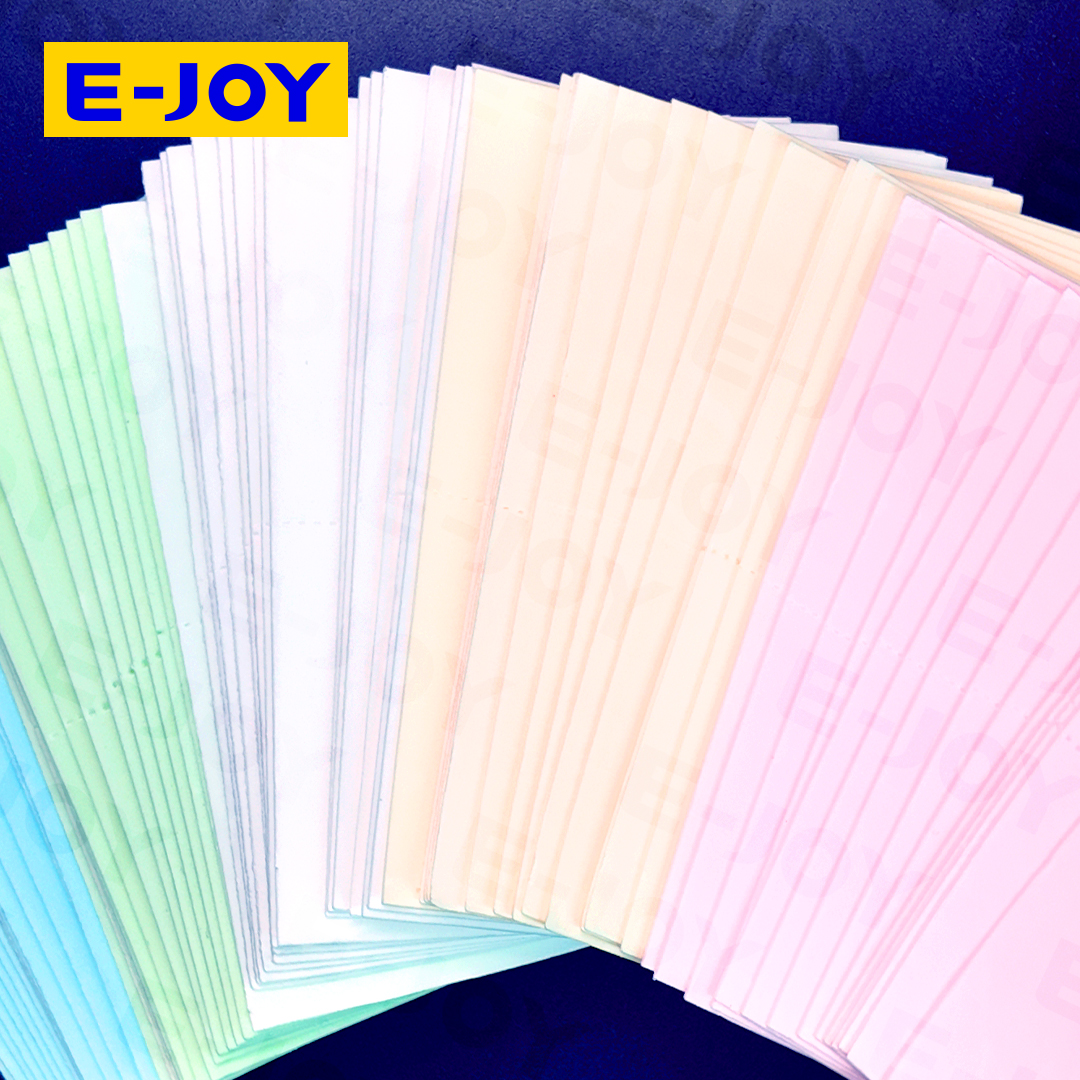
First, agree on the defects that matter. For example, check for tears, broken pieces, or sheets that stick together. Then define how the team will judge each issue.
Next, check whether users can take sheets from the pack. If the sheet has a split line, review how it tears. Also, note whether the split suits the stated dose.
Finally, record when the team checks the sample. A fresh sample and a stored sample answer different questions. Therefore, keep their results separate.
III.
Review How the Sheet Dissolves
First, define what the test should show. A claim such as “dissolves fast” needs a clear basis. Therefore, agree on the method before comparing samples.
Next, record the water temperature, water amount, and sheet dose. Also, state how the water moves during the test. Then define the test time and the result that counts as a pass.
A glass-of-water test may help with an early sample review. However, it does not show every aspect of use in a washing machine. Therefore, keep the scope of that test clear.
A sheet can dissolve well, but cleaning still needs its own test.
IV.
Check Cleaning at the Stated Dose
First, list the cleaning claims your brand wants to make. Next, ask which tests can support them. Also, confirm who will run the tests and provide the results.
For a fair comparison, use the same wash conditions. For example, keep the dose, fabric load, and wash cycle consistent. Also, record the water conditions and stains under review.
Then match each claim to the test scope. A result on one stain does not prove the same result on all stains. Therefore, keep claim wording within the evidence.
Also, record any visible marks or residue after the wash. Describe what the team sees first. Then review the possible cause rather than guessing.
V.
Review Sheets in the Final Pack
First, confirm the pack materials and closure. Next, assess the sheets inside that pack. Loose samples alone do not show how the final pack and product work together.
During storage checks, look for changes that matter to the brief. For example, note sticking, cracks, or changes in appearance. Also, record the state of the pack and closure.
Then define the storage conditions and review dates. Also, state whether the test covers open or closed packs. Shelf-life claims need suitable data for the proposed product and pack.
FACTORY RECORDS
Keep Laundry Detergent Sheets Quality Control Records Clear
First, link each result to the right product and batch. Next, check that the factory uses the current product specification. Also, agree on which records the supplier will share.
- Product version and batch code
- Sample details and review date
- Test method and pass limits
- Actual results and reviewer
- Next steps for any failed check
Finally, separate routine batch checks from product development tests. A past test report does not prove that every batch had the same tests. Therefore, agree on when each check applies.
Questions from OEM Buyers
Does a heavier sheet clean better?
Not necessarily. Sheet weight alone cannot prove cleaning power. Instead, compare wash results at the stated dose. Also, use the same test conditions.
Does fast dissolving mean strong cleaning?
No. These are separate questions. Therefore, review both the dissolving test and the cleaning test. Each result should have a clear method.
Can a loose sample confirm shelf life?
A loose sample does not represent the final packed product. Therefore, request data that relates to the planned pack and storage conditions.
Should every order use the same checks?
Start with the agreed quality plan. However, review it when the product or pack changes. Then confirm any new checks before the next order.
DISCUSS YOUR QUALITY BRIEF
Share Your Laundry Sheet Requirements
First, send your brief through the E-JOY contact page. Include the market, sheet format, pack, and proposed dose. Also, list the quality questions you need to resolve.
For company and product details, visit the E-JOY website. You can also browse the E-JOY Alibaba storefront for product references.
Then ask the team to confirm the available checks and records for your project.