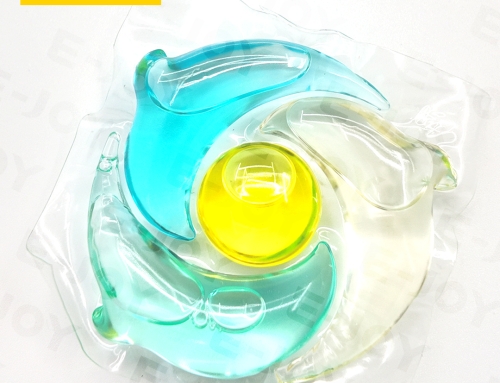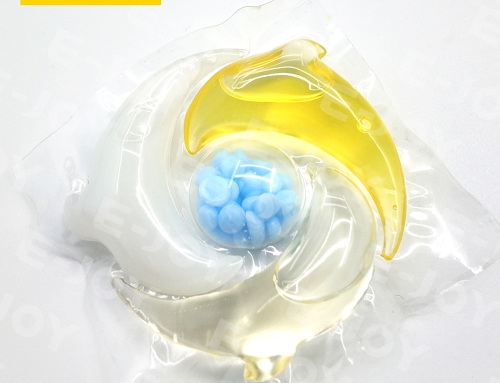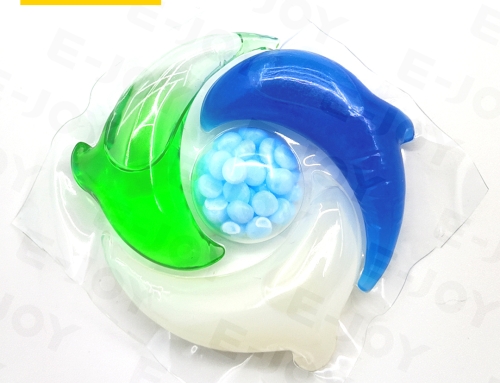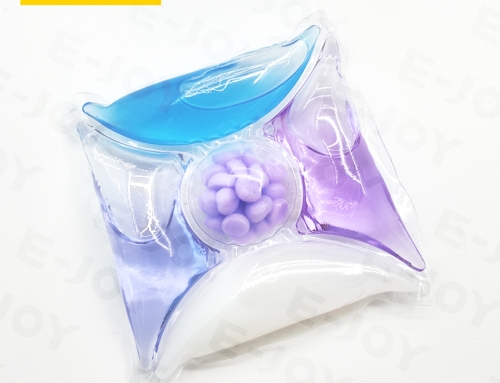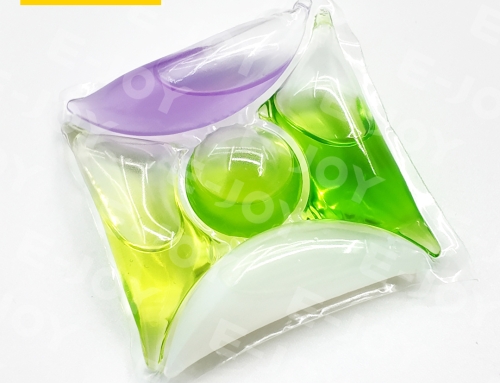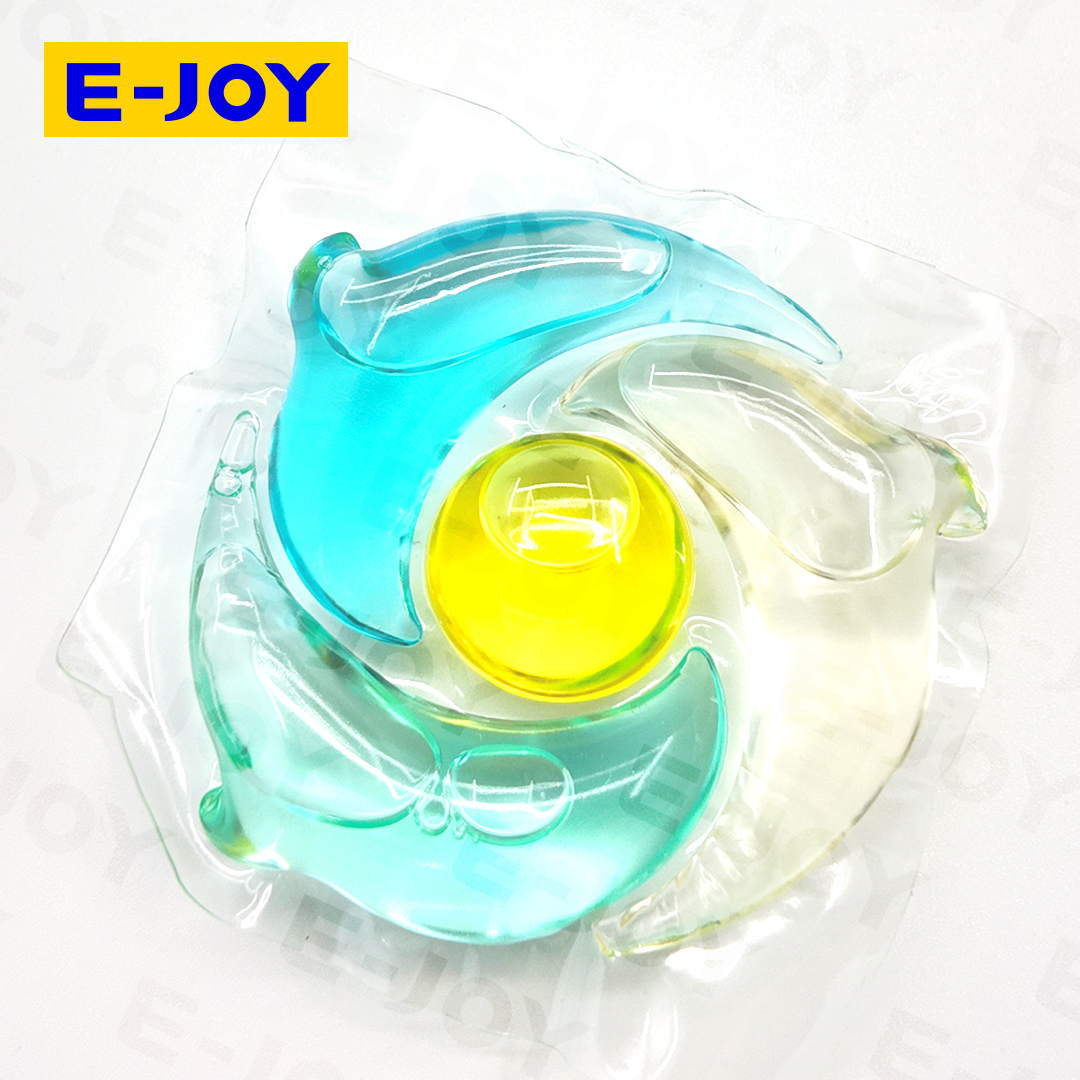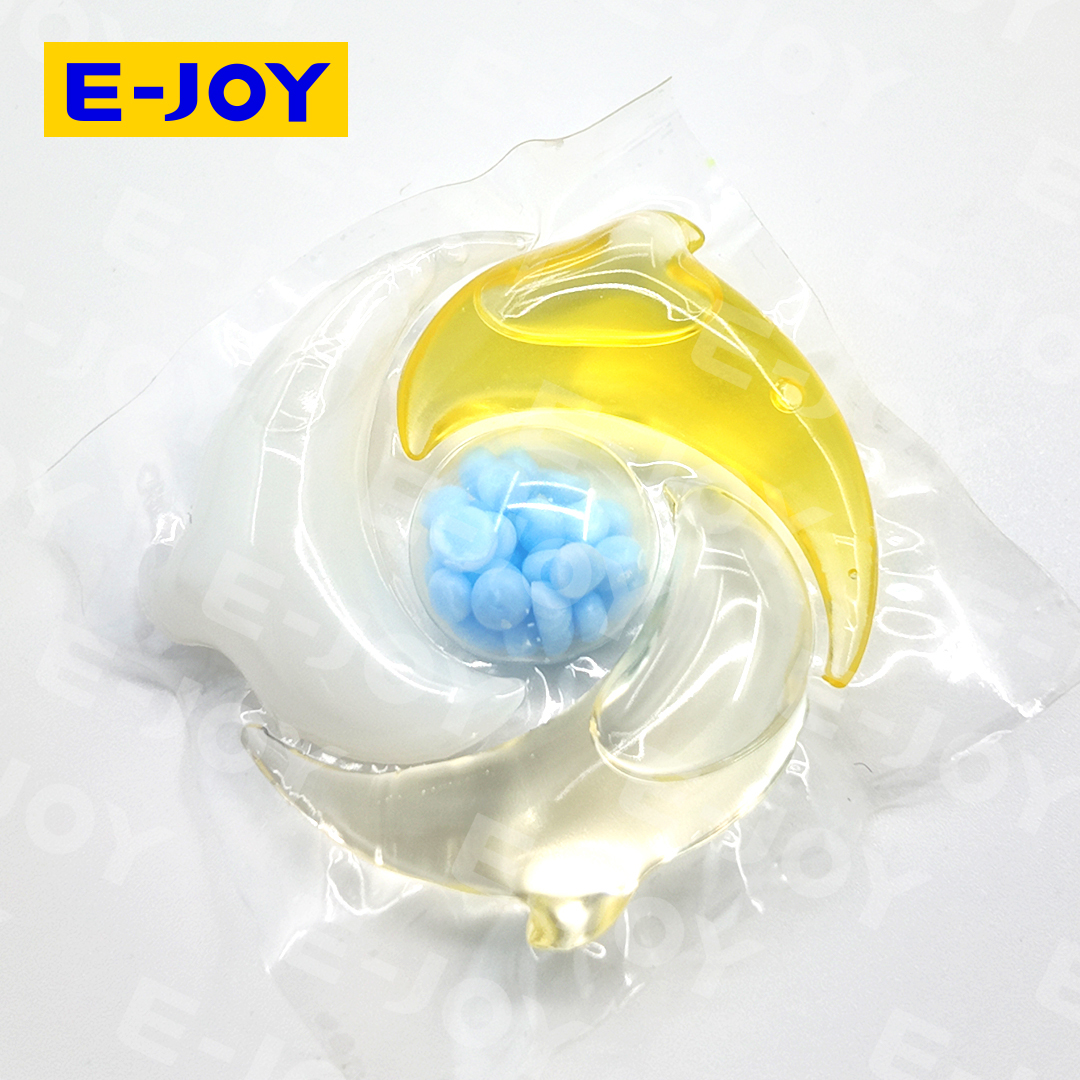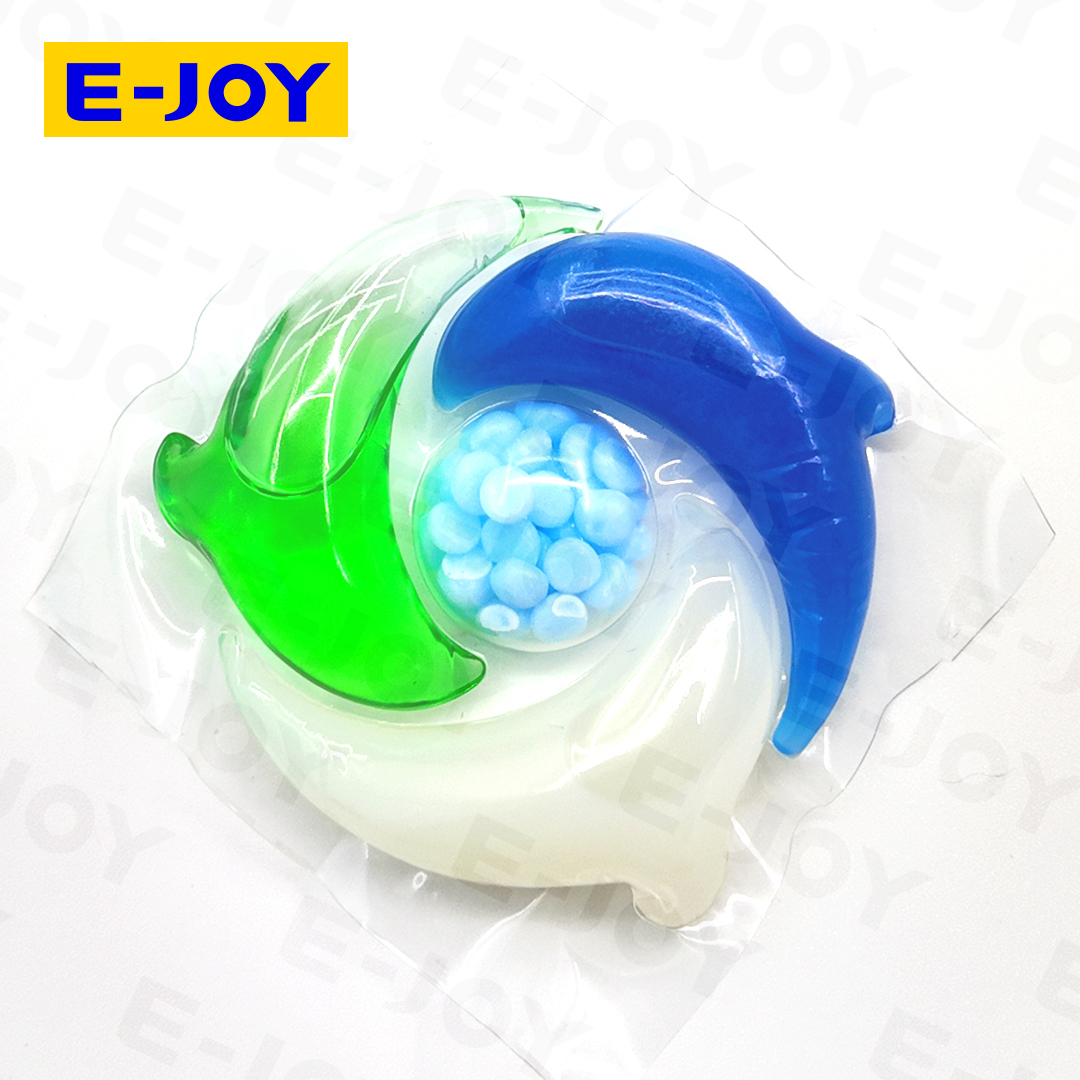

A dryer sheets manufacturer needs a clear order brief before it can confirm MOQ, samples, and lead times. First, define the product and pack version. Next, explain what you need to assess through samples. Then agree on when the order schedule starts.
E-JOY · OEM ORDER PLANNING
Know the Quantity.
Understand the Timeline.
A practical guide to planning a private label dryer sheet order.
Three common sourcing questions sound simple: What is the MOQ? Can we get samples? How long will the order take? However, each answer depends on details that the buyer and supplier need to confirm.
A useful reply should state the quantity unit, sample scope, and timing conditions. This guide explains how to request those details without relying on a general estimate.
Three Questions to Clarify First
- MOQ: Per sheet, retail pack, scent, or artwork version?
- Samples: Existing reference, revised product, or final-pack sample?
- Lead time: From which approval point, and to which delivery milestone?
I.
Ask Your Dryer Sheets Manufacturer to Define the MOQ
MOQ means minimum order quantity. However, the number alone does not explain the full requirement. First, ask which unit the supplier uses. A quantity in sheets differs from the same quantity in retail packs.
Next, confirm whether the MOQ applies to the whole order or each version. Two scents with two artwork files may create separate order requirements. Therefore, do not assume that several versions can share one minimum.
For example, a buyer may request two scents in the same pack size. The supplier still needs to confirm the minimum for each scent and printed pack. Use the written quote to record the final arrangement.
A More Useful MOQ Question
“What is the MOQ per scent and artwork version for this sheet count and pack format?”
II.
Separate Product Minimums from Packaging Minimums
The product and its printed packaging may have different minimum quantities. Therefore, ask the supplier to identify which part sets the order minimum.
Also, ask how the supplier handles any unused printed packaging. Confirm ownership, storage terms, and future use where relevant. Do not assume that packaging stock automatically covers a later order.
If the first order exceeds your planned launch volume, explain the gap. Then ask whether the supplier can offer an alternative pack or a narrower product range. Any trial arrangement needs its own written confirmation.
For a first launch, compare the stock needs of each option. A lower unit price may still require more inventory. Review the total order value alongside the quantity.
III.
Choose Samples That Answer a Specific Question
Before requesting samples, state what you want to learn. An existing sample may help you review a product direction. However, it may not represent your final scent, sheet size, or retail pack.
Next, ask the supplier to explain the sample scope. Confirm what matches your brief and what differs. This prevents a reference sample from becoming an unclear final approval.
| Sample type to discuss | Question it may help answer | Point to clarify |
|---|---|---|
| Existing product reference | Does this product direction suit the brief? | How does it differ from the proposed order? |
| Revised product sample | Does the revision address the buyer’s feedback? | Which version and changes does it represent? |
| Packaging mock-up | Does the structure or layout suit the project? | Does it use the intended materials and print finish? |
| Pre-production sample | Which final order details can the buyer approve? | What does approval cover, and what remains open? |
These sample types are discussion categories, not a confirmed service list. Ask your supplier which options it offers. Also, confirm sample charges, courier costs, preparation time, and any revision terms.
IV.
Define When the Lead Time Starts
A lead-time estimate needs a starting point. The quote date, deposit date, and final approval date may differ. Therefore, ask the supplier which event starts the agreed schedule.
For example, the supplier may need both artwork approval and payment before confirming a production slot. Open sample comments may also affect the schedule. Request a list of the items that must be complete.
Also, clarify whether the estimate uses calendar days or working days. Ask how planned closures affect the dates. Then keep the timing basis with the order confirmation.
A useful lead time states the start condition and the end milestone.
V.
Keep Factory Readiness and Delivery Dates Separate
The goods-ready date is not the same as the arrival date. First, confirm when the supplier expects to complete the agreed order requirements. Next, identify any inspection or release steps before collection.
Then review the transport plan under the agreed delivery terms. Collection, transit, and destination handling add separate stages. Ask the responsible party to confirm each estimate.
If your launch has a fixed date, share it early. However, distinguish a requested date from a confirmed commitment. Keep the latest agreed schedule in writing.
FACTORY SCHEDULE COORDINATION
Ask the Dryer Sheets Manufacturer to Identify Open Items
A factory schedule needs a clear order version. Therefore, ask the supplier to identify any detail that still prevents schedule confirmation. Focus on named actions rather than a general “in progress” update.
- Product and scent approval status
- Final pack count and order quantity
- Artwork approval status
- Payment conditions for scheduling
- Agreed inspection and release arrangements
- Contact responsible for the next update
If you change the order, ask the supplier to reassess the dates. A new pack version or quantity may affect the previous plan. Confirm the revised schedule before using it in your launch calendar.
Do Repeat Orders Need a New Timing Review?
A repeat order may reuse approved product and artwork references. However, that does not confirm the same lead time. Ask the supplier to check current availability and factory scheduling.
Also, state clearly whether the repeat order includes changes. A familiar product name can hide a new sheet count or label version. Send the current specification rather than relying only on a past invoice.
For ongoing supply, share demand forecasts separately from firm orders. This gives the supplier planning context. Then confirm quantities and dates through the agreed order process.
Questions to Ask Before Ordering
Can a manufacturer reduce the MOQ for a trial?
Ask whether a trial arrangement is available for your proposed version. The supplier must confirm the quantity, price, and packaging terms. Do not assume that a trial uses the same terms as a repeat order.
Are samples free?
Confirm this with the supplier. Product samples, custom revisions, packaging proofs, and courier services may have different charges. Also, ask whether any credit terms apply to a later order.
Does sample approval start bulk production?
Not necessarily. Other conditions may still remain open. Therefore, ask the supplier to confirm the full approval and scheduling requirements for your order.
What if the buyer needs an urgent delivery?
Share the required arrival date and the complete order brief. Then ask the supplier to review feasibility and any available alternatives. Treat the date as a request until the relevant parties confirm it.
REQUEST PROJECT-SPECIFIC TERMS
Discuss MOQ, Samples, and Your Target Dates
To discuss your project with a dryer sheets manufacturer, send a brief through the E-JOY contact page. Include each proposed version, pack count, order estimate, and sample objective. Also, state your requested goods-ready or arrival date.
If scent selection remains open, review the guide to dryer sheet fragrance and softness options before preparing your sample request.
You can also browse the E-JOY Alibaba storefront for product references. Ask the team to confirm current MOQ, sample terms, and lead times for your specific brief.