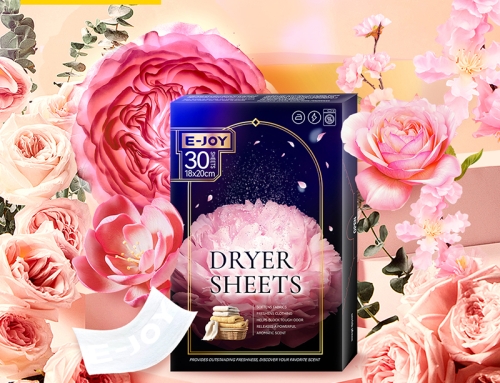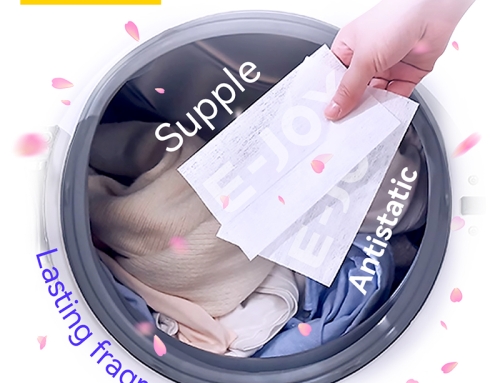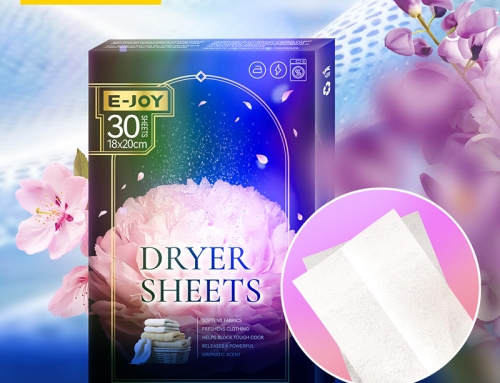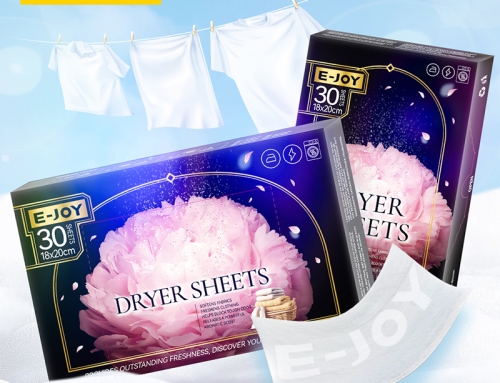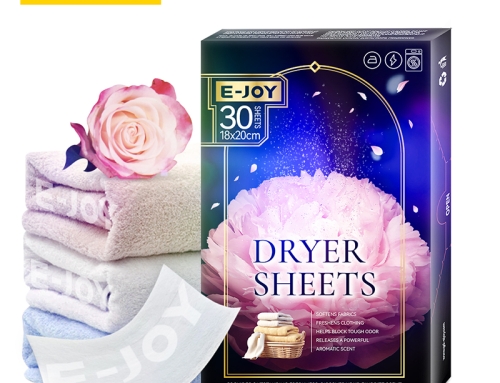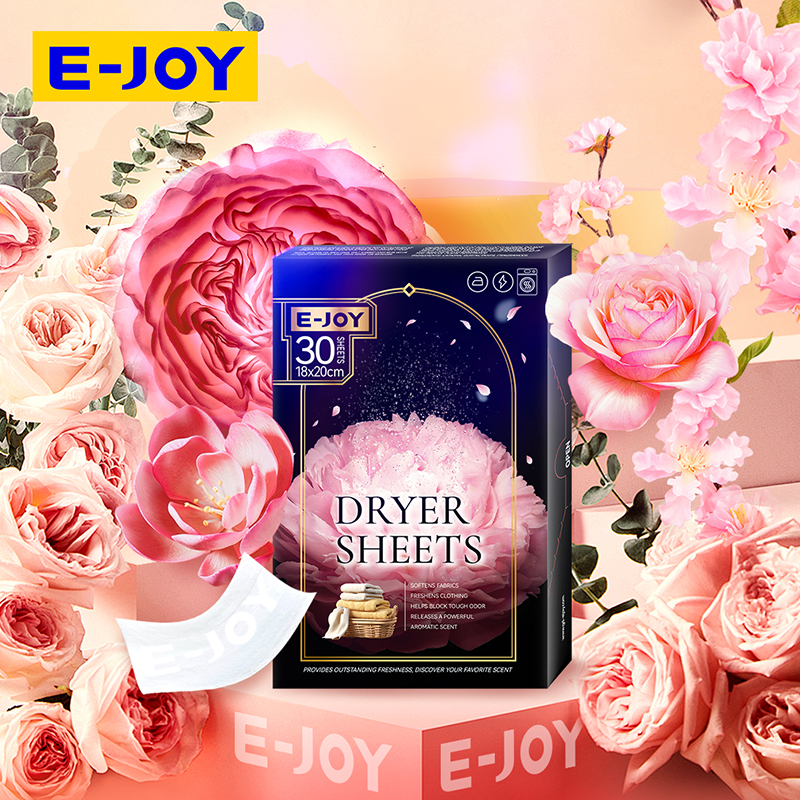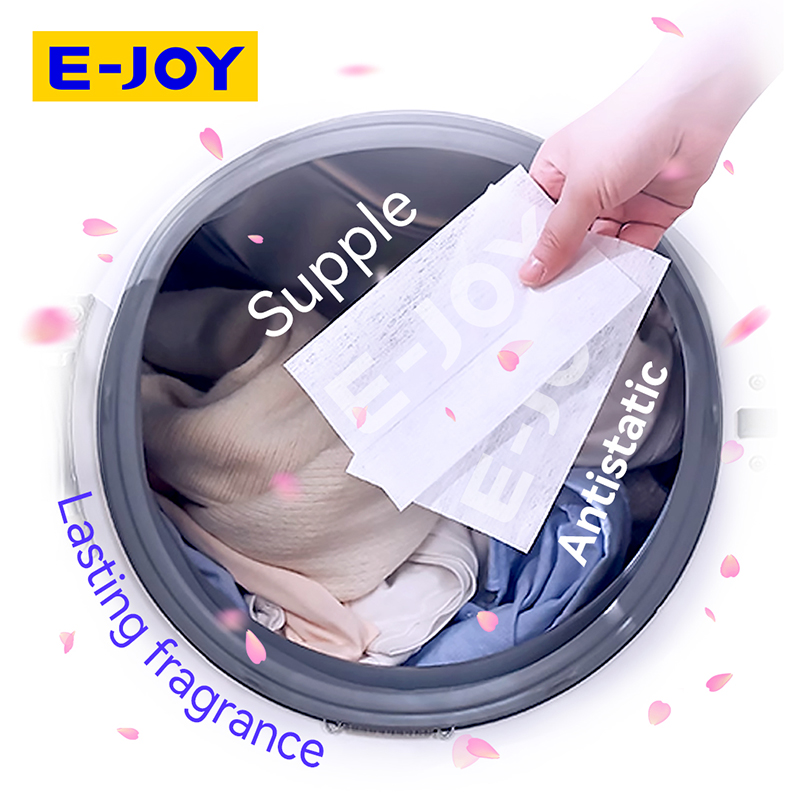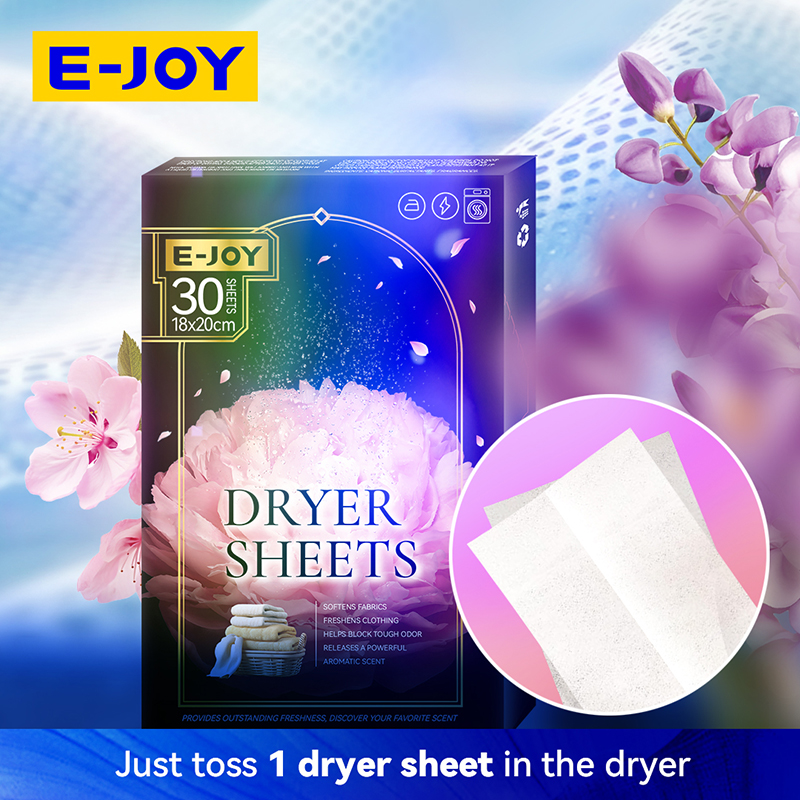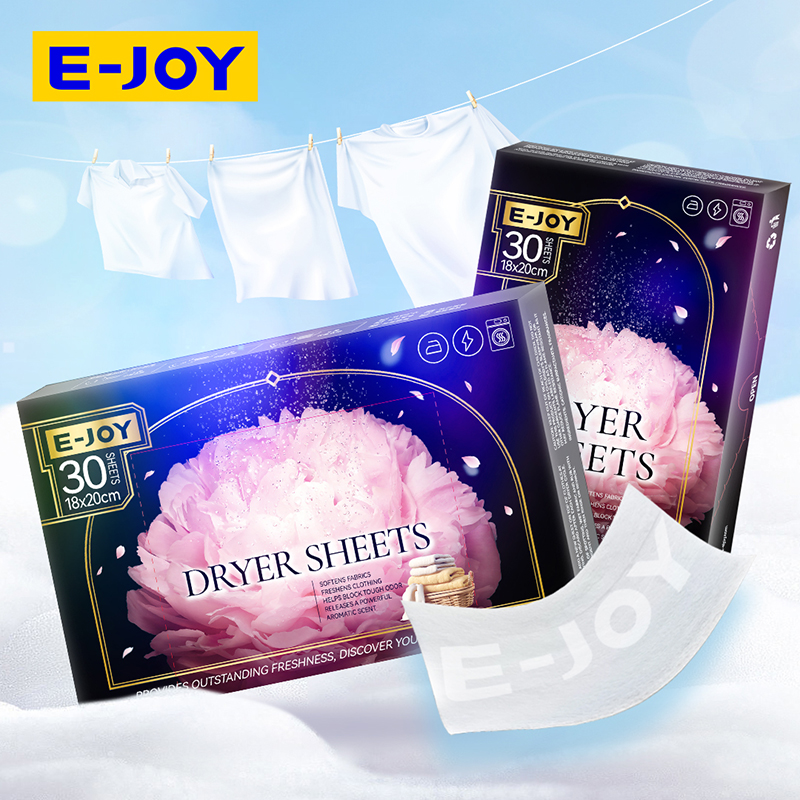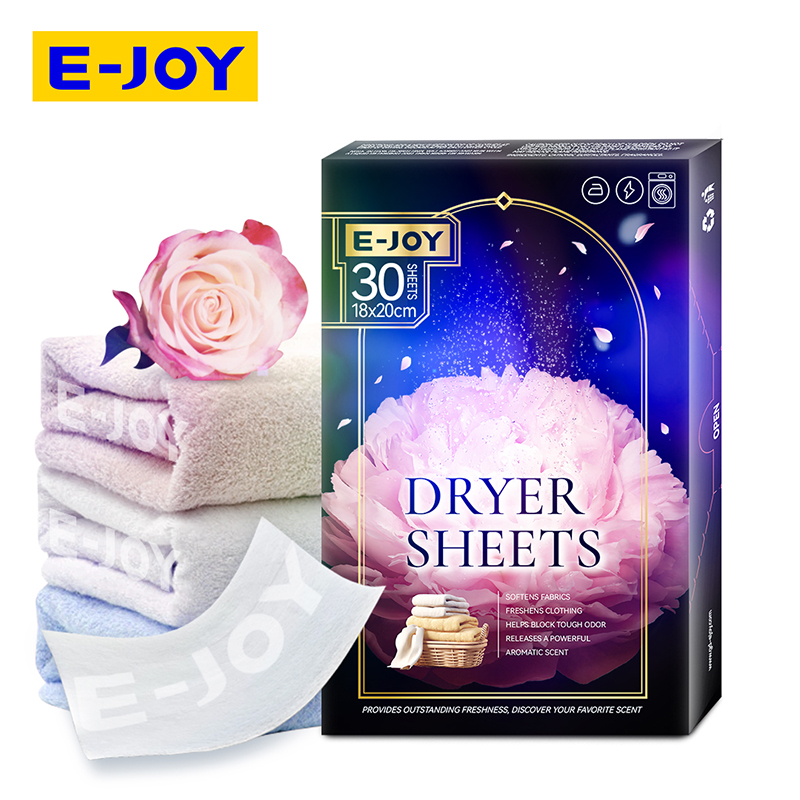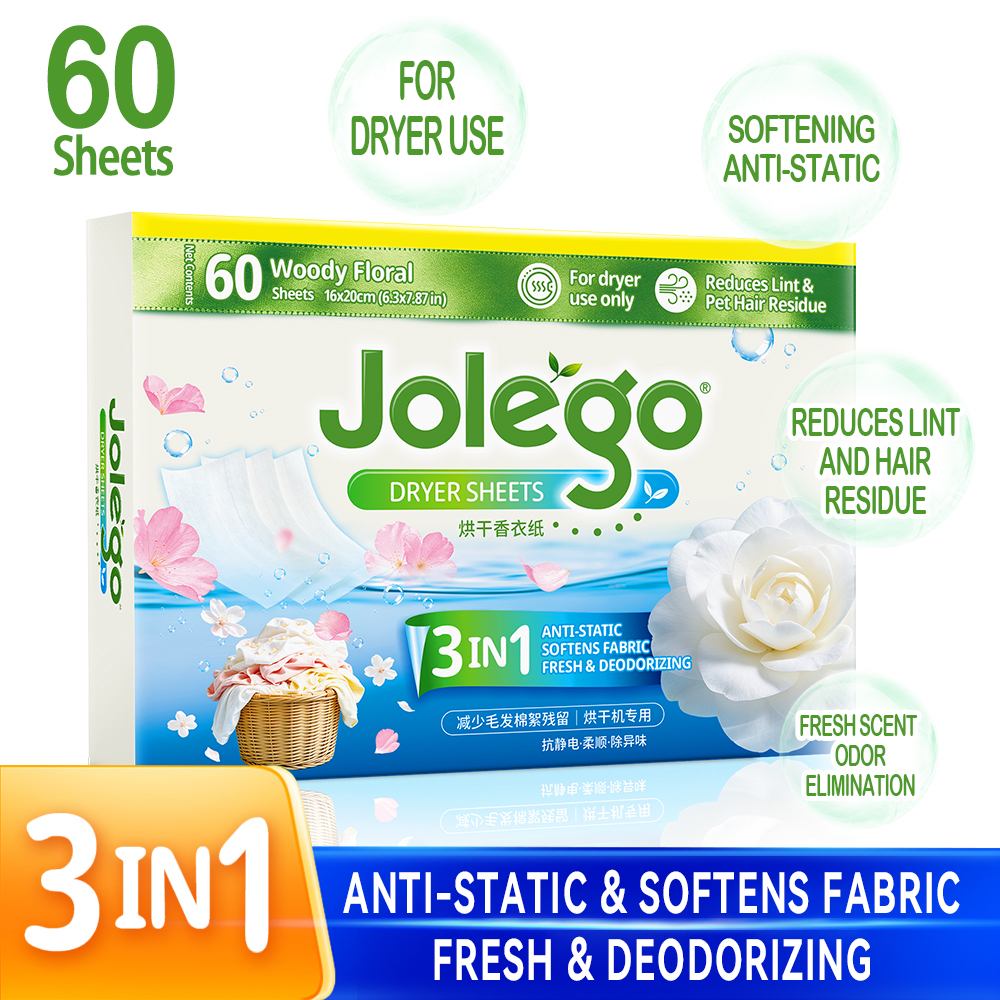

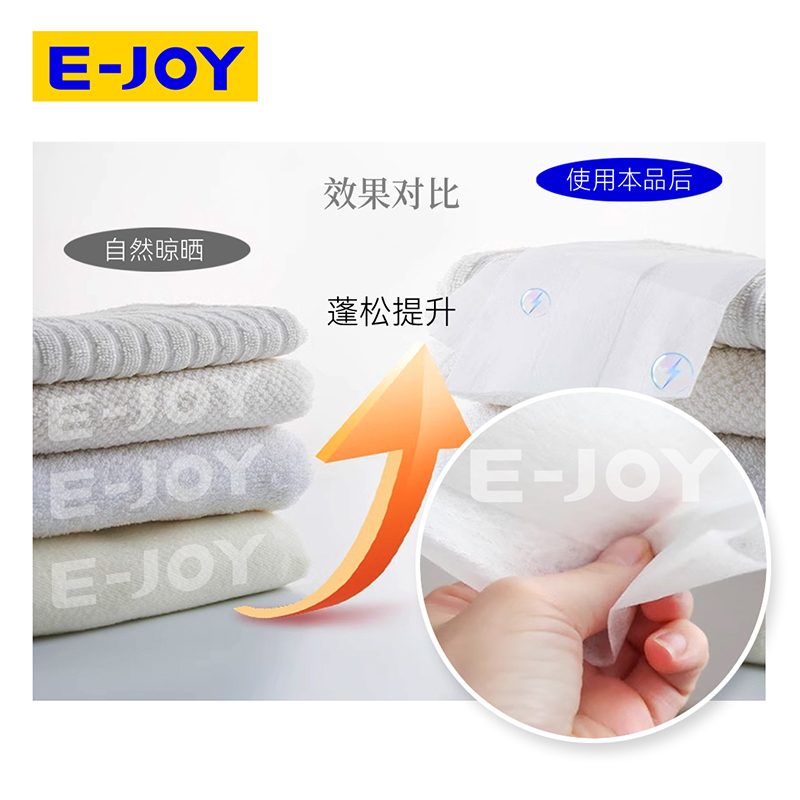
Dryer sheets OEM packaging connects the product with its retail presentation. Buyers need to consider the pack format, label space, and shipping case together. First, define what the pack must do. Then confirm the formats and print options that the supplier can offer.
E-JOY · PACKAGING & ARTWORK GUIDE
Designed for the Shelf.
Planned for the Product.
Packaging decisions for private label brands and retail buyers.
A pack can look attractive but still leave too little room for clear instructions. It may also fit the product yet create problems for shelf display or case packing. Therefore, review the structure and information layout before approving the design.
This guide provides a packaging brief and artwork review framework. It does not replace a market-specific label review. The final label requirements depend on the product, claims, sales market, and sales channel.
I.
Dryer Sheets OEM Packaging: Choose the Format First
Start with the sheet count and product dimensions. Next, consider how the buyer will open, store, and use the pack. Also, discuss the product’s packaging protection needs with the supplier.
A printed carton, a flexible pack, or a combined format may suit different project briefs. However, do not assume that each format is available or suitable for the product. Request confirmation and assess a physical sample where practical.
| Format to discuss | Points to review |
|---|---|
| Printed folding carton | Product fit, opening design, panel space, and any inner packaging needs |
| Flexible pouch | Material suitability, closure, display position, and print distortion |
| Outer carton with an inner pack | The role of each layer, opening steps, and duplicate information |
| Multipack arrangement | Unit identification, outer-pack wording, and retailer handling needs |
Treat these as discussion options rather than a supplier capability list. Then compare the confirmed formats against the same product brief.
II.
Give Each Packaging Layer a Clear Role
The retail pack presents the product to the shopper. An inner pack, where used, serves a separate role. Meanwhile, the shipping case supports distribution and warehouse handling.
Therefore, avoid treating every layer as the same design task. First, confirm which layer holds the product. Next, identify where the user will find directions and product information. Also, define which details the warehouse needs on the shipping case.
More Layers Do Not Prove Better Protection
Assess the proposed packaging with the product inside. Ask what evidence supports its storage and transport suitability. Appearance alone cannot confirm packaging performance.
III.
Plan the Label Content Before the Layout
First, prepare a label content list for the destination market. Ask the responsible market reviewer to confirm what applies. Then give the designer the reviewed text before final layout work.
The list below covers common review topics. It is not a universal legal checklist. Some projects may need additional information, while others may use a different format.
- Product identity and intended use
- Sheet count or other applicable quantity information
- Confirmed directions for use
- Relevant precautions and storage text
- Business identification and contact details, where required
- Ingredient or other product disclosures, where applicable
- Languages for the destination market
- Product claims and their supporting evidence
Also, check whether local rules set text size or placement requirements. Do not shrink important wording simply to preserve a design. Instead, revise the layout when the content needs more space.
IV.
Create a Clear Information Hierarchy
The front panel should help the shopper identify the product. Use a clear product name and make the pack version easy to distinguish. For example, keep scent names and sheet counts consistent across the range.
Next, organize the remaining text into clear groups. Directions, precautions, and business details should be easy to locate. Avoid placing long text across folds or areas that the user may overlook.
For multilingual packs, review the full layout at actual size. Also, check the assembled pack rather than only the flat artwork. A readable screen preview may look different on a small printed panel.
Design around the reviewed information, not around an empty panel.
V.
Separate Barcodes, Batch Codes, and Case Marks
These identifiers serve different purposes. A retail barcode identifies the trade item in the relevant system. A batch code links goods to a production record. Case marks help receiving teams identify the shipment.
First, confirm who supplies and checks each code. Next, reserve suitable space in the artwork. Ask the packaging supplier to review barcode placement and print suitability.
Also, confirm the case information with your retailer or warehouse. Do not assume that the retail barcode and case identifier serve the same purpose. Keep each requirement linked to the correct packaging level.
FACTORY & PACKAGING COORDINATION
Use the Correct Template for Dryer Sheets OEM Packaging
Before artwork approval, request the template for the confirmed pack structure. It should show the relevant panel boundaries and print areas. Ask the supplier to explain any cutting, folding, sealing, or non-print zones that apply.
Next, clarify what the proof represents. A digital proof may help review wording and layout. However, it does not confirm every feature of the finished pack. Ask whether a physical proof or assembled sample is available and what it can demonstrate.
- Pack structure and template reference
- Artwork file name and revision date
- Print specifications and colour references
- Barcode and variable-code locations
- Proof type and approval scope
- Named contacts for text, design, and supplier review
Finally, issue one final artwork version for approval. Record any later change clearly. Then ask the supplier to confirm which version it will use.
Review the Assembled Pack Before Final Approval
A flat design cannot show every detail of an assembled pack. Therefore, review a physical sample where practical. Check whether the product fits, the opening works as intended, and the text remains visible.
Next, look for practical issues. For example, a flap may cover part of the wording. A fold may interrupt a barcode area. Record the issue against the artwork or structure version so the supplier can review it.
Also, distinguish visual approval from performance assessment. A pack that looks correct may still need storage or transport evaluation. Agree on any further checks before finalizing the packaging specification.
Dryer Sheets OEM Packaging: Buyer Questions
Can the same artwork fit a different pack size?
Do not assume that simple resizing will work. A new structure can change panel sizes, folds, and code placement. Therefore, use the correct template and review the revised layout at actual size.
Does supplier artwork approval confirm legal compliance?
Confirm the scope of the approval. A supplier may review print suitability without reviewing every market requirement. Therefore, assign responsibility for the target-market label review separately.
Can buyers add environmental claims to the pack?
Review the evidence and applicable market rules first. Specify whether the claim concerns the sheet, one packaging component, or the whole pack. Avoid wording that implies a broader benefit than the evidence supports.
What should a packaging brief include?
Include the sheet count, proposed format, sales market, and language needs. Also, add retailer requirements, code locations, and available artwork files. Ask the supplier to identify any missing details.
PREPARE YOUR PACKAGING BRIEF
Discuss Your Pack Format and Artwork Needs
To discuss dryer sheets OEM packaging, send your brief through the E-JOY contact page. Include the proposed pack count, format, destination market, and language versions. Ask the team to confirm available packaging options and artwork requirements.
For a related product topic, read the guide to dryer sheet fragrance and softness options.
You can also browse the E-JOY Alibaba storefront for product references. Confirm the packaging specification for your project directly with the team.