
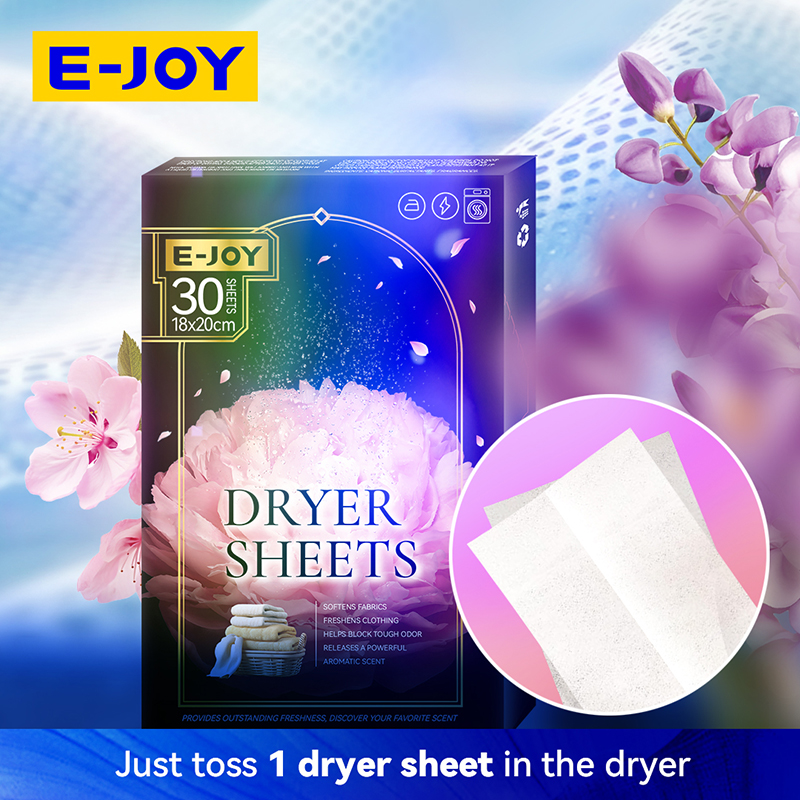
Dryer sheets OEM quality control should turn buyer expectations into clear checks. A request such as “keep the product consistent” leaves room for doubt. Instead, define what the team will check, how it will check it, and which limits apply.
E-JOY · PRODUCT SPECIFICATION GUIDE
Turn Expectations
into Clear Criteria
A practical framework for reviewing product differences and quality issues.
The key question is simple: when two people review the same product, will they reach the same decision? Clear criteria help the buyer and factory team answer that question.
This article focuses on product specifications, defect descriptions, and review records. Agree on the final criteria with your supplier. The examples below do not describe a specific factory’s test methods or capabilities.
I.
Separate Product Identity from Quality Limits
First, identify the product version. A product code, scent reference, and artwork number tell the team which item to review. However, these details alone do not define a pass or fail.
Next, add measurable requirements where they apply. For example, a sheet dimension needs a target value and an agreed tolerance. It also needs a method that both teams understand.
Finally, keep commercial details separate from quality limits. Order quantity and price belong in the purchase record. Product measurements and acceptance criteria belong in the quality specification.
Three Different Questions
Identity: Which product is this?
Requirement: What should it be like?
Decision: Does it meet the agreed criteria?
II.
Dryer Sheets OEM Quality Control: Define Each Check
A useful specification links each feature to a review method. Therefore, avoid listing a feature without explaining how the team should assess it.
| Feature | Point to define | Record to keep |
|---|---|---|
| Sheet dimensions | Measurement method, target, and tolerance | Actual measurements and sample reference |
| Sheet appearance | Defined defects and review conditions | Findings and agreed defect examples |
| Scent reference | Reference version and comparison conditions | Review date and assessment notes |
| Pack count | Required count and inspection plan | Counts for the packs inspected |
| Printed packaging | Approved artwork and print criteria | Artwork version and inspection findings |
Set numerical limits with the supplier rather than copying them from another product. Also, confirm whether the proposed method suits the feature. Different requirements may need different review tools.
III.
Replace Vague Defect Terms with Examples
Words such as “neat,” “clean,” and “acceptable” can mean different things to different people. Instead, name the condition that matters.
For example, “wrong artwork version” describes a specific issue. “Batch code missing” also gives the team a clear condition to check. In contrast, “packaging looks wrong” does not explain the problem.
For visual differences, agree on reference photos or physical examples where useful. Also, record the viewing conditions. If a defect needs a size limit, state how the team will measure it.
Describe the observed difference before deciding what caused it.
IV.
Keep Scent Review and Performance Evidence Separate
A scent review answers a sensory question. It does not, by itself, prove a fabric care claim. Therefore, keep these two types of review separate.
For scent comparison, identify the reference and review conditions. Also, note the sample age and storage history where relevant. These details help the team understand the comparison.
For claims such as softness or static reduction, agree on suitable evidence. Ask who will conduct the assessment and what the report covers. Do not assume that a visual check supports a performance claim.
If a supplier provides a report, check which product version it covers. Next, review the method and test conditions. The report should relate to the claim you plan to make.
FACTORY DOCUMENT CONTROL
Prevent Confusion Between Product Versions
A factory team needs one current set of order documents. Therefore, ask how the supplier identifies the approved specification and removes old versions from use.
For example, a new barcode may leave the sheet unchanged but require new artwork. A new sheet size may also affect the pack fit. Review each change against the parts of the order it affects.
- Give each approved file a version reference.
- Record what changed and when.
- Identify who approved the change.
- Confirm which orders use the new version.
- Keep the approval with the relevant order record.
Build a Useful Quality Issue Report
If a buyer finds a difference, start with the facts. Identify the order, product version, and batch details available. Next, describe the issue and the number of units checked.
Also, record how many units show the issue. Clear photos can support the report, but they may not answer every question. Keep relevant samples and packaging for further review where practical.
Then ask the supplier to assess the findings against the agreed criteria. Confirm any further checks and the proposed next step. Do not treat a suspected cause as a confirmed finding.
What the Report Should Answer
What did the buyer find? Which requirement applies? How many units did the team check? What evidence is available? What needs further review?
Dryer Sheets OEM Quality Control: Buyer Questions
Can reference photos replace physical samples?
Photos can help define visible features. However, they cannot show scent or fabric feel. Therefore, choose references that suit the feature and use written criteria alongside them.
Does one failed check mean the whole order fails?
The decision depends on the agreed inspection plan and acceptance criteria. Record the finding first. Then assess it under those rules and confirm any further action.
Why keep actual results rather than only “pass”?
Actual results give the team more context. For example, measured dimensions show how a sample compares with the agreed range. They also help the teams review differences across orders.
When should a specification change?
Review it when an agreed product requirement changes or a method needs clarification. Record the reason and approval. Also, state which orders will follow the revised version.
DISCUSS YOUR SPECIFICATION
Share the Quality Points That Matter to Your Brand
Send your product specification or open quality questions through the E-JOY contact page. Identify the features you need to assess. Then ask the team to confirm the available review methods and records.
For a related development topic, read the guide to dryer sheet fragrance and softness options.
You can also browse the E-JOY Alibaba storefront for product references. Confirm the specifications for your own project directly with the team.