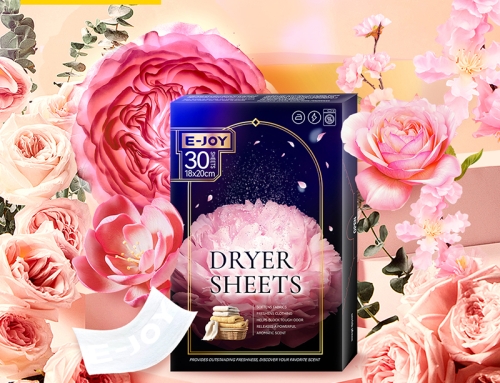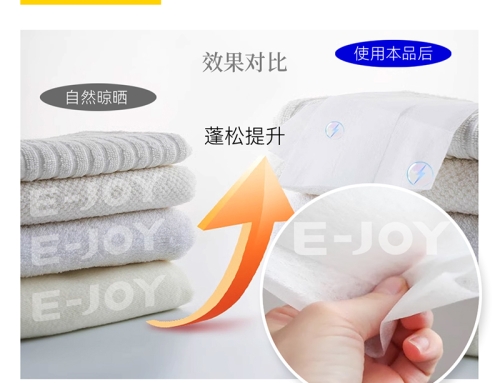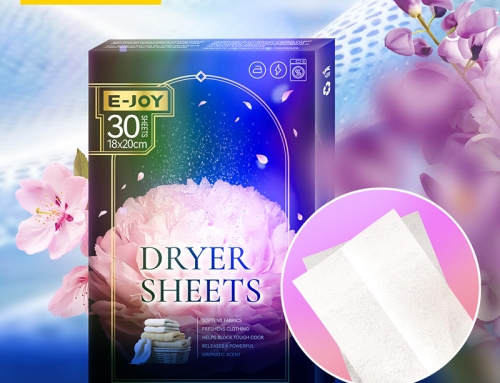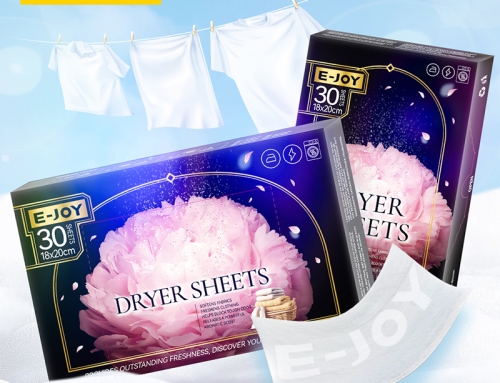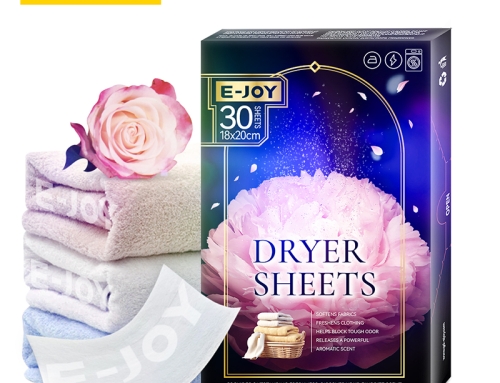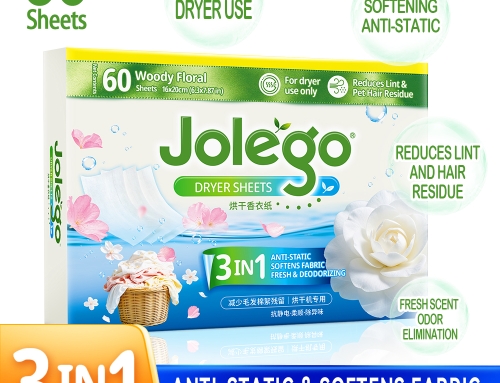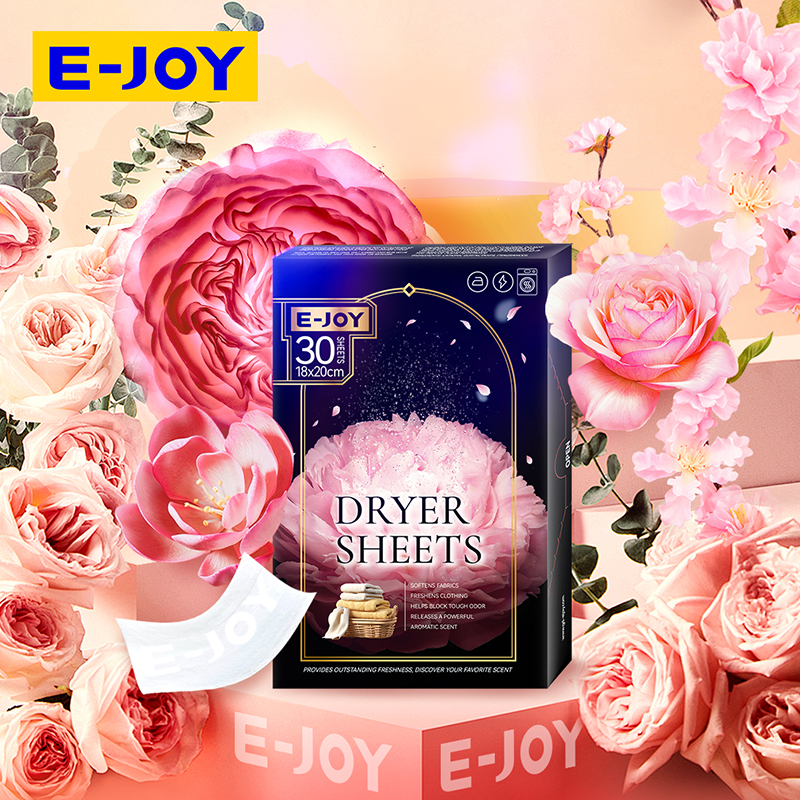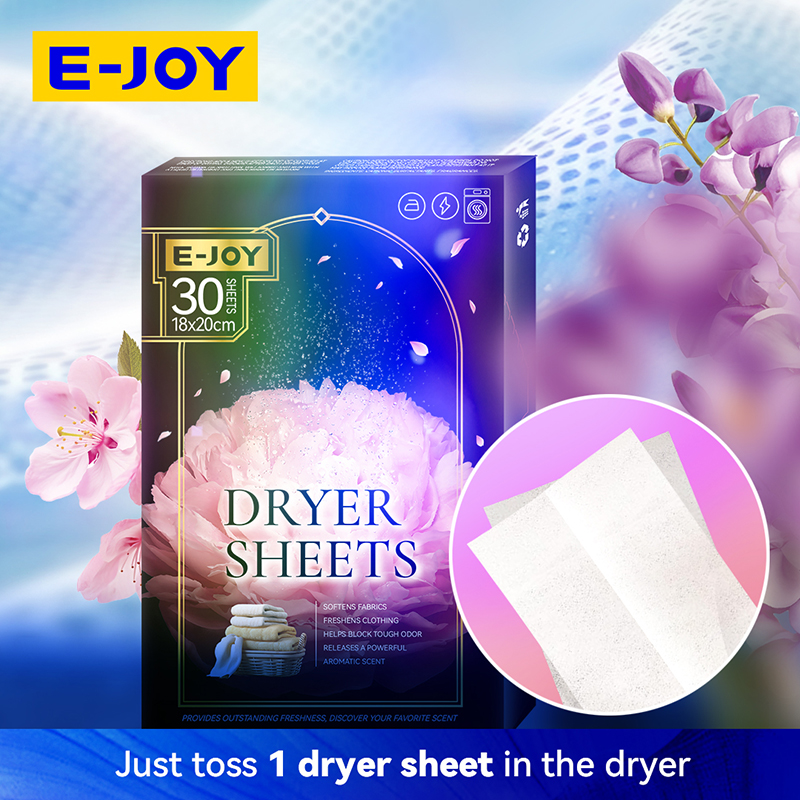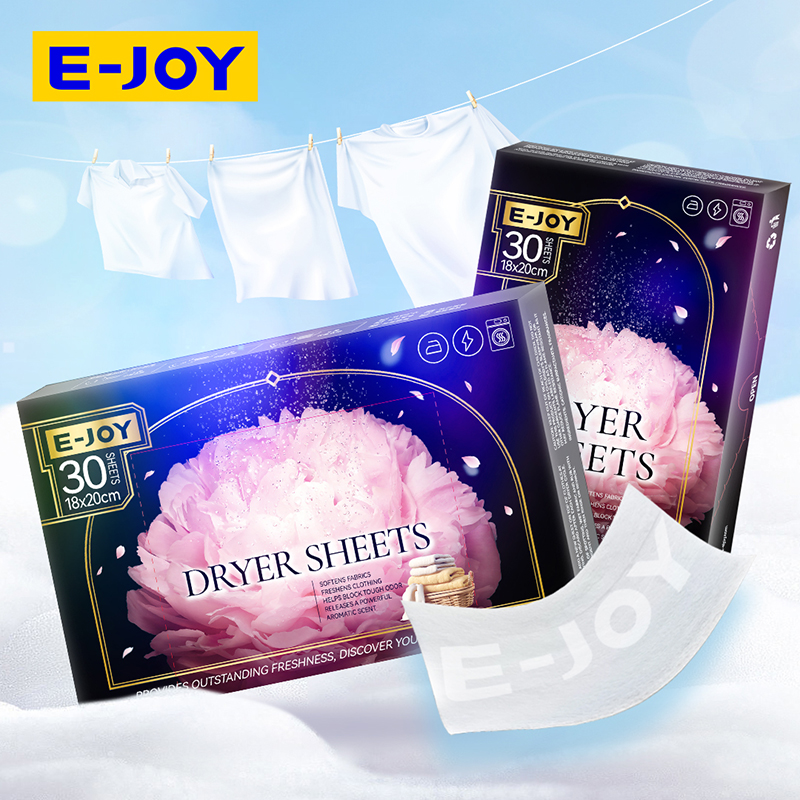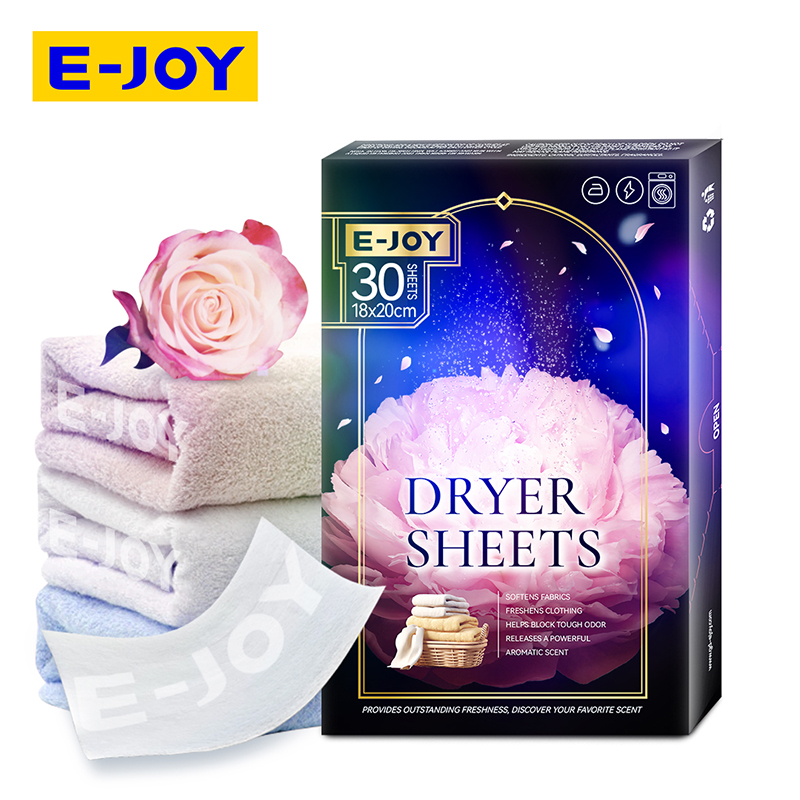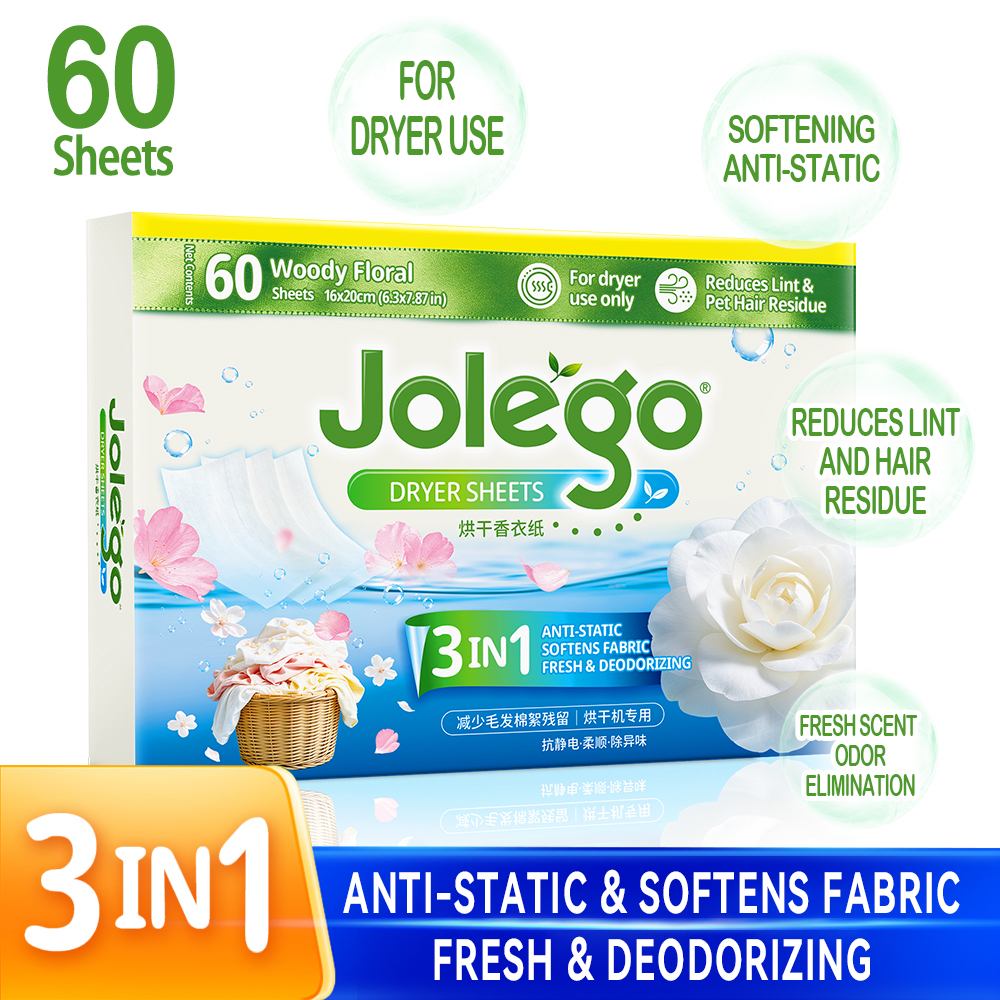

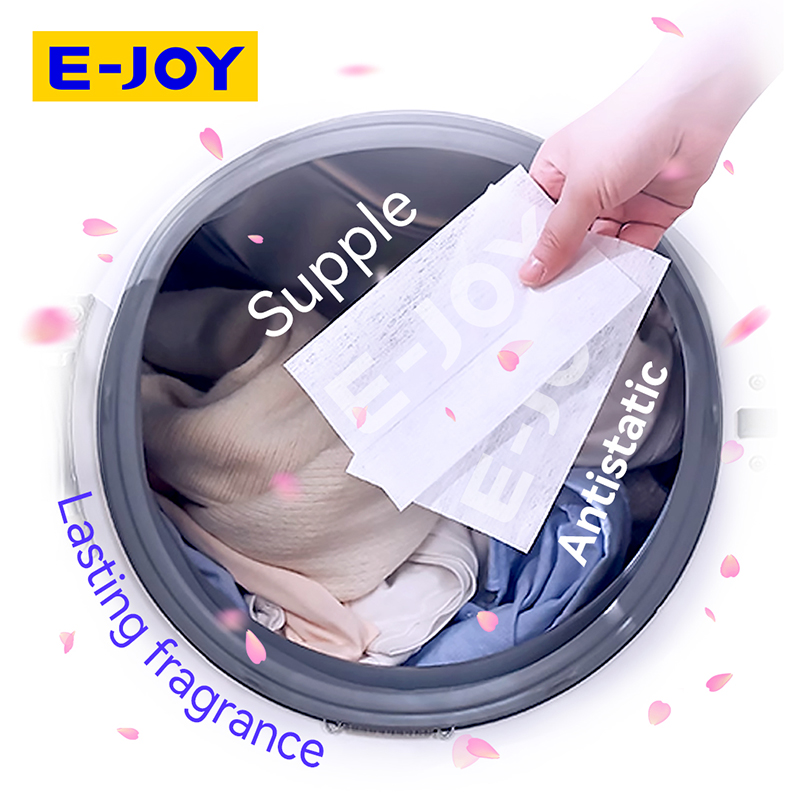
Dryer sheets private label options should reflect how a brand plans to enter each market. Language, pack size, scent direction, and sales channel all shape the product brief. Therefore, start with the local use case rather than copying one pack across every market.
E-JOY · MARKET ADAPTATION GUIDE
One Brand.
Different Market Needs.
Build a market brief before choosing the product range.
A new market does not always need a new product. Sometimes, the brand needs a different language layout or retail pack. In other cases, local feedback may support a different scent or pack count.
However, avoid assuming that all buyers in one country share the same needs. Use retailer input, customer research, and local sample reviews. Then ask the supplier which options it can offer.
Inside This Guide
- Define the local use case.
- Separate product choices from pack changes.
- Plan language and scent reviews.
- Match the range to the sales channel.
- Coordinate market versions with the factory.
- Use pilot feedback to guide expansion.
I.
Start with the Local Use Case
First, define who will buy the product and where they will use it. Confirm whether the target group uses tumble dryers. Also, assess how familiar shoppers are with dryer sheets.
If the category is unfamiliar, the pack may need a clearer product description. For example, shoppers should understand that dryer sheets serve a different use from detergent sheets. Follow the confirmed product directions when writing the use text.
Next, identify the main purchase setting. A supermarket shelf, an online listing, and a specialist laundry store offer different amounts of space for explanation. This affects how the brand presents the product.
Ask a Specific Market Question
Instead of asking “What sells in this country?”, ask “What does this retailer’s target customer need to understand before buying?”
II.
Dryer Sheets Private Label Options: What Can Vary?
Separate changes to the product from changes to its presentation. This helps the brand assess which updates need new samples and which need new artwork. Confirm the scope with the supplier.
| Option to discuss | Market question | Next step |
|---|---|---|
| Scent direction | Which samples suit the target shopper group? | Review available samples with local participants. |
| Sheet count | Does the range need a trial or regular-use pack? | Compare available pack counts and shelf fit. |
| Language layout | Which languages does the market need? | Prepare locally reviewed text before layout approval. |
| Retail format | How will the shopper find and compare the product? | Review shelf presentation or online listing needs. |
| Range structure | How many versions can the launch support? | Set a focused initial range and track feedback. |
These are planning options rather than confirmed supplier capabilities. Therefore, request written confirmation before including an option in your launch plan.
III.
Plan Language Before Designing the Pack
First, identify the languages for each market version. Next, prepare the full text before finalizing the layout. Extra languages can change the space available for directions and other information.
Also, separate brand language from product instructions. A scent name may need a local explanation. However, use directions should follow the confirmed product guidance rather than a marketing interpretation.
Ask a qualified local reviewer to assess the relevant label text and market requirements. Then record who approves each language version. Keep the reviewed text linked to the final artwork.
A translated pack still needs a market-specific review.
IV.
Review Scent with the Target Audience
Do not assign one scent preference to an entire region. Instead, review samples with people who reflect your target audience. Also, include feedback from the local sales team where useful.
First, give each sample a neutral code. Next, use the same review conditions for each option. Record comments on scent character and perceived strength separately.
Then compare the findings with the brand position. A sample may receive positive feedback but still differ from the planned range. Keep the final choice tied to both customer input and the product brief.
If your brief calls for a fragrance-free option, ask the supplier to confirm availability and its meaning for that product. Do not treat “unscented” and “fragrance-free” as interchangeable without clarification.
V.
Match the Product Range to the Channel
A market plan should name the sales channel, not just the country. For example, a small store and an online shop may need different ways to explain the same product.
Supermarket and Store Shelves
Review the front-panel wording and pack dimensions with the retailer. Also, check how shoppers will distinguish each version. Clear scent names and pack counts can support comparison.
Online Listings
Plan images that explain the product format and pack contents. Next, keep the listing text consistent with the physical pack. Avoid adding claims online that lack suitable support.
Distributor-Led Programs
Ask the distributor which details local customers need. Then agree on who owns the translation, artwork, and listing files. This helps keep the brand message consistent across partners.
FACTORY COORDINATION
Keep Market Versions Easy to Identify
When a brand serves several markets, similar packs can create confusion. Therefore, give each version a clear reference. Ask the supplier to link that reference to the correct product and artwork.
- Destination market or market group
- Product and scent reference
- Language and artwork version
- Sheet count per pack
- Retail and shipping identifiers
- Approval owner and revision date
Also, distinguish shared elements from market-specific elements. One product version may use several language packs. Confirm the arrangement with the supplier rather than assuming that every market needs a separate product.
Use Pilot Feedback Before Expanding the Range
Where practical, begin with a focused market test. First, decide what you need to learn. For example, you may want to assess pack clarity, scent choice, or the role of pack count.
Next, track feedback by product version and sales channel. Separate comments about scent from questions about use. This helps the team identify which part of the offer needs attention.
Then review the findings before adding more versions. A larger range creates more artwork and stock references to manage. Expand when the evidence supports a clear role for each option.
Dryer Sheets Private Label Options: Buyer Questions
Does every country need a different scent?
No. Use local feedback to decide whether a change adds value. The same scent may suit several target groups. However, confirm the product and label requirements for each destination.
Can one pack serve several markets?
A shared pack may be an option. However, check the language, label content, and retailer needs for every destination. Also, assess whether the layout remains clear and readable.
Should a launch include many product versions?
Start with the range your market plan can support. Next, use feedback to assess gaps. Each new version should serve a clear customer or channel need.
What should buyers send the supplier first?
Send a market brief with the destination, channel, language, and proposed range. Also, identify which elements you want to share across markets. The supplier can then review the available options.
BUILD YOUR MARKET BRIEF
Discuss Options for Your Target Market
To discuss dryer sheets private label options, share your market brief through the E-JOY contact page. Include the destination, sales channel, language needs, and proposed pack range. Ask the team to confirm available product and packaging choices.
For a related development topic, read the guide to dryer sheet fragrance and softness options.
You can also browse the E-JOY Alibaba storefront for product references. Confirm project-specific options and terms directly with the team.