
EJOY | OEM QUALITY GUIDE
What Quality Tests Are Used for Laundry Pods?
Product Testing | Quality Control | Private Label Manufacturing
Laundry pods quality tests help buyers check product quality before placing an OEM order. First, these tests check the detergent formula. Next, they check the water-soluble film and seals. In addition, they help manufacturers review cleaning results and packaging quality.
For private label brands, quality matters at every stage. Therefore, buyers should understand the main tests before choosing a laundry pods manufacturer.
But what tests should buyers ask for? And how do laundry detergent pods manufacturers check their products? In this guide, we explain the main quality tests in simple terms. We also share useful points for OEM procurement teams.
1. Why Do Laundry Pods Need Quality Tests?
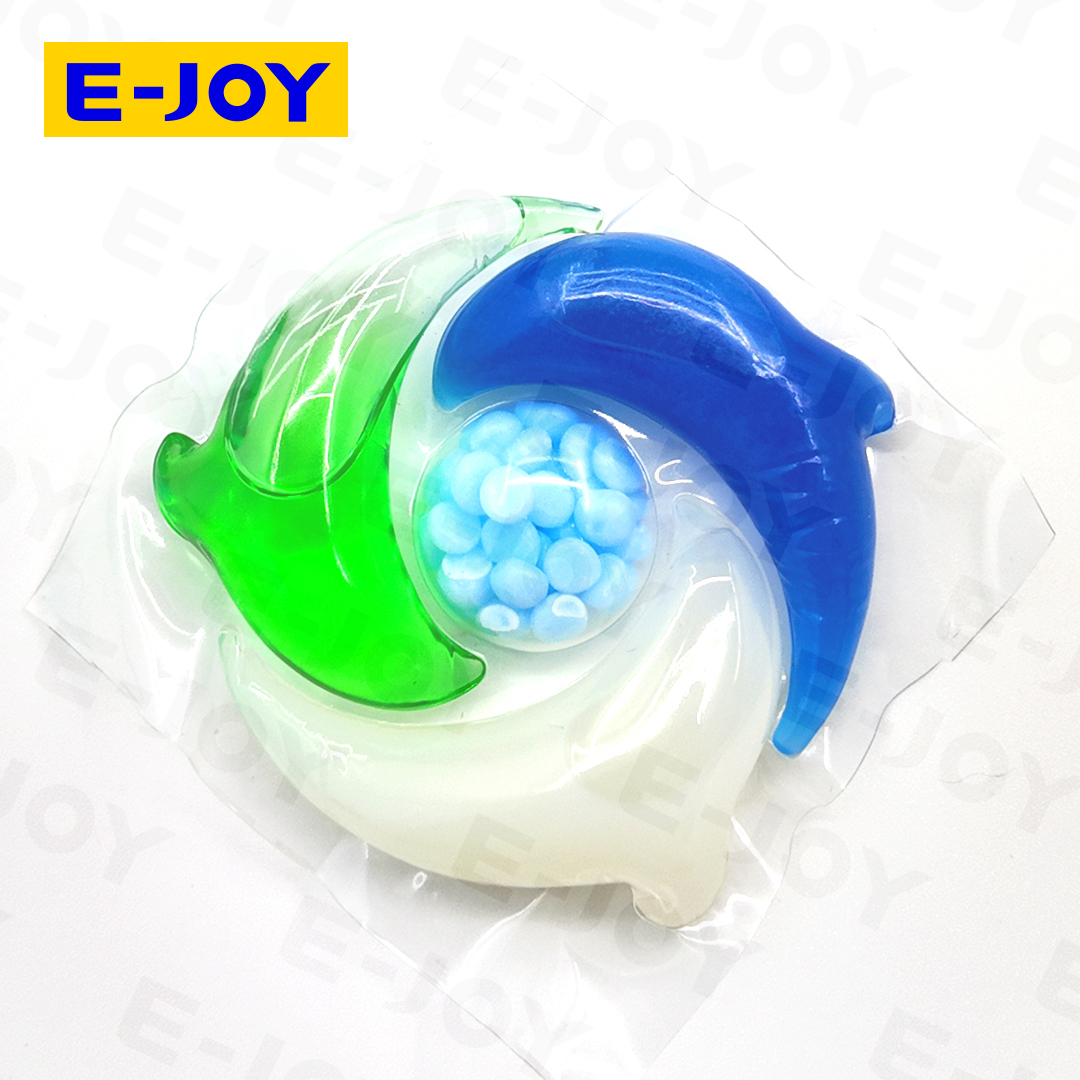
Laundry pods contain liquid detergent inside a water-soluble film. Both parts must work well together. For example, the film must hold the liquid during storage. At the same time, it must dissolve during washing under the intended conditions.
Manufacturers should check several areas. First, they inspect the liquid. Next, they check the film and seals. In addition, they test cleaning results and packaging.
- Liquid quality: Check the color, smell and flow of the detergent.
- Film quality: Check the film thickness and strength.
- Seal quality: Check for weak seals and leaks.
- Cleaning results: Check how well the pods remove stains.
- Storage quality: Check how the pods respond to heat and humidity.
- Package quality: Check whether the package protects the product.
These checks help factories find problems early. As a result, manufacturers can review the product before making a large order.
2. Raw Material Tests for Laundry Pods
First, manufacturers need to check the detergent formula. The test plan depends on the ingredients and product design. It should also match the buyer’s needs.
Appearance and Color Test
Visual checks help the team spot changes in the liquid. For example, inspectors look for strange colors, visible particles and liquid separation.
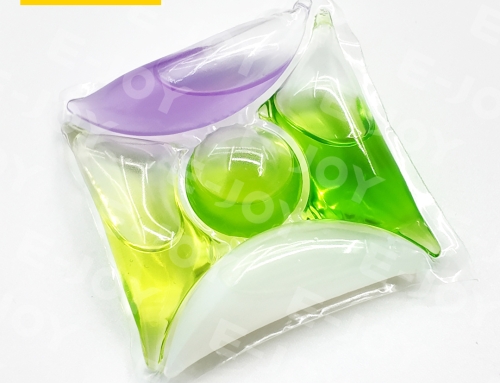
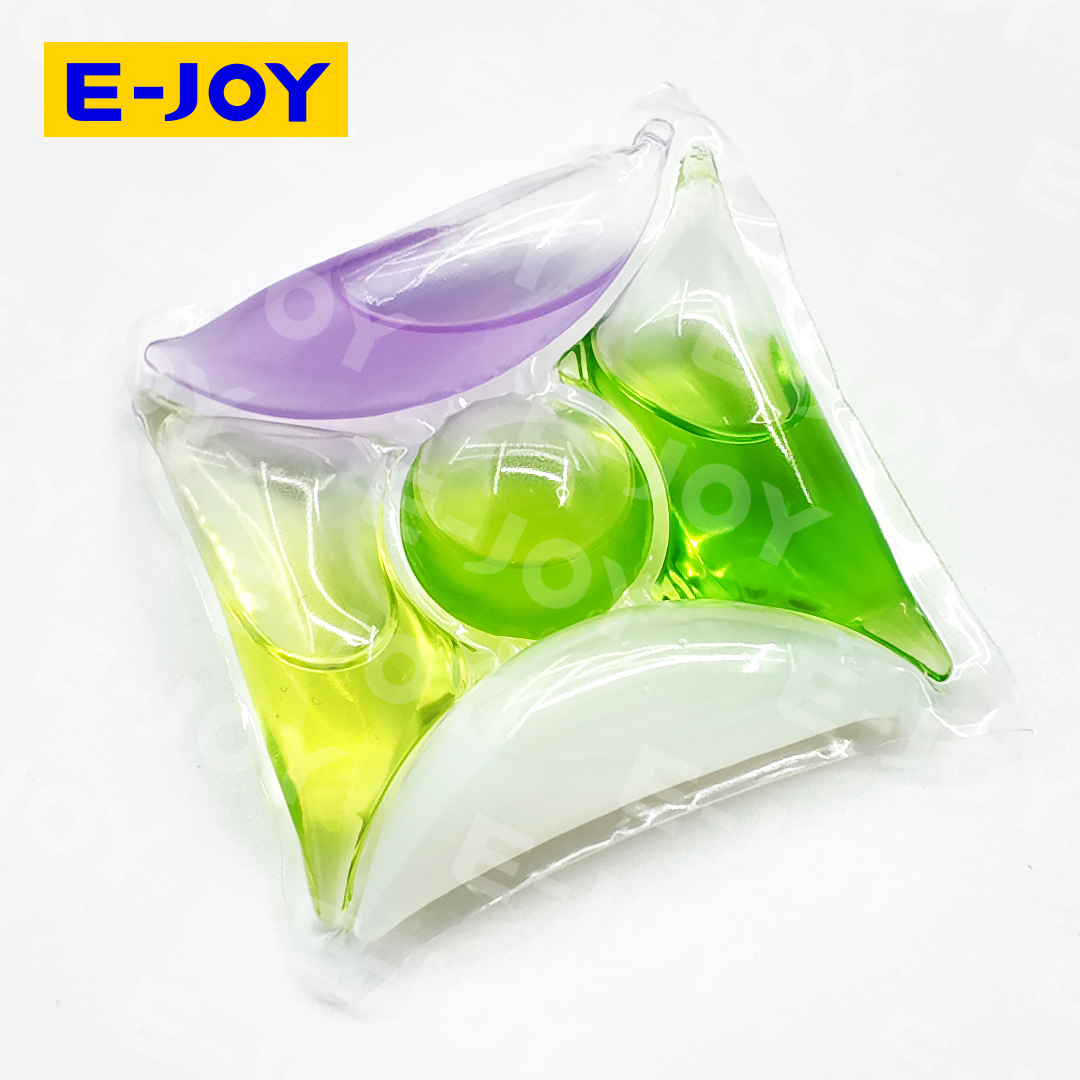
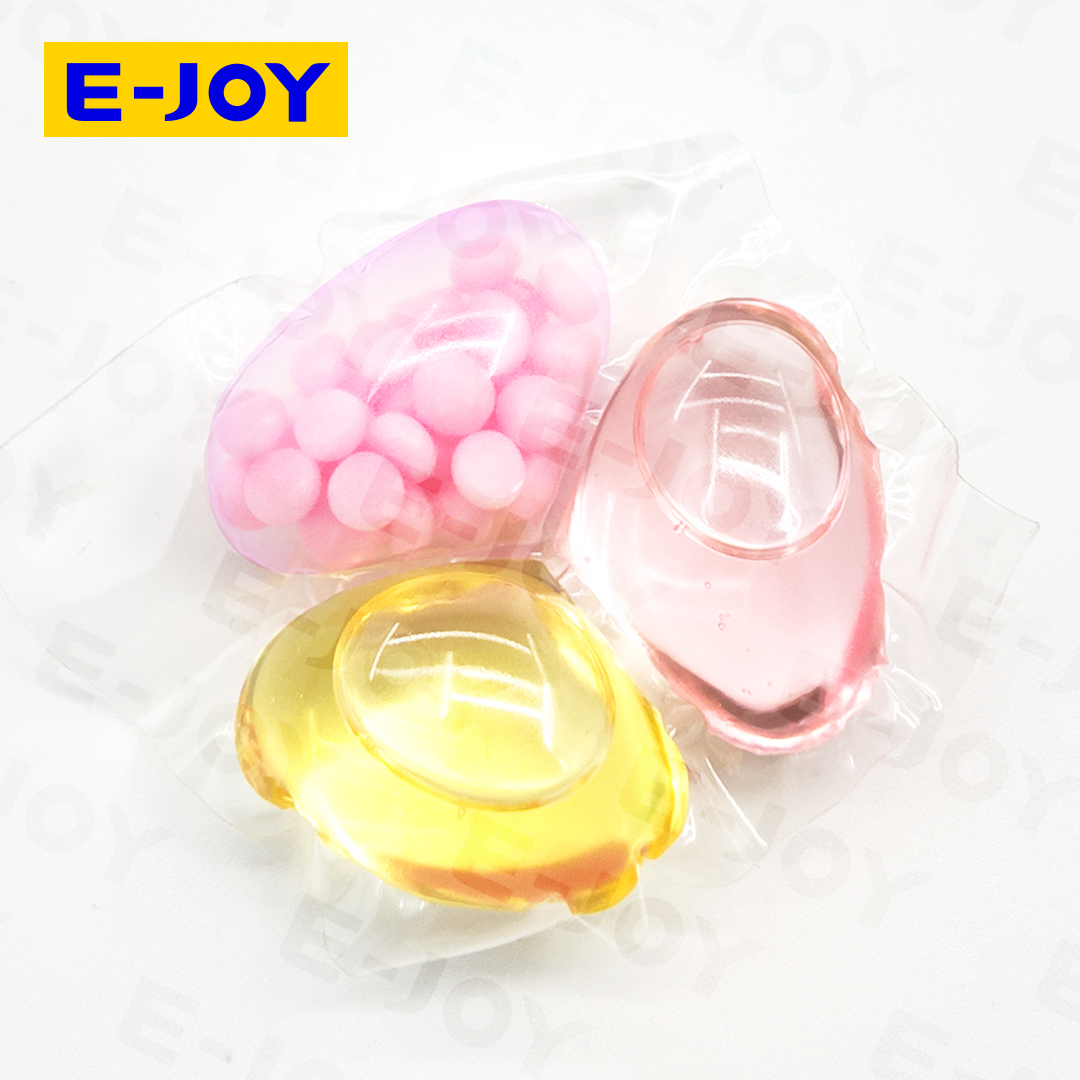
For multi-chamber pods, they also check each part. The liquid should have the correct color and appearance.
Viscosity and Density Test
Viscosity tells us how thick a liquid is. It can affect how the liquid flows through filling equipment.
Density also matters. It helps the factory check the formula and filling process. Therefore, the team can compare test results with the approved product details.
pH and Ingredient Test
Next, the lab can check the pH value and key ingredients. The exact tests depend on the formula.
For example, enzyme-based formulas may need an enzyme activity test. These checks help the team confirm that the formula meets the agreed product requirements.
3. Water-Soluble Film Quality Tests
The film plays a key role in laundry pod quality. It must hold the liquid before use. However, it must also dissolve in water during washing.
For this reason, manufacturers should check the film before and during production.
Film Thickness Test
First, the lab checks the film thickness at several points. This helps the team find uneven areas.
In addition, inspectors look for holes, wrinkles and surface marks. These issues may affect pod appearance and sealing.
Film Strength Test
Next, the lab checks how much force the film can take. A tensile test can measure its strength and stretch.
These results help the manufacturer select a suitable film for the product design. They also help the team check changes between material batches.
Water Dissolution Test
This test checks how the film dissolves in water. It is an important part of laundry pods quality tests.
A basic test may follow these steps:
- First, prepare water at a set temperature.
- Next, place a pod or film sample into the water.
- Then, keep the test time and water movement the same.
- After that, check how the film dissolves.
- Finally, record any film or residue that remains.
Some buyers may also need low-temperature tests. This is useful when the target market uses cold-water washing.
NOTE FOR OEM BUYERS
Water temperature, water hardness and water movement can change the test result. Therefore, buyers and manufacturers should agree on the test conditions before they compare samples.
4. Leakage and Seal Strength Tests
A good seal helps keep the liquid inside the pod. However, a weak seal may cause leaks during storage or transport.
Therefore, manufacturers need to check the seal and the full pod.
Seal Appearance Test
First, inspectors look at the sealing area. They check for gaps, wrinkles and poor bonding.
They can also use suitable tools to measure seal strength. This helps the team find weak sealing points.
Leakage Test
Next, the team checks whether the pod can hold its liquid. They may inspect samples after a set period or after controlled handling.
If a sample leaks, the factory should record the result. Then, the team can check the film, formula and sealing process.
Compression Test
Compression testing checks how a pod responds to pressure. This test can help buyers understand how the product handles stacking and transport.
For example, a factory may apply a set force to a sample. The team then checks the pod for leaks or damage.
In the US market, buyers may also review ASTM F3159-15(2022). This standard covers safety requirements for household liquid laundry packets. It includes packet integrity, packaging and labeling.
However, a product design test does not replace daily factory checks. Manufacturers still need a suitable sampling plan during production.
5. Cleaning Performance Tests
Cleaning performance is another key point for private label buyers. After all, the detergent needs to meet the product goals of the brand.
Manufacturers can use controlled washing tests to check cleaning results.
Stain Removal Test
First, the lab prepares fabric samples with set stains. Then, the team washes them with the test detergent.
Common test stains include:
- Oil and grease.
- Food stains.
- Protein stains.
- Dust and dirt.
- Other stains for the target market.
After washing, the team checks the fabric. They can use visual checks or color testing tools to compare the results.
Washing Condition Test
For fair results, the lab needs to keep the test conditions the same.
These may include:
- Water temperature.
- Water hardness.
- Washing time.
- Fabric type.
- Detergent dose.
- Washing machine settings.
In addition, the lab can compare the new formula with a reference detergent. This helps buyers review the product during sample approval.
Fabric and Residue Test
The team can also check whether the detergent leaves visible marks on fabric. They may also look for changes in selected fabrics after washing.
This is useful when a brand plans to sell pods for different fabric types.
6. Storage Stability Tests
Laundry pods may face different weather conditions during storage and shipping. Heat and moisture can affect the film, liquid and package.
Therefore, stability tests help manufacturers study these changes.
Accelerated Stability Test
In this test, the lab stores samples at set temperatures for a set time. Then, the team checks for changes.
They may look at:
- Film shape and appearance.
- Liquid color and smell.
- Changes in liquid thickness.
- Leaks and seal damage.
- Package condition.
These results help the team find possible product issues. However, an accelerated test does not give an exact shelf life on its own.
Temperature and Humidity Test
Next, the lab can test the product under different heat and moisture conditions.
This helps the team understand how the film and package work together. It also helps buyers plan storage needs for their target markets.
Transport Test
Export products may travel long distances. Therefore, packaging needs to handle normal shipping conditions.
Depending on the package, the factory may run vibration, drop and compression tests.
These tests help find weak points before the buyer places a large order.
7. Packaging and Label Tests
Good packaging helps protect laundry pods. It also gives buyers the right product details.
Before shipment, manufacturers should check these points:
- Package seal: Check that the pouch or container closes well.
- Leak protection: Look for damage or liquid leaks.
- Label details: Check product names, ingredients and use instructions.
- Warning text: Check the required safety messages.
- Batch code: Check the batch number and production date.
- Print quality: Compare the package with the buyer’s approved design.
However, each market may have different rules. Therefore, buyers should check local labeling and packaging needs before production.
8. What Quality Tests Should OEM Buyers Request?
When buyers compare laundry detergent pods manufacturers, they should ask about the quality test plan.
Do not rely only on product photos or general quality claims. Instead, ask for clear test items and inspection records.
The following table shows the main points to discuss with your supplier.
| Test Area | What to Check | Main Purpose |
|---|---|---|
| Raw Materials | Color, pH, viscosity and density | Check formula quality |
| Water-Soluble Film | Thickness, strength and dissolution | Check film performance |
| Sealing | Seal strength and leakage | Check liquid retention |
| Mechanical Tests | Compression and handling | Check pod integrity |
| Cleaning Tests | Stain removal and fabric results | Check washing performance |
| Stability Tests | Heat, moisture and appearance | Check storage quality |
| Packaging | Seals, labels and batch codes | Check package quality |
Not every OEM project needs the same tests. For example, some buyers may need extra film tests. Others may focus on cold-water washing or export packaging.
Therefore, buyers should agree on the test plan before mass production. This can help both sides avoid delays and misunderstandings.
9. How Do Laundry Pods Manufacturers Control Quality?
Lab tests are important. However, they are only one part of quality control.
A good production plan should also check materials, daily work and finished products.
Step 1: Check Raw Materials
First, the factory checks incoming materials. The team compares each material with the approved specifications.
This step helps the factory find material problems before production starts.
Step 2: Check the Production Process
Next, workers check the filling and sealing process. They also look at pod shape, liquid volume and machine settings.
Regular checks help the team find changes early. As a result, the factory can deal with issues before they affect more products.
Step 3: Check Finished Products
After production, the quality team checks finished pods. The team may inspect appearance, package details, quantity and selected test results.
They should follow the agreed sampling plan for each order.
Step 4: Keep Batch Records
Finally, the factory keeps key production records. These records may include material batches, production dates and inspection results.
If a problem occurs, the team can review the records. Then, they can find the cause and plan corrective action.
10. Frequently Asked Questions About Laundry Pods Quality Tests
What are the main quality tests for laundry pods?
The main tests include film strength, water dissolution, seal strength, leakage, cleaning performance and storage stability. In addition, manufacturers check raw materials and packaging.
How do manufacturers test laundry pod film?
First, the lab checks film thickness and appearance. Next, it can run tensile and dissolution tests. These tests help the team check film strength and water response.
Why do laundry pods need a leakage test?
A leakage test checks whether the pod can hold its liquid. It can help the factory find weak seals and film problems before shipment.
Can OEM buyers ask for custom quality tests?
Yes. Buyers can discuss extra tests with the manufacturer. For example, they may ask for low-temperature dissolution or special packaging tests. However, both sides should agree on the test method and acceptance rules first.
Can a manufacturer provide quality reports?
Buyers can ask for inspection records and test reports. The report may cover raw materials, production checks and finished products. The exact documents depend on the project and the factory’s quality process.
Do accelerated tests confirm the product shelf life?
No. Accelerated tests help the team study product changes under set conditions. However, they cannot replace real-time stability data when setting a confirmed shelf life.
Conclusion: Quality Tests Matter in Laundry Pods OEM Projects
Laundry pods quality tests cover many areas. These include the detergent formula, water-soluble film, sealing, cleaning results and storage stability.
For OEM buyers, it is useful to discuss these tests before placing an order. This helps the buyer and manufacturer agree on product details and quality targets.
In addition, buyers should check the supplier’s test records, batch control and sample support. These points can help both sides build a clear plan for mass production.
EJOY OEM & ODM SERVICES
Looking for a Laundry Pods OEM Manufacturer?
Guangdong Ejoy Daily Necessities Co., Ltd. provides OEM and ODM support for laundry care products.
Our team can discuss product formulas, pod designs, packaging and sample needs with your brand. We can also discuss quality inspection requirements for your project.
If you plan to develop a private label laundry pods product, please share your requirements with our team.