
Plan the Production.
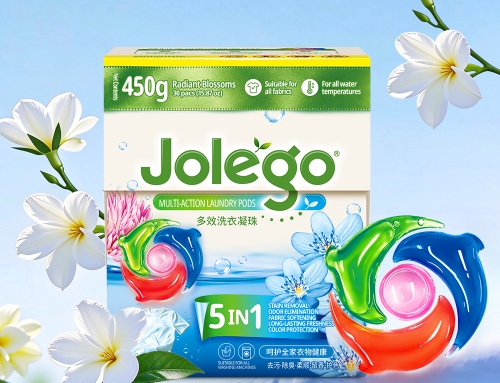
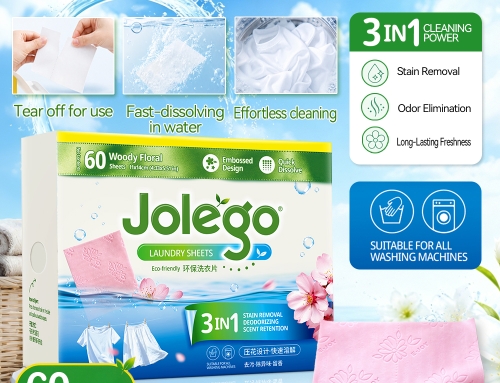
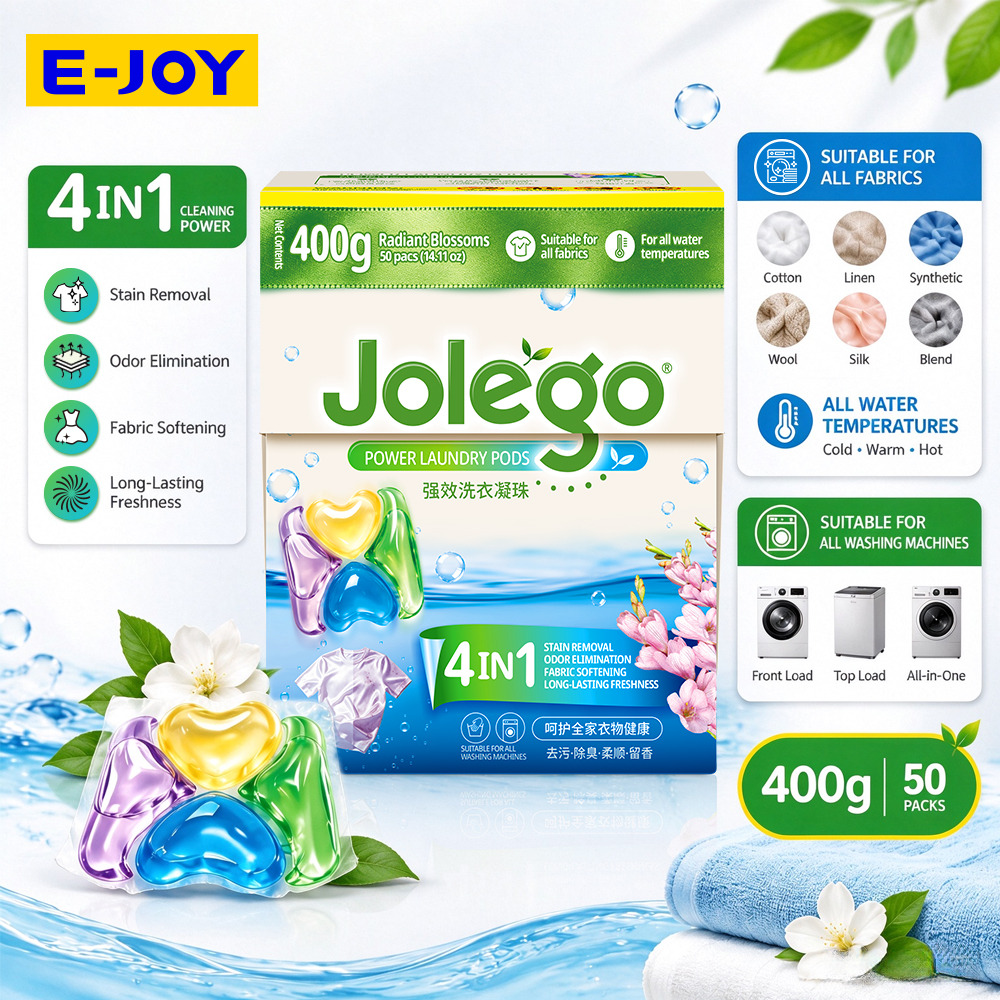
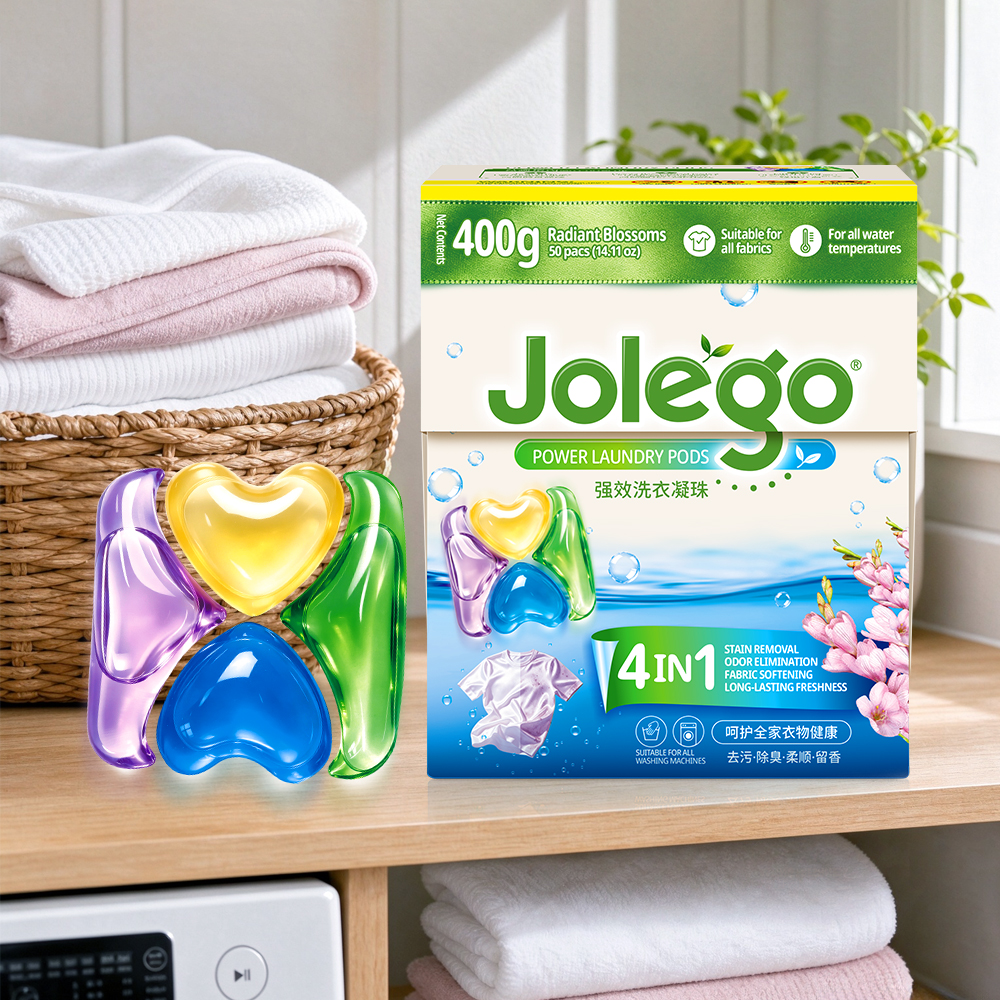
Laundry detergent pods contract manufacturing links a brand’s product brief with a supplier’s agreed production scope. First, define what each party will provide. Then, approve the product, packaging, quality checks, and order terms before bulk production.
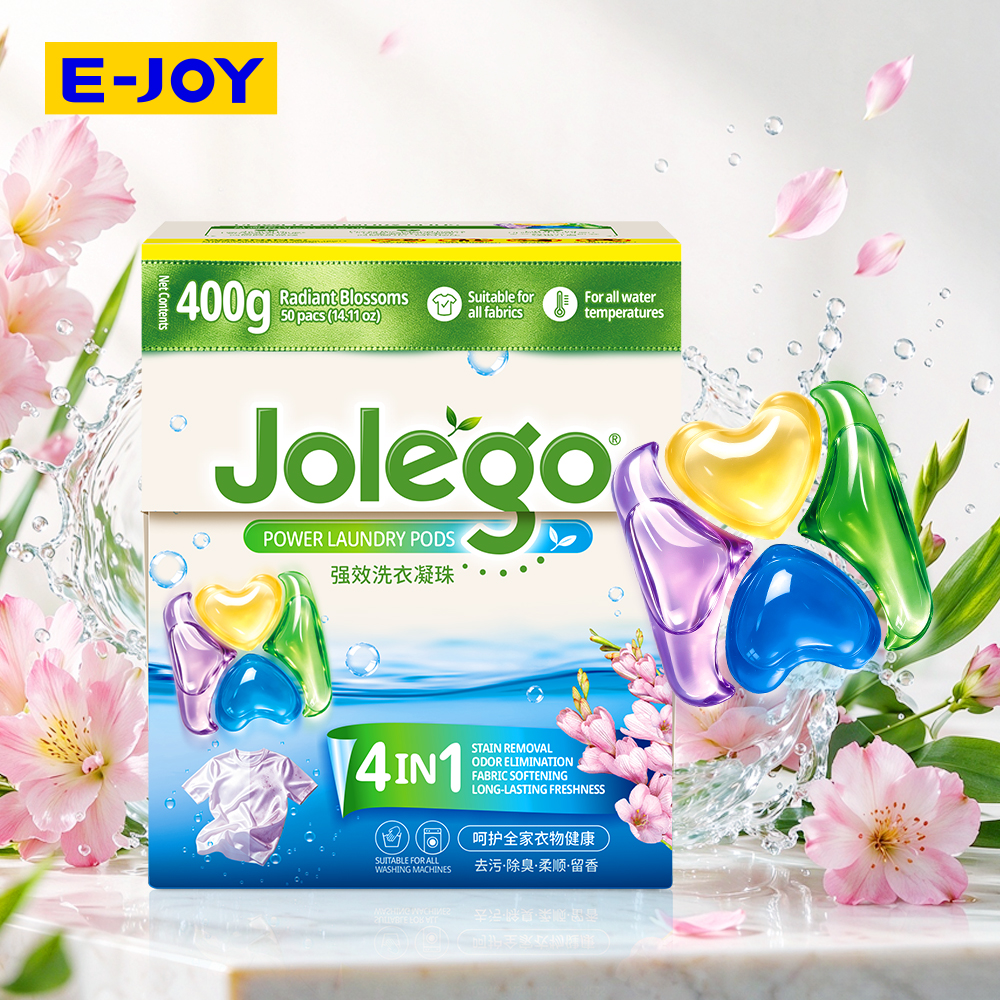
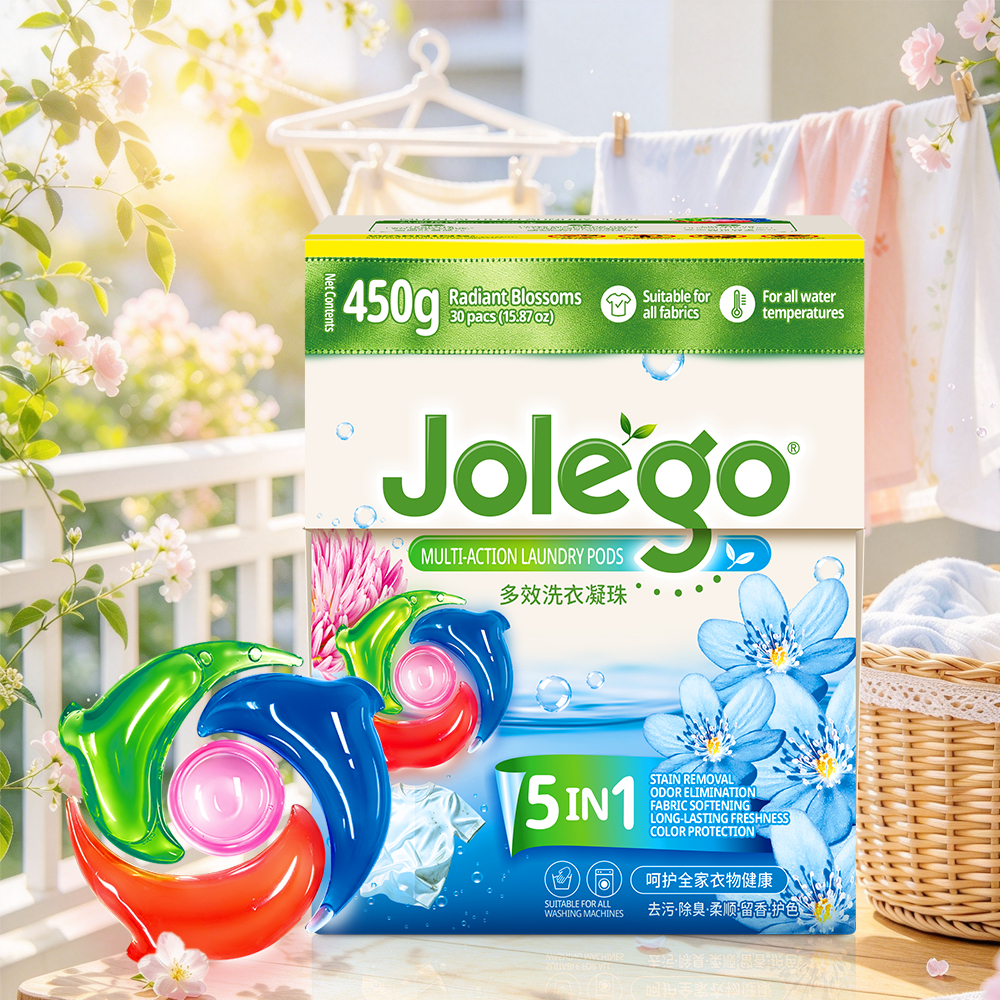
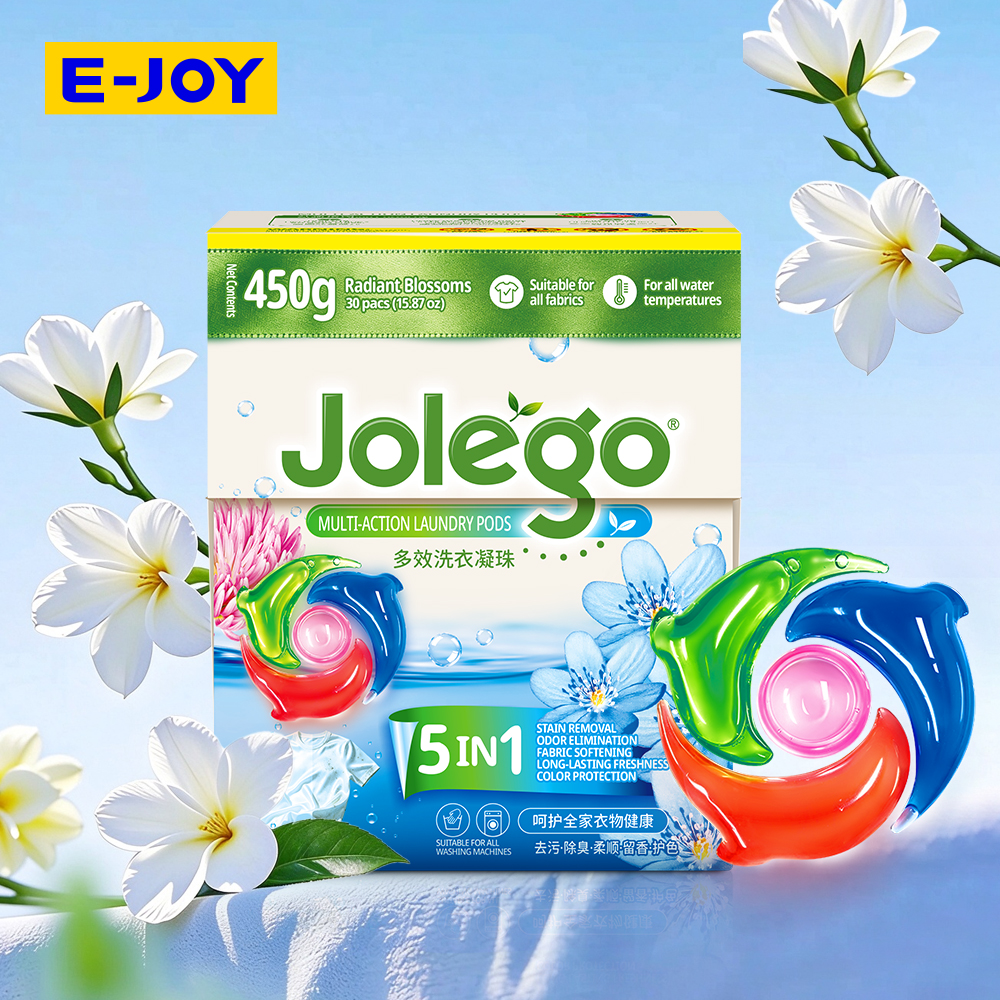
Guangdong E-JOY Daily Necessities Co., Ltd. focuses on home care OEM and ODM projects. Share your laundry pod brief with our team. We can then review the requested scope and discuss samples, packaging, and quotation details.
A clear project needs more than a product name and price. Agree on the specification, services, approval steps, and responsibilities. Also, record how changes and quality issues will be handled. This gives both parties a shared basis for the order.
Define the Laundry Detergent Pods Contract Manufacturing Scope
First, explain the product you want to sell. Include the target market, sales channel, and intended use. Then, identify which tasks you want the supplier to handle.
The proposed scope may include:
- Review of existing product options or a development brief.
- Formula trials and sample preparation.
- Pod format and filling feasibility.
- Packaging sourcing and packing.
- Agreed production and quality checks.
- Batch records and shipment preparation.
However, do not assume every service is included. Ask E-JOY to confirm the available scope for your project. Also, record any outside testing or services separately.
Assign a Responsible Party to Each Task
For example, the brand may supply artwork while the manufacturer reviews print feasibility. A separate reviewer may assess market-specific label content. Therefore, name the responsible party for each task.
Also, confirm who approves the final version. A file sent for review should not be treated as approved artwork without clear written confirmation.
Turn the Brand Brief into Measurable Details
Next, define the product in a form both teams can check. A general request such as “strong cleaning” does not give a clear approval standard. Therefore, describe the conditions and results you want to assess.
Include the pod weight, format, scent, and intended dose. Also, identify the formula version and packaging requirements. Any agreed limits should be recorded with a suitable check method.
For example, a cold-wash goal needs a defined test cycle. Likewise, scent feedback needs consistent washing and drying. This makes sample decisions easier to explain and repeat.
Confirm What Each Sample Represents
First, ask whether the sample is a stock product, a formula trial, or a final approval sample. An early trial may use plain packaging. Therefore, record which details still need review.
Then, test samples under agreed conditions. Keep the machine, cycle, load, and dose consistent. Also, record water temperature and hardness where relevant.
Review cleaning, visible residue, scent, and pod condition separately. Repeat the tests as agreed. For formal product claims, discuss suitable testing with a qualified lab.
Finally, keep the approved sample code and test record. Also, agree on retained sample storage and retention periods. Link the approval to the written product specification.
Approve the Filled Pack before Printing at Scale
Next, review the proposed pack with the actual pods. Check the seal, closure fit, pod count, and label area. Also, confirm barcode scanning and batch code placement.
Record the packaging materials and artwork version. Then, agree on outer carton details and shipping marks. Ask what checks support the proposed storage period and transport conditions.
If printed materials are purchased ahead of production, clarify ownership and storage terms. Also, agree on what happens to unused branded packaging if the design changes or the project ends.
Keep Claims within the Evidence
A firm lid or zip alone does not prove child resistance. Likewise, water-soluble film alone does not prove the finished product is plastic-free or biodegradable. Therefore, request evidence for each proposed claim.
Also, have warnings, use directions, and other market-specific label content reviewed before printing. Record who is responsible for that review.
Set Quality Terms for Bulk Production
An approved sample gives both parties a reference. However, it does not replace checks on bulk goods. Therefore, agree on inspection methods and pass criteria before production starts.
Checks may cover pod appearance, fill weight, seal condition, pack count, and label accuracy. Also, define how results will be recorded and who will approve release.
Next, agree on a process for product changes. A new material, formula version, or pack component may need further review. Record which changes require approval before use.
If an issue occurs, keep the batch code, photos, quantities, and relevant records together. Then, follow the agreed review and resolution process.
Record Laundry Detergent Pods Contract Manufacturing Terms
Before placing an order, confirm the commercial details. Keep them linked to the approved product and packaging. Also, list any open items that could affect the schedule.
- Order quantity and MOQ basis for each SKU.
- Unit price, currency, and quote validity.
- Sample, testing, tooling, and setup costs.
- Payment milestones and schedule start conditions.
- Shipping scope and agreed delivery terms.
- Artwork ownership, development rights, confidentiality, and any agreed exclusivity.
Custom development does not automatically create exclusive rights. Therefore, discuss those needs before development work begins. Record the agreed terms in writing.
Discuss Your Project Scope with E-JOY
E-JOY is based in Qingyuan, Guangdong, China. Our home care business brings together research, product development, and manufacturing. Explore our home care OEM and ODM background to learn more.
For laundry detergent pods contract manufacturing, share your product brief and required services together. Also, include your target market, pack needs, order estimate, and launch date. Our team can then review the requested scope.
You can also visit the E-JOY Alibaba storefront to explore our business. To begin a sourcing discussion, identify the tasks you want E-JOY to review and the materials you will provide.
Questions from Brand Owners
Can I provide my own formula?
Include this request in the initial discussion. First, clarify confidentiality and permission to use the formula. Then, ask E-JOY to review technical feasibility, film compatibility, and testing needs.
Are samples and packaging included in the quote?
Do not assume they are included. Ask for a clear breakdown of product, packaging, development, and other charges. Also, confirm freight and testing costs.
What happens if I change the specification?
Request a review before the change is used. It may affect samples, materials, cost, or timing. Therefore, approve the revised specification and commercial terms in writing.
Does sample approval confirm every future batch?
Sample approval sets a reference for production. However, each bulk order still needs the agreed quality checks. Keep the specification, batch records, and issue-handling process linked to the order.
Start with a Clear Manufacturing Brief
Planning a branded laundry pod range? First, list your product goals and required services. Also, include your preferred pack, order estimate, and target launch date.
Use the E-JOY contact page to share your brief. Our team can then review your OEM needs and discuss samples and quotation details.