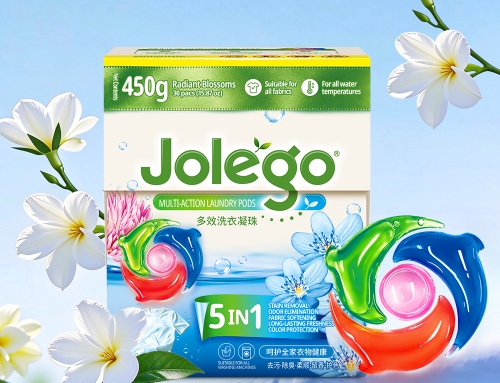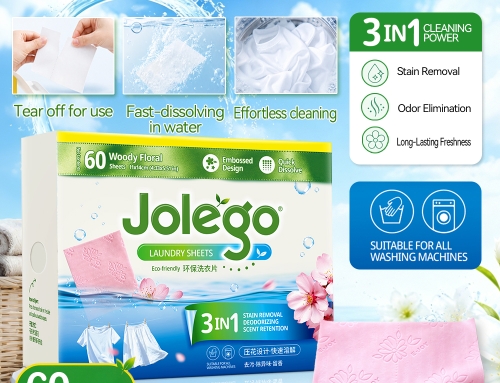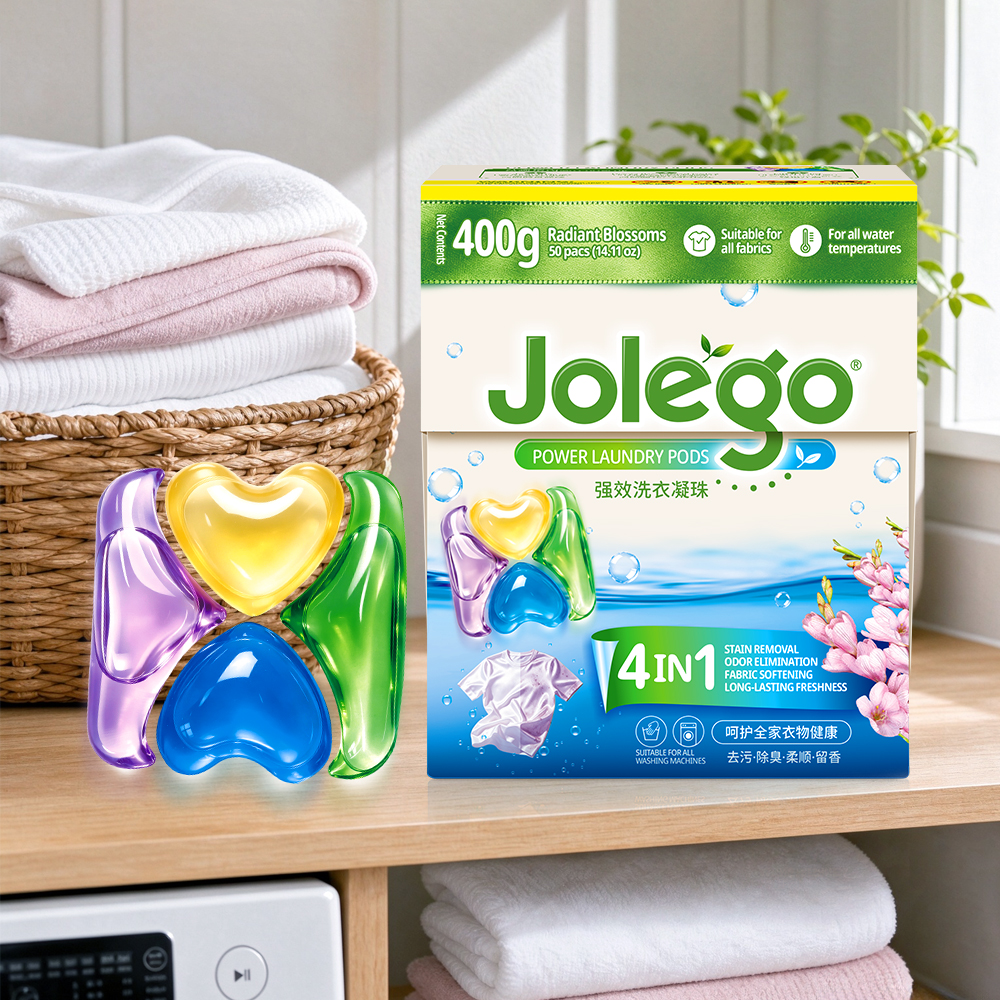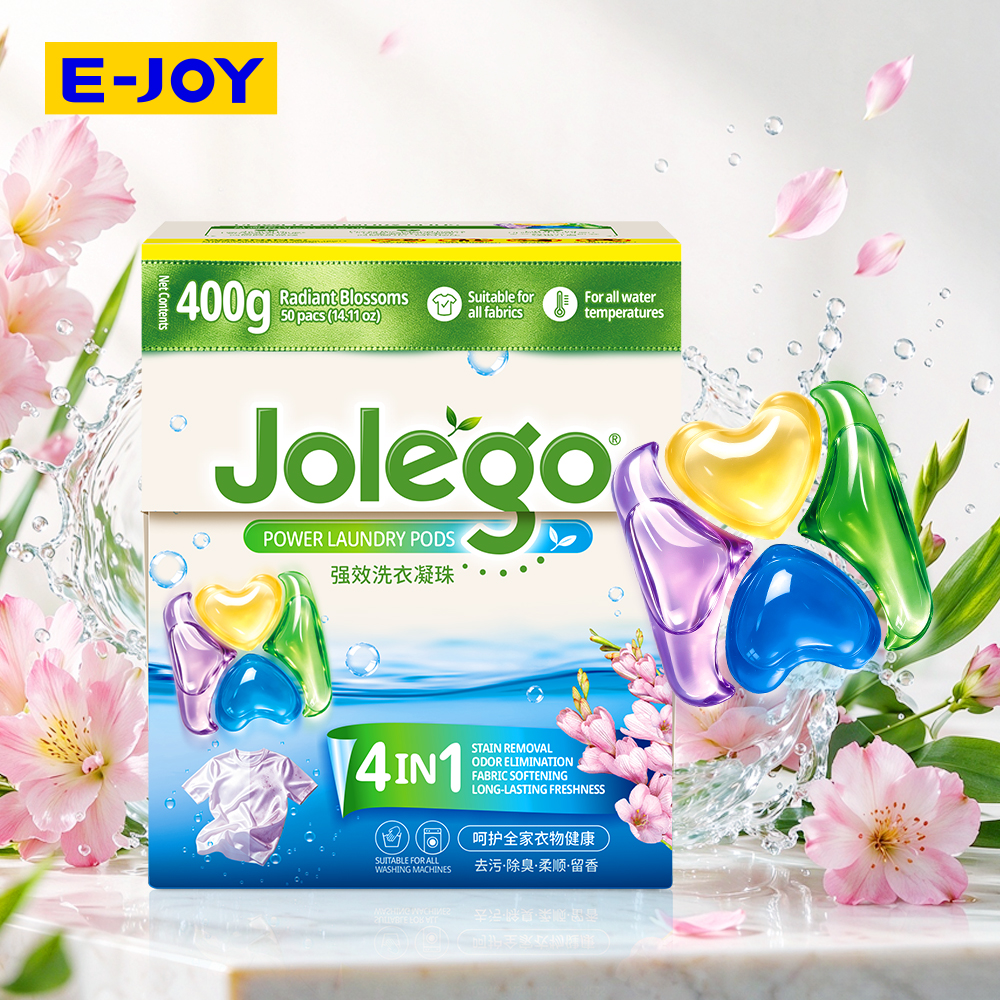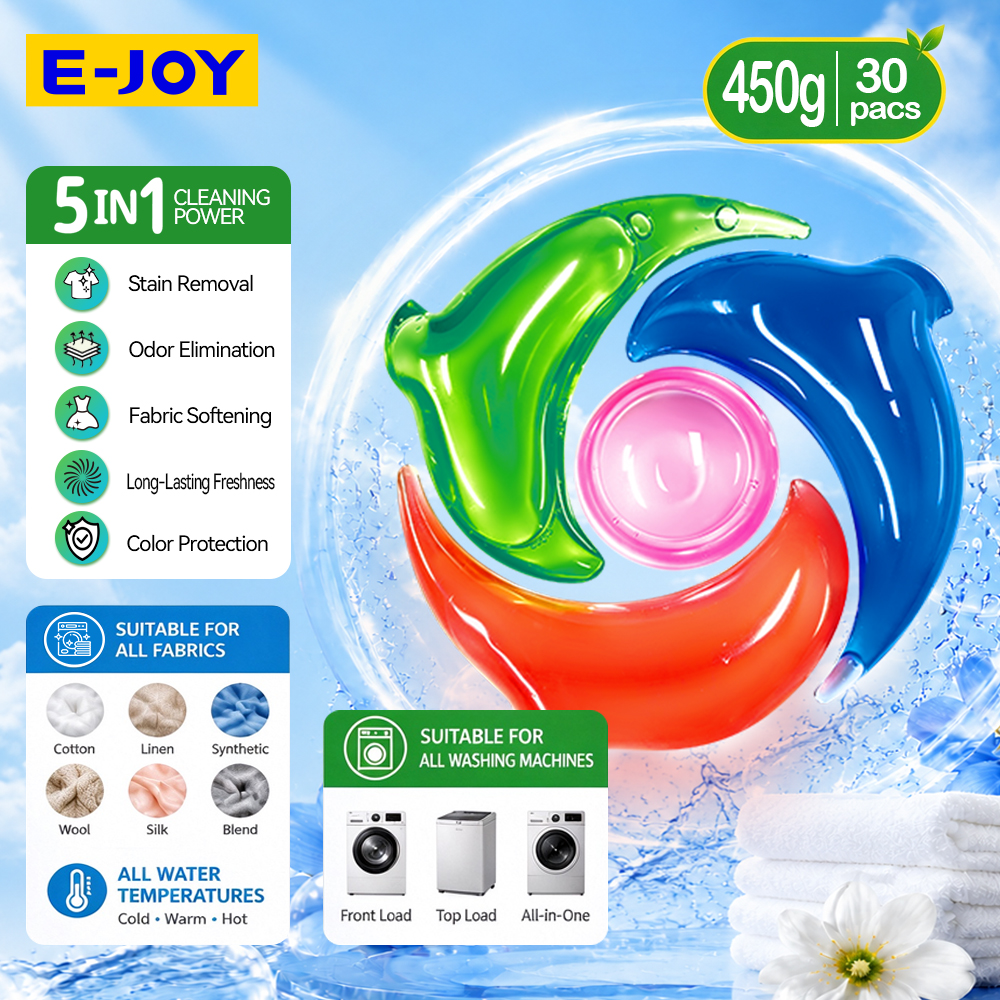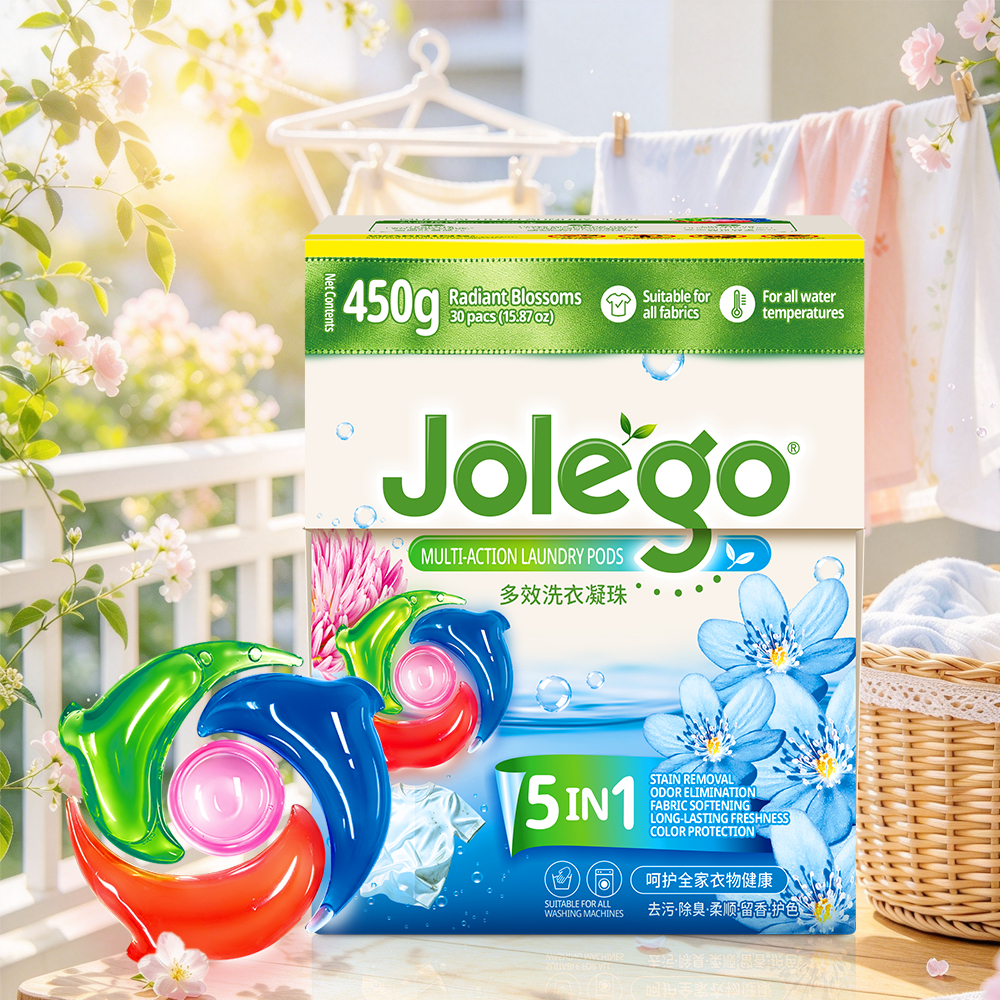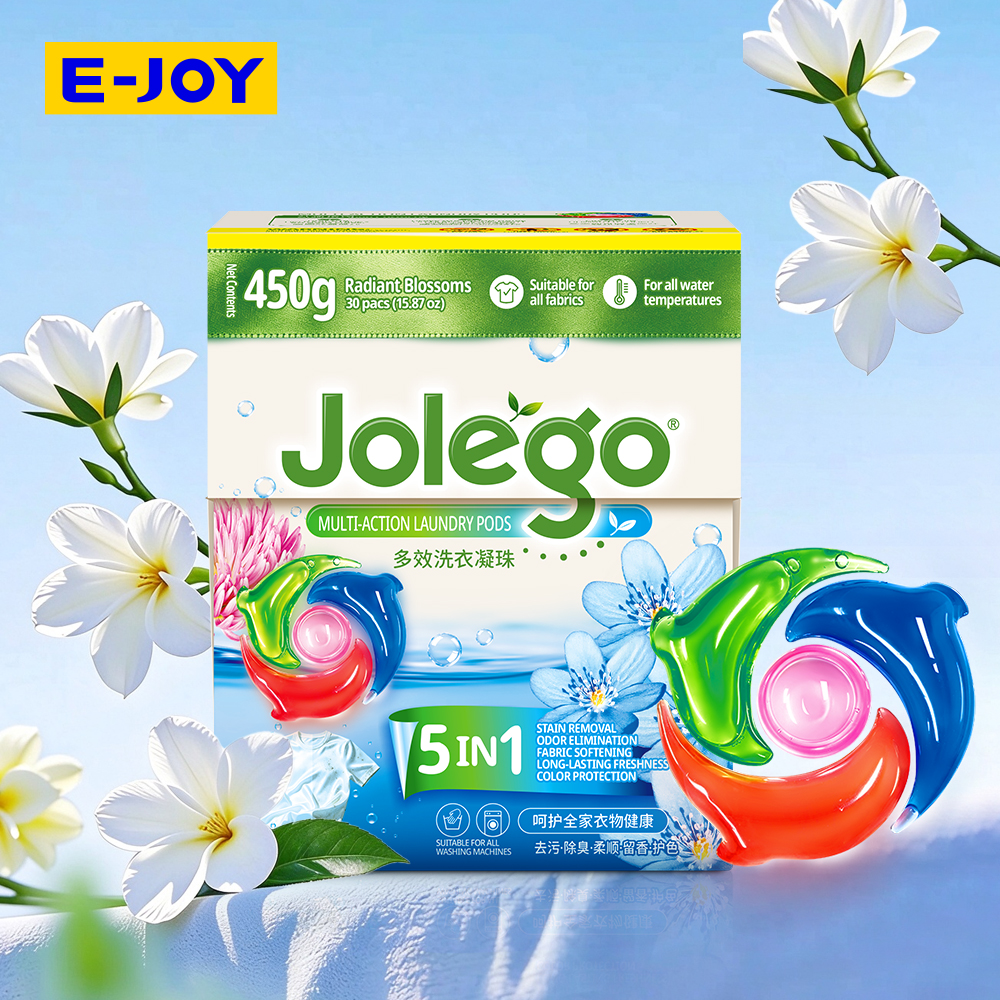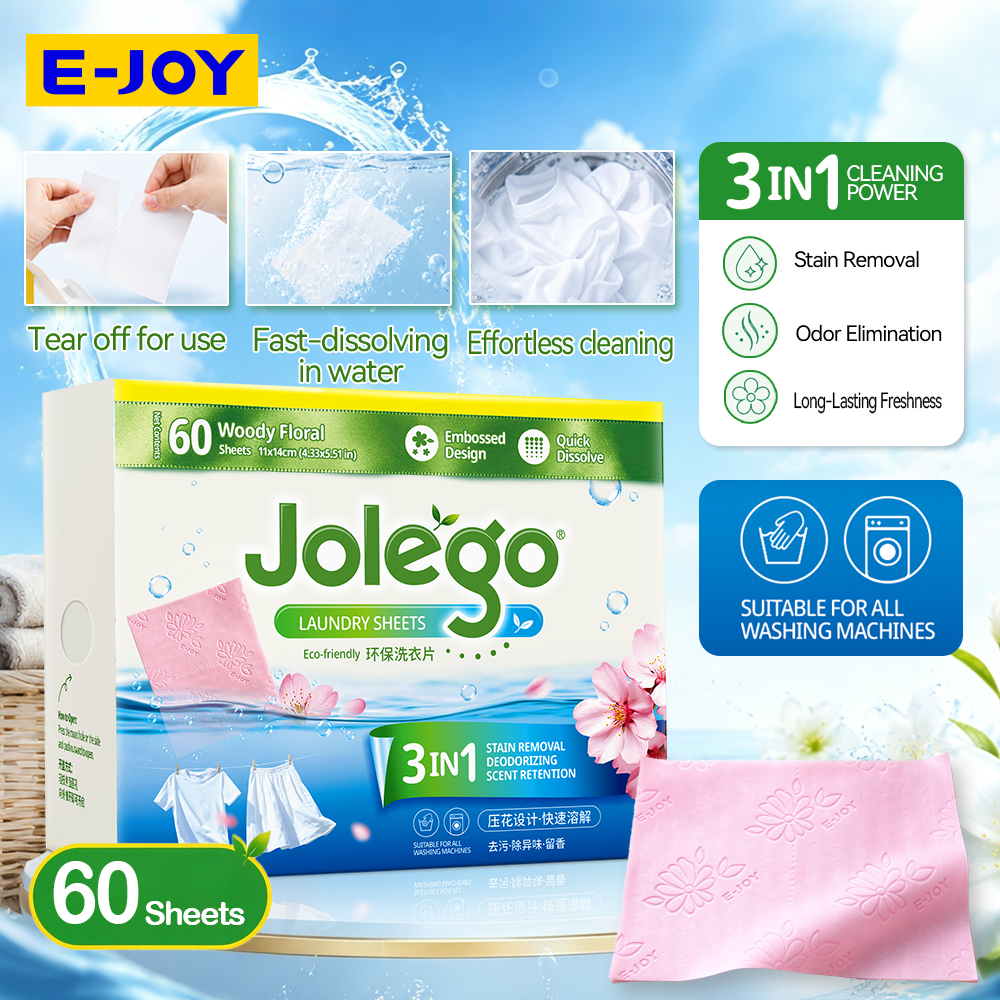

Laundry pods production planning helps importers connect product approval, factory scheduling, and delivery needs. First, define when stock must reach your warehouse. Then, work back through shipping, batch checks, packaging supply, and production.
Prepare for Arrival.
Guangdong E-JOY Daily Necessities Co., Ltd. focuses on home care OEM and ODM projects. Share your product brief, order estimate, and required delivery window with our team. We can then review the requested scope and discuss the information needed for an order plan.
A useful schedule shows more than a shipment date. It also names the approvals, materials, and decisions needed at each stage. Therefore, keep open items visible before confirming production.
Start Laundry Pods Production Planning with the Warehouse Date
First, define the date you need usable stock. A vessel departure date is not a warehouse arrival date. Also, delivered goods may still need receiving checks before they can be sold.
Then, identify the sales event behind the deadline. For example, the order may support a retail launch, a promotion, or routine replenishment. State which dates are firm and which can move.
Also, share the delivery destination and receiving requirements. These details help the supplier and freight provider review the schedule on the same basis.
Close Product and Packaging Decisions Early
A production slot needs a defined order. Therefore, list the decisions that must be closed before materials and production are committed.
- Approved formula version and reference sample.
- Pod weight, format, scent, and agreed specifications.
- Retail pack material and pods per pack.
- Final artwork, label language, and barcode details.
- Quantity for each SKU and packs per carton.
- Commercial terms, payment milestones, and release checks.
Next, ask which conditions start the quoted lead time. It may depend on final approval, agreed payment, or material readiness. Record the start conditions in writing.
A Forecast Is Not a Confirmed Production Slot
A forecast helps suppliers understand future demand. However, it does not automatically reserve materials or factory capacity. Therefore, separate estimated demand from confirmed orders.
If you need a capacity commitment, discuss it directly. Also, record any payment, cancellation, and change conditions linked to that commitment.
Check Material Readiness before Fixing the Batch Date
Next, ask which materials have the longest supply time. The formula, film, container, and printed packaging all need to support the approved product. One missing item may affect the finished goods schedule.
Also, confirm whether custom materials need separate minimums. A printed pouch or tub label may have different terms from the pod production run. Agree on how any unused packaging will be handled.
Then, review the proposed factory dates. Ask whether the timing covers pod production, packing, and release checks. Do not assume every stage is included in one quoted duration.
Allow Time for Checks before Collection
Production completion does not always mean shipment readiness. The order still needs the agreed checks and release decision. Therefore, include these steps in the schedule.
Checks may cover pod condition, fill weight, seal quality, pack count, and label accuracy. Also, confirm when batch records and final carton details will be available.
If an outside inspection is planned, book it with enough notice. Then, define how findings will be reviewed. Include a process for correction and reinspection where needed.
Build the Timeline from Agreed Dependencies
Work back from warehouse receipt through local delivery, freight, collection, release, production, and material readiness. Also, show the approval dates needed to support each stage.
Some tasks may overlap if the parties agree. Others must wait for a prior decision. Therefore, map those dependencies instead of simply adding every quoted duration together.
Align Factory Readiness with Freight Dates
First, confirm who will arrange collection and freight. Then, share expected carton counts, dimensions, and weights with the freight provider. Mark estimates clearly until final details are available.
Also, confirm booking deadlines and collection requirements. Ask which product details and transport documents are needed for the route. Transport classification should be checked against the actual formula and shipment.
Before dispatch, compare the invoice, packing list, and transport instructions. The product details and quantities should agree. Also, confirm destination receiving needs before the goods leave.
Keep Laundry Pods Production Planning Updated
A change in artwork, quantity, or formula may affect materials and timing. Therefore, request a schedule review before approving the change. Also, record any revised cost or delivery terms.
For repeat orders, review sales and usable stock by SKU. Separate launch demand from ongoing demand. Then, update the forecast using actual results.
Keep one current schedule with a named owner for each task. Also, record open issues and the next review date. This helps both teams see what could affect the order.
Discuss Your Import Order Plan with E-JOY
E-JOY is based in Qingyuan, Guangdong, China. Our home care business brings together research, product development, and manufacturing. Explore our home care OEM and ODM background to learn more.
For laundry pods production planning, send the specification, pack details, and quantity for each SKU. Also, include artwork status, destination, and the required warehouse date. Our team can then review the requested scope.
Browse the E-JOY Made-in-China showroom for product and company information. Then, request a review tied to your actual order needs.
You can also start through the E-JOY Alibaba storefront. Use the same brief across both channels so product and schedule discussions stay consistent.
Questions from Import Buyers
When does the production lead time start?
Ask E-JOY to state the start conditions for your order. These may include final approval, agreed payment, and material readiness. Do not assume the inquiry date starts the schedule.
Can I change quantities after order confirmation?
Request a review before making the change. Feasibility depends on material commitments and the production stage. Also, confirm any effect on cost and delivery.
Can one order ship in separate batches?
Ask E-JOY to review the proposed arrangement. Then, clarify quantities, release checks, storage, payment, and freight for each shipment. Split delivery may create extra handling or transport costs.
What should I do if the launch date is fixed?
Share the date at the start and explain the required warehouse availability. Then, review feasibility before committing to the launch. A requested deadline is not a confirmed delivery promise.
Start with the Product and Required Arrival Date
Planning a private label laundry pod shipment? First, list your SKUs, quantities, and packaging needs. Also, include the destination and your target warehouse date.
Use the E-JOY contact page to share your brief. Our team can then review your OEM needs and discuss samples, quotes, and order planning.