
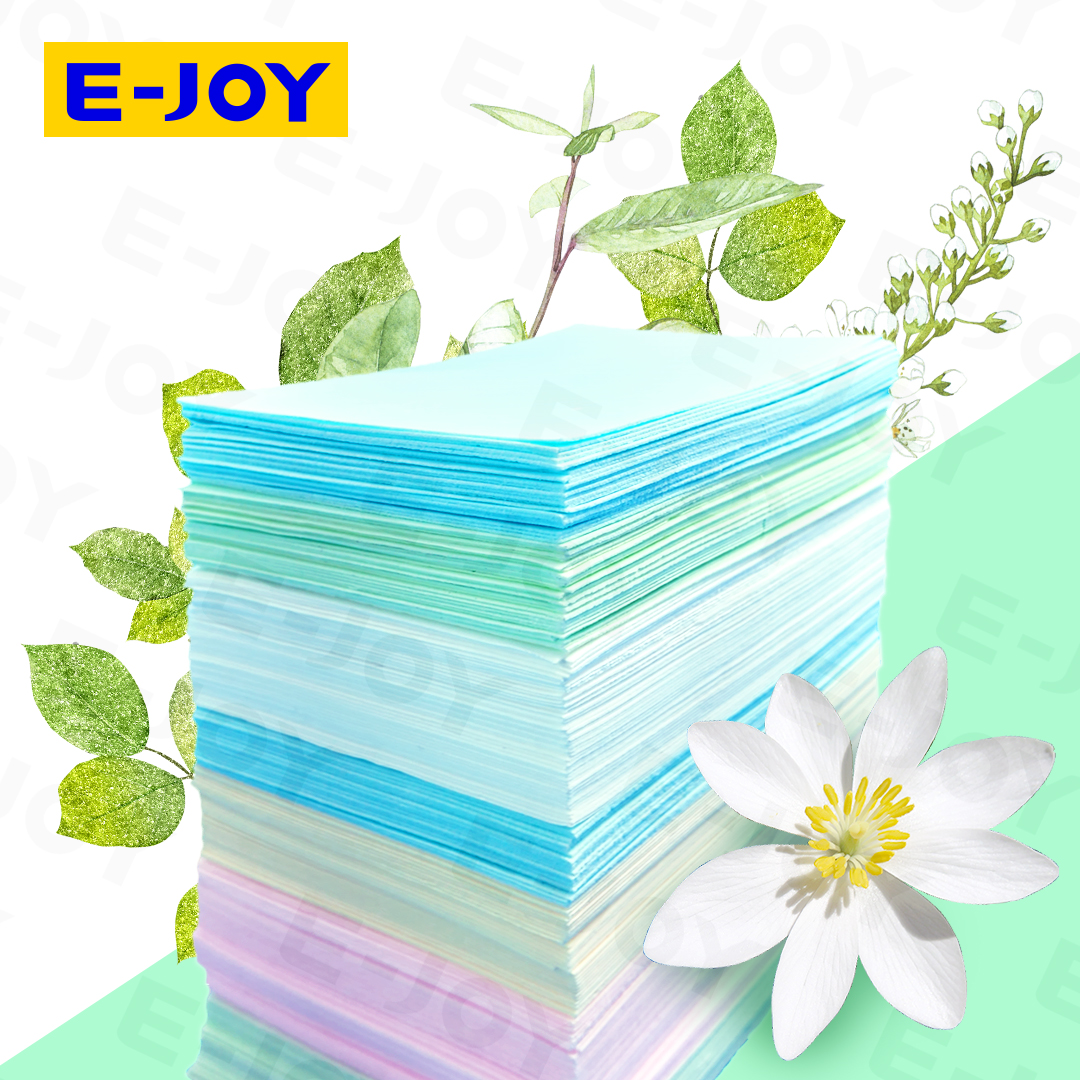
Laundry detergent sheets need a clear export plan before buyers place a bulk order. First, define the product and retail pack. Next, review labels, shipping terms, and quality checks. Finally, agree on the steps for repeat orders.
This guide is for importers, brand owners, and distributors. It explains what to check when sourcing sheets for overseas markets. In addition, it links sample approval with bulk supply.

Laundry Detergent Sheets: What Should Buyers Confirm?
An export plan should cover the product, pack, order terms, and shipment. However, a price quote alone does not define all these points. Buyers also need written specs and clear roles.
For example, one team may book freight while another handles import clearance. Therefore, agree on who does each task before the order starts.
Buyer takeaway: Review the full supply plan before approving an order. Include product specs, pack details, quality limits, shipping terms, and required documents.
01. Define Your Export Supply Brief
First, state the country where you plan to sell. Then, share your sales channel and target pack size. These details help the supplier assess the project.
Also, explain the wash habits in your market. For example, include the machine type, water temperature, and load size. The sample test plan should reflect those needs.
| Brief item | Details to confirm |
|---|---|
| Target market | Country, sales channel, and label language. |
| Sheet spec | Size, weight, scent, appearance, and dose per wash. |
| Retail pack | Sheet count, pack materials, size, and artwork needs. |
| Order forecast | Trial order size, repeat demand, and launch date. |
| Delivery plan | Delivery point, freight mode, and proposed shipping terms. |
In addition, separate fixed needs from optional ideas. This helps both teams focus on the points that affect cost and timing.
02. Approve Laundry Detergent Sheets Before Bulk Production
First, review samples under your planned wash conditions. Check how the sheets dissolve and clean. Also, review scent, handling, and any visible residue.
Next, test the sample in its proposed retail pack. Check the fit, closure, and ease of taking out each sheet. In addition, use the intended pack for storage checks.
Once the sample meets the agreed limits, record the approval. Keep its code, formula version, test results, and pack details. Then, use these records as the reference for the bulk order.
Compare on the same basis: A sheet count is not the same as a wash count. Therefore, compare quotes using the agreed dose and load size.
03. Plan the Label and Document Review
Before printing, agree on who will review the label for the sales market. Also, list the product data that the supplier must provide. This gives both teams a clear review path.
For example, the review may cover dose text, ingredient details, warnings, and local contact information. However, the exact scope needs review for your product and market. Do not assume that one label fits every country.
Next, ask which documents are available and what they cover. Check that each report relates to the proposed product. A report for a different formula may not support your planned claims.
- Record the final label file and version.
- Match product details across the agreed documents.
- Review evidence for each planned claim.
- Set a deadline for artwork approval.
Finally, keep the approved files with the order record. This makes later checks and repeat orders easier to manage.
04. Compare Laundry Detergent Sheets Export Quotes
A useful quote should state what the price includes. For example, confirm whether it covers retail packs, printed labels, and export cartons. Also, ask about sample fees and one-time setup costs.
Next, confirm the minimum order size for each version. Ask whether a new scent or pack design changes that amount. Then, compare offers with the same product and pack details.
In addition, request carton size, gross weight, and units per carton. Your freight partner can use these details to estimate shipping costs. Therefore, a lower unit price alone does not show the full supply cost.
Finally, confirm payment terms and quote validity. Keep these points in writing before you release the purchase order.
05. Set Clear Packing and Shipping Terms
First, agree on the export carton and any pallet needs. Review the planned route with your freight partner. Then, assess whether the pack gives suitable protection for that route.
Also, state the shipping term, named place, and agreed rules version in the contract. Ask both parties to confirm their tasks and costs. This helps reduce gaps between the quote and shipment plan.
Before dispatch, confirm the documents with the buyer, broker, and freight partner. The final list should match the shipment and destination. Likewise, agree on who will prepare and check each file.
- Confirm carton marks and shipping labels.
- Check the unit count and packed weight.
- Review the invoice and packing list details.
- Agree on the handover point and dispatch notice.
However, a factory completion date is not an arrival date. Therefore, allow time for inspection, freight booking, transit, and clearance in your launch plan.
06. Keep Quality Controls for Repeat Orders
Before production, agree on the checks and acceptance limits. For example, these may cover sheet weight, size, pack count, and seal quality. Also, define which checks need test records.
Next, confirm when the buyer or a third party can inspect the order. Set a clear process for failed checks. For example, agree on how to record and review issues before dispatch.
For repeat orders, use the same approved spec unless both sides agree to a change. In addition, keep batch codes and order records. These help trace issues and compare later shipments.
Discuss Your Export Supply Brief with E-JOY
To discuss sourcing laundry detergent sheets, prepare your target market, sheet spec, pack count, and order estimate. Then, send your brief through the E-JOY contact page for a project review.
You can also visit the E-JOY website for company information. In addition, browse the E-JOY Alibaba storefront for product listings and sourcing enquiries. Before ordering, confirm product availability, custom options, documents, and shipping terms for your market.
Frequently Asked Questions
What should buyers send for an export quote?
First, send the destination, sheet spec, pack count, and order size. Then, add the delivery point and launch date. Also, state any label or document needs.
Can buyers order private label packs?
Ask the supplier which pack formats and print options are available. Then, confirm the minimum order size, artwork process, and extra costs. Custom options should be agreed for the specific project.
Can the same label be used in every market?
Do not assume that one label fits all markets. Instead, arrange a review for each destination. Also, confirm which product details and supporting files the reviewer needs.
How should buyers plan the delivery date?
First, confirm sample and artwork approval dates. Next, allow time for production and inspection. Finally, add freight booking, transit, and import clearance time with your logistics team.
What helps repeat orders stay consistent?
Keep the approved sample, written spec, and pack files. In addition, agree on quality checks and batch records. Review any proposed change before the next order starts.